

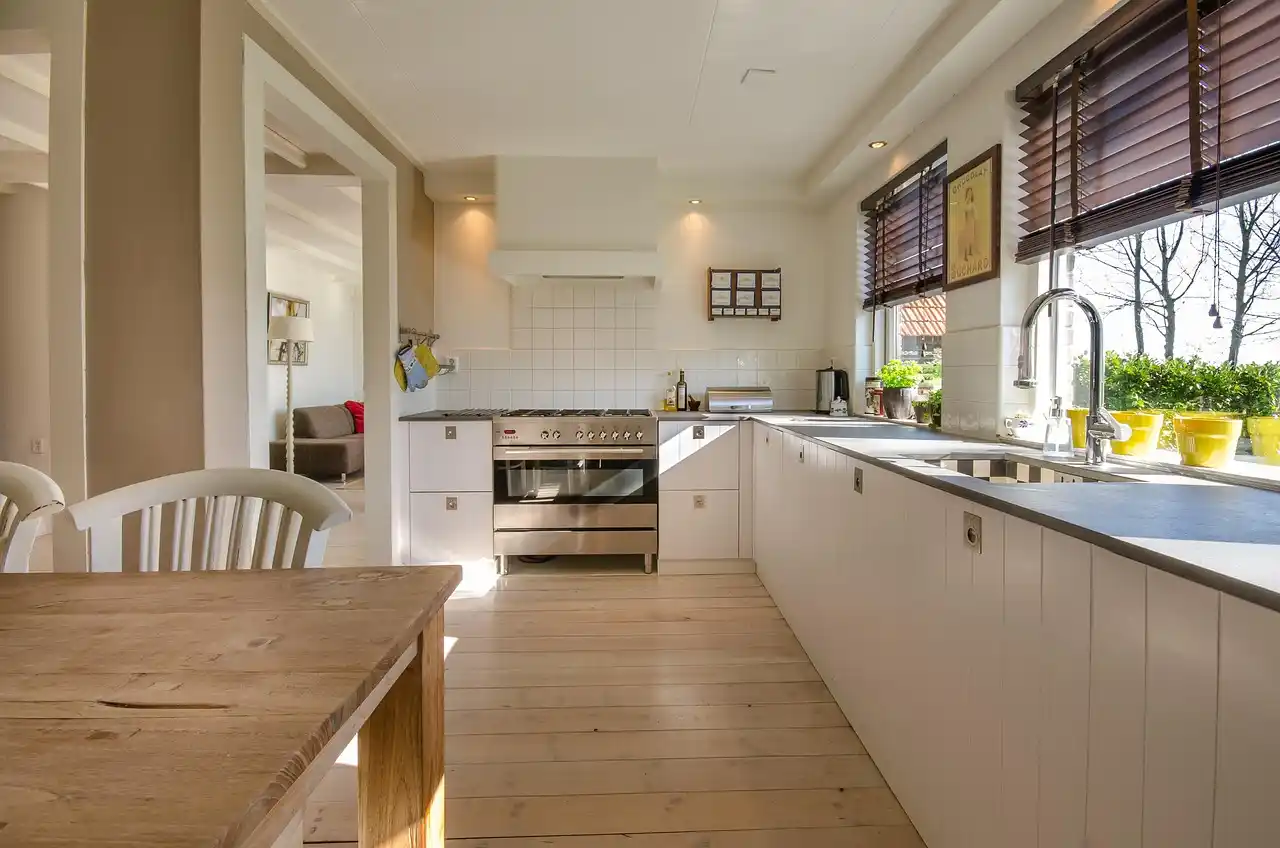
A kitchen remodel on a budget does not mean settling for a space that looks cheap or unfinished. With smart planning, careful material choices, and a clear understanding of where your money will have the biggest impact, you can create a kitchen that feels fresh, functional, and attractive without overspending. Whether you are updating a dated layout or making small cosmetic improvements, the key is to focus on value, not just the lowest price.
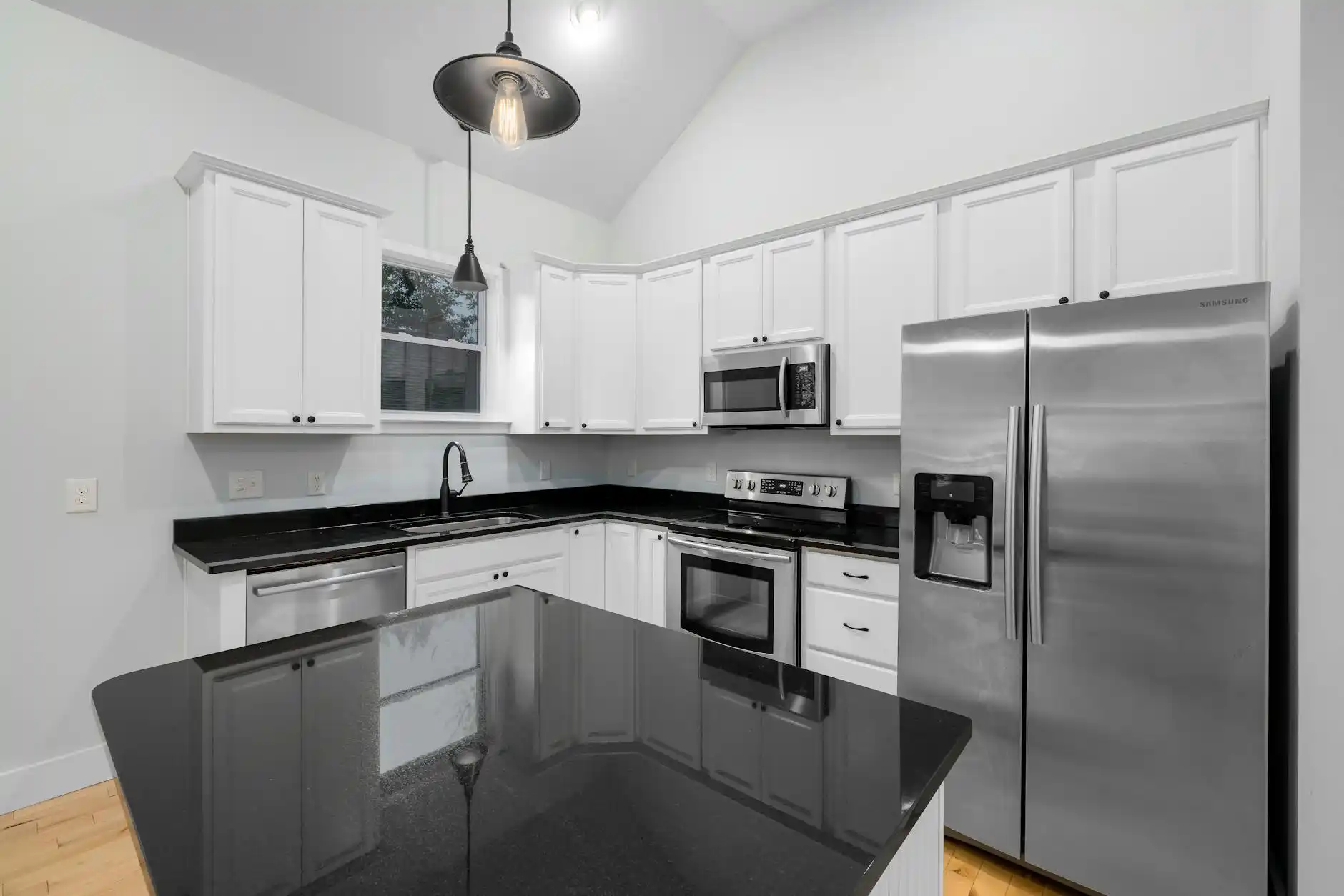
Budget kitchen remodel overview
A successful kitchen remodel on a budget starts with defining your priorities. Ask yourself what bothers you most about the current kitchen. Is it the worn flooring, poor storage, outdated cabinets, weak lighting, or lack of prep space? Once you identify the biggest pain points, you can direct your budget toward improvements that make the strongest visual and practical difference.
In many cases, a budget-friendly remodel focuses on keeping the existing layout. Moving plumbing, gas lines, and electrical connections can dramatically raise costs. By leaving the sink, stove, and dishwasher in their current locations, you can spend more on visible upgrades like cabinet refacing, countertops, fixtures, and lighting.
It also helps to think in phases. If your ideal renovation exceeds your current budget, complete the most important updates first and save less urgent upgrades for later. Homeowners exploring full Kitchen Remodeling options often find that a phased approach reduces financial pressure while still delivering meaningful results.

Where to save vs where to spend
One of the smartest ways to approach a kitchen remodel on a budget is to separate high-impact investments from areas where you can save.
Where to save
- Cabinets: If the cabinet boxes are structurally sound, repainting, refacing, or replacing only the doors is often much cheaper than installing all-new cabinetry.
- Open shelving: In select areas, open shelves can cost less than upper cabinets and make the room feel more open.
- Backsplash: Affordable subway tile, peel-and-stick options, or limited-use accent tile can create style without a premium price.
- Lighting fixtures: Many budget-friendly fixtures offer the same visual appeal as high-end designer pieces.
Where to spend
- Work surfaces: Durable countertops and quality sinks are used daily, so it often makes sense to choose reliable materials that will last.
- Cabinet hardware and hinges: Small details can have a surprisingly big effect on how cabinets look and function.
- Labor for technical work: Electrical, plumbing, and gas-related tasks should be handled properly to avoid expensive future issues.
- Flooring durability: Kitchen floors take heavy wear, so choosing resilient materials matters. If your project includes replacing worn surfaces, professional Flooring Installation may help you avoid uneven finishes and premature damage.
Affordable material alternatives
You do not need luxury materials to get a polished result. Many cost-effective alternatives mimic high-end finishes surprisingly well.
- Laminate countertops: Modern laminate designs can resemble stone or wood at a fraction of the cost.
- Butcher block: This option brings warmth and character and is often more affordable than natural stone.
- Luxury vinyl plank: LVP is a popular flooring choice because it is water-resistant, stylish, and generally less expensive than hardwood or tile.
- Ceramic tile: Often cheaper than porcelain or natural stone, ceramic can still deliver a clean, classic backsplash or floor.
- Ready-to-assemble cabinets: These can lower costs while still offering a fresh new look when chosen carefully.
- Quartz-look surfaces: Some engineered options provide the sleek appearance of premium stone without the same price tag.
Paint is another powerful low-cost upgrade. Fresh cabinet paint, updated wall color, and crisp trim can completely shift the feel of the room. If your cabinets are in good shape, painting them may offer one of the best returns in a kitchen remodel on a budget.
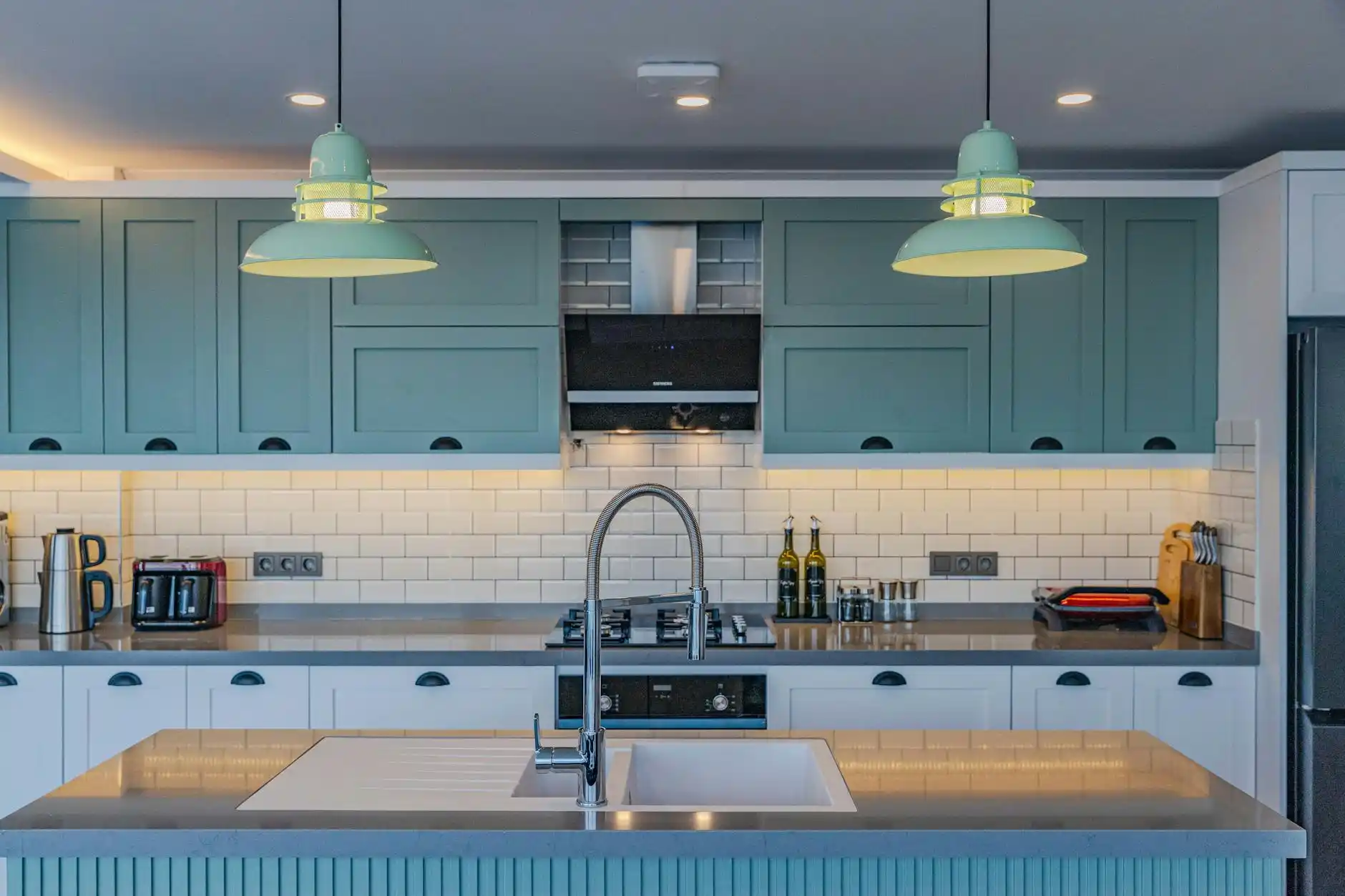
DIY vs professional work
Doing some work yourself can reduce labor costs, but not every task is worth the risk. A budget remodel works best when you combine safe DIY projects with professional help where precision and code compliance matter.
Good DIY candidates
- Painting walls and cabinets
- Installing hardware
- Adding peel-and-stick backsplash
- Demolition of old finishes, if done carefully
- Simple shelving installation
Projects best left to professionals
- Electrical rewiring and panel work
- Plumbing changes
- Gas line adjustments
- Countertop fabrication
- Complex flooring or tile installation
If you misjudge your DIY abilities, mistakes can erase any savings. Water leaks, crooked cabinets, poor ventilation, or improper wiring often cost more to fix later than hiring the right help from the beginning. A balanced strategy is usually the most effective path for a kitchen remodel on a budget.

Cost-cutting strategies
There are several practical ways to lower remodeling costs without sacrificing quality.
- Keep the existing layout. Avoid moving plumbing and appliances unless absolutely necessary.
- Shop clearance and overstock. Many suppliers discount tile, fixtures, sinks, and lighting from discontinued lines.
- Mix high and low materials. Use a statement countertop on the island and more affordable surfaces elsewhere.
- Refinish instead of replace. Cabinets, floors, and even some countertops may be restored rather than removed.
- Buy appliances in packages. Bundled purchases may offer better value than individual pieces.
- Time your remodel strategically. Seasonal promotions and contractor slow periods can lead to lower pricing.
- Reuse what still works. Existing appliances, stools, lighting, or trim may fit beautifully into the updated design.
Another overlooked strategy is reducing waste. Order carefully, measure accurately, and avoid impulse upgrades during construction. Small changes made mid-project can quickly push your remodel beyond budget.
Mistakes to avoid
Even a modest renovation can become expensive if you overlook common pitfalls. Avoid these mistakes:
- Starting without a budget buffer: Set aside extra funds for unexpected repairs, especially in older homes.
- Prioritizing trends over function: A beautiful kitchen should still support cooking, cleaning, and storage needs.
- Choosing the cheapest materials everywhere: Some low-cost products wear out quickly and cost more in the long run.
- Ignoring lighting: Layered lighting improves both style and usability, and it is often more affordable than major structural changes.
- Skipping measurements: Incorrect appliance, cabinet, or flooring dimensions can create costly delays.
- Overdoing DIY: Taking on too much can lead to unfinished work, poor craftsmanship, or safety issues.
The goal of a kitchen remodel on a budget is not simply to spend less. It is to spend wisely so every dollar improves the space in a meaningful way.
Budget planning checklist
Use this checklist before starting your project:
- Set a total maximum budget and a contingency amount
- List must-have upgrades versus nice-to-have features
- Decide whether you will keep the current layout
- Get quotes for labor-intensive or technical work
- Compare material options at different price points
- Confirm measurements for cabinets, appliances, and flooring
- Create a timeline for ordering and installation
- Plan what tasks you can realistically do yourself
- Check local permit requirements if applicable
- Track every purchase to avoid budget creep
When planned carefully, a kitchen remodel on a budget can deliver a major transformation without the stress of overspending. Focus on practical upgrades, choose materials strategically, and invest in workmanship where it counts most.

FAQ
How can I remodel my kitchen on a budget?
Start by setting a clear budget, prioritizing the biggest pain points, and keeping the existing layout whenever possible to avoid costly plumbing or electrical moves. Focus on high-impact updates like painting or refacing cabinets, upgrading lighting, replacing hardware, and choosing affordable materials such as laminate, butcher block, ceramic tile, or luxury vinyl plank.
Where should I save and where should I spend in a budget kitchen remodel?
Save on cabinets by repainting or refacing instead of replacing, choose budget-friendly backsplash and lighting, and consider open shelving in select areas. Spend more on durable countertops, quality sinks, cabinet hardware and hinges, resilient flooring, and professional labor for plumbing, gas, and electrical work.
What are the cheapest ways to update a kitchen without a full renovation?
The cheapest kitchen updates usually include painting cabinets, changing hardware, replacing faucets, updating light fixtures, adding an affordable backsplash, and repainting walls or trim. These small cosmetic changes can refresh the space without the cost of a full renovation.
What kitchen remodeling mistakes should I avoid to stay on budget?
Avoid starting without a budget buffer, moving the layout unnecessarily, choosing the cheapest materials everywhere, skipping measurements, ignoring lighting, and taking on too much DIY work. Mid-project changes and mistakes with plumbing, electrical, or installation can quickly erase your savings.