

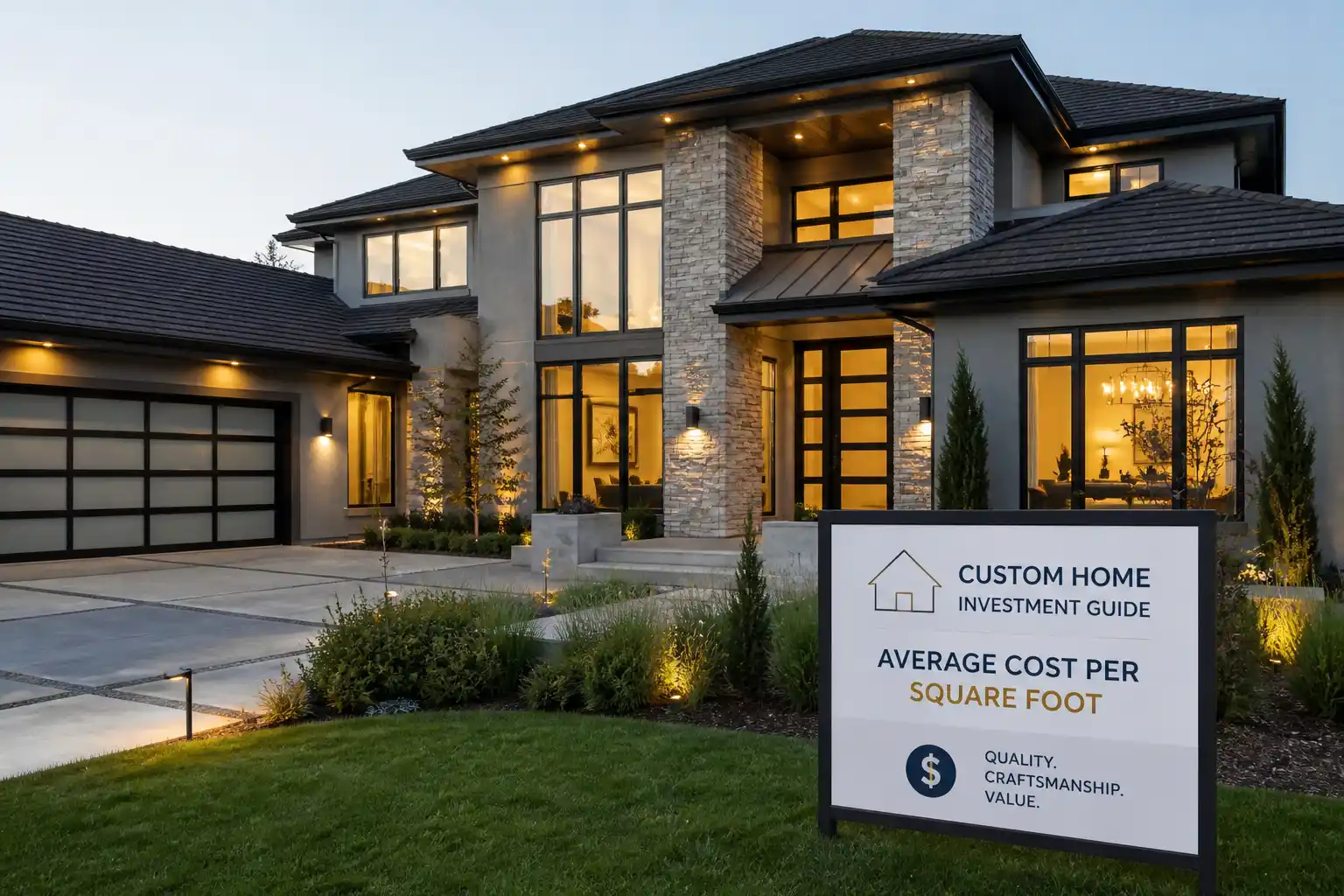
Understanding the average cost per square foot custom home builder quotes can help you plan realistically, compare proposals more accurately, and avoid budget surprises. While many homeowners search for a simple number, custom home pricing depends on much more than the home’s size, including layout efficiency, site conditions, finish selections, and the builder’s process.
In most markets, cost per square foot is best used as a starting point rather than a final answer. A well-informed budget should account for the full scope of work, from architectural design and permitting to utility connections, structural engineering, and interior finishes. If you are early in the planning stage, reviewing Custom home pricing guidance can help you understand how experienced builders frame realistic cost expectations.
How builders calculate square footage in a custom home
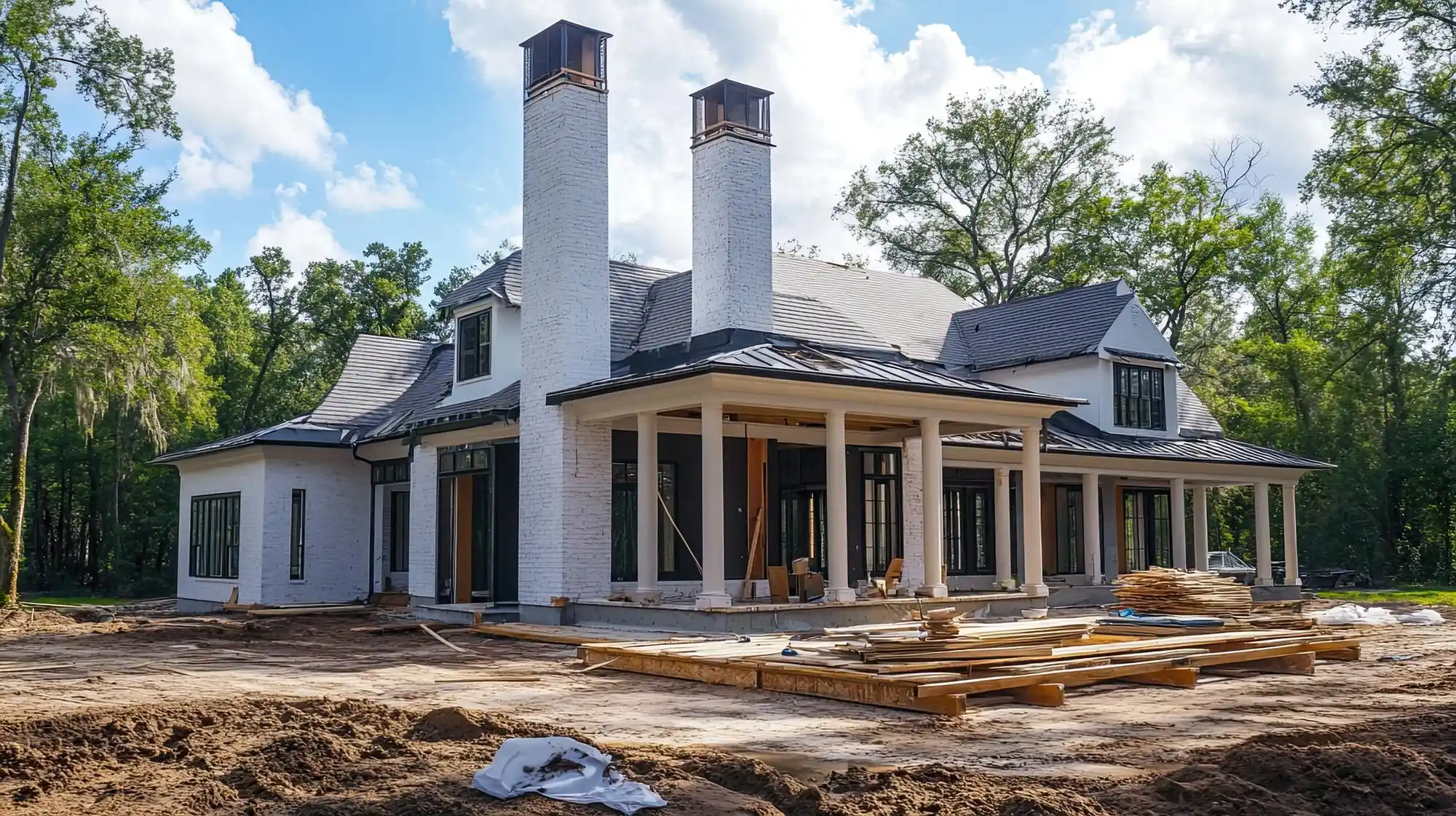
One reason the average cost per square foot custom home builder number can be confusing is that builders do not always calculate square footage the same way. Some use heated living space only, while others include garages, porches, bonus rooms, basements, or covered outdoor areas at reduced rates or in separate line items.
For example, a 3,000-square-foot custom home may include:
- 2,600 square feet of conditioned living area
- 400 square feet of finished bonus space
- 600 square feet of garage area
- 300 square feet of covered patio or porch
If one builder quotes only conditioned space and another blends multiple areas together, the “cost per square foot” can look very different even when total project cost is similar. That is why homeowners should always ask:
- What spaces are included in the square footage calculation?
- Are garages, porches, and basements priced separately?
- Is the figure based on gross, net, or heated square footage?
- Does the number include allowances for finishes and fixtures?
A custom home with open spans, double-height ceilings, extensive glazing, or complex rooflines may cost far more per square foot than a simpler rectangular floor plan, even if the total area is the same.
Why custom home pricing varies widely
The average cost per square foot custom home builder figure varies widely because no two custom homes are truly alike. Unlike production homes, custom projects are shaped by the lot, the design, the client’s preferences, and the level of craftsmanship required.
Major variables include:
- Regional labor and material costs
- Home size and shape efficiency
- Number of stories
- Structural engineering requirements
- Window and door package
- Kitchen and bath complexity
- Energy-efficiency goals
- Outdoor living features
- Schedule and permitting timeline
Smaller homes can actually have a higher cost per square foot because kitchens, bathrooms, and utility systems still carry substantial fixed costs. Likewise, a large home with a straightforward design may cost less per square foot than a smaller home packed with luxury finishes and intricate detailing.
Site conditions and structural complexity
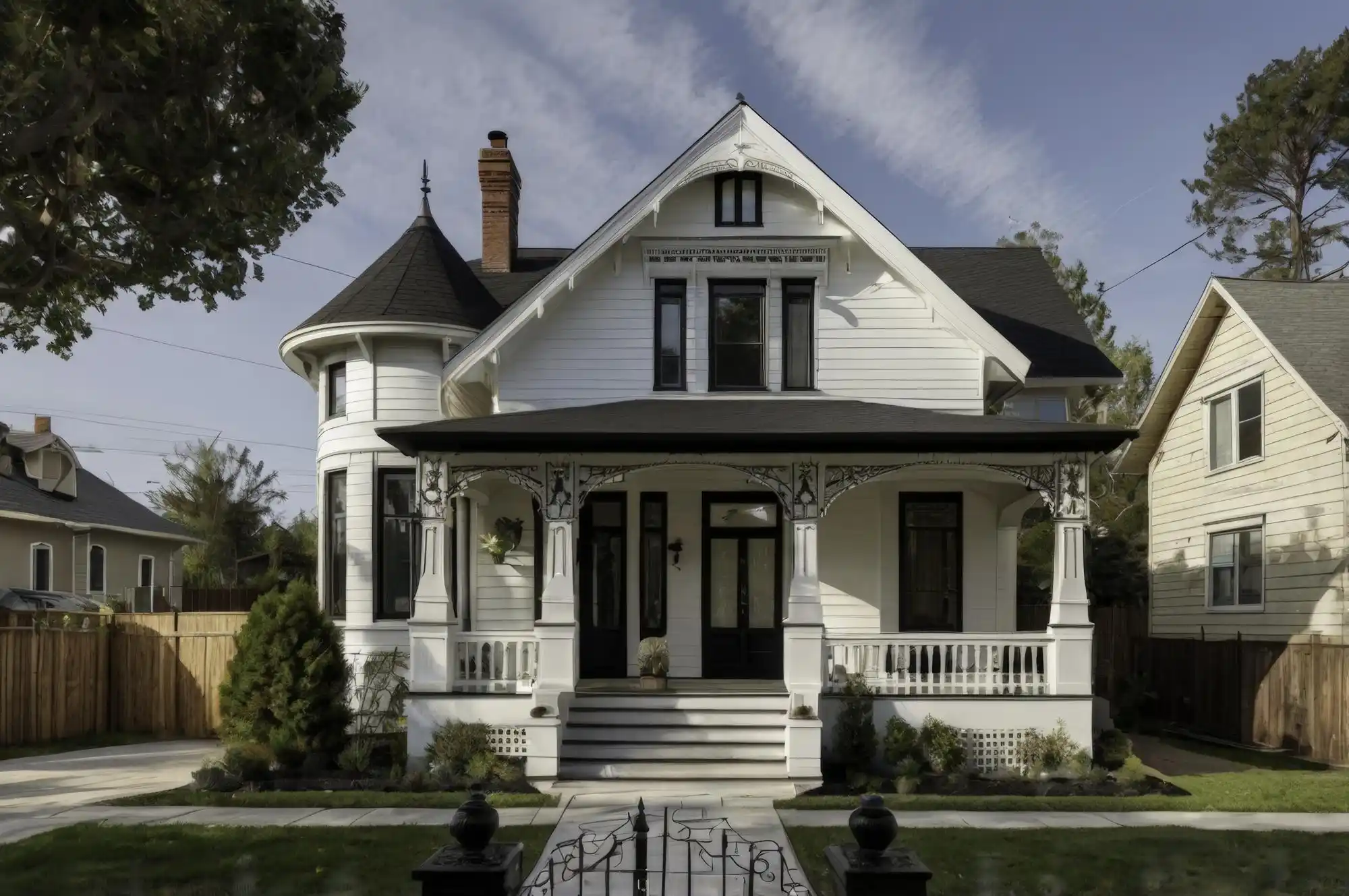
The building site has a major impact on budget. A flat, accessible lot with nearby utilities is generally less expensive to build on than a steep, wooded, narrow, or remote parcel. This is one of the biggest reasons a generic square-foot price can be misleading.
Site-related costs may include:
- Clearing trees and vegetation
- Excavation and grading
- Retaining walls
- Importing or exporting soil
- Long driveways
- Utility trenching and connections
- Stormwater management
- Foundation upgrades for poor soil conditions
Structural complexity also matters. Homes with large cantilevers, expansive sliding glass walls, tall ceiling heights, steel beams, or engineered foundations typically require more labor, more coordination, and more expensive structural systems. Even before finishes are selected, these features can raise the average cost per square foot custom home builder estimates significantly.
This is why early collaboration between design and construction teams is so valuable. Integrated Design-build cost planning can identify cost drivers before plans are finalized, helping you balance your goals with your budget.
Finish level and material selections
Finish quality is one of the most visible reasons custom home costs vary. Two homes with the same square footage and basic layout can end up far apart in price based on interior and exterior selections alone.
Common upgrade categories include:
- Cabinetry: stock, semi-custom, or fully custom
- Countertops: laminate, quartz, marble, or natural stone slabs
- Flooring: LVP, hardwood, wide-plank oak, or tile
- Windows: standard vinyl versus premium aluminum-clad systems
- Exterior cladding: basic siding versus brick, stone, or specialty panel systems
- Plumbing fixtures and appliances
- Built-ins, trim packages, and millwork details
- Smart home and lighting systems
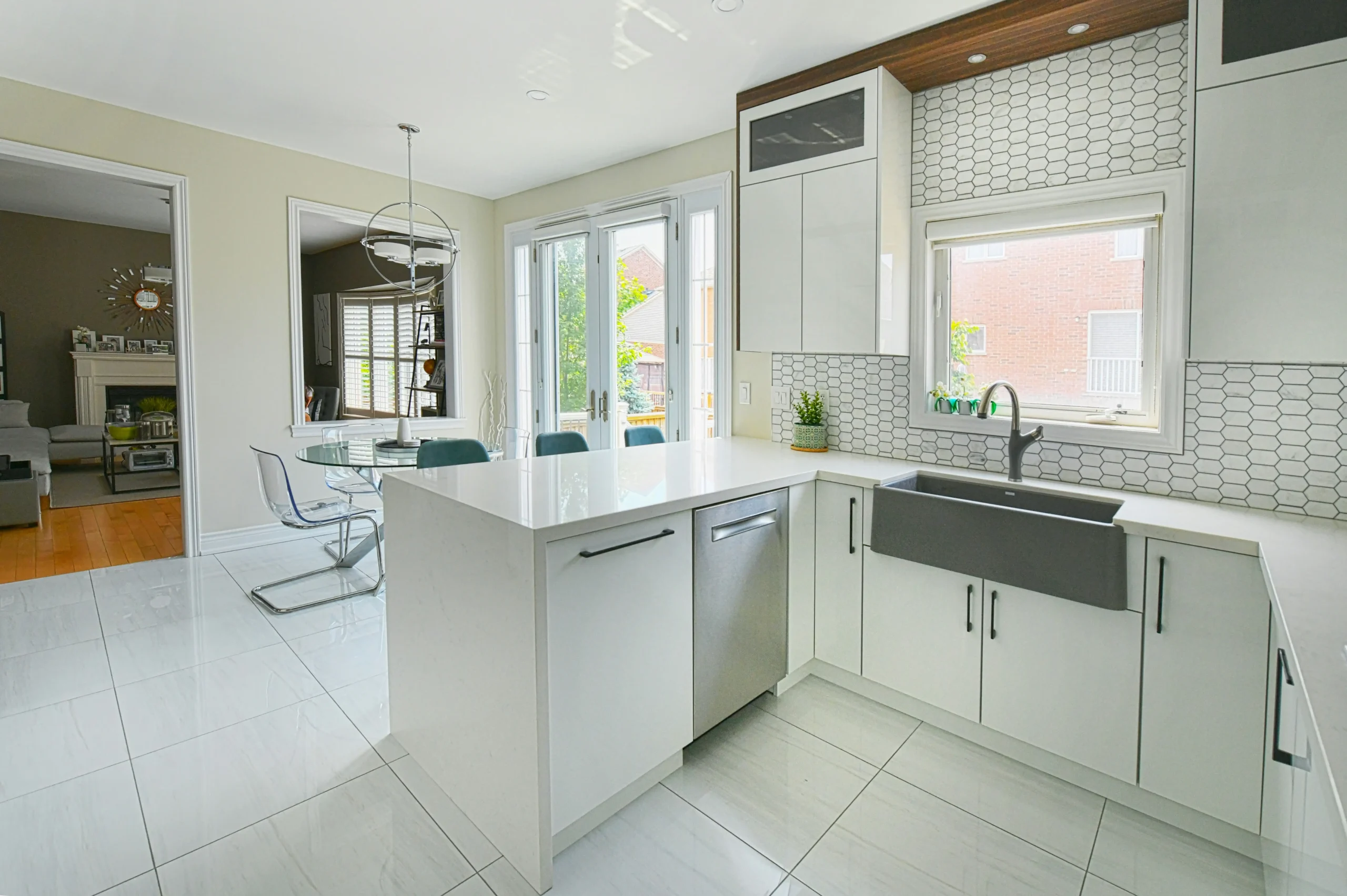
Luxury kitchens and spa-style bathrooms often push pricing upward more than homeowners expect. Imported tile, custom range hoods, integrated appliances, and floor-to-ceiling shower glass add up quickly. Exterior features such as outdoor kitchens, covered living spaces, pools, and extensive landscaping are also frequently excluded from base square-foot assumptions.
Design, permits, and soft costs
When people focus only on construction cost, they often overlook soft costs. These are expenses required to get the home designed, approved, financed, and ready to build. Depending on the project, soft costs can represent a meaningful share of the total budget.
Examples of soft costs include:
- Architectural and drafting fees
- Interior design services
- Structural engineering
- Surveying and geotechnical reports
- Permit and impact fees
- Insurance and lender-related costs
- Temporary utilities and site management
- Contingency funds for unforeseen conditions
Financing structure can also affect your planning. Construction loans, draw schedules, and interest carry should be understood early, especially for larger or more complex projects. If you are evaluating loan options, Financing custom construction is an important part of building a complete project budget.
How to use cost per square foot correctly
The best way to use the average cost per square foot custom home builder metric is as a rough benchmarking tool, not as a guaranteed price. It can help you evaluate whether your design ambitions align with your budget range, but it should never replace a detailed scope-based estimate.
Use cost per square foot correctly by following these principles:
- Compare homes with similar design complexity and finish level.
- Confirm what square footage is being counted.
- Ask whether site work, permits, and soft costs are included.
- Separate base construction cost from allowances and upgrades.
- Expect revisions as plans become more detailed.
If one builder’s square-foot number is much lower than others, that does not automatically mean better value. It may reflect incomplete scope, unrealistic allowances, or exclusions that reappear later as change orders.

Better ways to estimate your total budget
For most homeowners, a total-project approach is more useful than chasing a single square-foot number. A strong estimate should reflect your lot, home design, finish preferences, and schedule, with clear assumptions and allowances.
Better budgeting methods include:
- Preliminary range pricing: A broad early estimate based on similar completed homes
- Concept-based estimating: Pricing tied to initial floor plans and elevations
- Allowance schedules: Transparent budgets for cabinets, flooring, fixtures, and appliances
- Site-specific analysis: Early review of grading, utilities, drainage, and access
- Design-development pricing: Cost updates as plans and specifications become more detailed
This process gives you a clearer understanding of where your money is going and where tradeoffs can be made. It also helps reduce the risk of designing a home that exceeds your financial comfort zone.
If you are ready to move from rough benchmarks to project-specific numbers, the smartest next step is to Request a custom estimate. A tailored estimate will always be more useful than relying on a broad average cost per square foot custom home builder figure alone.
FAQ
What is the average cost per square foot for a custom home builder?
There is no single universal number. The average cost per square foot for a custom home builder depends on local labor and material costs, site work, design complexity, and finish level, so it should be treated as a starting benchmark rather than a final price.
Why does the cost per square foot vary so much for custom homes?
Custom home cost per square foot varies widely because every project is shaped by different lot conditions, floor plan efficiency, structural needs, finish selections, regional costs, and builder scope. Two homes with the same size can have very different total costs.
What is included in a custom home’s cost per square foot?
It depends on the builder’s scope. Cost per square foot may cover conditioned living space and base construction, but garages, porches, basements, site work, permits, utility connections, allowances, and upgrades are often priced separately or only partially included.
Do builders calculate square footage the same way on every custom home?
No. Builders do not always measure square footage the same way. Some quote heated living area only, while others include bonus rooms, garages, porches, or outdoor spaces at separate or reduced rates, which can make comparisons misleading.
How do site conditions affect custom home pricing?
Site conditions can significantly raise pricing. Steep, wooded, narrow, remote, or poor-soil lots may require extra clearing, grading, excavation, retaining walls, utility trenching, stormwater work, or foundation upgrades, all of which increase the total budget.
How do finishes and material selections change the total cost?
Finishes and materials can change the budget dramatically. Cabinetry, countertops, flooring, windows, exterior cladding, appliances, fixtures, trim, and outdoor features can push two similar-sized homes far apart in cost depending on the quality and customization selected.
Are design fees, permits, and other soft costs included in the cost per square foot?
Often they are not fully included. Design fees, engineering, surveys, permits, lender costs, insurance, temporary utilities, and contingency funds are usually treated as soft costs and should be reviewed separately from the base construction square-foot number.
What is the best way to estimate the total budget for a custom home?
The best approach is a total-project estimate based on your lot, concept plans, finish expectations, and builder scope. Early builder involvement, site evaluation, clear allowances, and written inclusions and exclusions are far more accurate than relying on a general square-foot average alone.