


When homeowners ask what warranty should a custom home builder provide, they are really asking how their investment will be protected after construction is complete. A strong custom home warranty should clearly explain what is covered, for how long, how claims are handled, and where builder responsibility ends and manufacturer responsibility begins. In any Custom home building project, warranty terms should be transparent from the contract stage through final walkthrough and post-completion service.

Standard warranty types in custom home construction
If you are evaluating what warranty should a custom home builder provide, it helps to understand the standard layers of protection commonly offered in residential construction. Most custom home warranties include separate coverage periods for workmanship, materials, systems, and structural components.
- One-year workmanship warranty for installation defects, finish issues, and performance problems tied to construction quality
- One- to two-year systems warranty for major mechanical systems such as plumbing, electrical, and HVAC, depending on the builder and local standards
- Ten-year structural warranty for major load-bearing elements and structural failures
- Manufacturer warranties for appliances, windows, roofing products, and other installed materials
Not every builder uses the same timeline, so the important issue is not just the duration but the clarity of the written document. A quality builder should define covered defects, normal homeowner maintenance obligations, exclusions, and the procedure for requesting repairs. Reviewing the builder’s Construction process and follow-up can also reveal how committed they are to service after the job is complete.
Workmanship and material coverage
Workmanship and material coverage is often the first thing homeowners mean when they ask what warranty should a custom home builder provide. This portion of the warranty usually addresses defects caused by improper installation or substandard construction practices rather than homeowner wear and tear.
Typical workmanship and material items may include:
- Interior trim separation beyond normal settling tolerances
- Cabinet door alignment issues caused by installation defects
- Tile cracking related to improper substrate preparation
- Paint failure due to poor application
- Flooring defects tied to installation errors
- Leaks at doors or windows resulting from incorrect flashing or sealing
However, workmanship warranties usually exclude routine maintenance and naturally occurring conditions. For example, minor drywall nail pops, hairline concrete shrinkage cracks, and seasonal wood movement may be considered normal rather than warrantable defects, depending on the warranty standard used.
Homeowners should ask for examples of what the builder has repaired under past workmanship claims. Looking at Client experience reviews can also help confirm whether the builder follows through when issues arise.

Structural warranty expectations
A structural warranty is one of the most important parts of the answer to what warranty should a custom home builder provide. Structural coverage generally applies to major failures in the home’s load-bearing components, not cosmetic issues or minor settling.
Structural elements commonly covered include:
- Foundation systems
- Load-bearing walls
- Beams and girders
- Roof framing
- Floor framing systems
The key word is major. A true structural defect usually means an actual failure that affects the home’s safety, stability, or load-bearing performance. Cosmetic cracks, small floor squeaks, or minor unevenness generally do not meet the threshold for structural claims.
Builders may provide structural coverage directly or through a third-party warranty company. Either approach can work, but homeowners should verify who is financially responsible, what the claim standard is, and whether transferability applies if the home is sold during the warranty period.
Manufacturer warranties vs builder warranty
One common source of confusion is the difference between product warranties and the builder’s own warranty. Understanding that distinction is essential when deciding what warranty should a custom home builder provide.
Manufacturer warranties apply to specific products installed in the home, such as:
- Appliances
- Water heaters
- HVAC equipment
- Windows and doors
- Roof shingles
- Flooring materials
Builder warranties cover the builder’s labor, installation methods, and overall construction responsibility. For example, if a window seal fails, the manufacturer may cover the glass unit. If the window leaks because it was improperly installed, that is generally the builder’s responsibility.
Homeowners should receive all manufacturer warranty documents, registration instructions, and maintenance requirements before or at move-in. Some product warranties become void if registration deadlines are missed or if maintenance instructions are not followed.
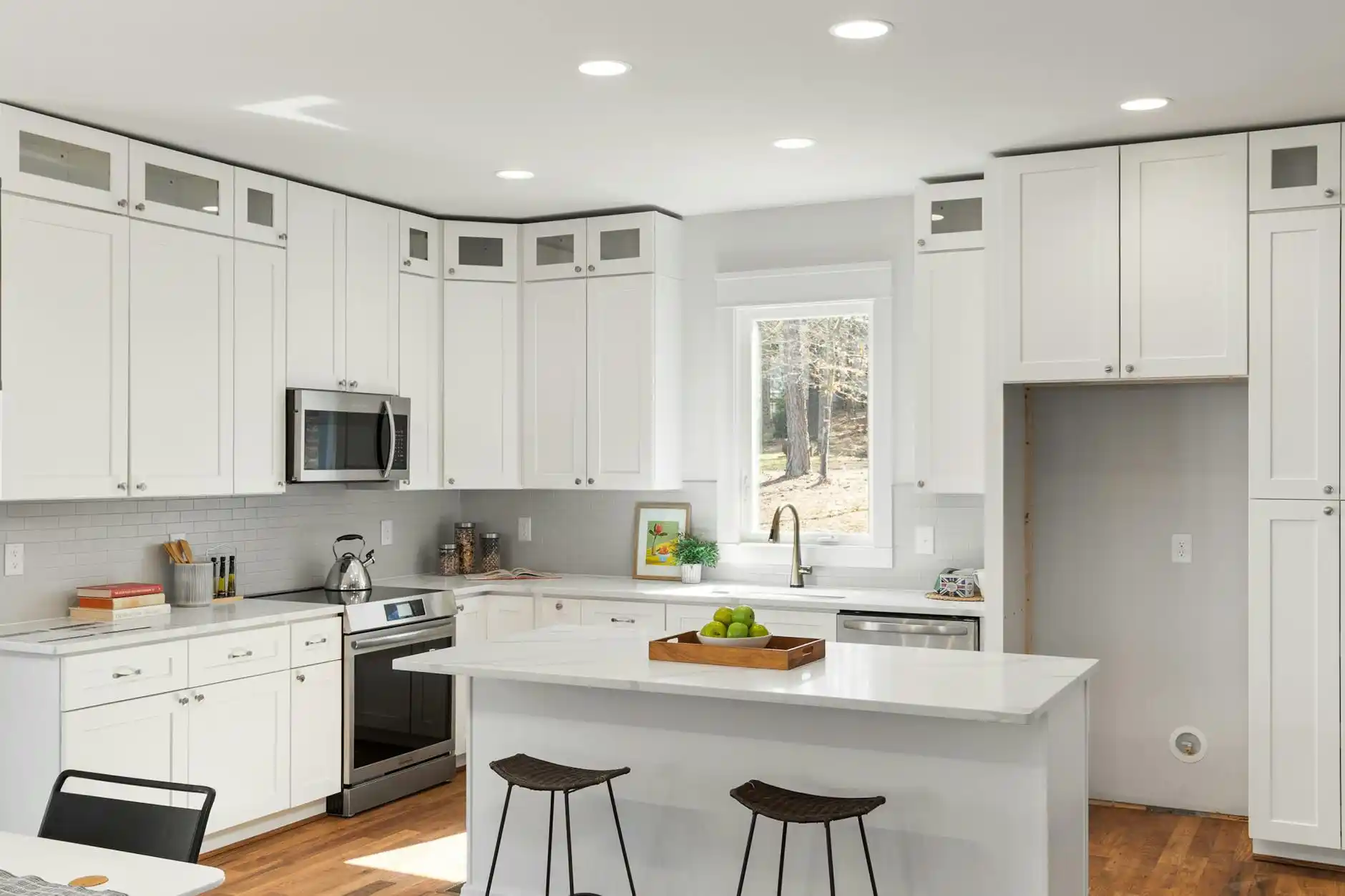
What should be documented before move-in
Before taking possession of the home, homeowners should make sure the warranty file is complete. A professional builder should document the condition of the property and provide a clear handoff package.
Important items to collect before move-in include:
- Written builder warranty with coverage periods, exclusions, and claim instructions
- Final walkthrough checklist noting incomplete or corrected items
- Manufacturer manuals and warranty certificates for installed products and equipment
- Maintenance guidelines for flooring, countertops, roofing, HVAC, drainage, and exterior finishes
- Subcontractor and service contact list when applicable
- Photos or documentation of final condition for key finishes and features
This documentation protects both the homeowner and the builder. It establishes the baseline condition of the home, clarifies expectations, and reduces future disputes about whether an issue is new, pre-existing, maintenance-related, or actually warrantable.
Warranty service process after completion
A warranty is only as good as the service process behind it. When considering what warranty should a custom home builder provide, ask how post-completion support works in practice.
A strong warranty service process should include:
- A clear point of contact for service requests
- Defined response times for urgent and non-urgent issues
- Instructions for emergency situations such as active leaks or electrical hazards
- Scheduled follow-up reviews, often at 30 days, 11 months, or one year
- A method for documenting claims in writing
- Reasonable repair scheduling and communication expectations
Many builders handle warranty items more efficiently when homeowners submit photos, dates, and a concise description of the problem. Homeowners should also understand that some issues are seasonal and may need to be reviewed under certain weather conditions before repairs are completed.
If you want to understand how service and communication continue after the build, it is wise to Contact United Signature and ask how warranty requests are tracked and resolved.

Questions to ask about coverage
Before signing a contract, homeowners should ask direct questions about what warranty should a custom home builder provide. The answers can reveal whether the builder is organized, experienced, and prepared to stand behind their work.
- What is covered under workmanship, systems, and structural warranty periods?
- What is specifically excluded from coverage?
- Do you provide the warranty directly or through a third-party provider?
- How are warranty claims submitted and documented?
- What are your typical response times?
- Are manufacturer warranties transferred to the homeowner at closing?
- What maintenance is required to keep coverage valid?
- Are cosmetic settling issues addressed during a scheduled post-move-in review?
- Is the structural warranty transferable if the home is sold?
The best builders answer these questions clearly and in writing. If warranty language is vague, overly limited, or difficult to obtain before contract signing, that is a red flag.
FAQ
What does a standard custom home builder warranty typically cover?
A standard custom home builder warranty typically covers workmanship and material defects, some major mechanical systems such as plumbing, electrical, and HVAC for a limited period, and major structural defects in load-bearing components. It should also clearly explain exclusions, homeowner maintenance responsibilities, and how claims are handled.
How long should workmanship, materials, and structural warranties last?
A common structure is about one year for workmanship and materials, one to two years for major systems, and up to ten years for major structural defects. The exact timeframes should always be stated clearly in writing.
What is the difference between a builder warranty and a manufacturer warranty?
A builder warranty covers the builder’s labor, installation quality, and construction-related responsibility, while a manufacturer warranty covers specific products such as appliances, windows, roofing materials, or HVAC equipment. For example, a product failure may be covered by the manufacturer, but an installation error is usually the builder’s responsibility.
What items should be documented before move-in for warranty purposes?
Before move-in, homeowners should collect the written builder warranty, final walkthrough checklist, manufacturer manuals and warranty certificates, maintenance guidelines, service contact information, and photos or records showing the home’s final condition. This helps establish what was complete, what was corrected, and what may qualify as a future claim.
How should a custom home builder handle warranty service requests after completion?
The builder should provide a clear point of contact, written claim instructions, response times for urgent and non-urgent issues, and a documented process for tracking repairs. A strong service process also includes reasonable scheduling, communication, and follow-up reviews after move-in.
What questions should I ask a custom home builder about warranty coverage before signing?
Ask what is covered under workmanship, systems, and structural warranties, what is excluded, who backs the warranty, how claims are submitted, what response times to expect, what maintenance is required, whether cosmetic settling issues are reviewed after move-in, whether manufacturer warranties are transferred at closing, and whether structural coverage is transferable if the home is sold.