

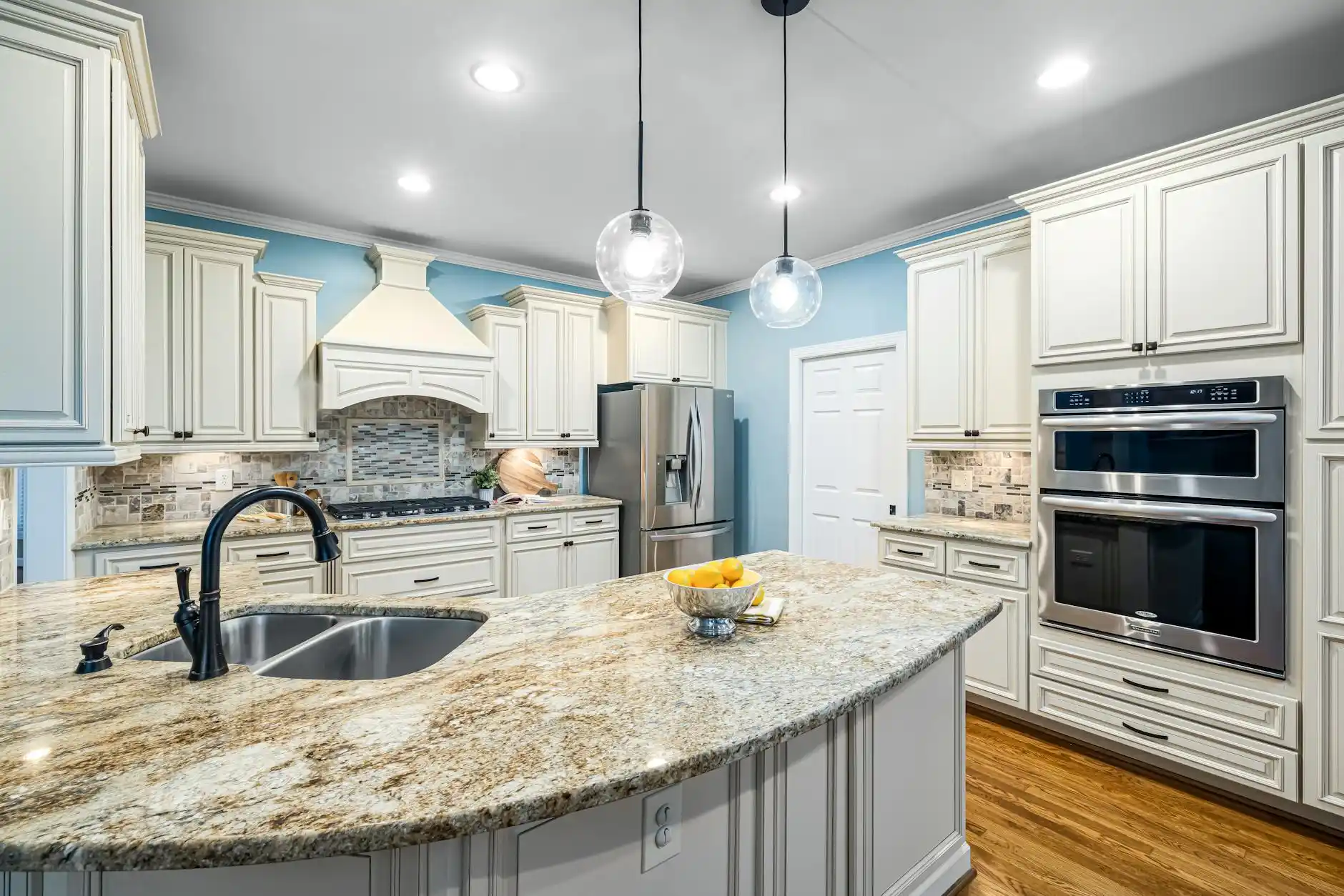
Today’s homeowners want more than square footage and curb appeal—they want convenience, efficiency, and control built into everyday living. That is why smart home features in custom builds have become a major priority during the planning stage, especially when owners can integrate technology cleanly before walls are closed. From whole-home automation to energy tracking and connected kitchens, the best systems improve comfort while supporting long-term value. With thoughtful Custom home design planning, these upgrades can feel seamless rather than added on later.
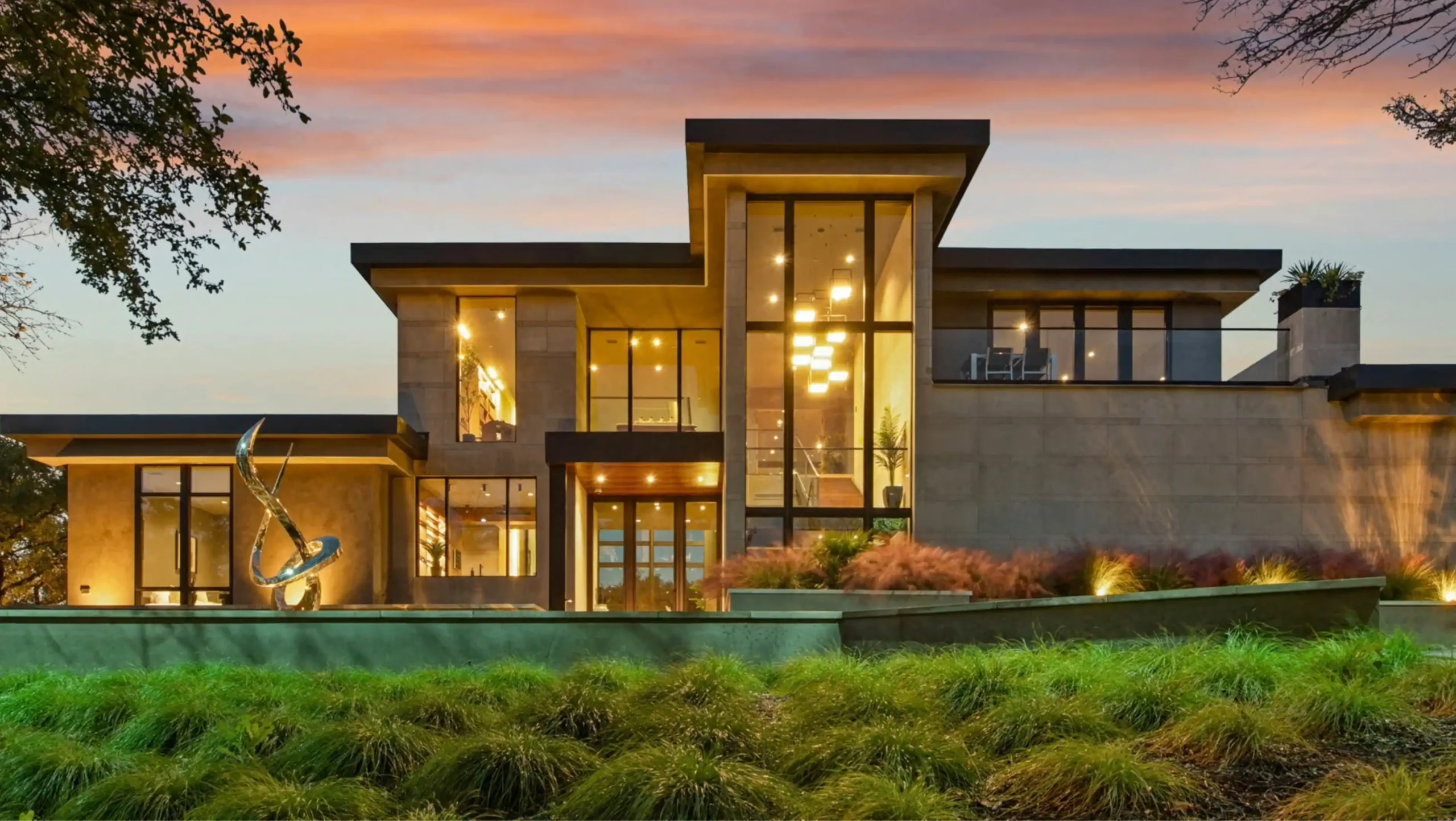
Most popular smart home features for custom builds
The most requested smart home features in custom builds typically center on convenience, security, and energy savings. Homeowners are often looking for systems that work together through one app, voice assistant, or central control panel. In a custom home, that level of integration is easier to achieve because wiring, hub placement, and device compatibility can be planned in advance.
Popular features include:
- Smart thermostats with room-by-room climate control
- Automated lighting scenes and occupancy-based lighting
- Video doorbells, smart locks, and whole-home security systems
- Motorized shades integrated with daylight and temperature settings
- Multi-room audio and home entertainment controls
- Leak detectors and water shutoff systems
- Smart appliances in kitchens, laundry rooms, and utility spaces
- Energy monitoring dashboards and solar integration tools
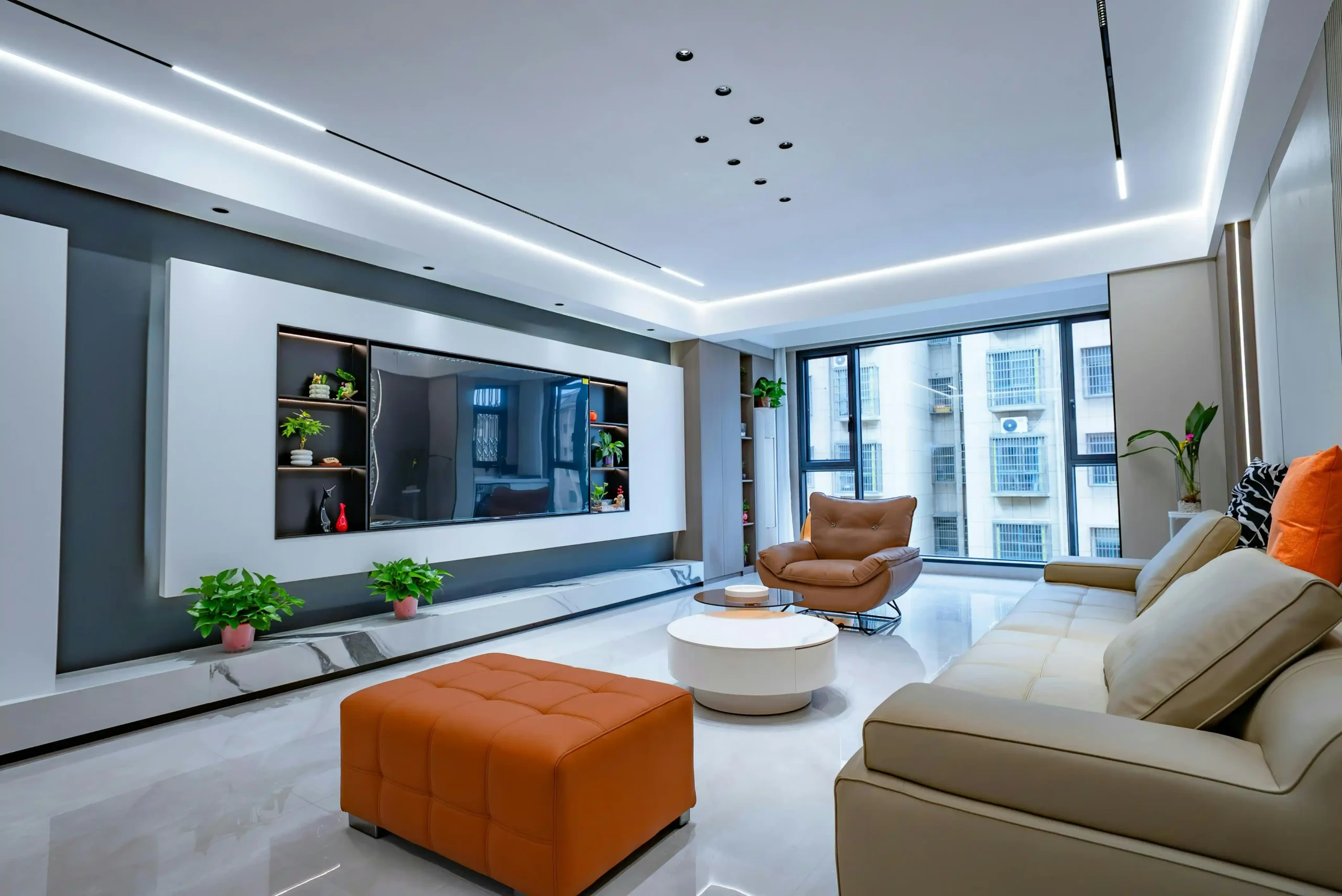
Many homeowners also want these technologies to remain discreet. Built-in speakers, hidden wiring, flush-mounted touch panels, and centralized equipment closets help preserve a clean architectural look while still delivering high performance.
Lighting, climate, and security automation
Lighting, HVAC, and security form the core of most automation systems. These are often the first smart home features in custom builds because they affect daily comfort and offer immediate practical benefits.
Smart lighting
Smart lighting does more than turn lights on and off from a phone. It can create routines that match the way a family lives. For example, a “morning” scene may gently brighten kitchen and hallway lighting, while an “evening” mode can dim living areas and switch on exterior fixtures. Motion sensors in closets, pantries, mudrooms, and bathrooms also improve convenience and reduce wasted energy.
Climate automation
Zoned heating and cooling is especially valuable in larger homes, multistory layouts, and houses with expansive glass. Smart thermostats can adjust temperatures based on occupancy, time of day, or weather conditions. Some systems also monitor humidity and indoor air quality, helping support comfort year-round.
Security systems
Security technology now extends well beyond alarms. Homeowners often choose:
- Smart locks with keyless entry and temporary access codes
- Doorbell cameras with two-way communication
- Exterior surveillance cameras with mobile alerts
- Integrated garage door monitoring
- Window and door sensors tied to a central platform
When paired with professional Design-build services, these systems can be integrated early so cameras, wiring, routers, and control hubs are located strategically rather than visibly retrofitted later.
Smart kitchens and connected appliances
The kitchen is one of the most active areas of the home, so it is no surprise that connected appliances are rising in demand. Smart ovens can preheat remotely, refrigerators can track temperature and alerts, and dishwashers can send cycle notifications to a phone. Faucets with touchless or voice activation are also becoming common in upscale homes.
These systems are most effective when they support real use rather than novelty. For example, a connected coffee station, lighting preset for meal prep, and app-controlled ventilation may be far more valuable than highly specialized gadgets that see little daily use.
Good planning matters here, especially for appliance placement, electrical needs, charging drawers, and Wi-Fi reliability. Homeowners exploring Kitchen remodeling technology often bring those same priorities into a new custom build: streamlined functionality, hidden charging, integrated speakers, and appliances that match a busy household.
Energy monitoring and efficiency tools
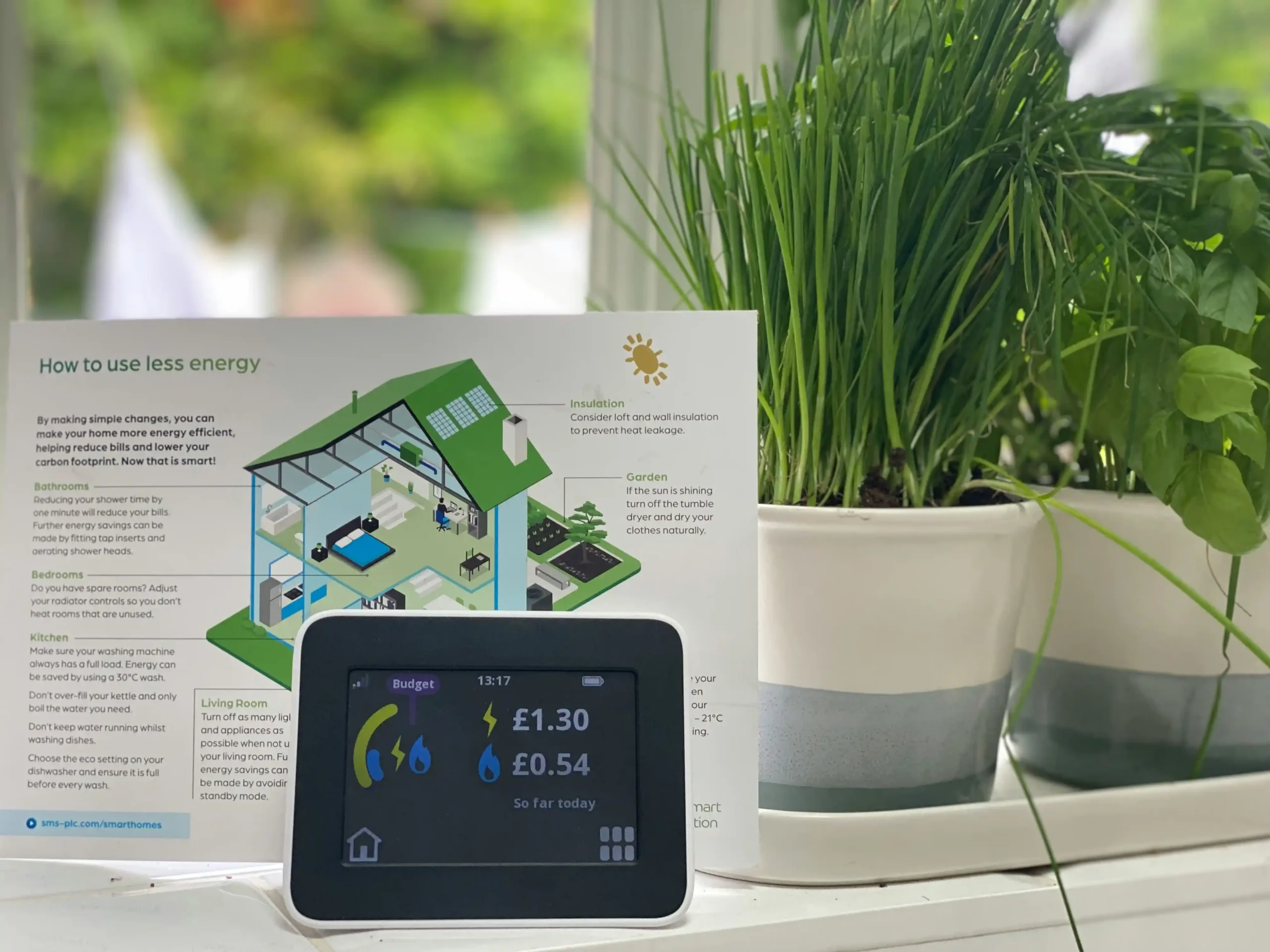
Many of the most useful smart home features in custom builds are focused on efficiency. Homeowners want better insight into how their home uses power and water, along with automation that lowers utility costs without sacrificing comfort.
Common energy-focused tools include:
- Whole-home energy monitoring systems
- Smart panels that track circuit-level electricity use
- Solar production and battery storage dashboards
- Automated irrigation controls based on weather data
- Smart leak detection and shutoff valves
- EV charger readiness and charging management
These features can be especially valuable in larger homes where small inefficiencies add up quickly. Real-time monitoring allows owners to identify overused systems, adjust schedules, and make informed decisions about future upgrades. In many cases, energy-smart planning aligns naturally with broader Luxury home upgrades such as premium windows, high-performance insulation, and advanced HVAC systems.
Low-voltage wiring and future-proof planning
One of the smartest decisions in any new home is investing in infrastructure before it becomes difficult or expensive to add later. Even wireless devices often perform better when supported by strong wired backbones, access points, and dedicated low-voltage planning.
Important future-proofing considerations include:
- Running low-voltage wiring to key rooms for internet, AV, security, and control systems
- Installing conduit in strategic locations for future upgrades
- Planning centralized equipment space with ventilation and service access
- Ensuring strong Wi-Fi coverage through professionally placed access points
- Preparing for solar, battery backup, EV chargers, and future appliance loads
This planning stage is where smart home features in custom builds deliver the greatest long-term value. Homeowners may not install every system immediately, but if the wiring and pathways are in place, they can expand much more easily as needs change.
Privacy and maintenance considerations
Connected homes should be convenient, but they should also be secure and manageable. Every smart device adds another point of connection, which is why privacy and maintenance deserve attention from the start.
Homeowners should ask about:
- Data privacy policies for cameras, speakers, and cloud-connected devices
- Strong password and network security practices
- Software updates and long-term device support
- Battery replacement schedules for sensors and locks
- Compatibility across brands and platforms
Choosing too many disconnected apps can create frustration. A simpler ecosystem with fewer, higher-quality platforms is often easier to maintain. It is also wise to select products from established manufacturers with reliable support, especially for critical systems like locks, alarms, and thermostats.

Prioritizing smart upgrades within budget
Not every home needs every available feature. The best approach is to prioritize the upgrades that align with how the household actually lives. In many cases, homeowners start with foundational systems and add specialty features over time.
A practical budget strategy might look like this:
- High priority: structured wiring, Wi-Fi planning, smart thermostat, security, and exterior lighting
- Mid priority: lighting scenes, smart locks, leak detection, and key appliance integration
- Optional premium upgrades: motorized shades, whole-home audio, advanced energy dashboards, and luxury entertainment systems
By focusing first on infrastructure and daily-use functions, homeowners can avoid overspending on features that may not deliver lasting value. This is especially important in custom construction, where technology should support the architecture and lifestyle rather than dominate it.
Ultimately, the most successful smart home features in custom builds are the ones that feel intuitive, reliable, and worth using every day.
FAQ
Which smart home features are most popular in new custom builds?
The most popular smart home features in custom builds include smart thermostats with zoned climate control, automated lighting, video doorbells, smart locks, security cameras, leak detection with shutoff valves, connected appliances, motorized shades, whole-home audio, and energy monitoring systems.
What smart lighting, climate, and security systems should I include in a custom home?
Start with daily-use systems: smart lighting scenes with motion sensors, zoned HVAC with a smart thermostat, and integrated security with smart locks, doorbell cameras, exterior cameras, garage monitoring, and window and door sensors tied to one control platform.
Are smart kitchens and connected appliances worth adding in a custom build?
Yes, if they support everyday use. Smart kitchens are most worthwhile when they add practical convenience, such as remote oven control, refrigerator alerts, touchless faucets, charging drawers, integrated lighting presets, and reliable Wi-Fi for connected appliances.
How can smart home technology improve energy efficiency in a new custom home?
Smart home technology can improve efficiency through whole-home energy monitoring, smart electrical panels, weather-based irrigation controls, zoned HVAC automation, leak detection, EV charging management, and solar or battery dashboards that help homeowners track and reduce utility use.
What low-voltage wiring should I plan for in a custom build?
Plan low-voltage wiring for internet, Wi-Fi access points, security cameras, AV systems, touch panels, doorbells, and control hubs, plus conduit to key locations so future upgrades can be added without opening walls later.
How do I future-proof a custom home for new smart technology?
Future-proof a custom home by investing early in structured wiring, strong Wi-Fi coverage, centralized equipment space with ventilation, conduit runs for later additions, and electrical readiness for solar, battery backup, EV chargers, and higher appliance loads.
What privacy and maintenance issues should I consider with smart home systems?
Key considerations include data privacy for cameras and cloud-connected devices, strong passwords and network security, software update support, battery replacement schedules for sensors and locks, and choosing compatible products from established brands to avoid a hard-to-manage mix of apps and devices.
How can I prioritize smart home upgrades to fit my budget?
Prioritize infrastructure and daily-use features first: structured wiring, Wi-Fi planning, smart thermostats, security, and exterior lighting. Then add lighting scenes, smart locks, leak detection, and appliance integration, with premium options like motorized shades, whole-home audio, and advanced energy dashboards added later if budget allows.