

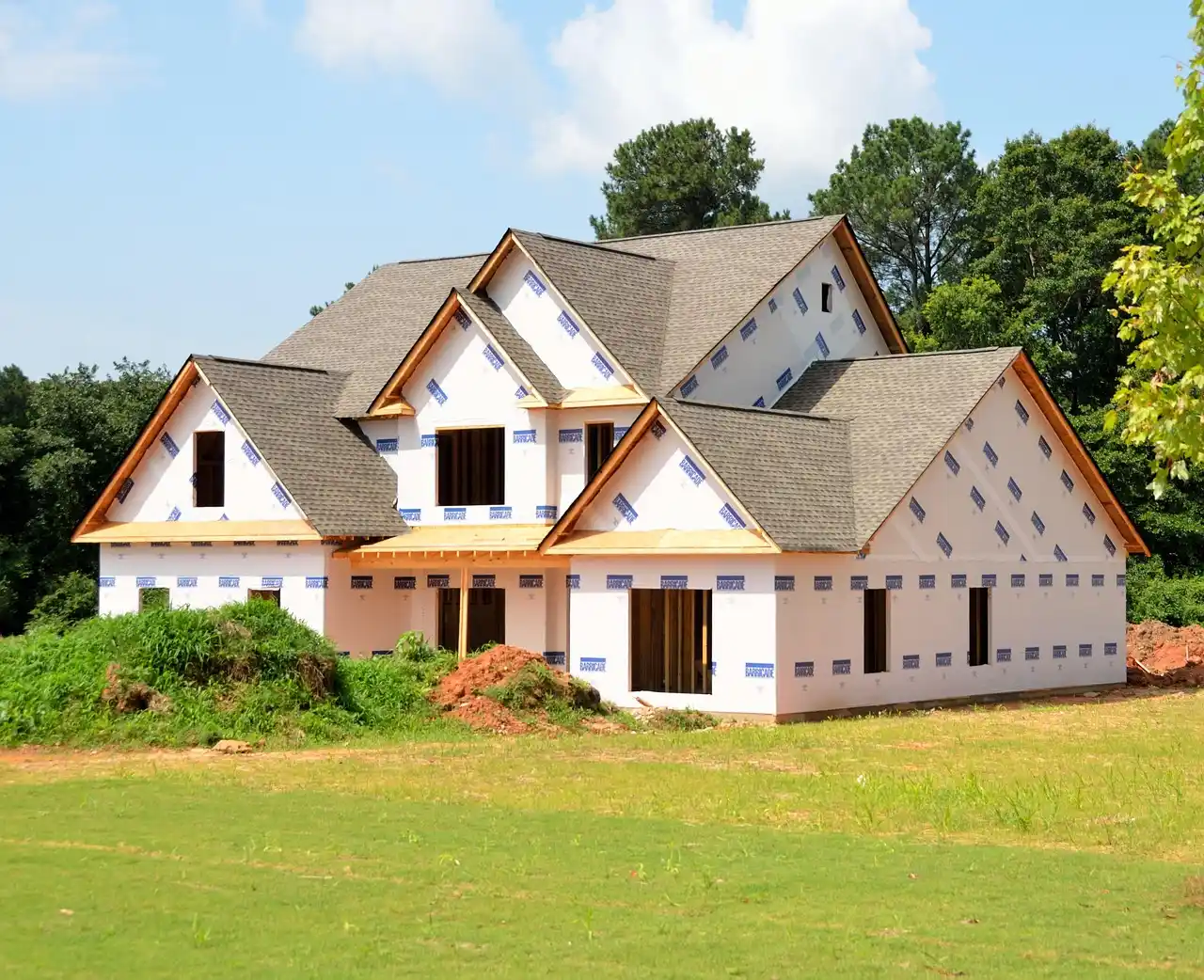
Choosing between a custom home builder vs production builder is one of the most important decisions in the homebuilding process. The right option depends on your budget, timeline, design expectations, and how much control you want over the finished home. While both builder types can deliver a new house, they differ significantly in personalization, pricing structure, lot options, and construction experience.
For homeowners who want a one-of-a-kind residence tailored to their lifestyle, Custom home builder services often provide the highest level of flexibility and collaboration. Others may prefer the speed, predictability, and streamlined choices offered by production communities. Understanding the trade-offs will help you move forward with confidence.

Custom builder vs production builder explained
When comparing a custom home builder vs production builder, the core difference is how the home is designed and delivered.
A custom home builder typically creates a home around the homeowner’s vision, lot conditions, and priorities. The floor plan, layout, materials, finishes, and architectural details can often be tailored from the ground up. This route is common for buyers building on a private lot or creating a high-end home with specific design goals.
A production builder usually constructs multiple homes in a planned community using a limited set of floor plans and design packages. Buyers select from pre-designed models, then choose from available upgrades and finishes. The process is more standardized, which can reduce complexity and speed up construction.
In many cases, a production builder is ideal for efficiency, while a custom builder is better for originality and control. Some homeowners also benefit from a Design-build approach, where design and construction are integrated under one team to simplify communication and align budget, planning, and execution.
Design flexibility comparison
Design flexibility is often the biggest deciding factor in the custom home builder vs production builder debate.
With a custom builder, you can usually influence nearly every aspect of the home, including:
- Overall architectural style
- Room sizes and layout flow
- Kitchen configuration and storage planning
- Window placement for views and natural light
- Energy-efficient features and smart home systems
- Specialty spaces such as wine rooms, gyms, offices, or guest suites
This is especially valuable if your family has unique needs or if you want the home to reflect a specific lifestyle.
Production builders offer much less flexibility. Most buyers choose from a menu of floor plans and pre-selected structural options. You may be able to add a bonus room, extend a patio, or upgrade cabinets and flooring, but major changes are usually limited or not allowed. That constraint can be a downside for buyers who want a highly personalized home, but it can be a benefit for those who prefer a simpler decision-making process.
Cost and timeline differences
Cost is another major factor when weighing a custom home builder vs production builder. In general, production homes are more affordable on a price-per-square-foot basis. Builders purchase materials in volume, use repeatable plans, and streamline labor across many homes, creating economies of scale.
Custom homes are often more expensive because they involve individualized design, specialized construction details, site-specific engineering, and broader finish selections. Unexpected costs can also arise from lot preparation, utility access, grading, or material upgrades.
That said, price should be evaluated in context. A production home may start at a lower base price, but upgrades can add up quickly. A custom builder may cost more upfront, yet the result can better meet long-term needs and reduce the desire for future renovations.
Timeline differences matter too:
- Production builder: generally faster, especially for inventory or semi-custom homes
- Custom builder: usually longer due to design development, permitting, material sourcing, and individualized construction
If speed and predictability are priorities, a production builder may be the better fit. If you are willing to invest more time for a more tailored outcome, custom building is often worth it.
Lot selection and neighborhood limitations
Lot choice can dramatically affect your decision.
Custom builders often work on private lots, tear-down sites, estate properties, or unique parcels with views, slopes, or unusual dimensions. This flexibility gives homeowners more control over location, orientation, privacy, and outdoor living design. If you already own land or want to build in a specific area, a custom builder is usually the logical choice.
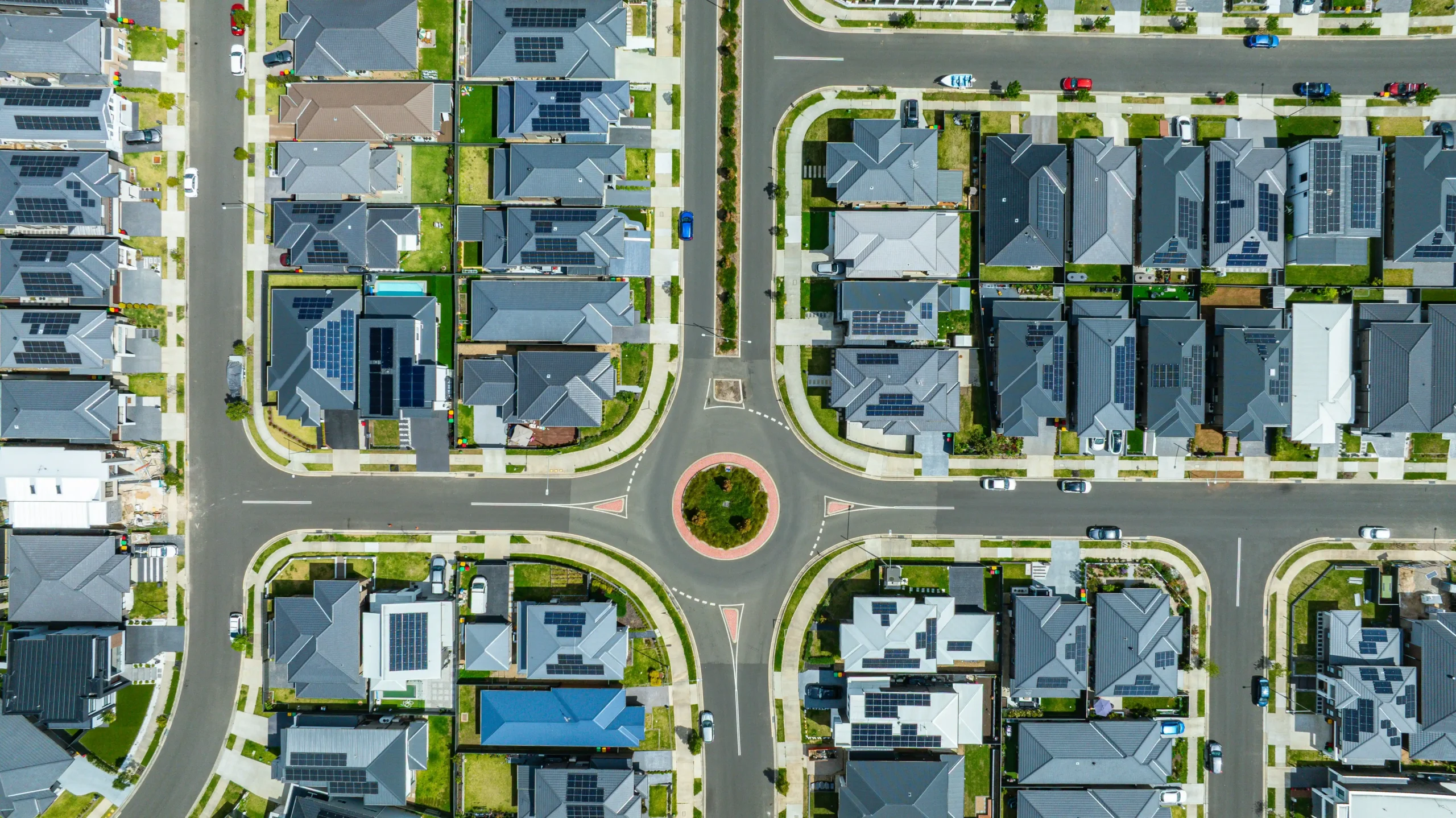
Production builders typically build within master-planned communities or subdivisions where the developer controls the lots, home models, setbacks, and overall neighborhood look. This can be convenient because the infrastructure, roads, and utilities are already in place. Many buyers also appreciate community amenities such as parks, pools, and schools nearby.
However, there may be restrictions on exterior colors, elevations, fence styles, landscaping, or home placement. If you value individuality and site-specific design, these limitations may feel restrictive.
Material quality and finish control
Material selection and finish control often separate a custom home experience from a production one.
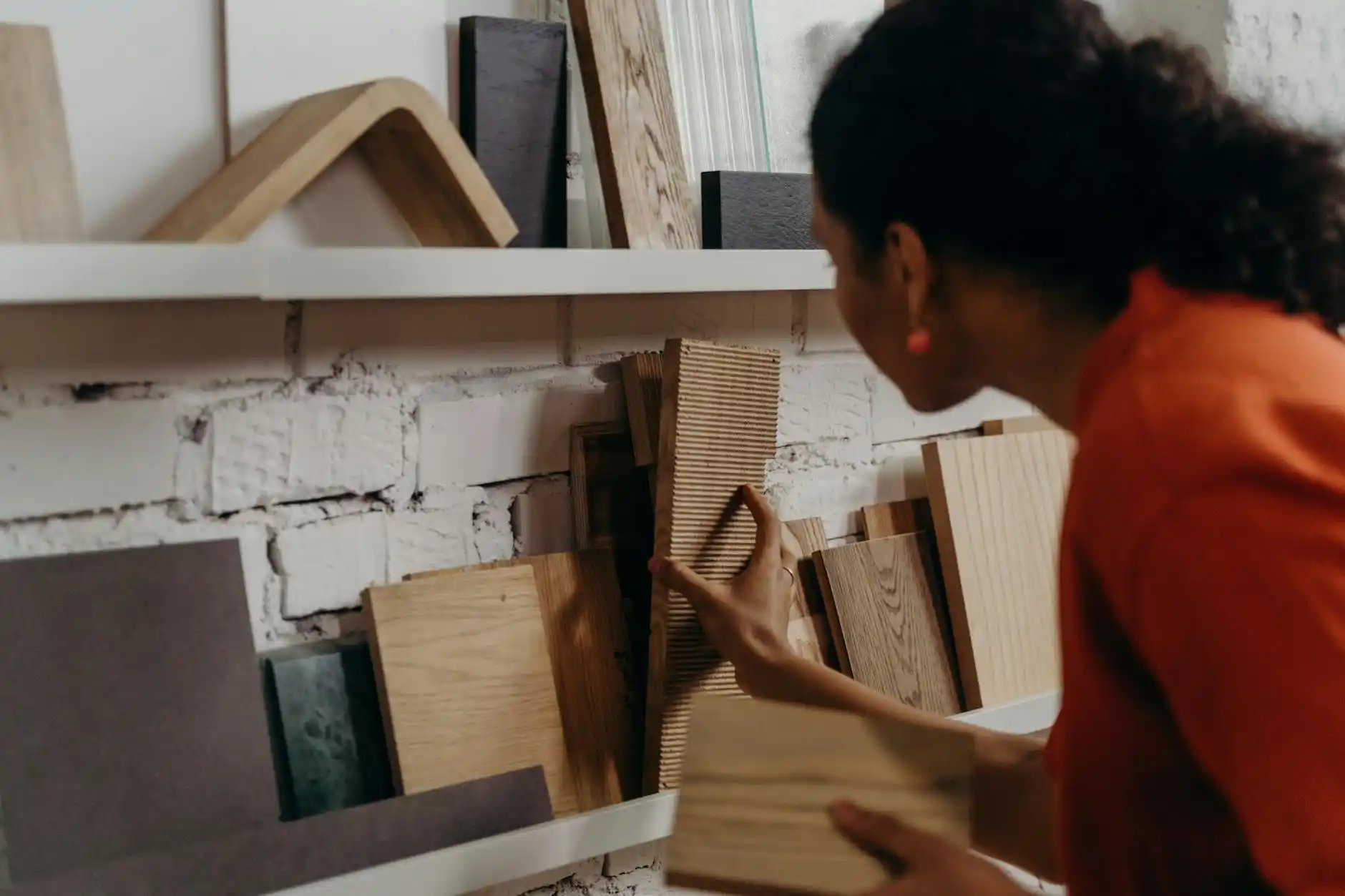
Custom builders usually provide wider access to premium materials, handcrafted details, and specialized products. Homeowners may choose everything from the framing approach and insulation package to imported tile, custom millwork, and bespoke lighting. This level of control can improve both visual quality and long-term performance.
Production builders generally offer curated packages designed for efficiency and broad buyer appeal. Many deliver solid value, but choices may be limited to approved vendors and standard upgrade tiers. If a buyer wants a rare stone slab, highly customized cabinetry, or non-standard fixtures, the builder may not allow those changes.
For homeowners who already love their current property but want to improve quality and function rather than move, Luxury home remodeling can be a practical alternative. Likewise, expanding an existing house through Home additions and custom spaces may deliver the personalization of a custom home without starting from scratch.
Pros and cons for different homeowners
There is no universal winner in the custom home builder vs production builder comparison. The best choice depends on the homeowner.
Custom home builder: pros
- Maximum design freedom
- Ability to build on your own lot
- More control over materials and craftsmanship
- Better fit for unique lifestyle needs
- Opportunity to create a one-of-a-kind home
Custom home builder: cons
- Higher overall cost in many cases
- Longer planning and construction timeline
- More decisions required from the homeowner
- Potential for budget changes during the process
Production builder: pros
- Lower starting price in many markets
- Faster build timeline
- More predictable process and pricing
- Access to planned communities and amenities
- Simplified design selections
Production builder: cons
- Limited customization
- Less flexibility with lot and layout
- Possible neighborhood uniformity
- Restricted finish and material choices

Which builder type is right for your goals
The right choice comes down to what matters most to you. If your priorities are speed, convenience, neighborhood amenities, and a more structured buying process, a production builder may be the right fit. If your priorities are originality, lot freedom, premium detailing, and a home shaped around your lifestyle, a custom builder is likely the better investment.
Ask yourself a few practical questions:
- Do I want a unique design or am I comfortable choosing from existing plans?
- Do I already own land or want to build in a location outside a subdivision?
- Is my budget flexible enough for customized construction?
- How involved do I want to be in design and material decisions?
- Is a faster move-in date more important than personalization?
Ultimately, the custom home builder vs production builder decision should align with your financial comfort, design goals, and long-term plans. A home is not just a purchase; it is a daily living environment that should support the way you want to live now and in the future.
FAQ
What is the difference between a custom home builder and a production builder?
A custom home builder creates a home around your lot, goals, and design preferences, often with extensive control over layout, materials, and features. A production builder typically builds in planned communities using a set of pre-designed floor plans and upgrade packages, making the process more standardized and efficient.
Is it cheaper to build with a production builder or a custom home builder?
In most cases, a production builder is cheaper because standardized plans, bulk purchasing, and repeatable construction lower costs. Custom homes usually cost more due to personalized design, site-specific work, and wider material choices, though production upgrades can narrow the gap.
Which option offers more design flexibility: a custom builder or a production builder?
A custom builder offers far more design flexibility. You can usually tailor the floor plan, room sizes, architectural style, finishes, and specialty spaces, while production builders generally limit you to set models, structural options, and approved upgrade packages.
How do timelines compare between custom homes and production homes?
Production homes are usually faster because the plans, processes, and materials are already standardized. Custom homes typically take longer due to design development, permitting, material sourcing, and the added coordination required for a personalized build.
Can I choose my own lot with a custom builder or a production builder?
Custom builders usually offer more lot freedom and often work on private land, tear-down sites, or unique parcels. Production builders generally build within their own communities, so you choose from available lots in that development rather than bringing your own.
How does material quality and finish selection differ between custom and production builders?
Custom builders typically allow broader access to premium materials, custom details, and specialized finishes, giving you more control over quality and appearance. Production builders usually offer curated selections and upgrade tiers from approved vendors, which can provide value but with less flexibility.
Who should choose a custom home builder instead of a production builder?
A custom home builder is best for someone who wants a one-of-a-kind home, already owns land, needs specialized spaces, or values design control and higher-end material choices. It is also a better fit for buyers willing to spend more time and budget for a tailored result.
What are the main pros and cons of a custom home builder vs. a production builder?
Custom builders offer maximum personalization, lot flexibility, and material control, but they usually involve higher costs, longer timelines, and more homeowner decisions. Production builders offer lower starting prices, faster completion, and a more predictable process, but with less customization, less lot freedom, and more uniform neighborhood constraints.