

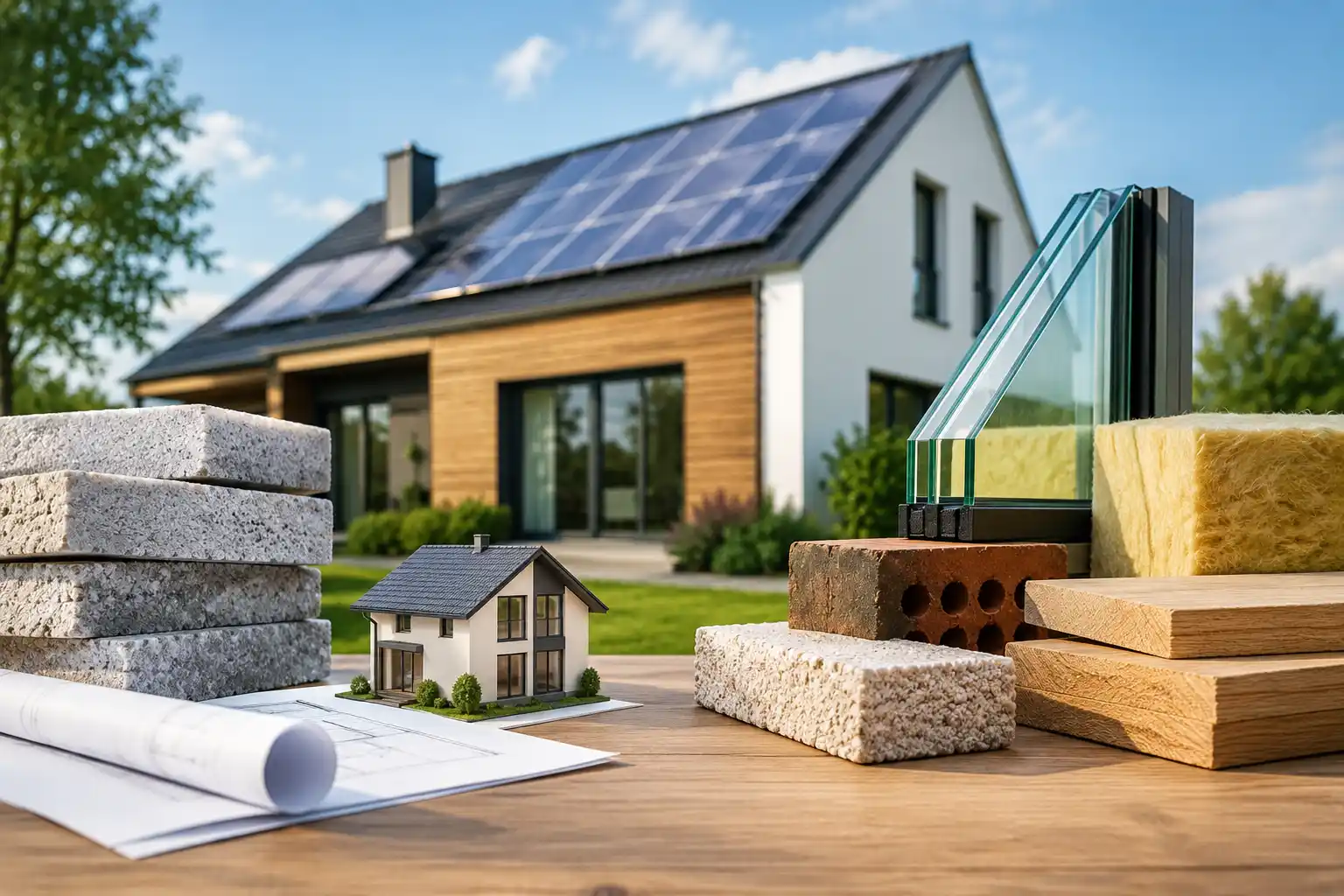
Choosing the right materials for energy efficient custom homes is one of the most important decisions in any new build. The materials you select affect heating and cooling demand, indoor comfort, long-term maintenance, and overall operating costs. From insulation and windows to roofing and interior finishes, a thoughtful material strategy helps create a home that performs well in every season while supporting your design goals.
Energy efficiency works best when materials are evaluated as a complete system rather than as isolated upgrades. Wall assemblies, air sealing, HVAC sizing, and finish selections all influence how the home performs over time. Early Custom home material planning can help homeowners compare options and invest where performance gains are most meaningful.
Best materials for energy-efficient custom homes
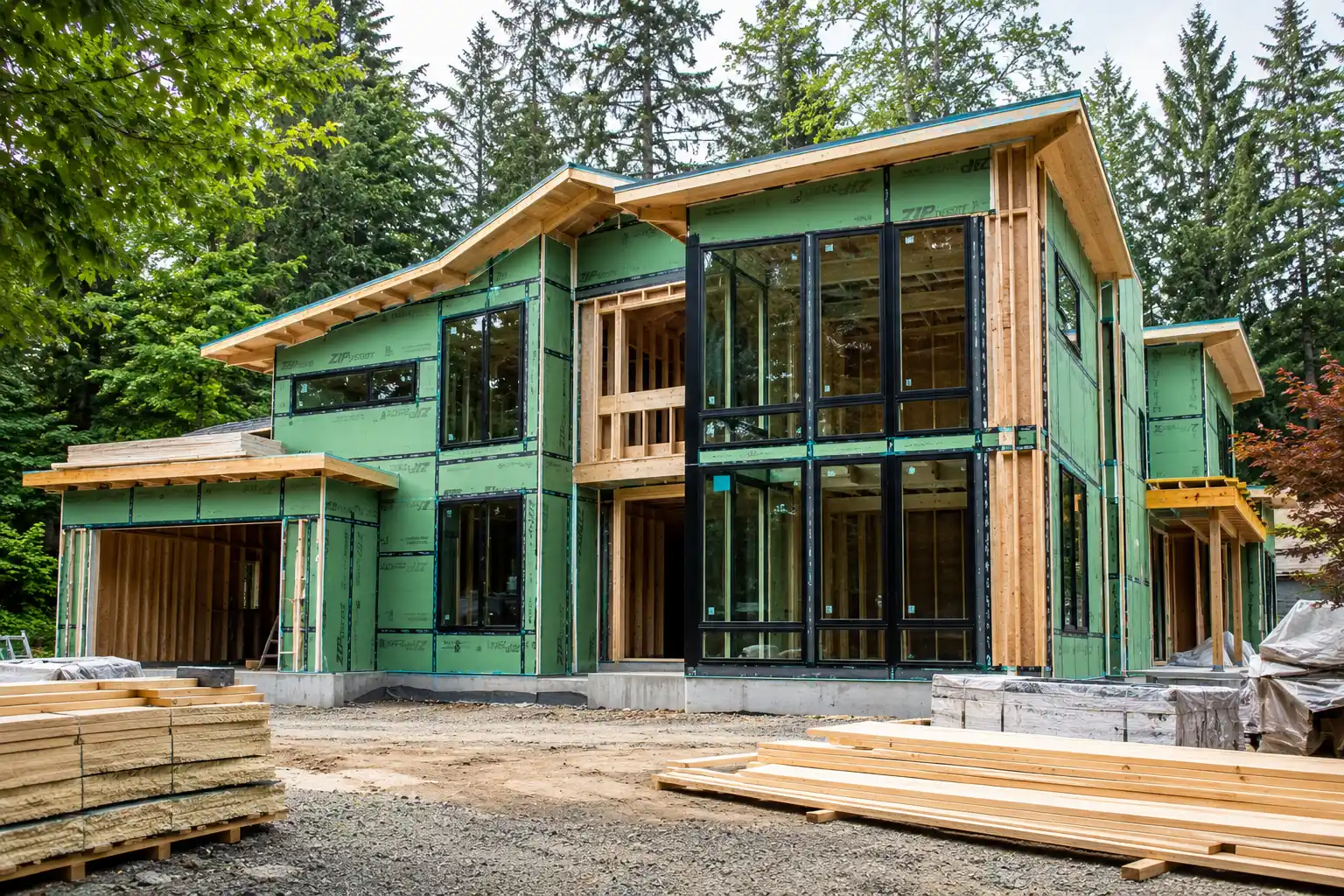
The best materials for energy efficient custom homes combine thermal performance, airtightness, durability, and low maintenance. In most cases, that means focusing first on the building envelope: foundation, walls, roof, windows, and doors. When these assemblies are built with high-performance materials, the home loses less heat in winter, gains less heat in summer, and places less strain on mechanical systems.
Some of the most effective material choices include:
- Advanced framing lumber systems that reduce thermal bridging and allow more space for insulation
- Spray foam, cellulose, mineral wool, or rigid board insulation selected for the right application
- High-performance windows with low-emissivity coatings and insulated frames
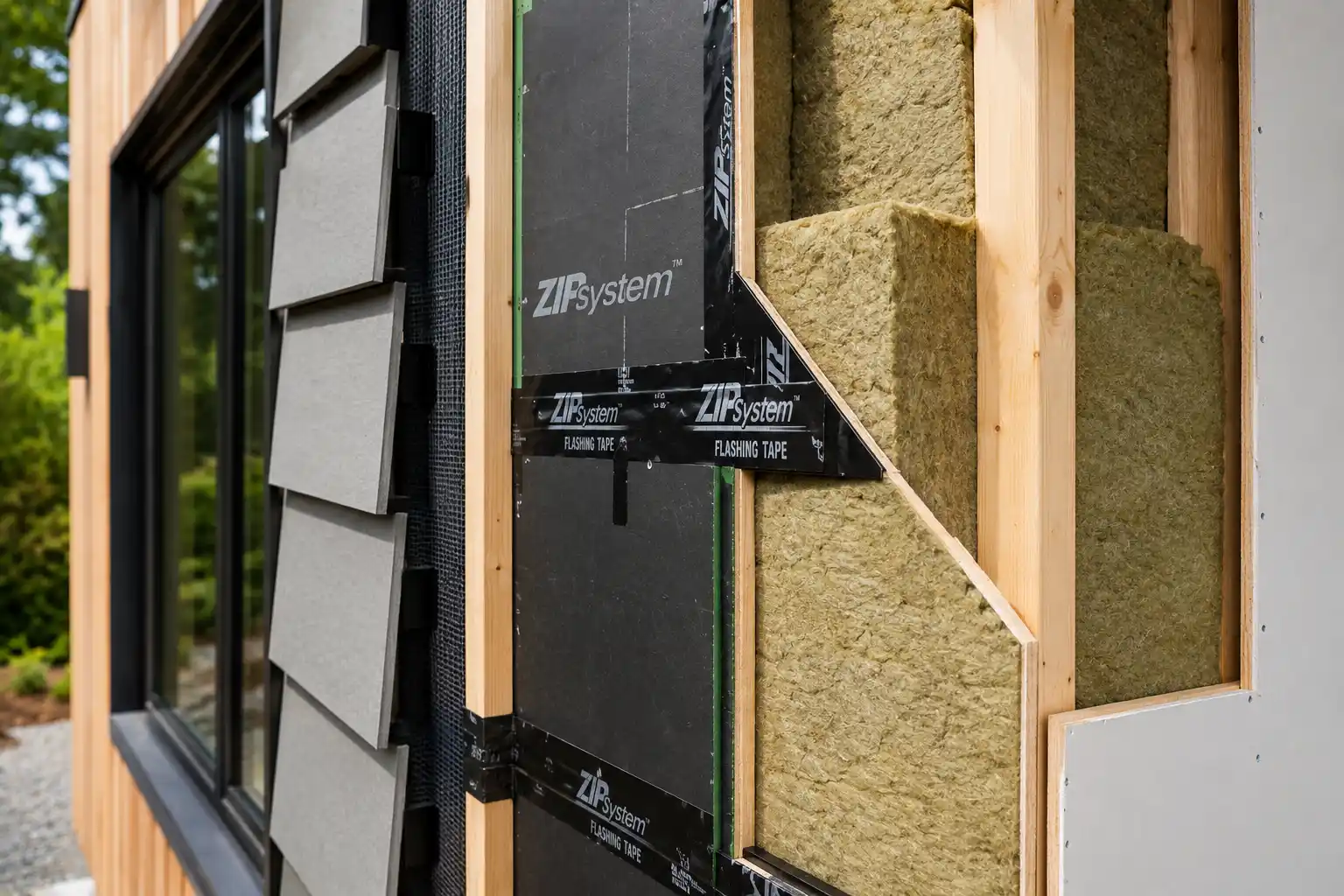
- Airtight exterior membranes and tapes that control air leakage
- Cool roofing or durable insulated roofing assemblies suited to the climate
- Fiber cement, engineered wood, brick, or other long-lasting siding materials that protect the envelope
The right combination depends on climate zone, home orientation, budget, and design priorities. This is where integrated Design-build efficiency planning can be especially valuable, since material choices can be coordinated with architecture, structural needs, and energy modeling from the start.
Insulation and air sealing choices
Insulation and air sealing are foundational materials for energy efficient custom homes. Even premium finishes and advanced HVAC equipment cannot compensate for a leaky or poorly insulated shell. A high-performance home should minimize uncontrolled air movement while maintaining the right amount of insulation in walls, rooflines, and floors.
Common insulation options include:
- Spray foam insulation, which provides strong air sealing and high R-values in compact spaces
- Blown-in cellulose, valued for good thermal performance and recycled content
- Mineral wool, which offers fire resistance, sound control, and moisture tolerance
- Rigid foam or rigid mineral wool board for exterior continuous insulation that reduces thermal bridging
- Fiberglass batt systems when carefully installed in well-designed assemblies
Air sealing materials are just as important as insulation. High-quality tapes, fluid-applied barriers, gaskets, sealants, and housewrap systems can significantly reduce air leakage. A well-detailed air barrier improves comfort, limits drafts, and helps protect the structure from moisture problems caused by condensation.
For many homeowners, the best results come from combining cavity insulation with continuous exterior insulation. This approach improves whole-wall performance and supports more consistent indoor temperatures throughout the year.
High-performance windows and doors
Windows and doors are often the weakest thermal points in a building envelope, so selecting high-performance products is essential. Look for insulated frames, double- or triple-pane glazing, warm-edge spacers, and low-E coatings designed for your climate. In colder regions, triple-pane windows may offer better comfort and lower heat loss. In mixed or warmer climates, solar heat gain control can be especially important.
Key considerations include:
- U-factor to measure heat transfer
- Solar heat gain coefficient to manage solar gain
- Air leakage ratings for tighter performance
- Frame material such as fiberglass, vinyl, wood-clad, or thermally broken aluminum
Entry doors should also include insulated cores, durable weatherstripping, and tight seals at thresholds. Sliding and folding door systems can be beautiful in custom homes, but they need careful specification to avoid compromising energy performance.
Orientation matters too. South-facing glass can support passive solar benefits when shaded properly, while west-facing expanses may increase cooling loads. Matching glazing strategy to the home’s site helps the entire envelope perform better.
Roofing, siding, and exterior envelope materials
The roof and siding do more than define curb appeal. They protect the structure, influence thermal performance, and contribute to the lifespan of the home. Smart exterior selections are among the most practical materials for energy efficient custom homes.
For roofing, consider materials that fit both climate and design:
- Cool roof shingles or metal roofing that reflect more solar radiation
- Standing seam metal roofs for durability and compatibility with solar panels
- High-quality composite or architectural shingles when budget is a concern
Proper roof underlayment, ventilation, and insulation at the attic or roof deck are just as important as the visible roofing material. A durable roof assembly can lower heat gain, prevent moisture issues, and reduce maintenance over time.
For siding, energy-conscious homeowners often choose:
- Fiber cement for durability, fire resistance, and low upkeep
- Engineered wood for a warm appearance and improved dimensional stability
- Brick or stone veneer for longevity and weather protection
- Rainscreen systems that improve drainage and drying behind cladding
The exterior envelope should always be detailed as a moisture-managed system. Drainage planes, flashing, ventilated cavities, and continuous insulation all work together to protect both efficiency and structural integrity. Homeowners considering renovations can also explore Whole home energy upgrades to improve older exterior assemblies with modern materials.
Efficient HVAC and ventilation considerations
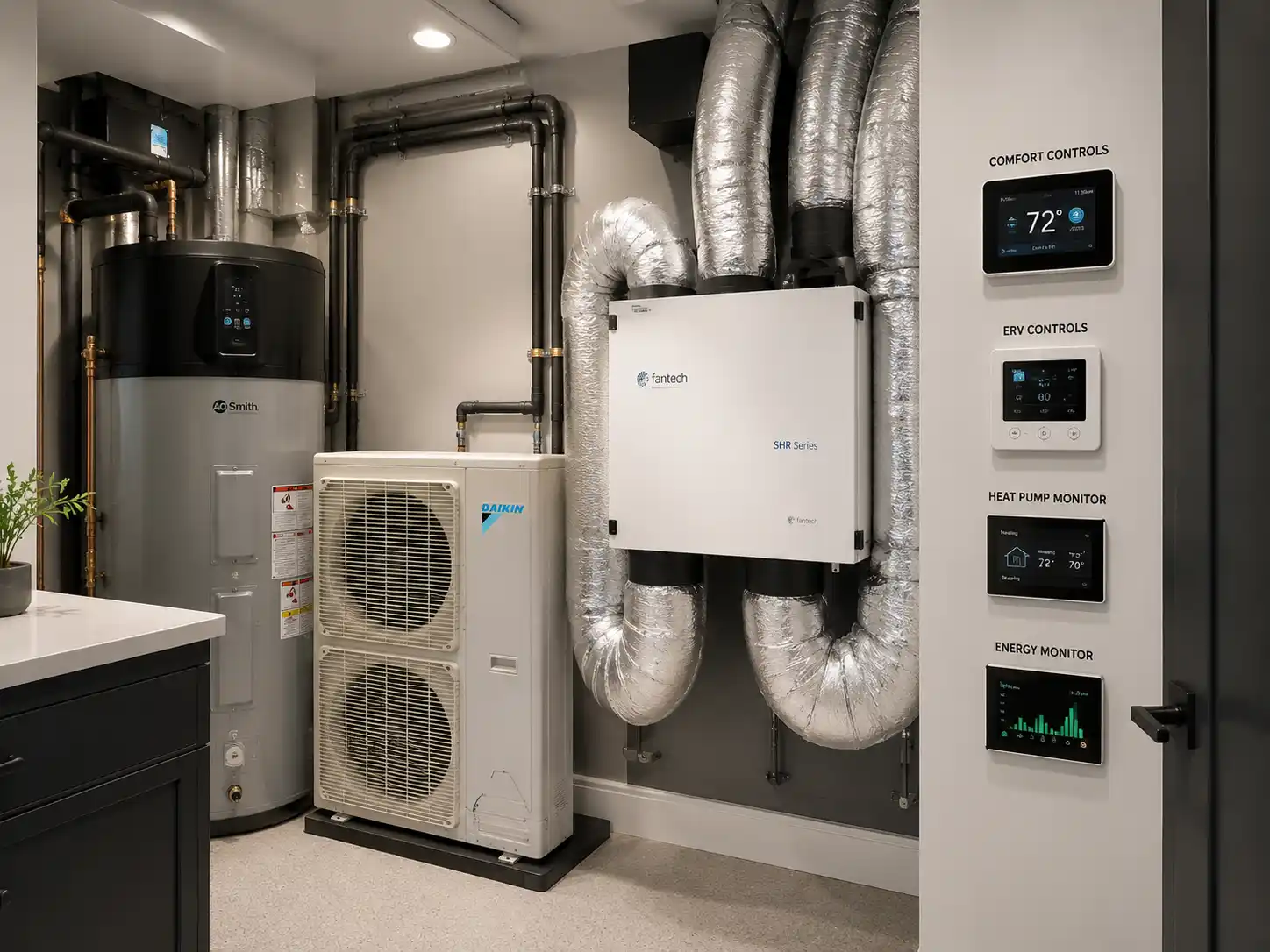
Even though HVAC equipment is not a finish material, it should be considered alongside the envelope because the best materials for energy efficient custom homes reduce the need for oversized mechanical systems. A tighter, better-insulated home can often use smaller, more efficient heating and cooling equipment.
Recommended systems and components may include:
- High-efficiency heat pumps for heating and cooling
- Variable-speed air handlers and compressors for better comfort control
- Energy recovery ventilators or heat recovery ventilators for fresh air in airtight homes
- Well-sealed ductwork or ductless systems to reduce energy loss
- Smart thermostats and zoning controls for more precise operation
Ventilation is especially important in efficient homes. As air leakage decreases, controlled fresh air becomes necessary for indoor air quality. Balanced ventilation systems help remove stale air while recovering energy from outgoing air streams, improving both comfort and efficiency.
Sustainable interior finishes
Interior finishes may not have the same direct thermal impact as insulation or windows, but they still matter. Sustainable materials can improve indoor air quality, reduce environmental impact, and support a healthier living environment. In custom homes, these selections also contribute to long-term durability and maintenance savings.
Strong options include:
- Low- or zero-VOC paints and sealers to reduce indoor pollutants
- Engineered wood or responsibly sourced hardwood flooring for durability and design flexibility
- Recycled-content tile, countertops, and cabinetry materials where appropriate
- Formaldehyde-free cabinets and millwork for healthier interiors
- Natural materials such as cork, wool, or linoleum in selected applications
Efficiency-minded interior choices also include LED lighting, Energy Star appliances, and plumbing fixtures that reduce hot water use. If your project expands an existing footprint, Home additions with efficient materials can help align new interior and exterior finishes with broader energy goals.
Balancing efficiency, durability, and cost
The most effective approach is not always choosing the most expensive product in every category. Instead, successful custom homes balance first cost with performance, lifespan, maintenance needs, and future utility savings. Some premium upgrades deliver excellent returns, while others may be less valuable depending on climate and home design.
A practical decision-making process often looks like this:
- Prioritize airtightness and insulation in the envelope
- Choose windows and doors that fit the climate and orientation
- Select durable roofing and siding with strong weather protection
- Right-size HVAC equipment after the envelope is finalized
- Use sustainable interior finishes to improve health and longevity
When budgets are limited, it is often wise to invest first in assemblies that are difficult to change later, such as wall systems, air barriers, windows, and roof insulation. Cosmetic finishes can be updated more easily than core building components. In the long run, the right materials for energy efficient custom homes can lower operating costs, support resale value, and create a more comfortable everyday living experience.
FAQ
What are the best materials for energy-efficient custom homes?
The best materials for energy efficient custom homes usually include high-quality insulation, airtight membranes and tapes, continuous exterior insulation, high-performance windows and insulated doors, durable roofing suited to the climate, and moisture-managed siding systems. The right mix depends on climate zone, orientation, budget, and design goals.
Which insulation and air sealing materials improve energy efficiency most?
The most effective options are typically spray foam for air sealing and high R-value in tight spaces, blown-in cellulose for strong thermal performance, mineral wool for fire and moisture resistance, and rigid board or rigid mineral wool for continuous exterior insulation. Air sealing materials such as tapes, sealants, gaskets, housewraps, and fluid-applied barriers are just as important because they reduce drafts and uncontrolled air leakage.
What window and door materials are best for an energy-efficient custom home?
Look for windows and doors with insulated frames, double- or triple-pane glazing, low-E coatings, warm-edge spacers, and low air leakage ratings. Frame materials like fiberglass, vinyl, wood-clad, or thermally broken aluminum can perform well, while entry doors should have insulated cores, durable weatherstripping, and tight threshold seals.
Which roofing and siding materials help improve a home’s energy performance?
Cool roof shingles, metal roofing, and well-insulated roof assemblies can reduce heat gain and improve durability, especially when paired with proper ventilation and underlayment. For siding, fiber cement and engineered wood are strong choices, and performance improves further when they are installed over a well-detailed weather barrier, flashing, rainscreen system, and continuous insulation.
How do you balance energy efficiency, durability, and cost when choosing home materials?
Start by investing in the building envelope first, especially air sealing, insulation, windows, and roof assemblies, because those are harder to upgrade later and often deliver the biggest long-term benefits. Then choose durable exterior materials, right-size the HVAC system to the improved envelope, and use sustainable interior finishes where they add health, durability, and value without overspending.