

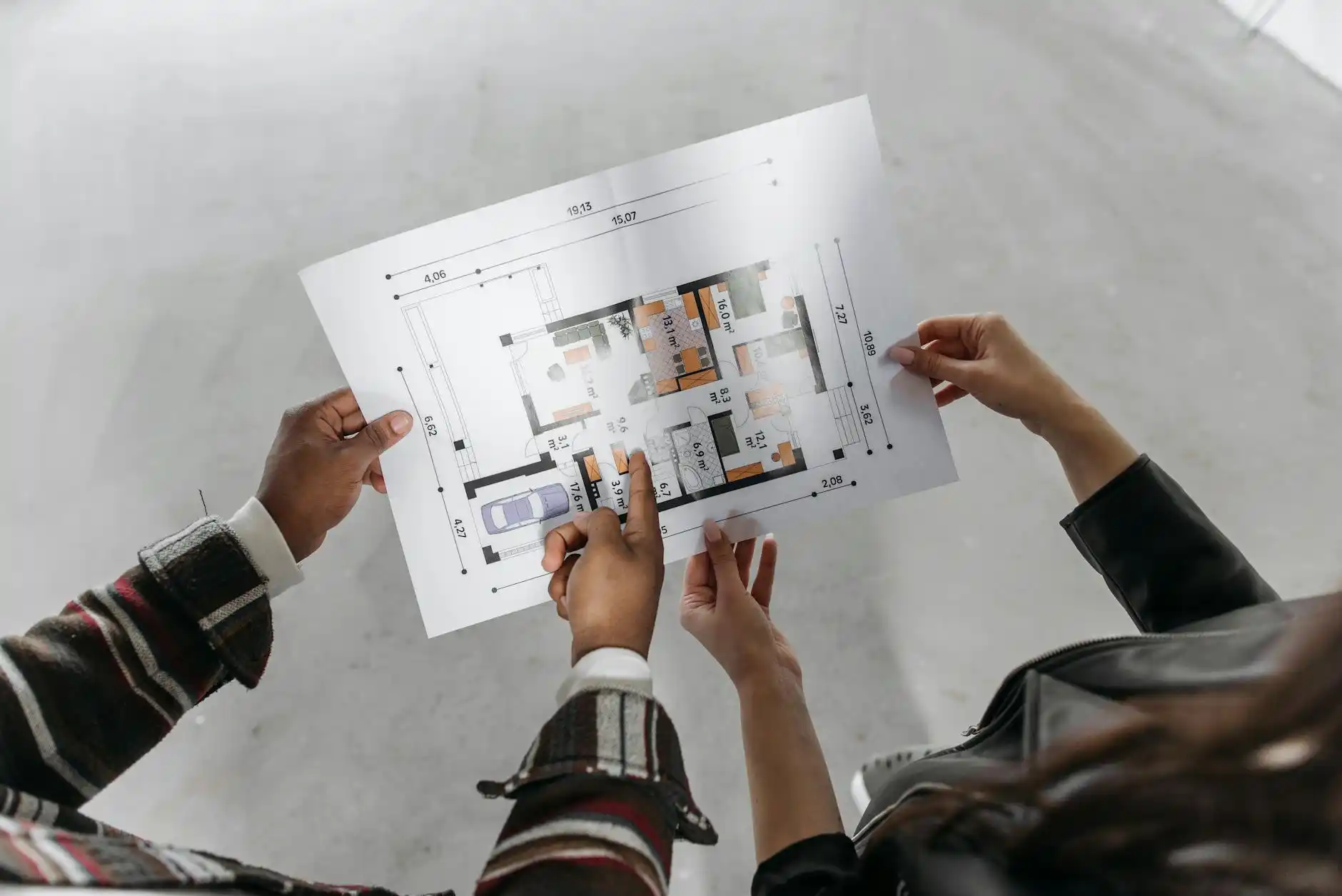
Finding the best financing options for building a custom home starts with understanding how construction lending works, what lenders expect from borrowers, and how your land, builder, and timeline affect loan approval. Unlike buying an existing house, Custom home building often requires staged funding, more documentation, and careful budgeting from day one.
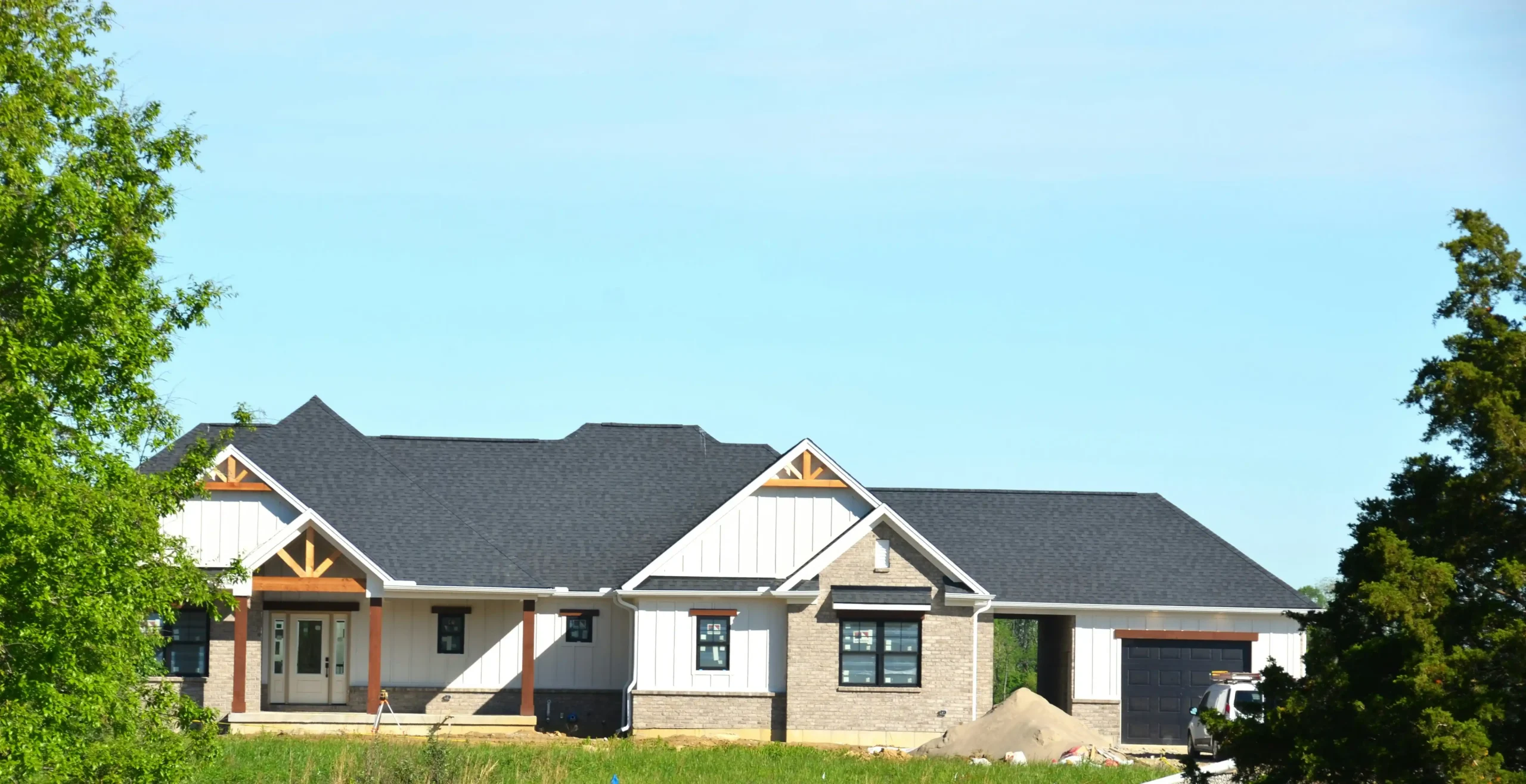
Most common custom home financing options
When comparing the best financing options for building a custom home, most borrowers choose from a few core loan types. Each option fits a different budget, timeline, and ownership situation.
- Construction-only loans: Short-term loans that fund the build phase only. Once construction is complete, you must pay off the balance or refinance into a traditional mortgage.
- Construction-to-permanent loans: A single loan that covers the build and then converts into a long-term mortgage after completion.
- Land loans: Used to buy the lot before construction begins, especially if you do not already own the property.
- Owner equity financing: If you already own the lot, the land value may help satisfy part of the down payment requirement.
- Renovation or rebuild alternatives: In some cases, buyers exploring teardown or major remodel projects may benefit from Pay-at-closing renovation options rather than a ground-up construction loan.
Lenders usually review your income, credit profile, debt-to-income ratio, cash reserves, building plans, contractor qualifications, and project budget. Before committing to a lender, it helps to explore Custom home financing options that align with your land status and construction goals.
Construction-to-permanent loans
For many buyers, construction-to-permanent financing is one of the best financing options for building a custom home because it simplifies the process. Instead of closing on one loan for construction and another for the finished house, you close once and move into a permanent mortgage when the build is complete.
During construction, you typically make interest-only payments on the amount already drawn. After the home passes final inspection and meets lender requirements, the loan converts to a standard mortgage with regular principal and interest payments.
Why borrowers like this option
- One closing instead of two
- Lower total closing costs compared with separate loans
- Less refinance risk if rates rise during construction
- A smoother transition from build phase to long-term ownership
Potential drawbacks
- More upfront planning is required before closing
- Builder approval standards may be strict
- Changes to plans or budget can create delays
This option works especially well when you already have a builder selected, complete plans and specifications, and a realistic project schedule.
Land loans and lot purchase financing
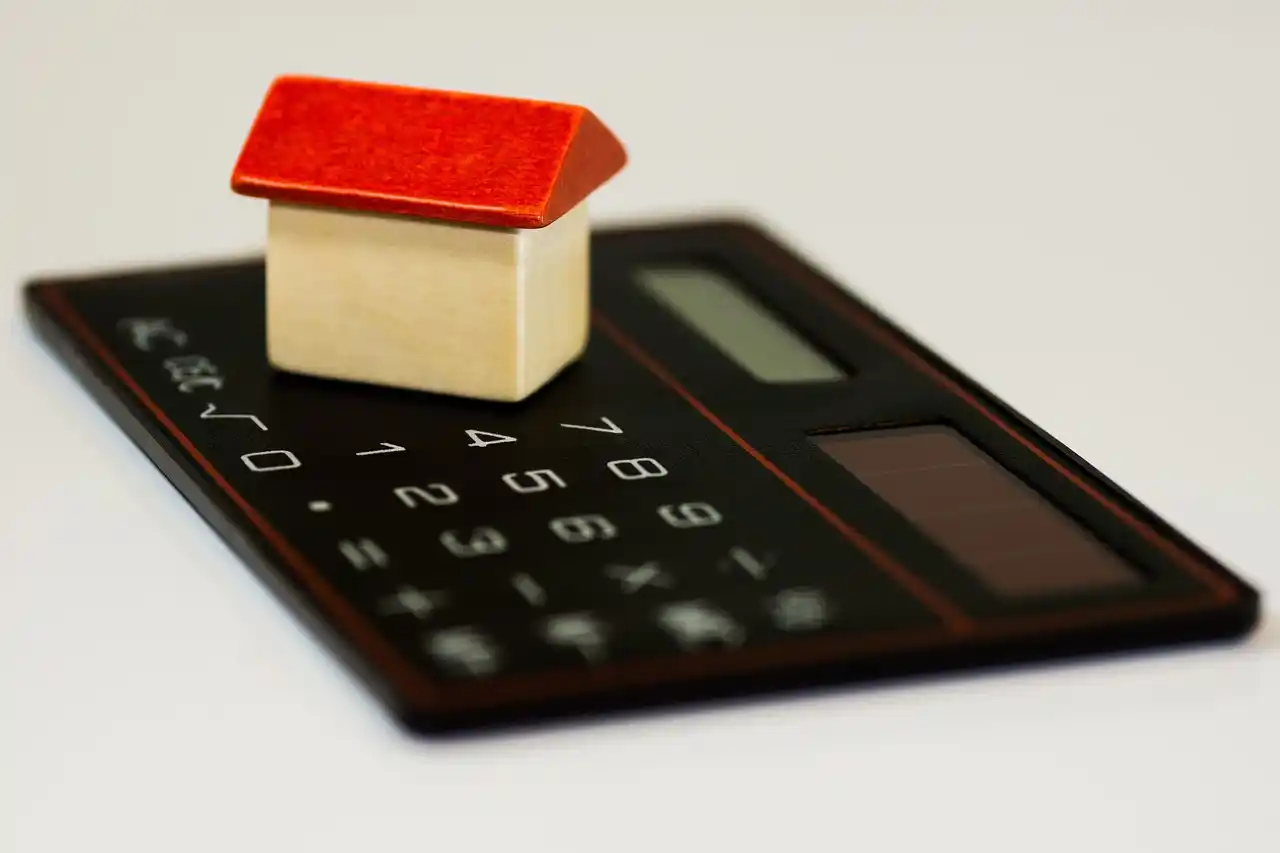
If you do not yet own the homesite, lot financing may be part of your path to the best financing options for building a custom home. Land loans can help you secure a property before finalizing the full construction budget, but they often come with higher down payment requirements and slightly higher rates than a standard mortgage.
The type of lot matters. A fully improved lot with utility access, road frontage, and clear zoning is generally easier to finance than raw land. Lenders also consider whether the property is in a developed neighborhood or a more remote area.
Common lot financing scenarios
- Buy the lot first, build later: Good for buyers who want time to design the home and choose a builder.
- Roll lot and construction into one loan: Often possible with construction-to-permanent financing.
- Use owned land as equity: If you already own the lot, its appraised value may reduce how much cash you need at closing.
Before buying land, confirm setbacks, easements, drainage, soil conditions, utility connection costs, and whether the lot supports the home design you want. These factors can dramatically affect total project cost.
Draw schedules and builder payment stages
Construction loans do not usually release the full loan amount upfront. Instead, lenders use draw schedules that fund the project in stages. This protects both the lender and the borrower by tying payments to verified progress.
A typical draw schedule may follow major milestones such as:
- Site work and foundation
- Framing and structural completion
- Roofing, windows, and exterior drying-in
- Mechanical systems such as plumbing, electrical, and HVAC
- Interior finishes, cabinetry, and flooring
- Final punch list and certificate of occupancy
Before each draw is released, the lender may require an inspection to confirm that the work has been completed. Because of this, borrowers should understand how their builder invoices, how long inspections take, and whether there is enough working capital to keep the project moving between draws.
Clear communication between borrower, builder, and lender is critical. Delays in approvals or unexpected change orders can disrupt cash flow and create stress during the build.
Down payment and credit requirements
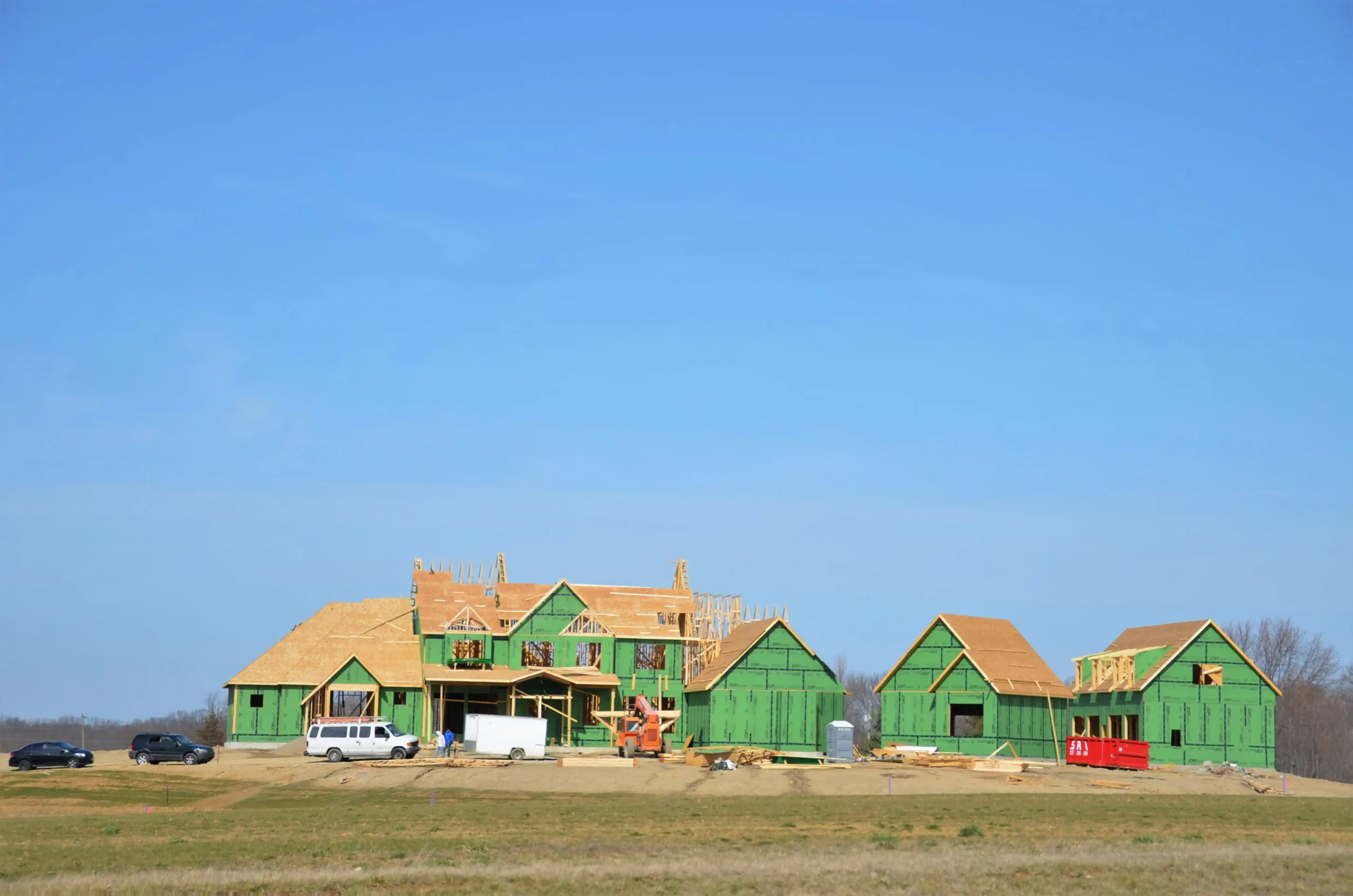
Down payment requirements vary by lender and loan type, but many construction loans require more cash upfront than a standard purchase mortgage. A common range is 10% to 25%, depending on credit score, land equity, project complexity, and builder credentials.
Credit standards also tend to be stricter. Lenders want reassurance that you can manage both the construction process and the future mortgage payment.
Factors lenders often evaluate
- Credit score: Higher scores usually qualify for better terms
- Debt-to-income ratio: Lower monthly debt obligations improve approval odds
- Cash reserves: Extra savings can help cover surprises during construction
- Builder reputation: Licensed, insured, experienced builders are preferred
- Project documentation: Plans, specs, cost breakdown, and contract details must be complete
If your credit or cash position is borderline, improving your profile before applying can make a meaningful difference. Paying down debt, avoiding new credit inquiries, and documenting all income clearly can strengthen your application.
Budgeting for overruns and upgrades
Even with a detailed contract, custom homes often involve changes. Material prices can increase, site conditions may reveal hidden costs, and design upgrades can add up quickly. That is why budgeting for contingencies is essential when evaluating the best financing options for building a custom home.
Many borrowers set aside 5% to 15% of the project budget for unforeseen expenses. This cushion can help cover:
- Permit or utility surprises
- Excavation or soil issues
- Material cost inflation
- Design changes after construction begins
- Upgrades to finishes, appliances, or fixtures
It also helps to separate must-haves from nice-to-haves. Make early decisions on items like flooring, windows, countertops, and lighting so your budget reflects real selections instead of rough allowances. The more detailed your specifications are before closing, the less likely you are to face expensive mid-project changes.

Choosing the right financing path
The right loan depends on your full situation, not just the interest rate. If you already own the lot, have completed plans, and want a streamlined process, a construction-to-permanent loan may be the best fit. If you still need to secure land, lot financing may be the first step. If your project involves rebuilding or transforming an existing property, alternative funding structures may also be worth exploring.
To choose wisely, compare:
- Total cash needed upfront
- Interest rate structure during construction
- Number of closings and total fees
- Builder approval requirements
- Flexibility for changes and timeline shifts
- Long-term mortgage terms after completion
The best financing options for building a custom home are the ones that support your design goals without stretching your budget too thin. Working with a lender who understands custom projects can help you avoid surprises and move forward with confidence. If you want help reviewing your options, Request financing guidance before finalizing your plans.
FAQ
What are the most common financing options for building a custom home?
The most common options are construction-only loans, construction-to-permanent loans, land or lot loans, using owned land as equity, and in some cases renovation or rebuild financing for teardown or major remodel projects.
How does a construction-to-permanent loan work?
A construction-to-permanent loan covers the build phase first, usually with interest-only payments on funds already drawn, then converts into a regular mortgage after final inspection and lender approval so you avoid a second closing.
Can I finance the land purchase separately from the home build?
Yes. You can often use a land loan to buy the lot first and build later, or in some cases roll the lot and construction costs into one construction-to-permanent loan.
How do draw schedules work during a custom home build?
Draw schedules release funds in stages as the project reaches milestones such as foundation, framing, mechanicals, finishes, and final completion. Lenders typically require inspections before each draw is approved.
What down payment and credit score do I need to finance a custom home?
Requirements vary by lender, but many construction loans ask for about 10% to 25% down and stronger credit than a standard mortgage. Lenders also review debt-to-income ratio, cash reserves, builder qualifications, and complete project documentation.
How should I budget for cost overruns and upgrades when building a custom home?
Set aside a contingency reserve of about 5% to 15% of the total project budget for surprises like site issues, utility costs, material price increases, and design changes. It also helps to finalize selections early so allowances are realistic.
How do I choose the right financing option for my custom home project?
Choose based on your land status, builder readiness, cash available, timeline, and comfort with one closing versus two. Compare upfront cash needs, construction interest structure, fees, builder approval rules, flexibility for changes, and the long-term mortgage terms after completion.