


If you are wondering whether there are companies that specialize in home renovation financing with payment at closing, the answer is yes. This model is designed for homeowners and sellers who want to complete improvements before a sale or refinance without paying the full project cost upfront. Instead of funding the renovation out of pocket, qualified clients can often defer payment until the property transaction closes, making it easier to prepare a home for market, improve value, or complete necessary updates at a strategic time.
For many property owners, this approach solves a common problem: a house may need repairs, cosmetic upgrades, or buyer-friendly improvements, but the cash to start the work is tied up in the home itself. Home renovation financing with payment at closing can bridge that gap by helping owners move forward with smart upgrades while aligning repayment with the proceeds of the sale or refinance.

What payment-at-closing renovation financing means
Payment-at-closing renovation financing is a structure in which approved renovation costs are deferred until a home sale or refinance is completed. Rather than writing large checks before work begins, the homeowner or seller enters into an agreement where payment is made from closing proceeds. In practical terms, this can help unlock improvements that may otherwise be delayed.
This structure is especially relevant when a home needs updates to compete in the market. Cosmetic improvements like paint, flooring, kitchen refreshes, and bathroom updates can often increase appeal and support a stronger listing strategy. In these situations, home renovation financing with payment at closing is not simply about convenience—it can be part of a broader effort to maximize return.
Programs vary by provider, project scope, eligibility, and local market conditions. Some companies focus specifically on seller prep work, while others combine renovation planning, budgeting, and contractor coordination under one roof. The key is choosing a team that understands both construction and transaction timing.
Why sellers and homeowners use this model
Sellers often use deferred-payment renovation programs because they want to improve the home before listing without pulling from savings, investments, or emergency reserves. A well-planned renovation can help a property photograph better, show better, and potentially attract more buyer interest.
Homeowners may also use this model before refinancing, especially if updated condition could support stronger valuation or improve long-term livability. In both cases, the goal is to make strategic improvements while preserving liquidity.
- Cash flow flexibility: Owners can avoid major upfront renovation expenses.
- Faster market readiness: Improvements can be completed before listing.
- Value positioning: Better condition may support stronger buyer perception.
- Reduced financial pressure: Deferred payment can lower the barrier to starting needed work.
For sellers in competitive markets, services like pay at closing home renovations Seattle can be especially useful when timing, presentation, and project coordination all matter before a home goes live.

How United Signature can support renovation planning before closing
United Signature can support owners who need renovation planning before a sale by helping define the work scope, align the project with market goals, and coordinate execution efficiently. That matters because not every upgrade adds equal value, and not every project is a good candidate for deferred payment arrangements.
When planning pre-sale improvements, it helps to work with a team that understands design, construction, and transaction deadlines. United Signature’s experience with pre-listing renovations Seattle can help sellers identify improvements that enhance appeal without overbuilding for the neighborhood or price point.
A streamlined approach may include evaluating the home’s current condition, identifying visible issues that could discourage buyers, and prioritizing updates that support listing performance. This can range from flooring and paint to kitchen and bath refreshes, lighting, trim work, and curb appeal upgrades.
When more integrated planning is needed, a design-build remodeling contractor can simplify communication by keeping design, budgeting, and construction under one process.
Renovation scopes that fit pay-at-closing programs
Not every project is ideal for a deferred-payment structure. In many cases, the best fit is a scope that is practical, market-aware, and clearly tied to improving condition, presentation, or functionality before closing. Home renovation financing with payment at closing is often most effective when the work is targeted and time-sensitive.
Common renovation scopes include:
- Interior and exterior painting
- Flooring replacement or refinishing
- Kitchen cosmetic updates
- Bathroom refreshes
- Lighting and fixture upgrades
- Drywall and trim repairs
- Landscaping and curb appeal improvements
- Minor roof, siding, or exterior corrections
For larger, more transformative projects, it is still important to evaluate whether the timing and projected return make sense. In some cases, a broader renovation plan with a whole home remodel contractor may be appropriate, especially if the property is being repositioned significantly. However, bigger scopes should be weighed carefully against closing schedules and financing terms.
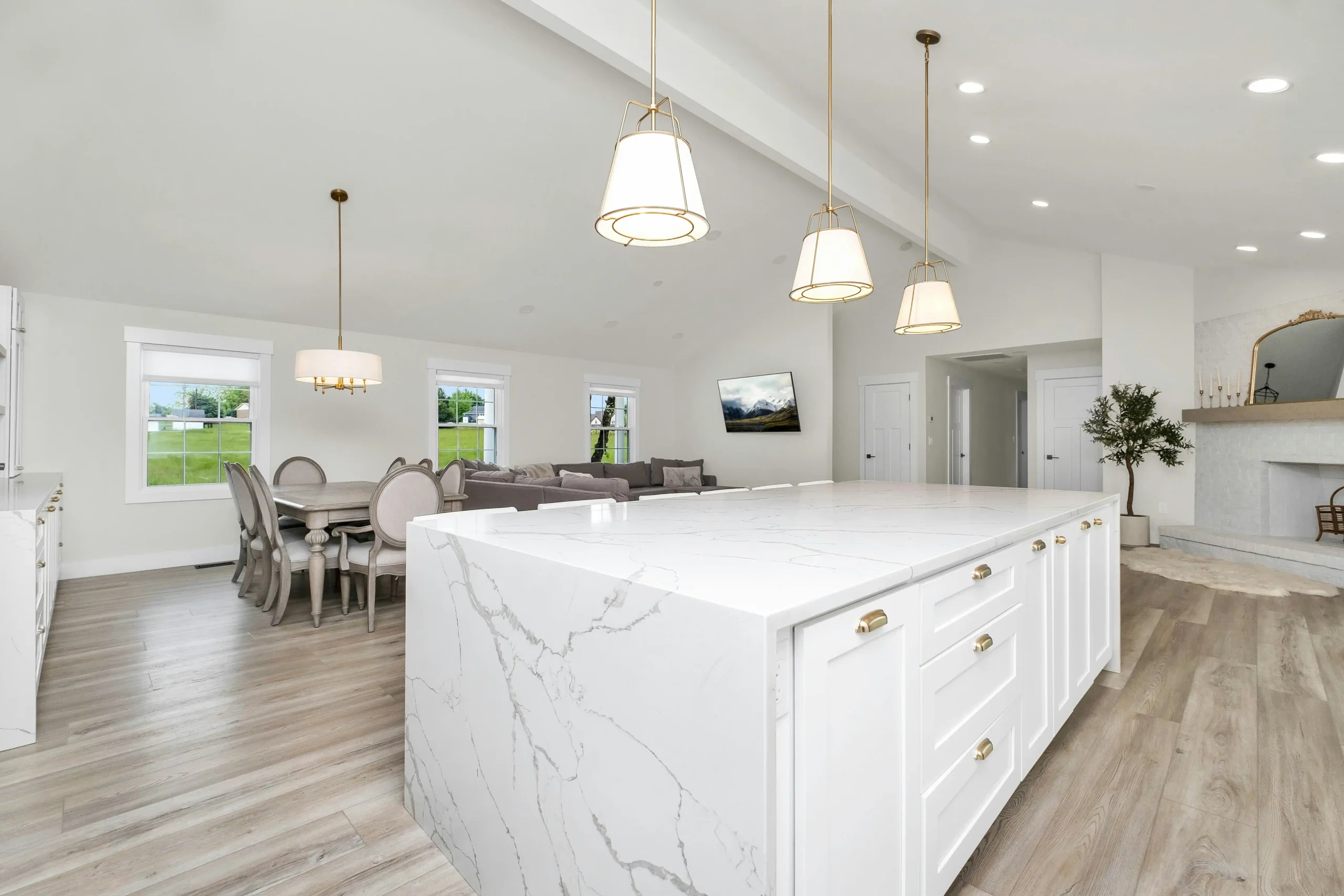
Estimating work before the final sale or refinance
Accurate estimating is one of the most important parts of any home renovation financing with payment at closing strategy. Before the final sale or refinance occurs, the team typically needs to evaluate the home, define the scope, and generate a realistic cost projection. If the estimate is too loose or optimistic, it can create problems later.
A strong pre-closing estimate should account for:
- Current property condition
- Priority repairs versus optional upgrades
- Material allowances and finish selections
- Permit needs, if applicable
- Timeline constraints tied to listing or lender milestones
- Contractor availability and sequencing
The best estimates are detailed enough to support decision-making but practical enough to keep the project moving. This is especially important when multiple parties are relying on the same numbers, including the owner, realtor, financing provider, and contractor.
Coordinating contractors, realtors, and financing partners
Deferred-payment renovation projects often involve more moving parts than a standard remodel. The contractor needs a clear scope and timeline, the realtor may be guiding market strategy, and the financing partner needs documentation that aligns with the transaction process. Coordination is critical.
Clear communication helps everyone stay focused on the same outcome: completing the right work on schedule so the property can move efficiently toward sale or refinance. In many successful projects, the realtor helps identify which updates are most marketable, while the contractor confirms feasibility and pricing.
This is another reason many owners prefer working with experienced specialists rather than piecing together separate vendors on their own. A coordinated process can reduce delays, keep the budget aligned with the plan, and support a smoother path to closing.

Common mistakes to avoid with deferred renovation payments
While home renovation financing with payment at closing can be a helpful solution, it works best when expectations are realistic and the project is carefully managed. Some of the most common mistakes include:
- Over-renovating for the market: Spending beyond what the neighborhood or sale strategy supports.
- Underestimating timeline needs: Waiting too long to plan can create pressure before listing.
- Choosing unclear scopes: Vague project definitions often lead to budget changes and delays.
- Ignoring transaction details: Closing-based payment structures require documentation and coordination.
- Skipping professional guidance: Market-driven renovation decisions are usually stronger with contractor and realtor input.
The smartest approach is to focus on improvements that are likely to matter most to buyers, appraisers, or lenders, depending on the goal. A disciplined plan helps ensure deferred renovation payments remain a tool for value creation rather than a source of unnecessary risk.
FAQ
How does home renovation financing with payment at closing work?
It allows approved renovation costs to be deferred until a home sale or refinance closes, so the owner completes the work now and repayment is typically made from closing proceeds instead of upfront cash.
What types of renovations can be included in a pay-at-closing financing program?
Common projects include paint, flooring, kitchen and bathroom refreshes, lighting and fixture upgrades, drywall and trim repairs, landscaping, curb appeal work, and some minor exterior corrections such as roof, siding, or other visible repairs.
Who typically qualifies for renovation financing that is repaid at closing?
Sellers preparing a home for market are often the best fit, especially when equity is tied up in the property, and some homeowners refinancing may also qualify if the planned improvements support condition, value, or usability.
How are renovation costs estimated before a home sale or refinance closes?
Costs are usually estimated through a property evaluation, a defined scope of work, and a detailed projection that considers current condition, priority repairs, materials, permits if needed, timeline constraints, and contractor availability.
What are the risks of deferring renovation payment until closing?
The main risks include over-renovating for the market, underestimating timing, using a vague scope that causes budget changes, and running into transaction or documentation issues that can complicate closing.
Can contractors, realtors, and financing partners coordinate work before closing?
Yes. These projects often rely on close coordination between the contractor, realtor, and financing partner so the scope, pricing, documentation, and schedule all stay aligned with the planned sale or refinance.