

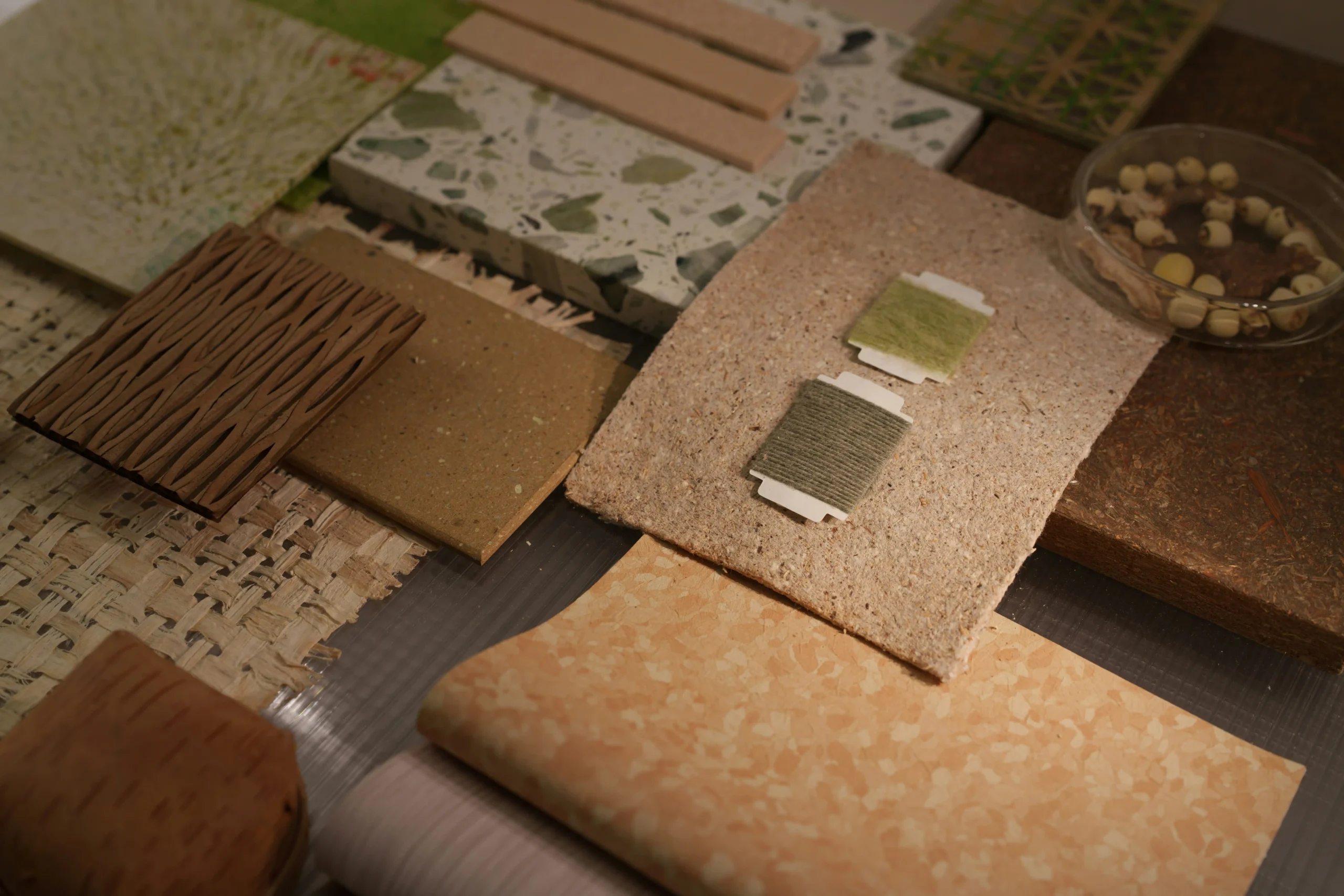
Choosing the right custom home material and finish options is one of the most important parts of building a home that feels personal, performs well, and holds its value over time. From exterior cladding and roofing to flooring, cabinetry, countertops, and fixtures, every selection affects appearance, maintenance, comfort, and budget. A thoughtful plan helps homeowners balance style with durability while keeping construction on schedule.
Before selections begin, it helps to outline priorities for design, longevity, and cost. A clear material schedule also makes it easier for your builder and design team to coordinate lead times, installation sequencing, and overall consistency throughout the home. Many homeowners start with Custom home material planning to organize decisions early and reduce costly changes later.
Major material categories in a custom home
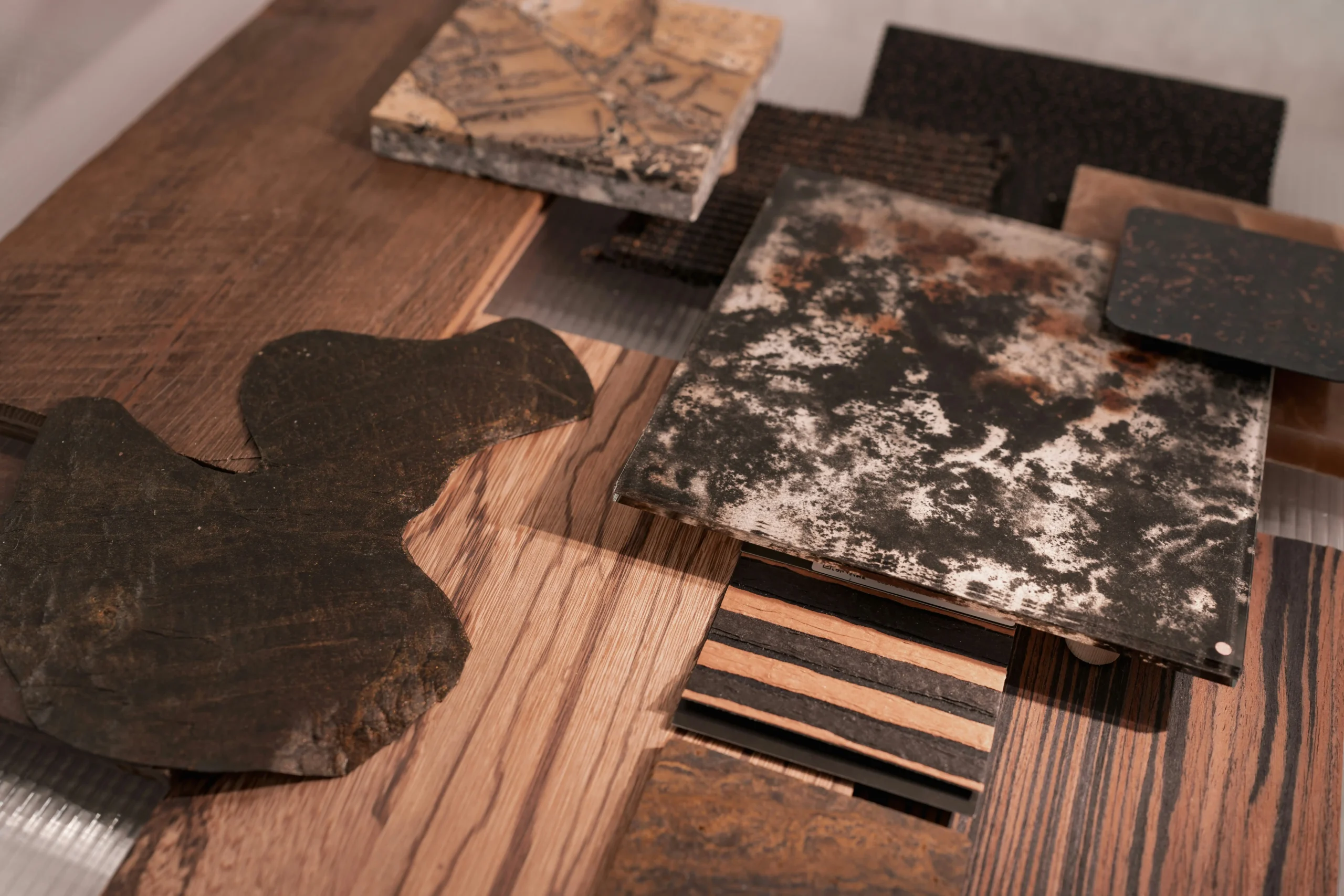
When reviewing custom home material and finish options, it helps to divide the process into major categories. This keeps decisions manageable and ensures no critical selection is overlooked. Most custom homes include material choices in the following areas:
- Structural materials: framing, insulation, sheathing, roofing systems, and windows
- Exterior materials: siding, brick, stone, stucco, paint, trim, entry doors, and garage doors
- Interior hard surfaces: flooring, tile, countertops, backsplashes, and wall finishes
- Millwork and built-ins: cabinetry, shelving, interior doors, baseboards, and crown molding
- Fixtures and hardware: lighting, plumbing fixtures, knobs, pulls, and faucets
- Performance materials: energy-efficient windows, moisture-resistant products, and low-maintenance finishes
Each category should be evaluated for style, upkeep, expected lifespan, and installation cost. For example, some natural materials offer unmatched character but require more maintenance, while engineered products can provide a similar look with greater consistency and durability.
Exterior finishes and curb appeal choices
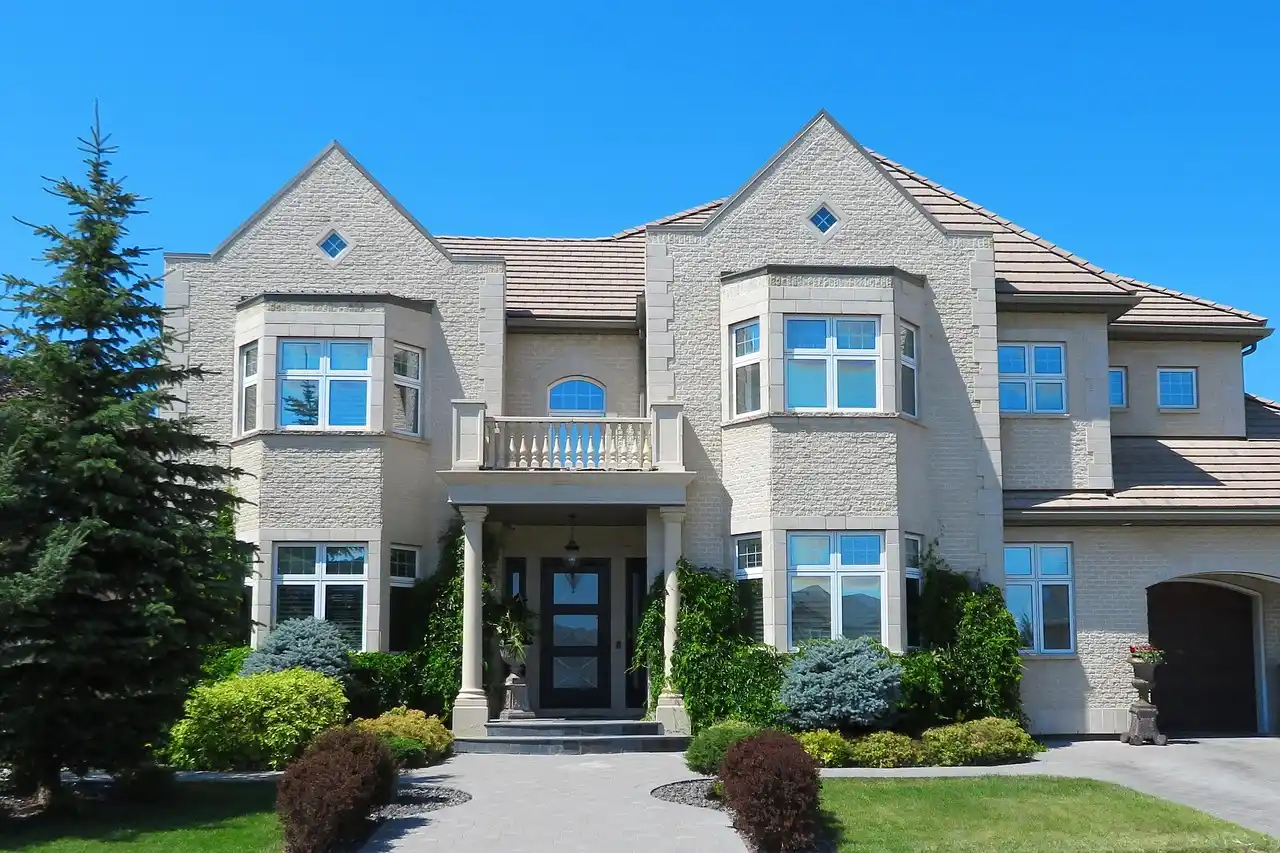
The exterior of a custom home creates the first impression and protects the structure from weather. Common siding and façade materials include fiber cement, natural wood, engineered wood, brick, stone veneer, stucco, and metal accents. The best choice depends on climate, architectural style, and maintenance expectations.
Fiber cement is popular for its durability, fire resistance, and versatility. Brick offers timeless appeal and low maintenance, while natural wood delivers warmth and texture but usually needs more frequent sealing or painting. Stone accents can elevate entryways and foundation walls, especially when paired with complementary trim colors and roofing materials.
Roofing is another major curb appeal element. Architectural shingles remain a practical choice for many homes, while metal roofing appeals to homeowners seeking longevity and a clean, modern profile. Window frame color, front door style, exterior lighting, and garage door design also contribute heavily to the finished appearance.
To make exterior selections cohesive, many builders recommend choosing:
- A primary cladding material
- One or two accent materials
- A coordinated roof color
- Trim and window colors that support the home’s style
- Exterior fixtures and hardware with a consistent finish
Flooring, cabinetry, and countertop options
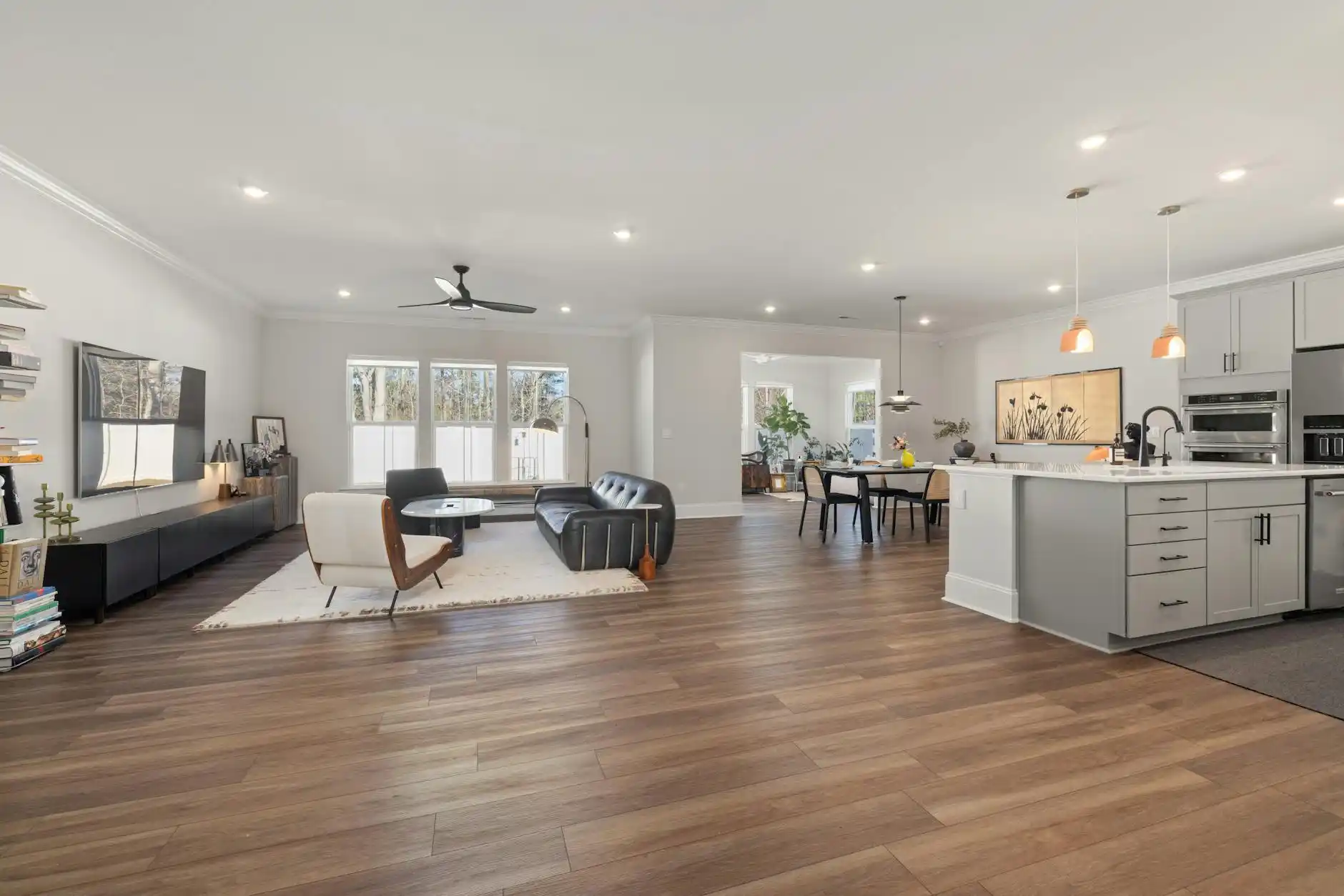
Interior surfaces shape both daily living and long-term maintenance. In many custom homes, flooring decisions begin with where each material performs best. Hardwood remains a favorite for living areas and bedrooms because of its warmth and resale appeal. Engineered wood is often selected for better dimensional stability. Luxury vinyl plank has grown in popularity for its water resistance and durability, while tile works especially well in bathrooms, mudrooms, and laundry areas.
Cabinetry can be stock, semi-custom, or fully custom. Painted shaker cabinets remain widely used, but stained wood tones, slab fronts, and mixed-finish designs are also common. The choice depends on desired storage features, budget, and overall style. Soft-close hinges, pull-out trays, appliance garages, and drawer organizers can improve function as much as appearance.
Countertop materials should be evaluated for stain resistance, maintenance, and edge detailing. Quartz is a top contender because it is durable, non-porous, and available in many looks. Granite offers natural variation and heat resistance. Marble is elegant but more porous and prone to etching, which may make it better suited for lower-wear applications. Butcher block adds warmth in selected spaces, especially islands or pantry work areas.
Homeowners comparing custom home material and finish options often benefit from seeing how flooring, cabinet color, and countertop samples interact under natural and artificial light before making final approvals.
Bathroom and kitchen finish selections
Kitchens and bathrooms involve some of the most detailed finish decisions in the home. In the kitchen, backsplash tile, sink style, faucet finish, cabinet hardware, appliance panels, and lighting all need to work together visually. Layered finishes can look sophisticated when they are intentional, such as pairing warm brass hardware with soft white cabinetry and veined quartz surfaces.
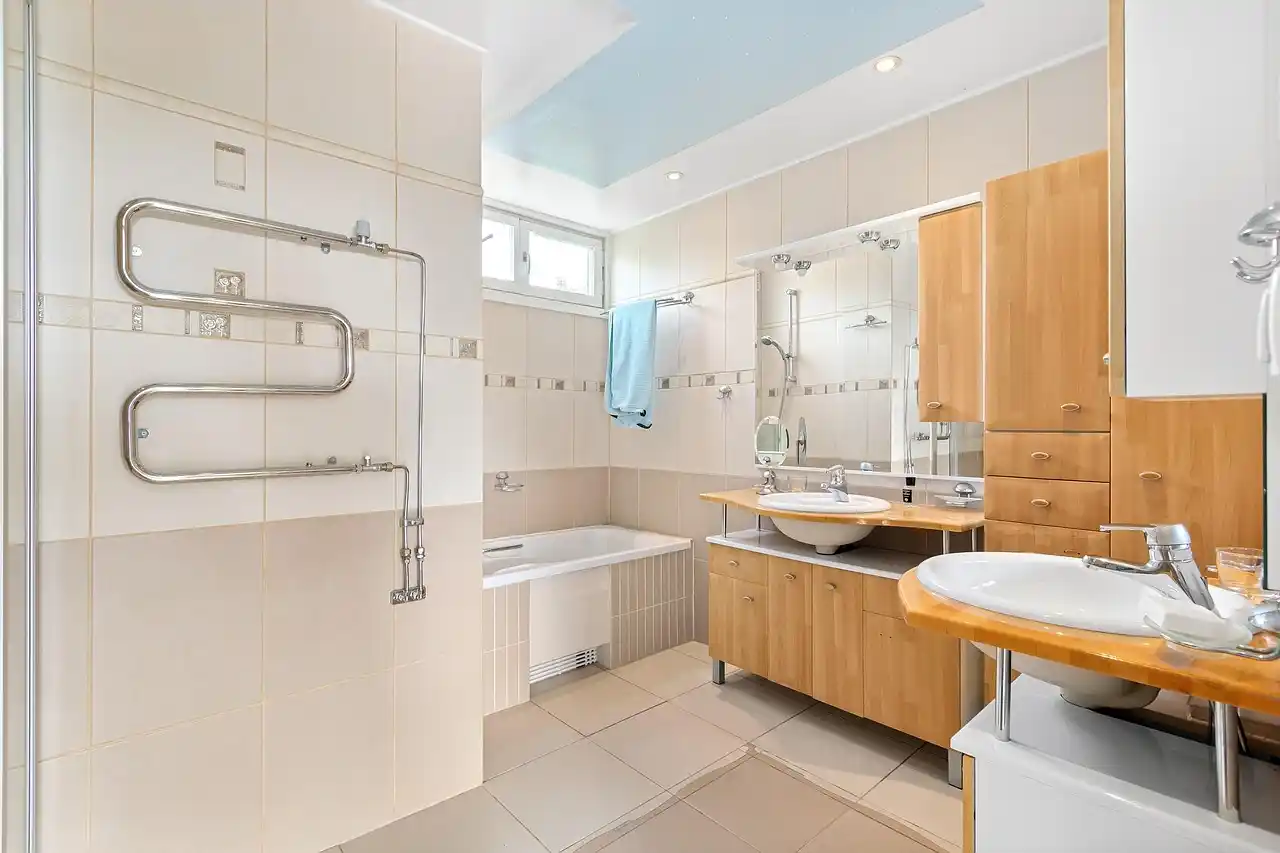
Bathrooms require equal attention to tile size, grout color, vanity material, shower glass, plumbing fixtures, and mirrors. Large-format tile can create a clean, seamless look, while mosaic details can add texture in shower niches or flooring. Matte black, brushed nickel, polished chrome, and champagne bronze are all popular fixture finishes, but consistency is key for a polished result.
If a custom build includes highly personalized culinary or bath spaces, it may help to consult teams experienced in specialized layouts and detailing. Homeowners exploring ideas beyond standard packages often look to Kitchen remodeling specialists for inspiration and product comparisons, or review Bathroom remodeling options to better understand fixture, tile, and vanity combinations.
Good kitchen and bath selections balance beauty with practical cleaning and wear. For example:
- Choose stain-resistant grout in high-use areas
- Select easy-clean faucet finishes
- Use moisture-resistant cabinetry where humidity is higher
- Confirm slip resistance for bathroom floor tile
- Coordinate lighting color temperature with finish tones
Energy-efficient and durable materials
Performance matters just as much as style. Some of the best custom home material and finish options are those that reduce energy use and stand up to years of wear. High-performance windows with low-emissivity coatings help improve insulation and indoor comfort. Advanced insulation systems, air sealing, and quality exterior doors can also lower heating and cooling demands.
Durable materials reduce maintenance and replacement costs over time. Porcelain tile is known for toughness and moisture resistance. Quartz countertops are resilient and easy to maintain. Fiber cement siding resists insects and rot better than many traditional materials. Engineered wood products can offer consistent performance in changing climates.
Homeowners should also ask about low-VOC paints, sustainable wood sourcing, recycled-content materials, and water-saving plumbing fixtures. These choices can improve indoor air quality and support a more environmentally conscious home without sacrificing aesthetics.
How finish allowances affect the budget
Finish allowances are budget placeholders for items that may not be fully selected when construction pricing is finalized. Common allowance categories include flooring, tile, cabinets, countertops, plumbing fixtures, lighting, and appliances. Understanding these numbers is essential because selections above the allowance will increase the final cost.
For example, a builder may include a standard tile allowance that covers quality porcelain, but not imported handmade tile or slab shower walls. The same applies to plumbing fixtures and decorative lighting, where prices can vary dramatically from one brand or finish to another.
To manage allowances well:
- Ask what quality level the allowance represents
- Request estimated upgrade ranges early
- Prioritize where to spend more for impact or durability
- Track selections in a shared schedule or spreadsheet
- Finalize high-variance items as early as possible
This is especially important if your project is part of a larger redesign or integrated renovation strategy. In those cases, homeowners often compare custom build selections with broader Whole home remodeling services to understand how material scope influences overall investment.
Making selections without slowing the build
One of the most effective ways to keep a project moving is to make decisions in the order the builder needs them. Long-lead materials such as windows, custom doors, cabinetry, specialty appliances, and imported tile should be selected first. Decorative accessories that do not affect rough-in or fabrication can usually come later.
A smooth process often includes:
- Establishing a clear design direction at the start
- Approving structural and exterior materials early
- Finalizing cabinets, plumbing fixtures, and tile before rough-ins
- Confirming flooring transitions and paint palettes before finish work
- Documenting every approved selection in writing
It also helps to limit unnecessary changes once construction is underway. Even small revisions can affect procurement, labor scheduling, and coordination among trades. A well-organized selection timeline allows homeowners to explore custom home material and finish options confidently while protecting the build schedule.

FAQ
What material and finish options can I choose for a custom home?
You can typically choose from structural materials, exterior cladding and roofing, windows and doors, flooring, tile, cabinetry, countertops, millwork, lighting, plumbing fixtures, hardware, paint, and other performance-focused products such as energy-efficient windows, moisture-resistant materials, and low-maintenance finishes.
Which exterior finishes are available for a custom home?
Common exterior finish options include fiber cement, natural wood, engineered wood, brick, stone veneer, stucco, metal accents, architectural shingles or metal roofing, plus coordinated trim, paint colors, entry doors, garage doors, windows, and exterior lighting.
What flooring, cabinetry, and countertop options can I select?
Popular flooring choices include hardwood, engineered wood, luxury vinyl plank, and tile. Cabinetry may be stock, semi-custom, or fully custom in styles such as painted shaker, stained wood, or slab front. Countertop options often include quartz, granite, marble, and butcher block depending on your budget, maintenance preferences, and design goals.
How do kitchen and bathroom finish selections affect the overall cost?
Kitchen and bathroom finishes can significantly affect cost because tile, cabinetry, countertops, fixtures, lighting, shower glass, hardware, and specialty details vary widely in price. Higher-end selections, custom fabrication, and premium finishes can quickly raise the budget, especially in these high-detail spaces.
What are the best energy-efficient and durable materials for a custom home?
Strong choices often include low-emissivity energy-efficient windows, advanced insulation, quality exterior doors, fiber cement siding, porcelain tile, quartz countertops, engineered wood products, low-VOC paints, sustainable wood materials, and water-saving plumbing fixtures for a balance of performance, durability, and easier maintenance.
How do finish allowances work in a custom home budget?
Finish allowances are budget placeholders for items such as flooring, tile, cabinets, countertops, lighting, plumbing fixtures, and appliances when final selections are not yet complete. If your actual selections cost more than the allowance, the final project price increases, so it is important to understand what quality level the allowance covers and track upgrades early.
When do I need to finalize material and finish selections to avoid construction delays?
Finalize long-lead and construction-critical items as early as possible, especially windows, exterior materials, roofing, cabinetry, plumbing fixtures, major appliances, and specialty tile. Making these decisions before rough-ins and fabrication helps prevent procurement issues, scheduling disruptions, and costly changes during the build.