

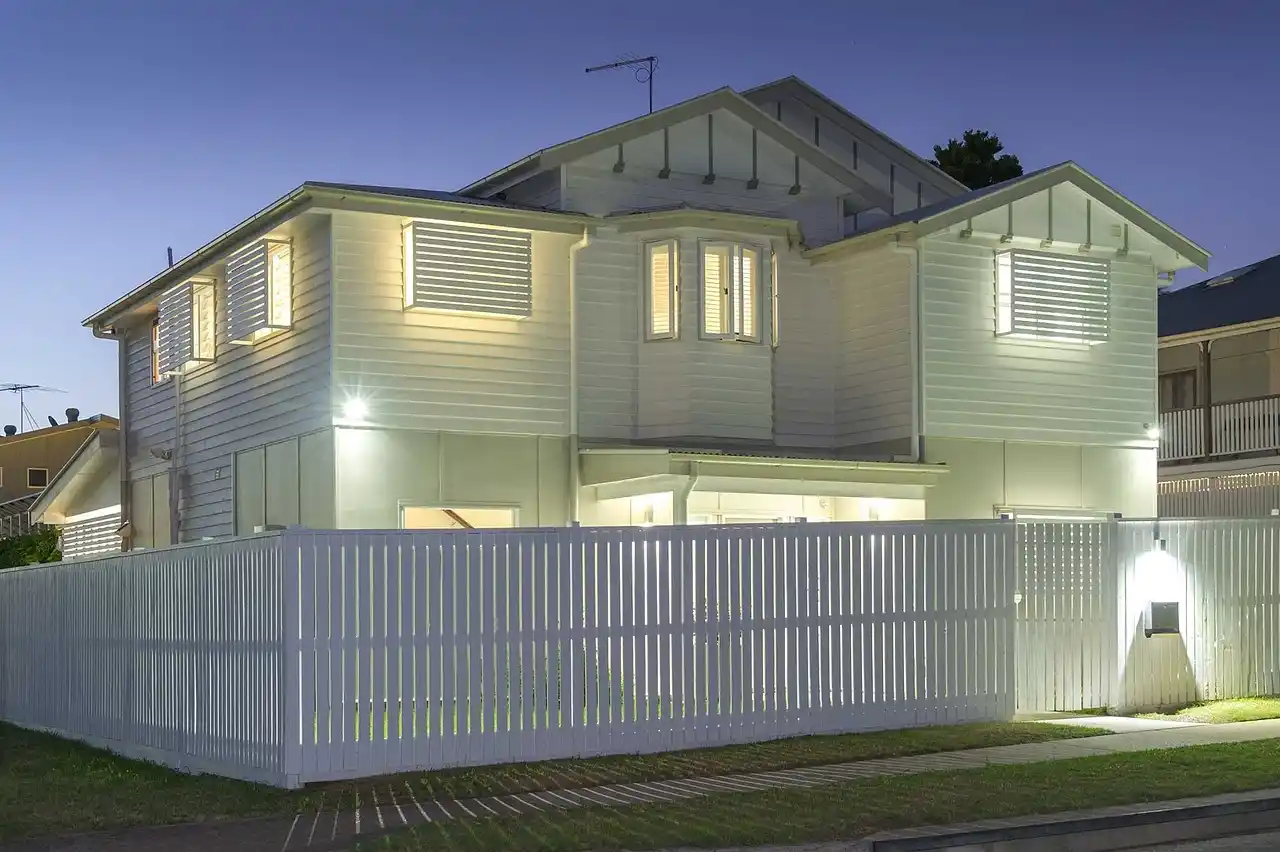
Budgeting a renovation project paid at closing requires a different mindset than funding a remodel with cash, savings, or a traditional construction loan. Instead of simply choosing finishes and collecting bids, homeowners need to balance timeline, resale value, lender expectations, and the practical goal of completing the right work before the sale closes. When handled well, this approach can make important improvements possible without large upfront payments, but it works best with a clear budget, careful prioritization, and realistic cost planning.

Why budgeting is different with payment at closing
With a standard remodel, the budget is usually driven by available cash or financing terms. With payment-at-closing projects, the budget is tied more closely to the home’s expected sale price, current condition, and the return each improvement may create. That means budgeting a renovation project paid at closing is less about wish-list spending and more about strategic allocation.
You are not just asking, “What do I want to change?” You are asking, “What work will help this property sell faster, show better, and support the strongest possible outcome at closing?” This often creates a narrower, more disciplined scope.
It also means timing matters. If the work must be completed before listing or before a transaction closes, delays can affect carrying costs, marketing plans, and buyer interest. Labor availability, permit needs, and material lead times should all be reflected in the budget from the beginning.
For homeowners exploring pay at closing home renovations Seattle, the financial structure can be especially helpful when a property needs updates but the owner does not want to deplete savings before selling.
Separating essential repairs from optional upgrades
One of the smartest steps in budgeting a renovation project paid at closing is dividing work into two categories: essential repairs and optional upgrades. This keeps the budget focused on what truly affects marketability, safety, and value.
Essential repairs
- Roof, siding, or water-intrusion issues
- Electrical or plumbing problems
- Damaged flooring that hurts showings
- Broken fixtures, cracked tile, or unsafe stairs
- Paint, patching, and other high-visibility maintenance items
Optional upgrades
- Premium countertop materials
- Custom built-ins
- High-end appliance packages
- Luxury lighting selections
- Designer tile layouts beyond neighborhood expectations
Essential repairs usually deserve budget priority because they reduce buyer objections and inspection concerns. Optional upgrades should be evaluated based on local comparables and expected buyer appeal. In many cases, a clean, updated, neutral finish produces a better return than a highly customized design.
If your goal is to prepare the property for sale, every dollar should answer a practical question: Will this fix a problem, improve first impressions, or support a stronger listing price?

Building a realistic contingency
No renovation budget is complete without contingency funds. This is especially important when budgeting a renovation project paid at closing, because older homes and pre-sale properties often reveal hidden issues once work begins.
A realistic contingency helps cover:
- Subfloor or framing damage discovered during demolition
- Outdated wiring or plumbing behind walls
- Permit-related revisions
- Material price changes or substitutions
- Additional prep work needed to meet project goals
For light cosmetic work, a contingency of around 10% may be reasonable. For larger or older-home projects, 15% to 20% is often safer. Skipping this reserve can force painful last-minute decisions, such as dropping important items or choosing lower-quality fixes that affect the final presentation of the home.
Contingency planning should also include time, not just money. A project that slips by even one or two weeks can affect listing schedules and create additional housing or holding costs.
Estimating kitchen, bathroom, and whole-home scopes
Scope is everything. A budget can appear manageable until a homeowner realizes they are mixing cosmetic updates with structural changes, layout revisions, and premium materials. Clear scope definitions help prevent underbudgeting.
Kitchen scope
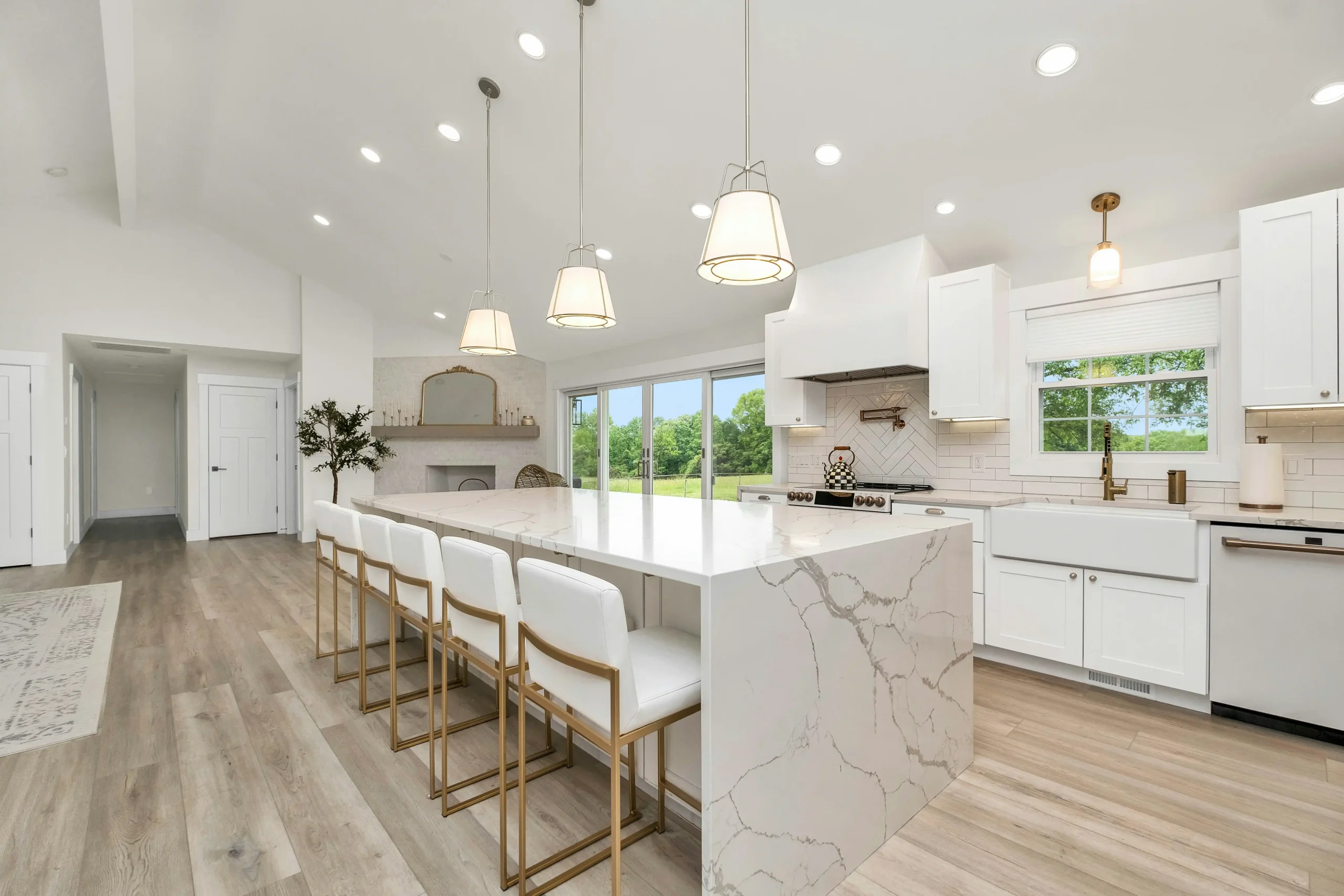
A kitchen remodel may range from a surface refresh to a full redesign. A lighter scope might include cabinet painting, new hardware, updated lighting, backsplash replacement, and countertop upgrades. A larger kitchen plan may involve new cabinetry, appliance relocation, plumbing changes, and improved layout flow.
For pre-sale projects, kitchens often deserve strong attention because buyers notice them immediately. Still, costs can rise quickly, so focus on improvements that modernize the space without overshooting neighborhood standards.
Bathroom scope
A bathroom remodel can also vary widely. Cosmetic improvements such as a new vanity, mirror, paint, fixtures, and regrouting may create a major visual upgrade at a moderate cost. Full bathroom renovations with shower rebuilds, waterproofing, tile replacement, and plumbing updates require a larger budget and more schedule coordination.
Bathrooms tend to produce strong visual impact in listing photos, so even modest updates can improve buyer perception.
Whole-home scope
A broader project may include flooring, interior paint, lighting, trim, kitchen updates, bathroom updates, and exterior improvements across the property. When evaluating a whole home remodel budget, it helps to break the project into line items by room and by trade. This makes it easier to cut or phase nonessential work if needed.
Whole-home planning is useful when the property has inconsistent finishes or widespread wear that would stand out to buyers. In those cases, cohesive updates can create a stronger overall impression than improving only one room.
How United Signature helps prioritize renovation budgets
Professional guidance can make a major difference when deciding where renovation dollars should go. United Signature helps homeowners prioritize work based on property condition, budget constraints, and the likely impact of each improvement on marketability and value.
That matters because not every renovation line item carries equal weight. Some updates solve visible issues that would discourage buyers. Others improve the listing presentation. Still others may add little measurable value in a competitive sale environment.
When homeowners are budgeting a renovation project paid at closing, a contractor with experience in this type of planning can help:
- Define the most effective scope before work begins
- Identify which repairs should happen first
- Separate cosmetic wants from high-priority needs
- Provide realistic cost expectations
- Reduce the risk of overspending on low-return upgrades
This kind of prioritization is especially helpful when the available budget must be aligned with the property’s likely sales outcome rather than personal long-term living preferences.
Avoiding over-improvement before sale
One of the biggest mistakes sellers make is renovating for themselves instead of renovating for the market. Over-improvement happens when the project cost exceeds what local buyers are willing to pay for in that area or price tier.
Common examples include:
- Installing luxury finishes in an otherwise mid-range neighborhood
- Choosing custom features with limited buyer appeal
- Reconfiguring layouts when a cosmetic refresh would be enough
- Adding highly personal design details before listing
The goal is not to create the most expensive home on the block. The goal is to present a clean, updated, competitive home that appeals to the widest buyer pool. In many cases, fresh paint, improved lighting, refinished flooring, and well-chosen kitchen and bathroom updates generate better returns than major custom investments.
This is why budgeting a renovation project paid at closing should always be tied to comparable sales, expected listing strategy, and likely buyer expectations.
Final pre-closing budget checklist
Before finalizing your renovation plan, review the budget with a practical checklist:
- Confirm the project goal. Is the renovation intended to support a faster sale, stronger listing photos, higher offers, or all three?
- List essential repairs first. Address safety, damage, and visible condition issues before cosmetic extras.
- Break out room-by-room costs. Avoid lump-sum assumptions that hide expensive scope creep.
- Include contingency funds. Reserve money for hidden conditions and adjustments.
- Review timeline risks. Factor in permits, materials, inspections, and labor scheduling.
- Compare upgrades against neighborhood standards. Do not outspend the market.
- Prioritize buyer-facing improvements. Focus on changes that improve photos, showings, and confidence.
- Get clear estimates. Make sure pricing reflects actual scope, not rough assumptions.
With the right plan, budgeting a renovation project paid at closing can be a smart, flexible way to prepare a home for market while protecting cash flow and maximizing the value of every renovation dollar.
FAQ
How is budgeting different when renovation costs are paid at closing?
When costs are paid at closing, the budget should be based on expected sale price, current property condition, lender or transaction timing, and which improvements are most likely to improve marketability and sale outcome, not simply on personal preferences.
Which repairs should be prioritized over optional upgrades?
Prioritize essential repairs first, including safety issues, water intrusion, roof, siding, electrical or plumbing problems, damaged flooring, broken fixtures, unsafe stairs, and visible maintenance items like paint and patching before spending on premium finishes or custom upgrades.
How much contingency should I include in a renovation budget paid at closing?
A contingency of about 10% may work for light cosmetic projects, while 15% to 20% is usually safer for older homes or larger renovations where hidden damage, permit changes, or material cost increases are more likely.
How can I estimate costs for kitchen, bathroom, and whole-home renovations?
Estimate by defining scope clearly for each area: cosmetic kitchen or bath updates cost less than layout changes or full rebuilds, and whole-home budgets should be broken into room-by-room and trade-by-trade line items so you can spot scope creep and trim nonessential work if needed.
How do I avoid over-improving a property before sale?
Avoid over-improving by matching updates to neighborhood standards, focusing on clean, neutral, buyer-friendly improvements, and choosing repairs and cosmetic upgrades that support listing appeal rather than luxury or highly personal features that may not return their cost.
What should be included in a final pre-closing renovation budget checklist?
Your checklist should confirm the project goal, list essential repairs first, break costs out by room, include contingency funds, review timeline risks like permits and materials, compare upgrades to neighborhood standards, prioritize buyer-facing improvements, and verify clear estimates based on actual scope.