

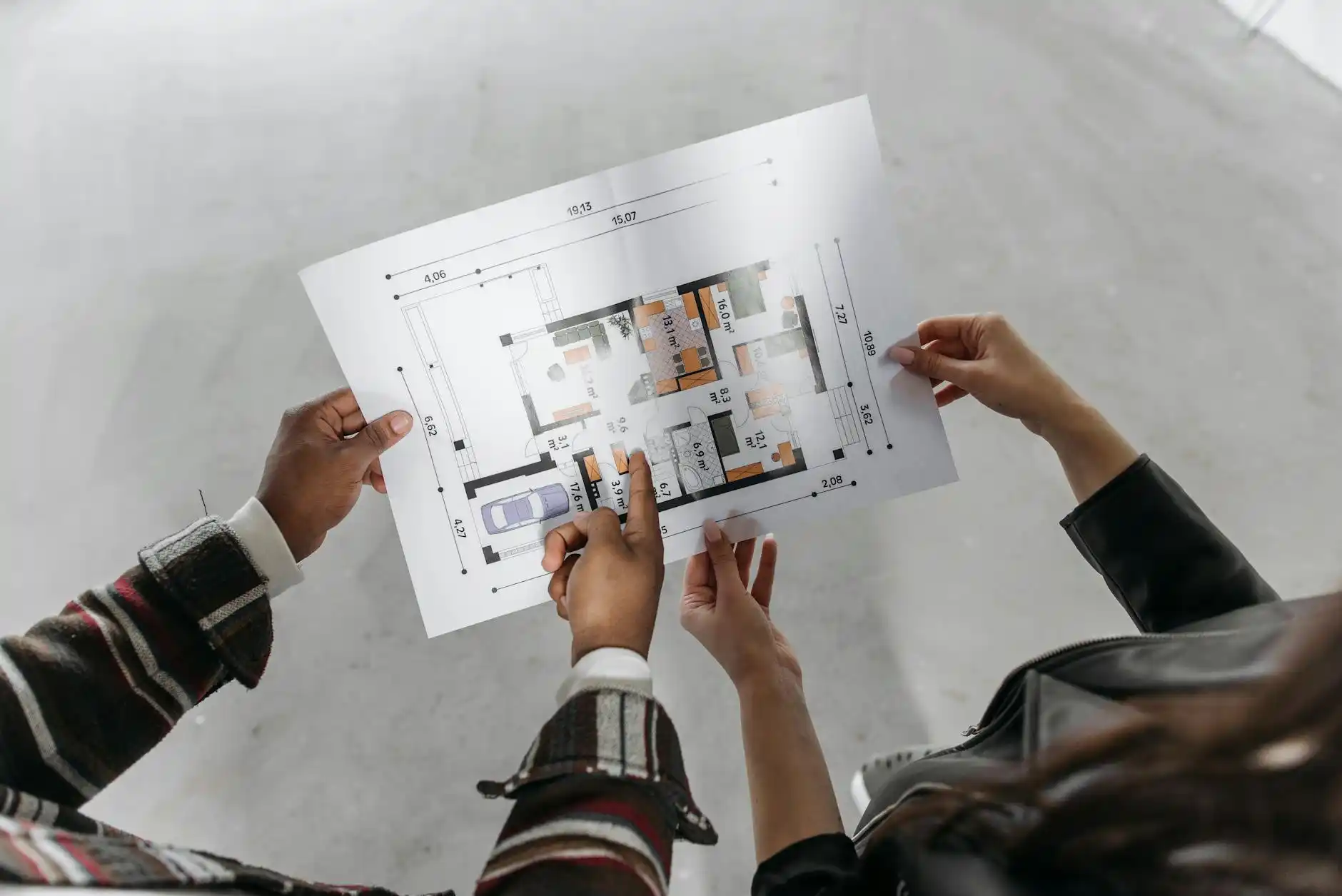
Getting a free quote from custom home builder professionals is one of the smartest first steps when you are planning a new home. A quote helps you understand the likely cost, timeline, and scope of your project before construction begins. The more prepared you are with your ideas, property details, and priorities, the more useful and accurate your estimate will be.
If you are just starting your search, it also helps to review available Custom home services so you can see what is included, what is optional, and how a builder approaches planning, design, and construction.

What information builders need for a quote
To provide a meaningful free quote from custom home builder teams, builders usually need a clear overview of your project goals. A vague request such as “How much does a custom home cost?” may only result in a broad price range. A better quote starts with better project details.
Most builders will ask for the following information:
- Preferred location or lot address
- Lot status, including whether you already own the land
- Approximate home size in square feet
- Number of bedrooms and bathrooms
- Number of stories
- Architectural style preferences
- Desired features such as a home office, guest suite, outdoor kitchen, or basement
- Target budget and ideal completion timeline
They may also ask whether you already have plans, need architectural help, or want a fully integrated Design-build planning process. The more complete your answers, the easier it is for the builder to create a quote that reflects your actual goals instead of a rough guess.
Scope, lot, design, and finish details
A custom home quote is shaped by four major factors: project scope, lot conditions, design complexity, and finish selections. Each one can significantly change your estimated cost.
Project scope
Scope refers to what is being built and included. A single-story home with a simple layout usually costs less per square foot than a multi-level home with complex rooflines, custom windows, and specialty spaces. Detached garages, accessory dwelling units, pools, and outdoor living areas can also affect the quote.
Lot conditions
Your land has a direct impact on pricing. A flat, build-ready lot is often less expensive to develop than one with slopes, drainage issues, tree removal, poor soil, or limited site access. Utility connections, permits, grading, and foundation requirements all influence the final estimate.
Design details
Even homes with the same square footage can have very different costs. Vaulted ceilings, large spans, extensive glass, custom staircases, and structural engineering needs can raise pricing. If you are requesting a free quote from custom home builder firms, be upfront about any unique design goals so they can account for them properly.
Finish selections
Cabinetry, flooring, appliances, countertops, tile, lighting, and plumbing fixtures can swing your budget dramatically. Builders often price based on an allowance if final selections are not made yet. Higher-end finishes may require updated pricing later, so it is wise to communicate your preferences early.
Rough estimate vs detailed proposal
Not all quotes are the same. In many cases, the first free quote from custom home builder companies provide is a rough estimate. This is a preliminary pricing range based on basic project information, average construction costs, and assumed finish levels.
A rough estimate is useful for early budgeting and comparing whether a project is realistic. However, it is not the same as a detailed proposal.
A detailed proposal usually includes:
- Defined construction scope
- Material assumptions or allowances
- Site work considerations
- Permit and utility notes
- Preliminary schedule
- Payment structure
- Exclusions and possible change-order items
The difference matters because homeowners sometimes mistake a ballpark number for a fixed price. If plans are incomplete or finish details are undecided, your estimate should be treated as a planning tool rather than a final commitment.
Why quote accuracy depends on project clarity
The accuracy of any custom home quote depends on how clearly the project is defined. Builders can only price what they understand. When important details are missing, they must make assumptions, and assumptions often lead to changes later.
For example, unclear information about lot preparation, septic systems, structural engineering, or finish quality can create large pricing gaps between early estimates and final construction costs. This is why many builders encourage homeowners to refine plans before expecting a highly precise number.
Working through design decisions early can improve estimate reliability and reduce surprises. If you are still shaping your ideas, a guided planning process can help clarify room layouts, style direction, material expectations, and site needs before pricing moves forward.
That is one reason many homeowners explore Design-build planning before requesting final numbers. A coordinated process between design and construction often leads to more realistic pricing, faster revisions, and better alignment between your budget and your vision.

Questions to ask when reviewing quotes
Once you receive a quote, review it carefully. A lower number is not always a better value if key items are missing. Ask direct questions so you understand what the estimate includes and where costs could change.
Helpful questions include:
- Is this a rough estimate or a detailed proposal?
- What assumptions were made about finishes and materials?
- Does the quote include site work, utility connections, permits, and demolition if needed?
- Are architectural plans and engineering included?
- What items are listed as allowances?
- What is excluded from the quote?
- How are change orders handled?
- What is the expected timeline from contract to completion?
- Are there financing resources available for the project?
If funding is still part of your planning, reviewing available Financing options can help you compare your expected project cost against realistic monthly or staged payment structures.
Common quote mistakes
Homeowners often make a few common mistakes when requesting or reviewing estimates. Avoiding them can make your free quote from custom home builder experience far more useful.
- Providing too little information: A builder cannot deliver accurate pricing without enough project detail.
- Comparing quotes without checking scope: Two builders may be pricing very different levels of work.
- Ignoring allowances: Low allowances can make an estimate appear cheaper than it will actually be.
- Overlooking lot development costs: Site preparation and utility work are major budget items.
- Assuming the estimate is fixed: Early pricing may change as plans and selections become more specific.
- Choosing only by lowest price: Experience, communication, quality, and transparency matter just as much.
It is also a mistake to delay questions. If something in the quote seems unclear, ask for clarification before moving ahead.
Next steps after receiving an estimate
After receiving a quote, take time to compare it against your budget, priorities, and project timeline. If the estimate aligns with your expectations, the next step is usually a deeper consultation to refine the scope and discuss design, scheduling, and contract structure.
You may also want to:
- Review inclusions, exclusions, and allowances in detail
- Confirm lot readiness and any site constraints
- Prioritize must-have features versus optional upgrades
- Discuss design revisions that could bring pricing into budget
- Explore scheduling and financing strategy
- Request a more detailed proposal if you began with a rough estimate
If you are ready to move forward, you can Request a custom home quote and start a more detailed conversation about your land, design goals, and construction budget. A well-prepared free quote from custom home builder professionals can give you the confidence to make informed decisions and move your project ahead with fewer surprises.
FAQ
What information do I need to get a free quote from a custom home builder?
Provide your lot location or address, lot status, approximate square footage, number of bedrooms and bathrooms, number of stories, style preferences, desired features, target budget, timeline, and whether you already have plans or need design help.
What affects the accuracy of a custom home builder’s quote?
Quote accuracy depends on how clearly your project is defined, including lot conditions, scope, design complexity, utility and site-work needs, and finish selections. Missing details force builders to make assumptions, which can lead to pricing changes later.
What is the difference between a rough estimate and a detailed proposal?
A rough estimate is an early pricing range based on basic project details and assumptions, while a detailed proposal gives a clearer breakdown of scope, allowances, site considerations, exclusions, schedule, and payment structure.
How long does it take to receive a quote from a custom home builder?
Timing varies by builder and project complexity. A simple preliminary estimate may come fairly quickly, while a detailed proposal usually takes longer because it requires more review of plans, site conditions, and selections.
What questions should I ask when reviewing a builder’s quote?
Ask whether it is a rough estimate or detailed proposal, what assumptions were made, what allowances and exclusions apply, whether site work, permits, utilities, plans, and engineering are included, how change orders are handled, and what timeline is expected.
What should I do after receiving a custom home building estimate?
Compare the estimate to your budget, priorities, and timeline, then review inclusions, exclusions, allowances, and lot readiness in detail. From there, refine the scope, discuss design or budget adjustments, explore financing if needed, and request a more detailed proposal if the first quote was only preliminary.