

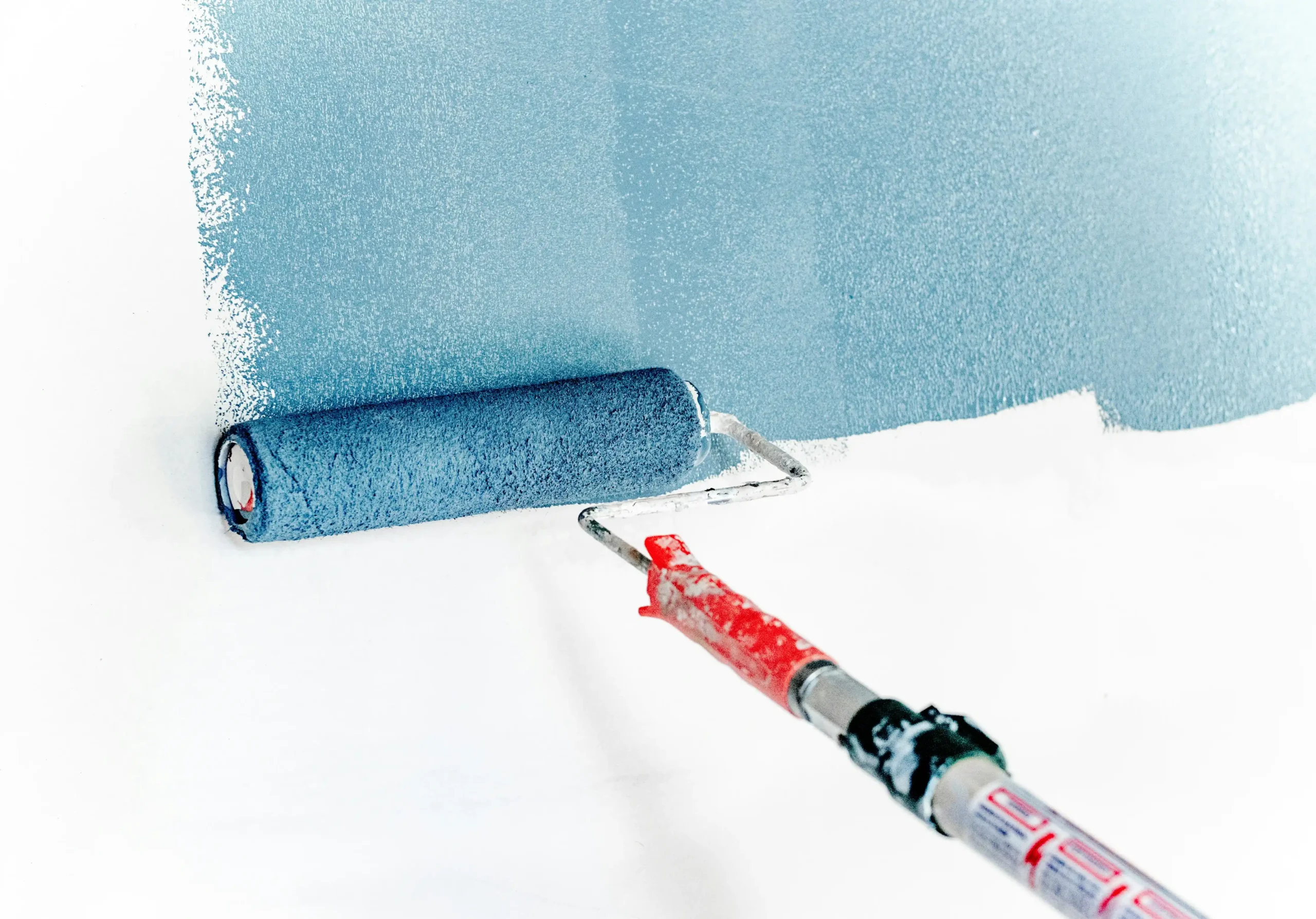
Choosing the best waterproof paint brands for bathroom walls is about more than color. Bathrooms, laundry rooms, mudrooms, and other high-moisture spaces deal with daily steam, splashes, temperature swings, and poor airflow that can break down ordinary paint much faster than homeowners expect. The right product should resist moisture, hold up to cleaning, and help reduce mold and mildew growth while still giving you the look you want.
If you are updating a bath as part of a larger Bathroom Remodeling project, selecting the right paint can improve both durability and long-term maintenance. And if you are coordinating finishes across a Whole Home Remodel or planning moisture-prone spaces within Home Additions, it helps to know which paint types actually perform in humid conditions.
What bathroom paint really needs to resist
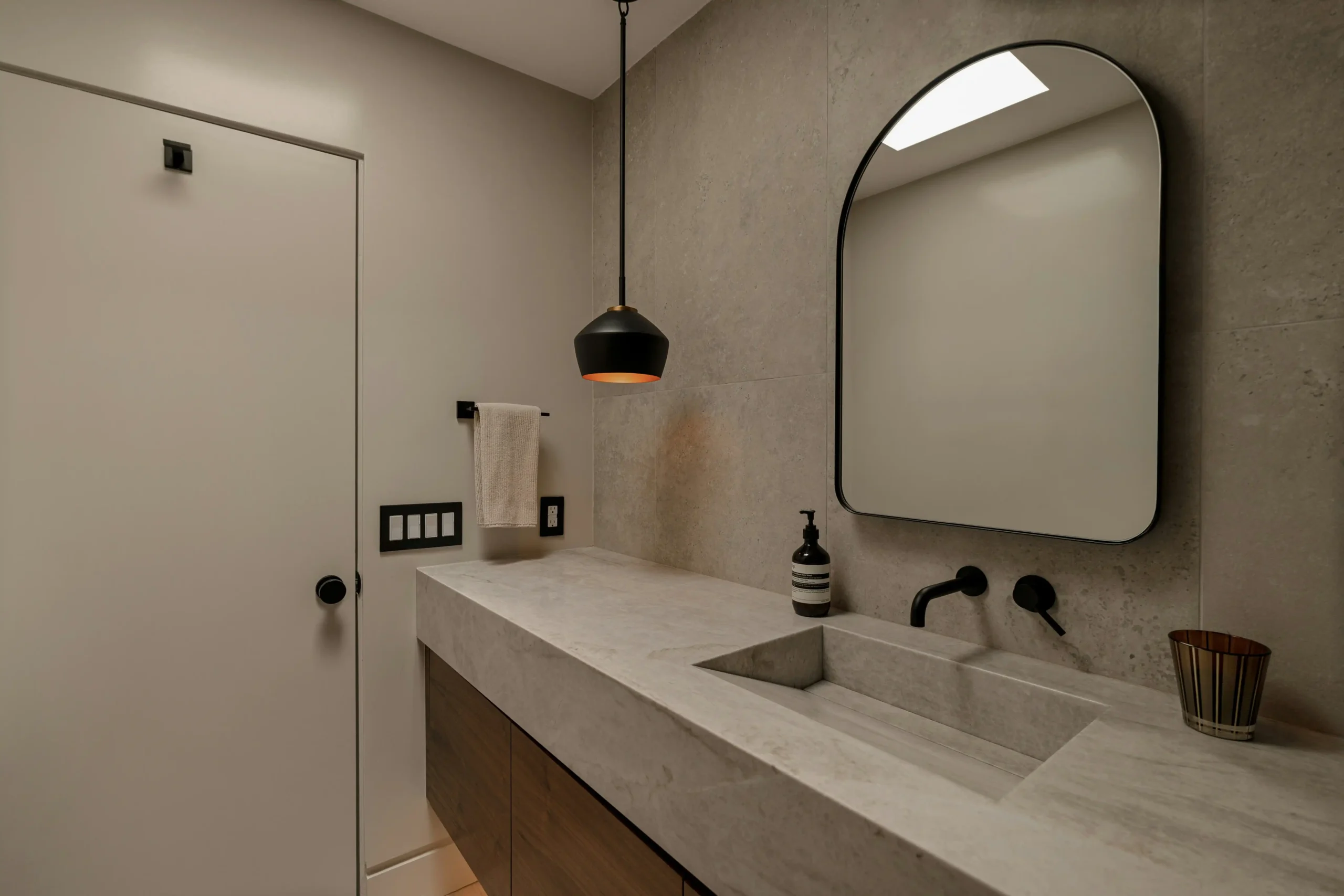
The best waterproof paint brands for bathroom walls are designed to handle a combination of challenges, not just direct water exposure. Most painted bathroom walls are not fully submerged, but they are regularly exposed to humidity and condensation. That means bathroom paint needs to resist:
- Steam and condensation that can soften weak paint films
- Splashing water near tubs, sinks, and shower-adjacent walls
- Mold and mildew in corners, ceilings, and poorly ventilated areas
- Frequent cleaning without scuffing or losing sheen
- Peeling and blistering caused by trapped moisture behind the paint
It is also important to understand that “waterproof” can be a loose marketing term. For standard bathroom walls, what you usually want is a high-quality acrylic latex paint with moisture resistance, stain resistance, and mildew-resistant additives. In direct wet zones like shower walls, paint is rarely the best long-term solution unless it is a specialty coating specifically rated for that use.
Mold- and mildew-resistant formulas worth comparing
When comparing the best waterproof paint brands for bathroom walls, look closely at premium interior paints marketed for baths, kitchens, and high-humidity rooms. The strongest options usually combine durable acrylic binders with built-in mold- and mildew-resistant technology on the paint film.
What to look for in a formula
- 100% acrylic latex for flexibility and adhesion
- Mildew-resistant coating protection on the dried paint film
- Washable or scrubbable finish for easy maintenance
- Low-VOC or zero-VOC options for better indoor air quality
- Primer-and-paint compatibility with previously painted or repaired drywall
Brands often considered among the best
Several major manufacturers offer reliable products for bathrooms. Specific product lines change over time, but homeowners and contractors often compare premium options from Benjamin Moore, Sherwin-Williams, Behr, PPG, and Zinsser.
- Benjamin Moore is often chosen for smooth application and durable premium bathroom-friendly finishes.
- Sherwin-Williams offers several moisture-resistant interior paints with strong scrub resistance and good color retention.
- Behr is popular for accessible pricing and solid performance in household bathrooms.
- PPG has high-durability interior formulas that work well in humid spaces.
- Zinsser is especially useful when stains, previous mildew issues, or difficult surfaces call for specialty primers and coatings.
No matter the brand, proper ventilation and prep matter just as much as the label. Even the best formula can fail in a bathroom with poor exhaust, existing mildew, or unsealed wall damage.
Best paint finishes for walls, ceilings, and trim
Finish affects durability almost as much as product quality. The best waterproof paint brands for bathroom walls still need the right sheen level for each surface.
Walls
Satin is usually the best all-around choice for bathroom walls. It offers a soft look, better moisture resistance than flat paint, and enough washability for routine cleaning. In very humid bathrooms, some homeowners prefer semi-gloss for extra durability, though it can highlight surface imperfections.
Ceilings
A mildew-resistant matte or low-sheen ceiling paint is often ideal. Ceilings collect condensation, but overly glossy paint can emphasize every patch, seam, and roller mark. Choose a product specifically made for bath ceilings if possible.
Trim and doors
Semi-gloss is the standard for trim, doors, and window casings in bathrooms. It stands up well to touching, wiping, and occasional splashing.
- Best wall finish: Satin
- Best ceiling finish: Bath-rated matte or low sheen
- Best trim finish: Semi-gloss
Surface prep steps that make bathroom paint last longer
Paint failure often starts before the first coat goes on. If you want the best waterproof paint brands for bathroom walls to perform as advertised, prep the room carefully.
- Clean the surfaces thoroughly. Remove soap residue, hair spray buildup, body oils, and dust.
- Treat mold or mildew correctly. Clean affected areas with the proper mildew-removal solution and allow them to dry fully.
- Repair damage. Patch nail holes, cracks, and any softened drywall caused by past moisture.
- Sand glossy or uneven areas. This improves adhesion and smooths old paint edges.
- Prime when needed. Use a stain-blocking or bonding primer over repairs, stains, or problematic existing coatings.
- Paint only when the room is dry. Avoid painting immediately after hot showers or in damp conditions.
- Allow proper cure time. Dry-to-touch does not mean fully cured. Follow the manufacturer’s recoat and cure guidelines.
Good prep becomes even more important in older homes, where hidden moisture issues, weak ventilation, or previous paint buildup may already be compromising the walls.
When paint is enough and when tile or wall panels are better
Paint works very well on most bathroom walls outside direct spray zones. Around vanities, toilets, and general wall areas, a quality moisture-resistant paint is usually enough. But there are times when paint is not the best solution.
Paint is usually enough for:
- Powder rooms
- Guest bathrooms with light use
- Main bathroom walls outside the tub or shower surround
- Ceilings with decent ventilation and proper prep
Tile or wall panels are better for:
- Shower enclosures
- Tub surrounds with heavy daily splashing
- Bathrooms with chronic ventilation problems
- Homes with repeated peeling near wet zones
If your current layout allows too much water to hit painted drywall, upgrading to tile, composite panels, or another non-porous wall finish may save money over time. In larger renovation projects, a design-build team can help decide where paint is practical and where a more water-resistant surface makes sense.
Color choices that hold up well in humid bathrooms
Color does not change a paint’s moisture resistance, but it does affect how well the room hides wear, condensation marks, and maintenance needs. Mid-tone and soft neutral colors tend to perform well visually in humid bathrooms.
- Warm whites keep bathrooms bright without showing every drip mark as harshly as stark white
- Soft grays pair well with stone, chrome, and black fixtures
- Greige and taupe add warmth and hide minor surface imperfections
- Muted blue-greens create a clean, spa-like feel suited to bath spaces
- Navy or charcoal accents can work well on vanities or trim when balanced with lighter walls
Very dark colors can look dramatic, but they may reveal water spotting, soap residue, and poor wall texture more easily in small bathrooms. Very flat bright whites can also show uneven patches if the surface is less than perfect.
Common reasons bathroom paint fails too early
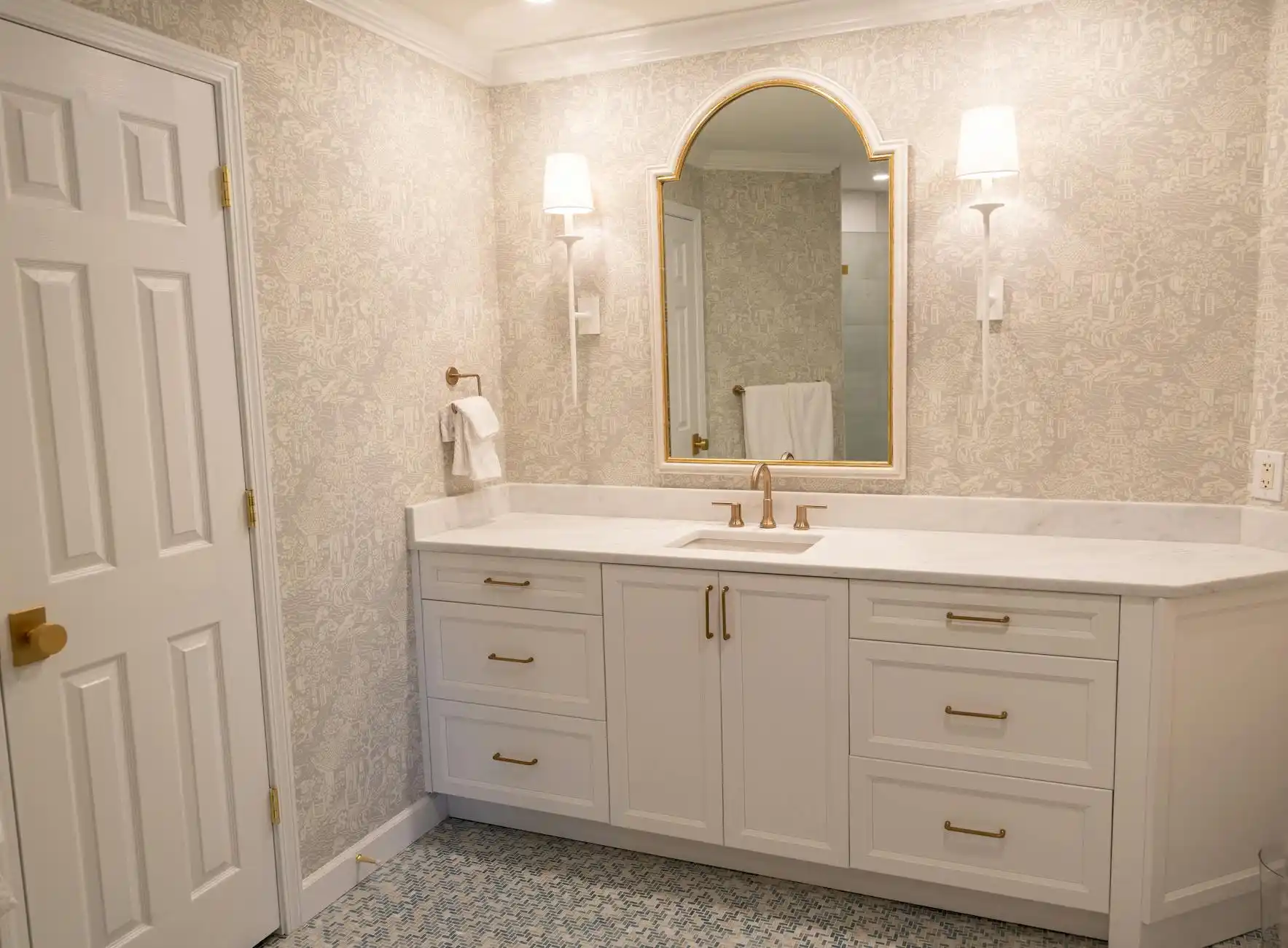
Even the best waterproof paint brands for bathroom walls can fail early if the room conditions are working against them. Most problems trace back to one of these issues:
- Poor ventilation causing constant trapped humidity
- Painting over existing mildew instead of removing it
- Skipping primer on patched, stained, or glossy surfaces
- Using flat standard wall paint in a high-moisture room
- Painting damaged drywall that should have been replaced
- Applying paint in thick coats or in a damp room
- Using paint in direct wet areas where tile or panels are more appropriate
If paint is peeling repeatedly in the same area, the issue may not be the brand at all. It could indicate hidden leaks, condensation from poor insulation, or an undersized exhaust fan. In that case, solving the moisture source matters more than switching products.
FAQ
What type of paint works best on bathroom walls?
A premium 100% acrylic latex interior paint made for bathrooms or other high-humidity rooms works best. Look for moisture resistance, scrubability, and mildew-resistant protection rather than relying only on a waterproof label.
Which paint finish is best for bathroom walls and ceilings?
Satin is usually the best finish for bathroom walls because it balances moisture resistance, cleanability, and appearance. For ceilings, use a bath-rated matte or low-sheen paint that resists mildew without highlighting surface flaws.
Does bathroom paint help prevent mold and mildew?
Yes, bathroom paint with mildew-resistant additives can help protect the dried paint film, especially in humid rooms. It still works best when combined with proper cleaning, surface prep, and good ventilation.
How should I prep bathroom walls before painting?
Clean off soap film, dust, and residue, remove any mildew properly, let the surface dry fully, repair damaged drywall, sand glossy spots, and prime repairs, stains, or tricky surfaces before painting. Also avoid painting in a damp room and follow the product’s cure times.
When is paint enough for a bathroom, and when are tile or wall panels a better choice?
Paint is usually enough for powder rooms, guest baths, and most bathroom walls outside direct spray areas. Tile or wall panels are a better choice for shower enclosures, tub surrounds, heavy splash zones, and bathrooms with chronic moisture or ventilation problems.
Why does bathroom paint peel, bubble, or fail early?
Bathroom paint usually fails early because of trapped humidity, poor ventilation, painting over mildew, skipping primer, using standard flat wall paint, applying paint in damp conditions, or using paint where water hits the wall too often. Repeated failure can also point to hidden leaks or insulation issues, not just the paint brand.