

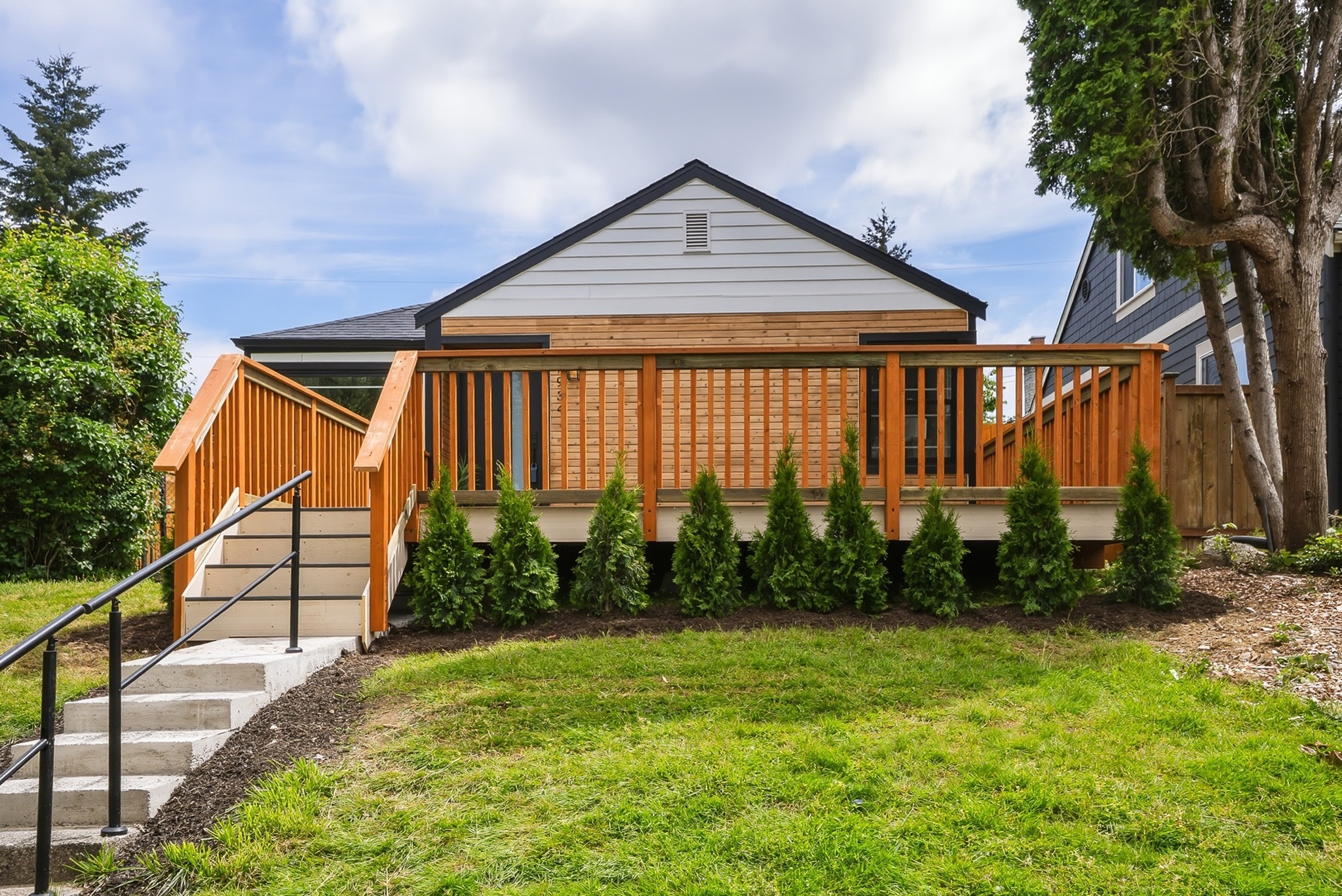
Understanding the stages of custom home construction project helps homeowners set realistic expectations, make confident decisions, and stay engaged from the first meeting to move-in day. While every build is unique, most custom homes follow a clear sequence that begins with planning and ends with a final walkthrough, ensuring the home is functional, beautiful, and aligned with your lifestyle goals.
A well-managed custom build combines vision, budgeting, engineering, scheduling, and craftsmanship. Working with an experienced team can make the process smoother, especially when each phase is explained in advance and coordinated carefully.

Pre-construction planning and discovery
The first of the major stages of custom home construction project is discovery and pre-construction planning. This phase is where homeowners define priorities, gather inspiration, evaluate the property, and discuss lifestyle needs with the builder and design team.
Typical conversations in this stage include:
- Desired square footage and room count
- Architectural style and exterior appearance
- Family routines, entertaining needs, and future flexibility
- Lot conditions, setbacks, access, and topography
- Target budget and preferred timeline
This is also the ideal time to review the builder’s Construction process so you understand how communication, approvals, scheduling, and quality control will be handled. Early clarity prevents misalignment later and helps the project start on a strong foundation.
For many homeowners, pre-construction is also where feasibility is tested. If the lot has slope issues, utility access challenges, or local zoning restrictions, those factors can affect the design and cost before building begins.
Design, architecture, and budgeting
Once the vision is defined, the next stage focuses on translating ideas into plans. During this phase, the homeowner works through floor plans, elevations, exterior materials, and key interior concepts. Strong Design-build planning can streamline decisions by aligning design intent with cost, constructability, and schedule from the start.
This stage often includes:
- Conceptual layouts and space planning
- Architectural drawings and structural coordination
- Preliminary finish selections
- Budget development and scope review
- Value engineering if costs exceed targets
One of the most important parts of the stages of custom home construction project is balancing design ambition with budget realities. Larger windows, complex rooflines, specialty finishes, and custom millwork can significantly influence cost. A skilled team helps prioritize where to invest and where practical alternatives may offer similar visual impact.
It is common for drawings and pricing to go through a few rounds of refinement. That is a healthy part of the process, because it reduces surprises once construction begins.
Permits and site preparation
After the plans are sufficiently developed, the project moves into approvals and field readiness. This stage covers permit submission, jurisdiction review, and preparing the lot for actual construction. Depending on location and project complexity, permitting timelines can vary widely.
Site preparation may include:
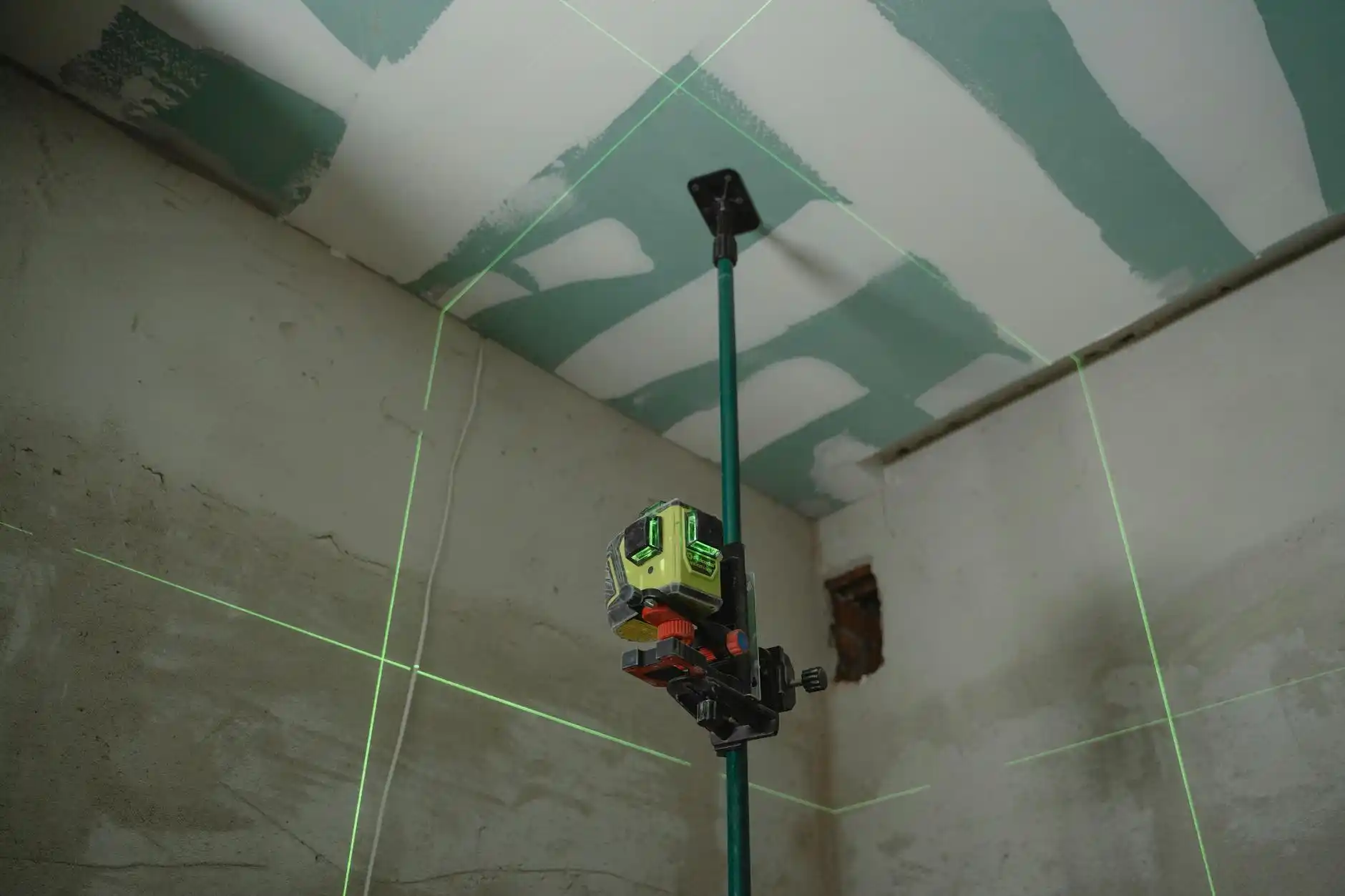
- Surveying and staking the home footprint
- Clearing vegetation or old structures
- Excavation and rough grading
- Temporary utilities and site access setup
- Erosion control and safety measures
During this phase, paperwork and physical work start to converge. Engineers, permit officials, and the builder coordinate to ensure the home complies with zoning, structural, energy, and safety requirements. If changes are required by the local authority, they are addressed before major construction proceeds.
Homeowners exploring premium Custom home services often appreciate how much behind-the-scenes coordination happens here. Even though the visible home has not yet taken shape, this phase is critical for avoiding delays and protecting build quality.
Foundation and framing
Foundation and framing are the most visually dramatic of the stages of custom home construction project. Once excavation is complete, crews form and pour the foundation, whether that includes a slab, crawl space, or basement. After curing and inspections, framing begins and the structure rapidly becomes recognizable as a home.
This stage generally includes:
- Footings and foundation walls
- Waterproofing and drainage systems
- Floor systems, walls, and roof framing
- Sheathing, house wrap, and structural connectors
- Window and exterior door installation
By the end of framing, room sizes, ceiling heights, window placement, and circulation patterns are much easier to visualize. This is an exciting point for homeowners, but it is also a stage where precision matters greatly. Structural accuracy affects nearly everything that follows, from cabinetry alignment to flooring transitions.
Once the home is dried in, interior systems can begin without the same level of weather exposure.
Mechanical systems and inspections
After framing comes the rough-in stage for the systems that make the home livable and efficient. Electricians, plumbers, HVAC technicians, and low-voltage specialists install the infrastructure hidden behind the walls and ceilings.
Common rough-in work includes:
- Electrical wiring, panels, and outlet placement
- Plumbing supply lines, drains, and venting
- Heating, cooling, and ventilation ductwork
- Smart home wiring, security, and audio systems
- Insulation after rough inspections are approved
Inspections are especially important during this stage. Local officials verify that installations meet code before drywall covers them. Any issues identified are corrected before the project moves forward. This protects both safety and long-term performance.
Many homeowners do not realize how much coordination is required here. Mechanical systems must fit within framing, avoid conflicts with one another, and support the final layout of lighting, appliances, plumbing fixtures, and built-ins.
Interior finishes and punch list
Once the walls are closed and finished, the home enters the detail-rich phase that gives it personality. Drywall, trim, flooring, cabinetry, tile, paint, countertops, lighting, and fixtures are installed in a carefully sequenced order.
This stage often includes:
- Drywall hanging, taping, and texture
- Interior doors, baseboards, and molding
- Cabinet and built-in installation
- Tile, hardwood, carpet, or other flooring
- Countertops, plumbing fixtures, and lighting
- Appliance installation and finish electrical work
As the home nears completion, the builder creates a punch list. This is a detailed record of final touch-ups, adjustments, and small corrections that need attention before handover. Examples may include paint touch-ups, door alignment, hardware adjustments, grout repairs, or minor finish defects.
The punch list is one of the final quality-control steps in the stages of custom home construction project. Done well, it ensures the finished home reflects the standard promised during the planning and design phases.
Final walkthrough and handover
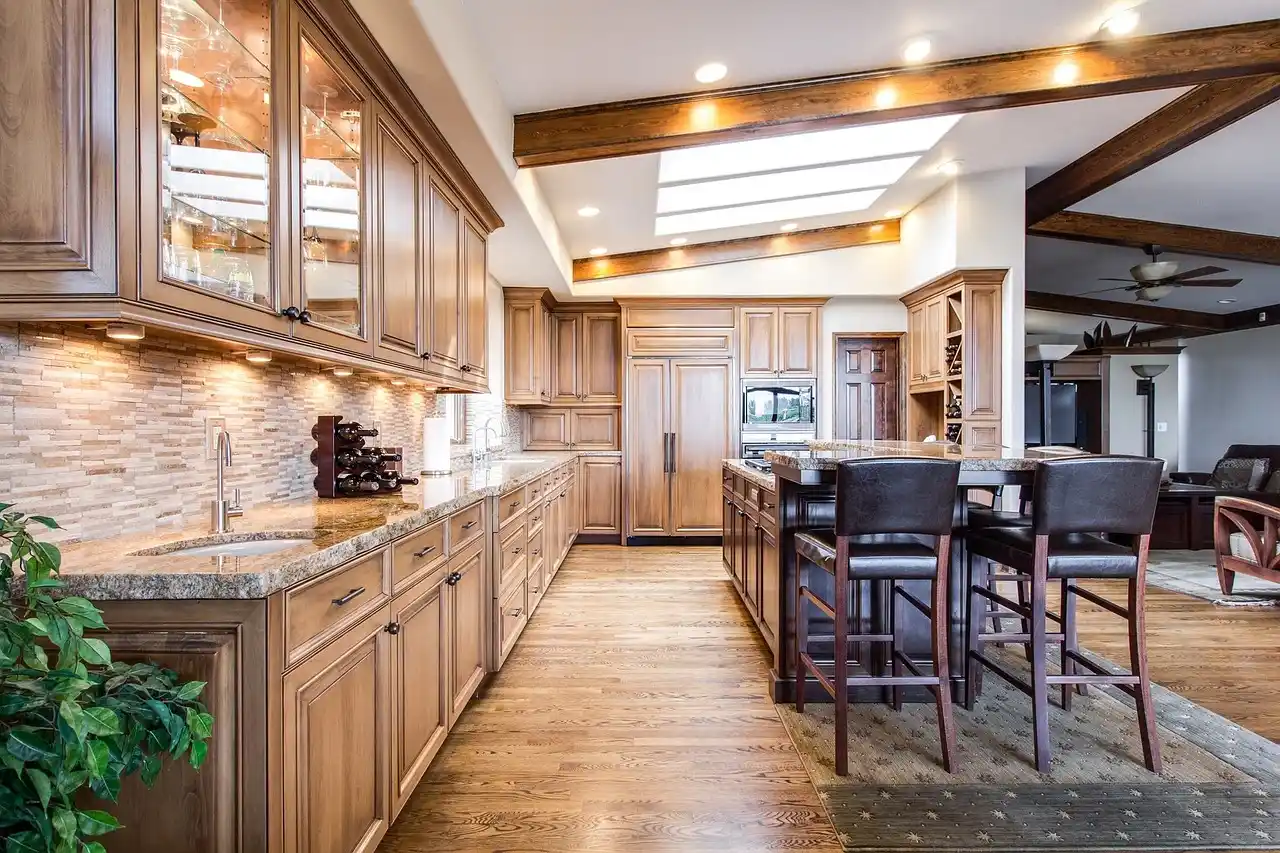
The final walkthrough is when the builder and homeowner review the completed home together. The purpose is to confirm that punch list items are addressed, demonstrate how systems operate, and answer any remaining questions before move-in.
During handover, homeowners typically receive:
- Appliance and equipment manuals
- Warranty information
- Maintenance recommendations
- Keys, access codes, and system instructions
- A summary of final inspections and approvals
This is also the time to learn the care requirements for finishes and materials. Natural stone, hardwood, paint, roofing, HVAC filters, and drainage systems all benefit from proper maintenance from day one.
If you are preparing to build and want expert guidance through every phase, you can Request project consultation to discuss your goals, lot conditions, design preferences, and schedule.
In the end, understanding the stages of custom home construction project helps you navigate the experience with more confidence. From pre-construction planning to the final handover, each phase plays a distinct role in turning a concept into a well-crafted custom home.
FAQ
How long do design, permitting, and approvals usually take for a custom home?
Design, permitting, and approvals can take several weeks to a few months depending on the home’s complexity, local review timelines, lot conditions, and how quickly plans and pricing are finalized.
When should I make finish and material selections during a custom home project?
Finish and material selections should begin during design and budgeting, then be finalized before ordering and installation deadlines so pricing stays accurate and the schedule is not delayed.
What should be included in a final quality checklist before move-in?
A final quality checklist should cover completion of punch list items, paint and finish touch-ups, door and hardware alignment, fixture and appliance operation, final inspections and approvals, and delivery of manuals, warranties, keys, access codes, and maintenance instructions.