

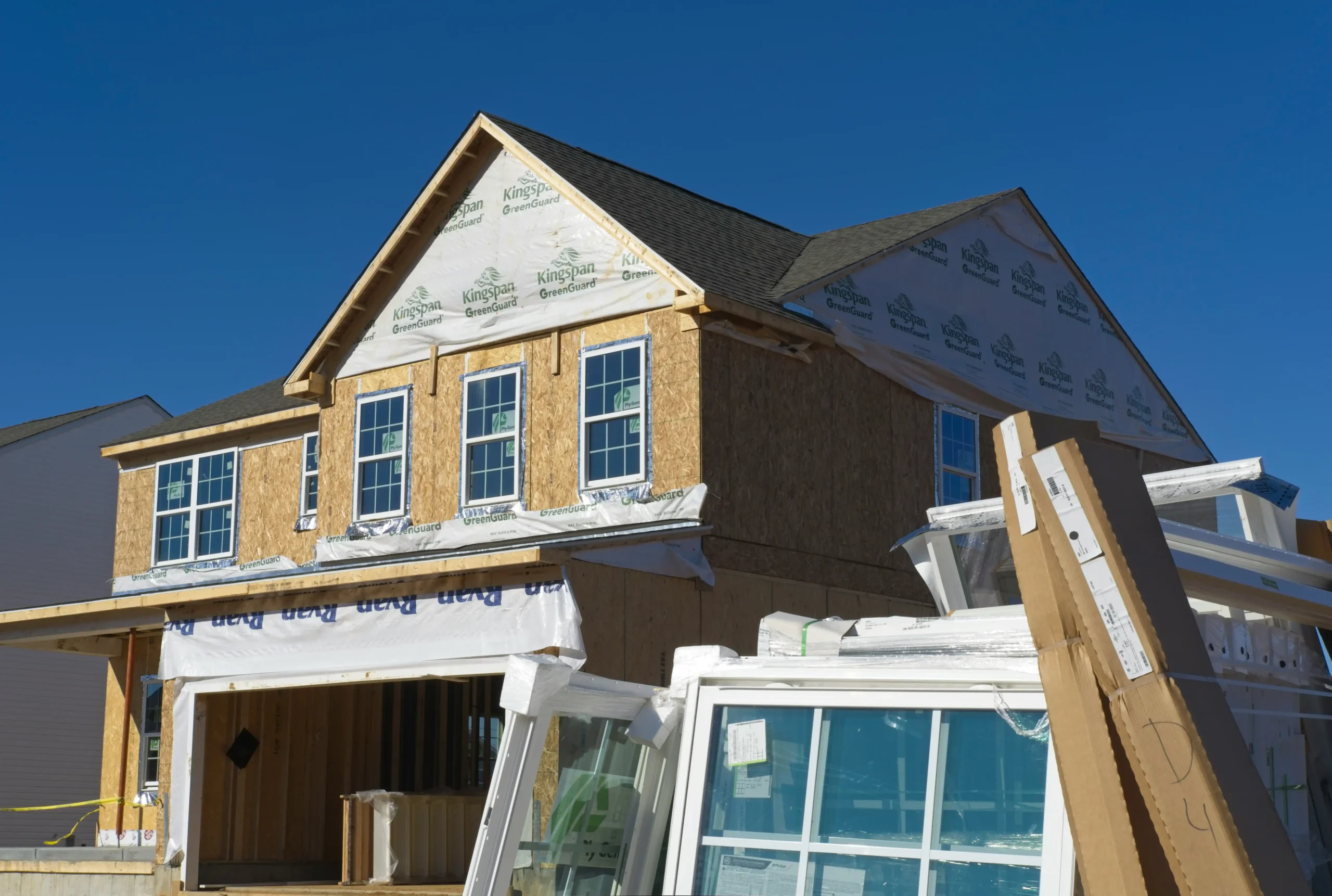
Building a custom home gives you the chance to create a space that fits your lifestyle, priorities, and long-term goals. But even the most exciting project can go off track without careful planning. Understanding the main pitfalls to avoid when building a custom home can help you protect your budget, reduce delays, and make better decisions from the first meeting to the final walkthrough. With the right team, a clear plan, and realistic expectations, you can avoid common mistakes that often lead to stress, rework, and unexpected costs.
Starting without a realistic budget
One of the biggest pitfalls to avoid when building a custom home is starting with a wish list before establishing a full project budget. Many homeowners focus on the base construction number and overlook soft costs, site work, permits, utility connections, landscaping, design fees, and contingency funds.
A realistic budget should account for both expected and unexpected expenses. Soil conditions, material price changes, and code-related updates can all affect the final cost. Without enough financial flexibility, you may be forced to make rushed compromises later in the project.
To stay ahead, begin with detailed Custom home project planning. Early planning helps you match your vision to your investment level and identify where to prioritize spending. It is also wise to reserve a contingency fund, typically around 10% to 15%, for changes or surprises that may arise during construction.
- Define your must-haves versus nice-to-haves
- Include permits, design fees, and site prep in your budget
- Set aside a contingency fund before construction begins
- Review allowances carefully so you understand what is actually included
Choosing a builder based only on price
Selecting the lowest bid may seem like a smart financial move, but it can become one of the costliest mistakes in the long run. A lower price does not always reflect the same scope, quality standards, communication process, or experience level as competing proposals.
Some bids appear attractive because they exclude important items, use unrealistic allowances, or leave room for costly change orders later. Instead of comparing only the final number, look at what each builder includes, how they manage schedules, and how transparent they are during planning.
Take time to review Client reviews and ask detailed questions about timelines, craftsmanship, warranty support, and communication. A builder with a strong reputation and proven systems often delivers more value than one with the cheapest estimate.
If you want to avoid the common pitfalls to avoid when building a custom home, evaluate builders based on experience, process, and fit, not just price.
Underestimating design and permit timelines
Many homeowners assume construction starts soon after the design is approved. In reality, design development, engineering, approvals, and permits often take longer than expected. This is especially true for custom homes with complex architecture, challenging lots, or jurisdiction-specific requirements.
When timelines are underestimated, the entire project can feel delayed before the first shovel hits the ground. That frustration often leads to rushed decisions, which can create additional setbacks later.
A better approach is to build a realistic schedule from the start and understand Our process before moving forward. Knowing how design, pricing, approvals, and construction phases connect can help you set practical expectations and reduce stress.
Important factors that affect timelines include:
- Architectural revisions and client feedback cycles
- Structural engineering and consultant coordination
- Permit review periods and municipal backlogs
- Material lead times for custom or specialty products
Making late finish selections
Finish selections may seem like details you can decide later, but waiting too long can disrupt purchasing, scheduling, and installation. Cabinets, windows, tile, lighting, plumbing fixtures, and appliances often have long lead times, particularly when they are custom or imported.
Late selections can also create design inconsistencies. If choices are made under pressure, homeowners may pick products based on availability rather than quality, budget, or overall style. That can affect both the final look and the long-term function of the home.
Coordinating selections early through Design-build coordination helps align design intent, construction scheduling, and procurement. This makes it easier to confirm dimensions, avoid rework, and keep trades moving efficiently.
- Finalize major finishes as early as possible
- Confirm lead times before approving selections
- Make sure all choices fit the budget and design plan
- Document selections clearly so everyone works from the same information
Poor communication and unclear responsibilities
Communication issues are among the most preventable pitfalls to avoid when building a custom home. When roles are not clearly defined, homeowners may not know who handles selections, who approves changes, or who is responsible for resolving site issues.
Miscommunication can lead to duplicated work, incorrect installations, missed deadlines, and frustration for everyone involved. This becomes more likely when architects, interior designers, engineers, and builders are not aligned.
Before construction starts, establish a clear communication structure. Determine how often meetings will happen, who the main point of contact is, and how updates will be shared. It also helps to document decisions in writing so there is a clear record if questions come up later.
Strong communication should include:
- A single point of contact for key project updates
- Regular progress meetings and written summaries
- Clear responsibility for approvals and selections
- Fast clarification of questions before work proceeds
Ignoring change-order details
Changes are common in custom home construction, but they should never be handled casually. A verbal request to move a wall, upgrade a finish, or revise cabinetry can affect cost, materials, labor, and schedule. If those details are not documented properly, misunderstandings can quickly follow.
Every change order should clearly explain what is changing, how much it will cost, and whether it affects the completion timeline. Homeowners should review and approve these documents carefully before additional work begins.
One of the most costly pitfalls to avoid when building a custom home is assuming small changes will have small consequences. Even minor revisions can trigger structural updates, permit adjustments, or delays with other trades. Clear paperwork protects both the homeowner and the builder.
Building without a final quality checklist
As the project nears completion, excitement can make it tempting to rush through the final phase. But skipping a detailed quality checklist can leave unfinished items, cosmetic defects, or system issues undiscovered until after move-in.
A final quality review should cover finishes, fixtures, doors, windows, paint, trim, flooring, appliances, and mechanical systems. It should also confirm that all agreed-upon details were installed correctly and function as intended.
Walk through the home carefully with your builder and create a punch list of items to address before final sign-off. This step helps ensure that the craftsmanship matches expectations and that nothing important is overlooked.
Key items to review include:
- Paint touch-ups, trim alignment, and surface finishes
- Cabinet operation, hardware placement, and appliance function
- Lighting, plumbing fixtures, and HVAC performance
- Exterior drainage, hardscape details, and final cleanup
FAQ
What is the biggest mistake to avoid when building a custom home?
Starting without a realistic full-project budget and clearly defined scope is often the biggest mistake, because it leads to rushed compromises, delays, and unexpected costs later.
How much budget contingency should I set aside for a custom home build?
Set aside a contingency fund of about 10% to 15% of the total project budget to cover surprises such as site conditions, material price changes, or code-related adjustments.
Why is choosing the lowest bid builder risky for a custom home?
The lowest bid can be risky because it may exclude important items, use unrealistic allowances, or lead to costly change orders later, so value, transparency, and experience matter more than price alone.
How long do design, permitting, and approvals usually take for a custom home?
There is no single fixed timeline, because design development, engineering, municipal reviews, and permits often take longer than expected, especially for complex homes or challenging lots.
When should I make finish and material selections during a custom home project?
Make major finish and material selections as early as possible so lead times, pricing, dimensions, and installation schedules can be coordinated before construction is affected.
How can I avoid costly change orders when building a custom home?
Avoid costly change orders by doing thorough planning upfront, finalizing as many decisions as possible early, and requiring every change to be documented in writing with cost and schedule impacts before work proceeds.
What should be included in a final quality checklist before move-in?
A final quality checklist should cover finishes, paint, trim, flooring, doors, windows, cabinets, hardware, appliances, lighting, plumbing fixtures, HVAC performance, exterior drainage, hardscape details, and all remaining punch-list items.