

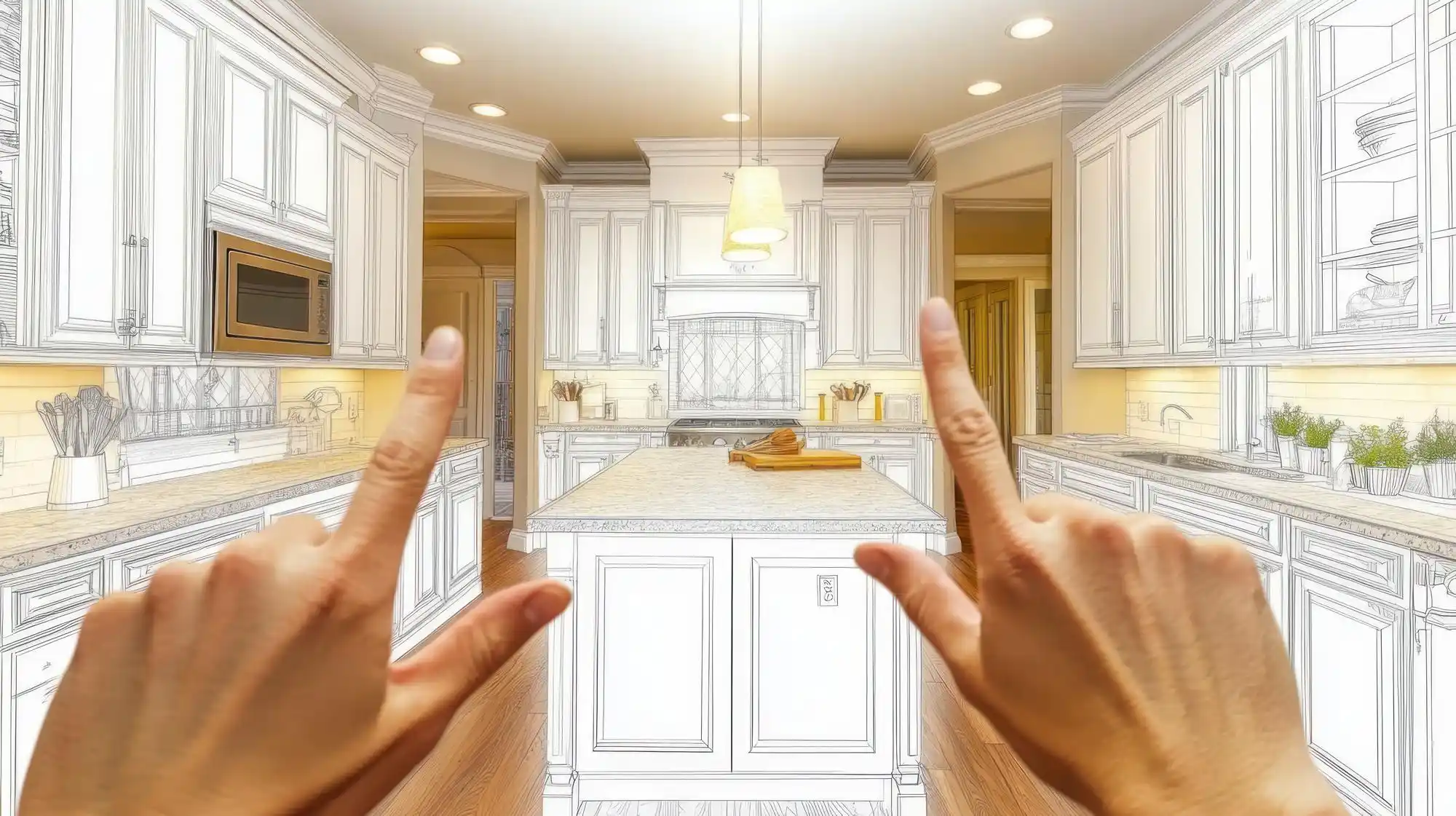
The total kitchen remodel cost can range from a few thousand dollars for cosmetic upgrades to well over $75,000 for a high-end redesign. Pricing depends on the size of the kitchen, the scope of work, labor rates in your area, and the materials you choose. Whether you are planning a simple refresh or a complete transformation, understanding where the money goes helps you set a realistic budget and avoid surprises.
Homeowners often compare cabinet pricing, countertop options, and appliance packages first, but the true cost of a remodel also includes layout changes, plumbing, electrical work, permits, and finish details. If you are starting to explore Kitchen Remodeling or a larger Home Remodeling project, this guide breaks down the numbers in a practical way.
How kitchen remodel costs are calculated
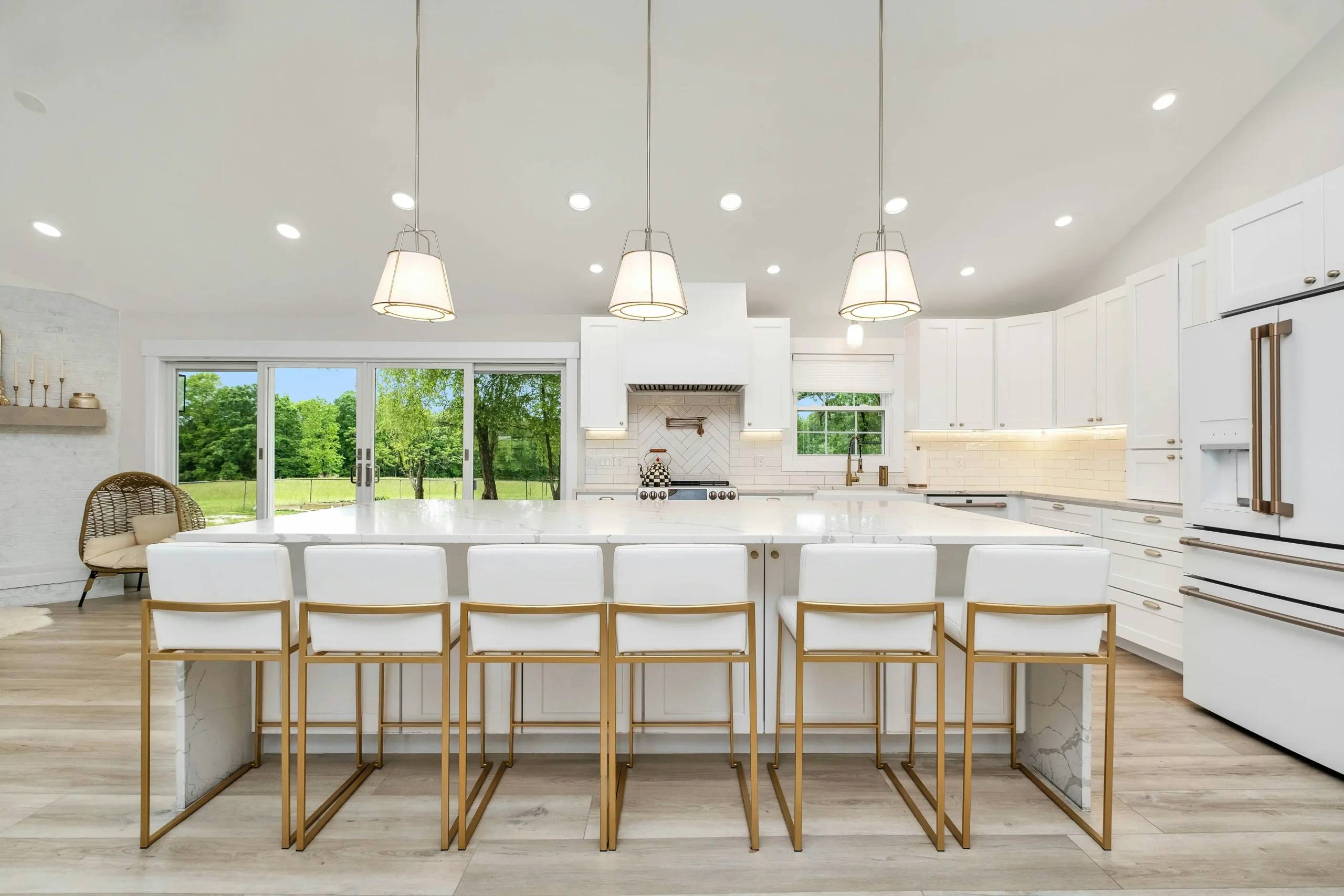
A kitchen remodel cost estimate is usually built from several categories: design, demolition, labor, materials, fixtures, appliances, permits, and contingency funds. Contractors commonly calculate pricing based on the amount of work involved rather than a flat rate per room, which is why two kitchens of similar size can have very different final totals.
Here are the main elements that shape the estimate:
- Project scope: Cosmetic updates cost less than full gut renovations.
- Kitchen size: More square footage usually means more flooring, cabinetry, paint, and labor.
- Layout changes: Moving sinks, gas lines, walls, or electrical circuits raises costs quickly.
- Material quality: Stock cabinets and laminate counters cost far less than custom millwork and natural stone.
- Labor market: Regional labor rates vary significantly.
- Age of the home: Older homes may require code upgrades or repairs hidden behind walls.
Many contractors also recommend a contingency reserve of 10% to 20% of the project total. This extra amount can cover unexpected issues such as water damage, outdated wiring, or subfloor repairs discovered during demolition.
Average cost breakdown by project type
The average kitchen remodel cost depends heavily on the type of remodel you choose. While exact numbers vary by market, these general ranges can help you understand what to expect:
- Minor cosmetic refresh: $5,000 to $15,000
- Mid-range remodel: $15,000 to $40,000
- Major remodel: $40,000 to $75,000
- Luxury custom renovation: $75,000 and up
Cosmetic refresh
This usually includes painting, replacing cabinet hardware, installing a backsplash, updating lighting, and swapping out some appliances. It is ideal if the layout works well and the cabinets are still in good condition.
Mid-range remodel
A mid-range project may include semi-custom cabinets, quartz countertops, new appliances, flooring, sink and faucet replacement, and moderate electrical or plumbing updates. This is one of the most common project types for homeowners balancing value and appearance.
Major remodel
A major renovation often involves removing old cabinets, replacing all surfaces, reworking the layout, upgrading lighting, and installing premium materials. It may also include opening walls or creating an island.
Luxury remodel
Luxury kitchens typically include custom cabinetry, designer appliances, professional-grade ranges, natural stone slabs, custom lighting plans, and integrated storage features. These projects can exceed six figures depending on the home and location.
Small vs full kitchen remodel pricing
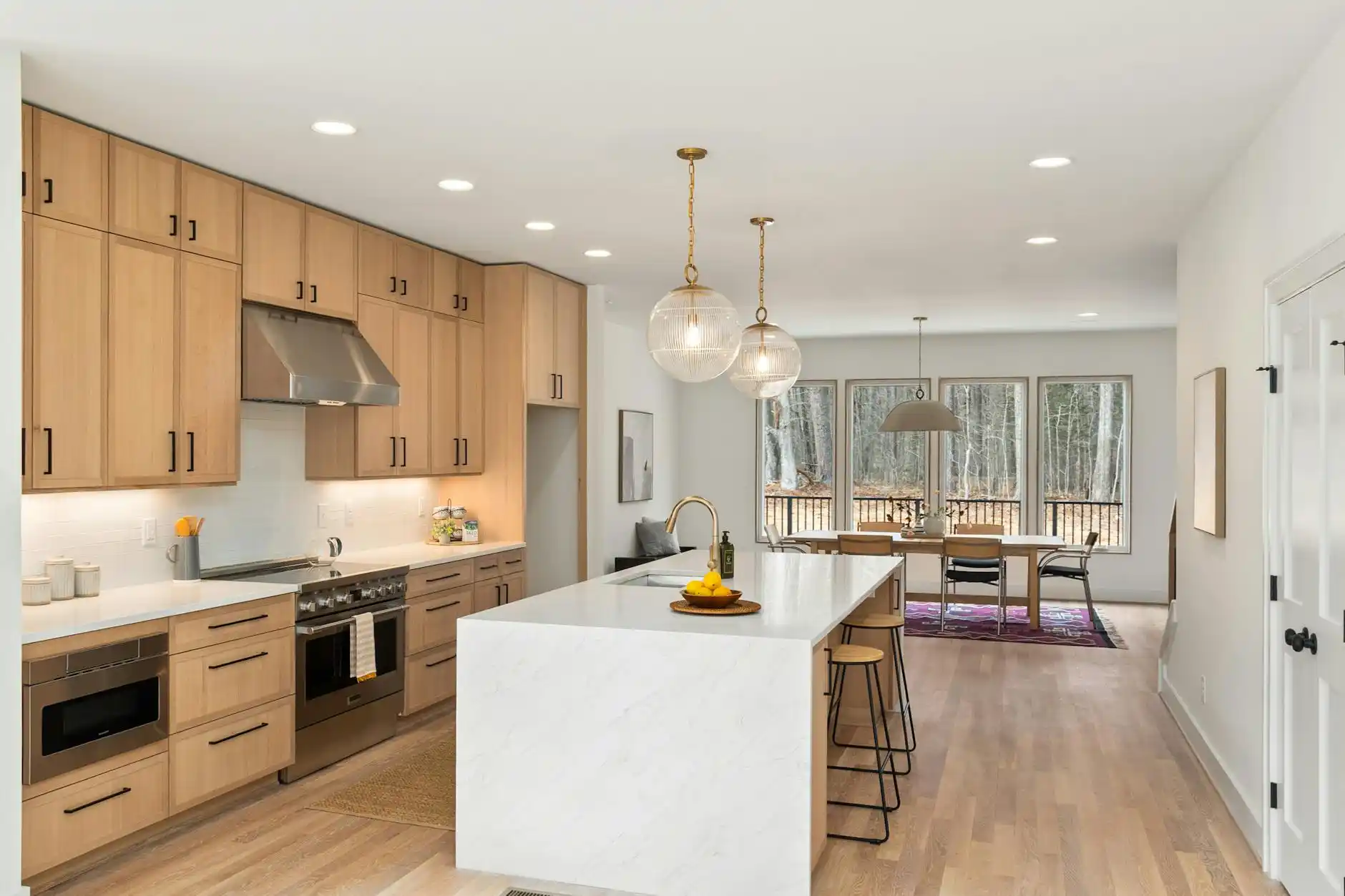
A small kitchen remodel may cost less overall, but the price per square foot is not always dramatically lower. Compact kitchens still require cabinets, appliances, plumbing connections, and finish work, so labor remains a major part of the budget.
- Small kitchen remodel: about $10,000 to $30,000
- Full kitchen remodel: about $25,000 to $75,000+
In a small kitchen, homeowners often save money by keeping the existing layout, refinishing cabinets, and choosing standard-size appliances. In a full kitchen remodel, the budget rises when larger islands, more cabinetry, bigger flooring areas, and expanded lighting plans are added.
If you are deciding between a partial update and a full renovation, think about how long you plan to stay in the home. A smaller project can improve function and appearance without the disruption of a complete rebuild, while a full remodel may make more sense if the current kitchen no longer meets your needs.
Labor and material cost factors
Labor often accounts for 25% to 40% of total kitchen remodel cost, while materials make up the rest. The exact split depends on how complex the work is and whether you choose budget-friendly or premium finishes.
Labor costs
- Demolition: Removal of old cabinets, counters, flooring, and drywall
- Carpentry: Cabinet installation, trim work, framing, and structural adjustments
- Electrical: New circuits, outlets, lighting, and code updates
- Plumbing: Sink relocation, water line updates, disposal, and dishwasher hookup
- Tile and flooring installation: Backsplash, floor tile, hardwood, or vinyl work
- Painting and finishing: Wall prep, priming, painting, and touch-ups
Material costs
- Cabinets: Often the largest single expense
- Countertops: Laminate is affordable, while quartz, granite, and marble cost more
- Appliances: Standard packages are cheaper than panel-ready or commercial-style models
- Flooring: Vinyl and ceramic tile are often more budget friendly than hardwood or large-format stone
- Fixtures: Sinks, faucets, cabinet pulls, and lighting can add up quickly
Cabinets alone may consume 25% to 35% of the budget. If you want to reduce the total, one of the most effective strategies is to keep the cabinet footprint the same and invest selectively in visible features like counters and lighting.

Budget planning tips
Careful planning is the best way to control kitchen remodel cost without sacrificing quality. Before requesting bids, define your goals clearly: do you want better storage, a more open layout, updated finishes, or better resale appeal?
- Set a firm budget range. Know your ideal spend and your maximum limit.
- Prioritize function first. Spend on layout, storage, and durable surfaces before decorative extras.
- Keep plumbing and appliances in place. Avoiding relocations can save thousands.
- Choose materials strategically. Mix high-impact upgrades with cost-effective basics.
- Get multiple quotes. Compare scope, allowances, and timelines carefully.
- Reserve contingency funds. Keep 10% to 20% aside for the unexpected.
It also helps to create a must-have list and a nice-to-have list. That way, if bids come in high, you can reduce optional upgrades without compromising the essentials.
Hidden costs to expect
Even a well-planned kitchen renovation can come with expenses homeowners do not initially consider. These hidden costs are a common reason final pricing exceeds the first estimate.
- Permits and inspections: Required for plumbing, electrical, and structural changes
- Code compliance upgrades: Older homes may need GFCI outlets, ventilation improvements, or wiring replacement
- Water or mold damage: Often discovered after cabinets or flooring are removed
- Temporary kitchen setup: Meals out, portable appliances, or storage costs during construction
- Delivery and disposal fees: Haul-away charges and material delivery can add up
- Change orders: Last-minute plan changes are one of the fastest ways to increase spending
One of the smartest ways to avoid budget stress is to ask your contractor what is not included in the quote. Clarifying exclusions in advance helps prevent misunderstandings later.

When a kitchen remodel delivers the best return
A kitchen renovation often delivers the best return when it improves daily function and aligns with neighborhood home values. In many markets, a clean, updated, mid-range kitchen appeals more strongly to buyers than an ultra-luxury design that far exceeds nearby homes.
The best value usually comes from:
- Updating outdated finishes without overcustomizing
- Improving storage and workflow with smarter cabinetry and layout choices
- Replacing worn surfaces with durable, low-maintenance materials
- Adding energy-efficient appliances that buyers recognize as practical upgrades
- Creating a bright, timeless look that appeals to a wide range of tastes
If resale is a priority, avoid overly personal design choices and focus on broad appeal. A balanced kitchen remodel cost often provides the strongest return when the renovation looks current, functions better, and fits the price point of the home.
FAQ
What is a realistic budget for a kitchen remodel?
A realistic budget is often between $15,000 and $40,000 for a mid-range project, though small cosmetic updates may cost less and major renovations can cost much more.
What is the most expensive part of a kitchen remodel?
Cabinets are usually the most expensive part, followed by labor, countertops, and appliances.
Can I reduce kitchen remodel cost without sacrificing quality?
Yes. Keep the existing layout, consider cabinet refacing or refinishing, choose semi-custom instead of fully custom options, and invest in durable materials where they matter most.
How long does a kitchen remodel usually take?
A minor remodel may take a few weeks, while a full renovation often takes 6 to 12 weeks or longer depending on complexity, permits, and material lead times.
Is a kitchen remodel worth it before selling?
It can be, especially if the kitchen looks dated or lacks functionality. Focus on practical, widely appealing upgrades rather than luxury features that may not increase resale value enough to justify the added expense.
Understanding kitchen remodel cost is the key to planning a renovation that fits both your home and your budget. By comparing project types, anticipating labor and material expenses, and preparing for hidden costs, you can make informed decisions and build a kitchen that delivers long-term value.