

The best bathroom tile pattern depends on what you want the room to feel like: calm, bold, classic, or modern. Among the popular tile patterns for bathroom remodels, stacked and large-format layouts read cleanest, while herringbone and basketweave add more movement without changing materials.
Why tile pattern changes the entire feel of a bathroom
Pattern affects how busy, large, and expensive a bathroom looks before color does. The same 3×12 tile can feel traditional in offset subway, sharp in vertical stack, or high-end in herringbone.
Use pattern to solve the room’s weakness. Small bath? Pick stacked or large-format layouts to reduce visual breaks. Narrow shower wall? Run a vertical pattern to pull the eye upward. If you’re planning broader Bathroom Remodeling, choose the tile layout before fixtures so finishes support it instead of competing with it.
Subway, stacked, herringbone, chevron, and basketweave options
These are the most requested classic-to-current layouts because they work across many tile styles. For most homeowners, stacked, herringbone, and basketweave are the safest upgrades from basic offset subway.
- Subway/offset: timeless, forgiving, best for traditional or transitional bathrooms.
- Stacked: tiles line up in a grid; cleaner and more modern than offset.
- Herringbone: zigzag made from rectangular tile; adds energy and works well on feature walls.
- Chevron: sharper V-shape than herringbone; more graphic and more layout-sensitive.
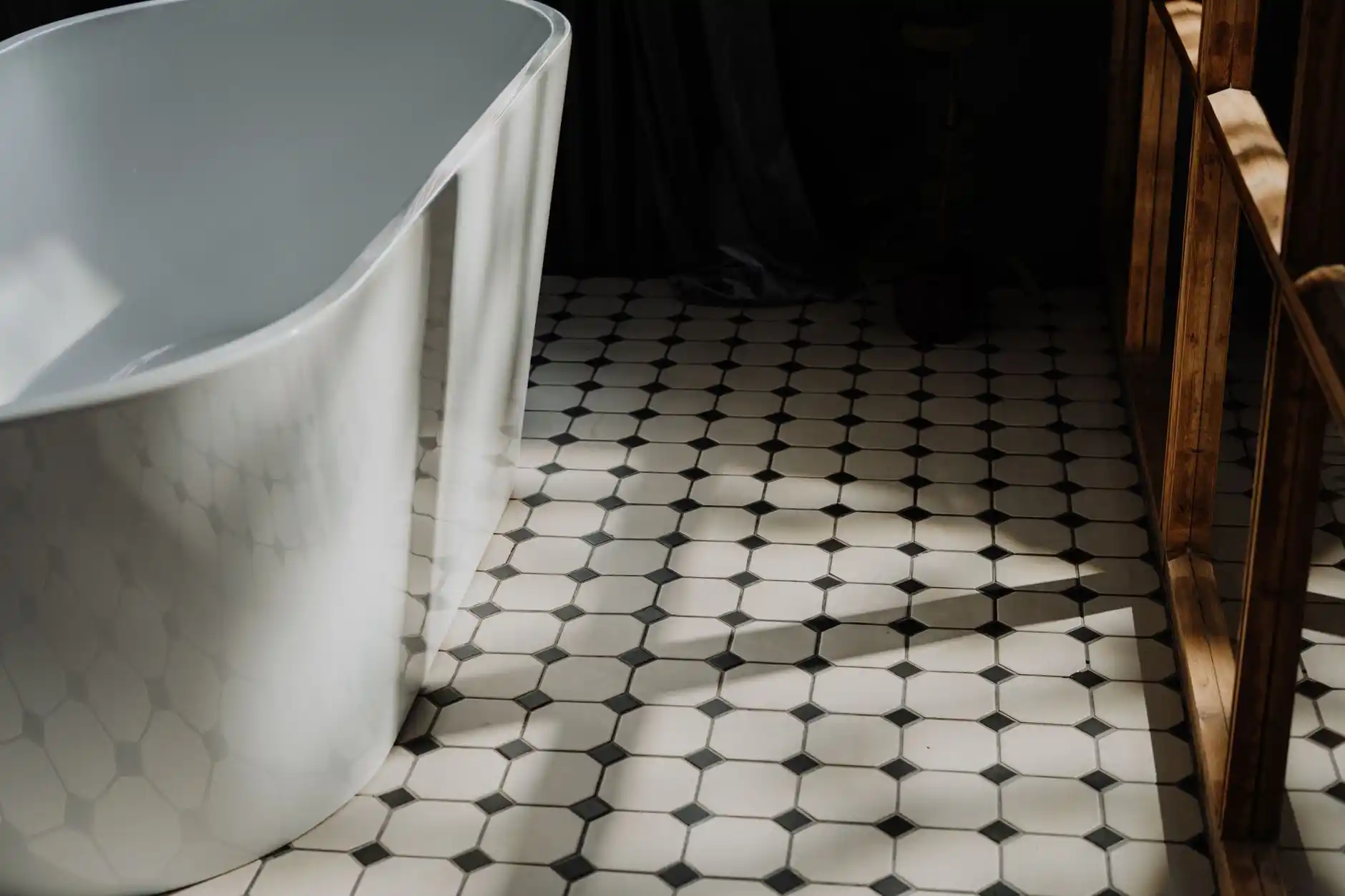
- Basketweave: woven look, often in mosaics; ideal for vintage-inspired floors.
Of the popular tile patterns for bathroom remodels, herringbone usually has the highest labor cost because of extra cuts and alignment.
Large-format tile patterns for a cleaner modern look
Large-format tile is the easiest way to get a quieter, more modern bathroom. Fewer grout joints make walls and floors look less busy and easier to wipe down.
Keep the layout simple: straight stack or staggered at one-third, not half-offset, to avoid lippage on long planks. This is especially effective in walk-in showers and in homes where the bathroom should relate to nearby Whole Home Remodel finishes.
Best tile patterns for shower walls versus bathroom floors
Shower walls usually look best with simpler layouts; bathroom floors can handle more pattern. That balance keeps the room interesting without feeling crowded.
For shower walls, use stacked, vertical stack, or subtle herringbone on one accent wall. For floors, use mosaics, basketweave, hex, or smaller-format herringbone for better slip resistance because more grout lines add traction. If the bathroom connects visually to a nearby Kitchen Remodeling project, keep one element consistent, usually color or finish, not pattern.
How grout color changes the final result
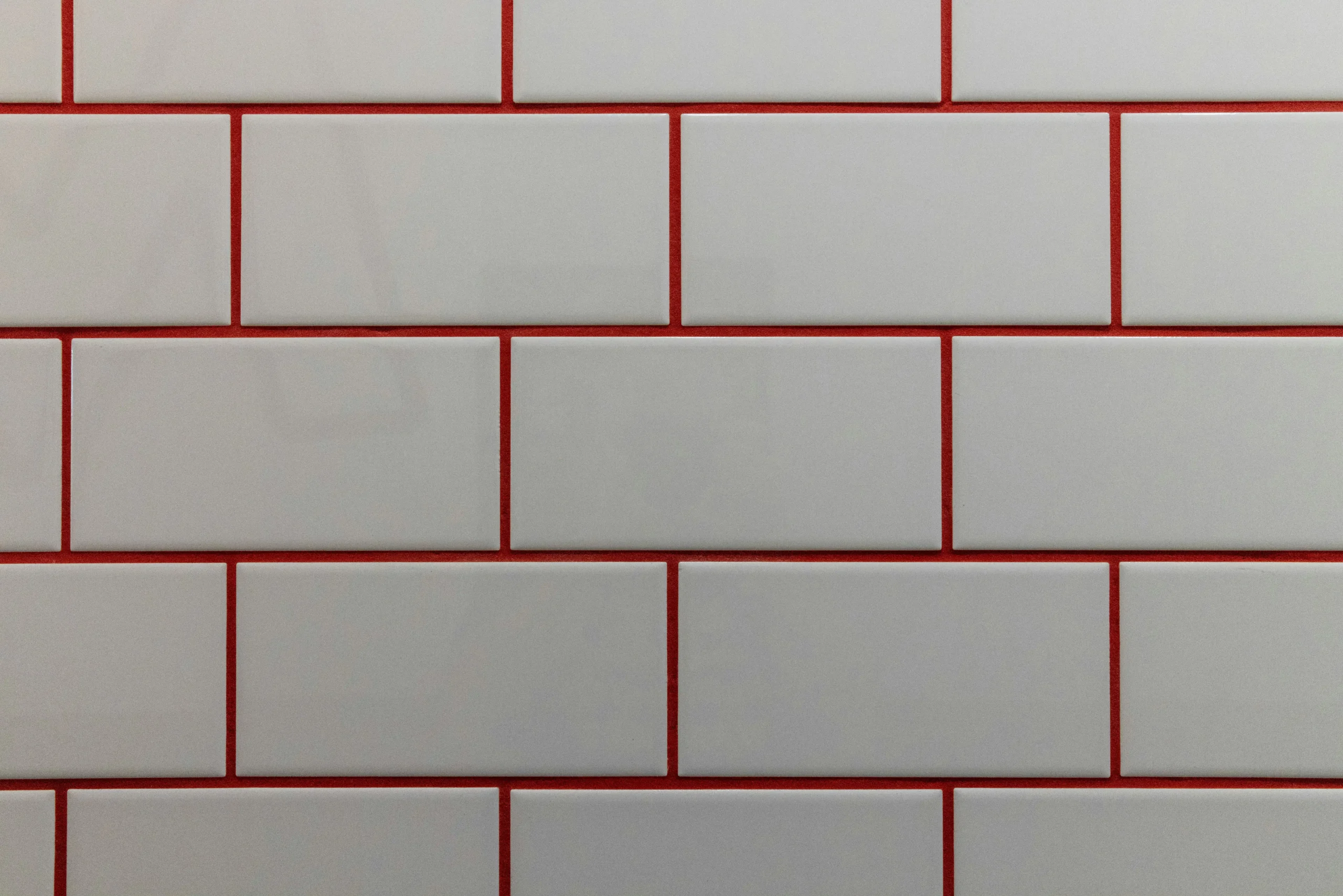
Grout can either hide the pattern or outline it. Matching grout softens the look; contrasting grout makes each tile shape stand out.
Use close-match grout for large-format tile and busy patterns when you want a calmer result. Use contrast only when the tile shape is the feature, such as white subway with medium gray grout. In small bathrooms, high contrast can make walls feel busier fast.
Mixing tile sizes and patterns without visual overload
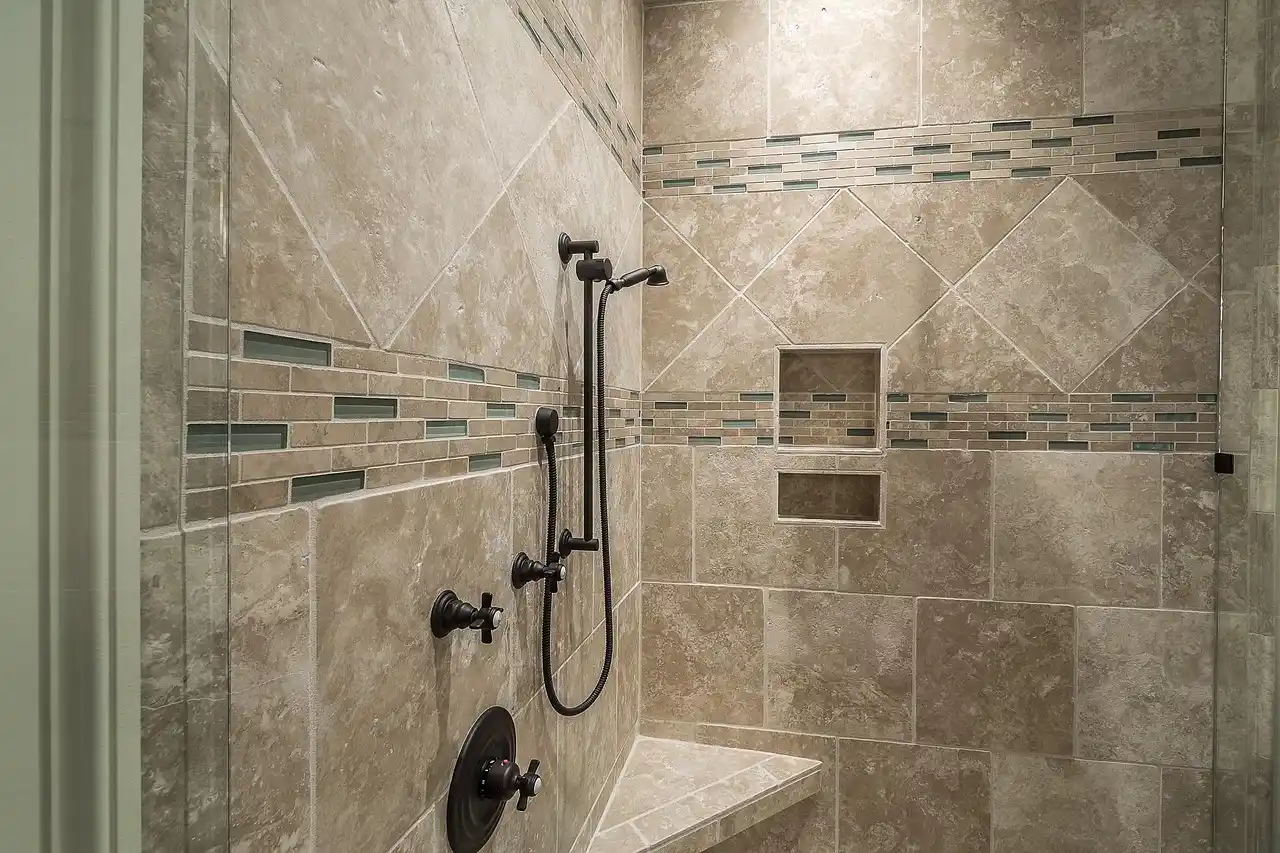
Use one dominant tile and one supporting tile. Most bathrooms only need two tile statements: one for the floor and one for the shower or vanity wall.
A reliable formula is large-format field tile on main walls, patterned mosaic on the floor, and no third strong pattern. Repeat one color family and one finish so the room looks intentional instead of pieced together.
How to choose a pattern that will still look current years from now
If you want longevity, choose a classic pattern and make the trend move through scale, not novelty. That usually means subway, stacked, basketweave, or restrained herringbone in neutral tile.
A good test: if the pattern still works in a different paint color and with different hardware, it will age better. The most durable popular tile patterns for bathroom remodels are the ones that support the room rather than dominate it.
FAQ
What are the most popular tile patterns for bathroom remodels?
The most popular tile patterns for bathroom remodels are offset subway, stacked, herringbone, chevron, basketweave, and simple large-format layouts. Stacked and large-format look the cleanest, while herringbone and basketweave add more movement and detail.
Which tile patterns work best for shower walls versus bathroom floors?
Shower walls usually look best with simpler patterns like stacked, vertical stack, or a subtle herringbone accent wall. Bathroom floors can handle more pattern, such as mosaics, basketweave, hex, or smaller-format herringbone, which also adds slip resistance through extra grout lines.
Are large-format tile patterns a good choice for bathrooms?
Yes, large-format tile is a strong bathroom choice when you want a cleaner, more modern look. It reduces grout joints, makes surfaces feel less busy, and is especially effective on main walls and in walk-in showers.
How does grout color affect the look of a tile pattern?
Grout color can either soften or emphasize the pattern. Matching grout creates a calmer, more seamless look, while contrasting grout outlines each tile and makes the pattern stand out more, which can feel busier in small bathrooms.
Can you mix tile sizes and patterns in one bathroom without making it look busy?
Yes, but the easiest way is to use one dominant tile and one supporting tile. A reliable approach is large-format tile on main walls with a patterned mosaic or basketweave on the floor, while keeping the color family and finish consistent.
Which bathroom tile patterns will still look stylish years from now?
The patterns most likely to stay stylish are classic layouts like subway, stacked, basketweave, and restrained herringbone in neutral tile. These age well because they support the room instead of dominating it.