

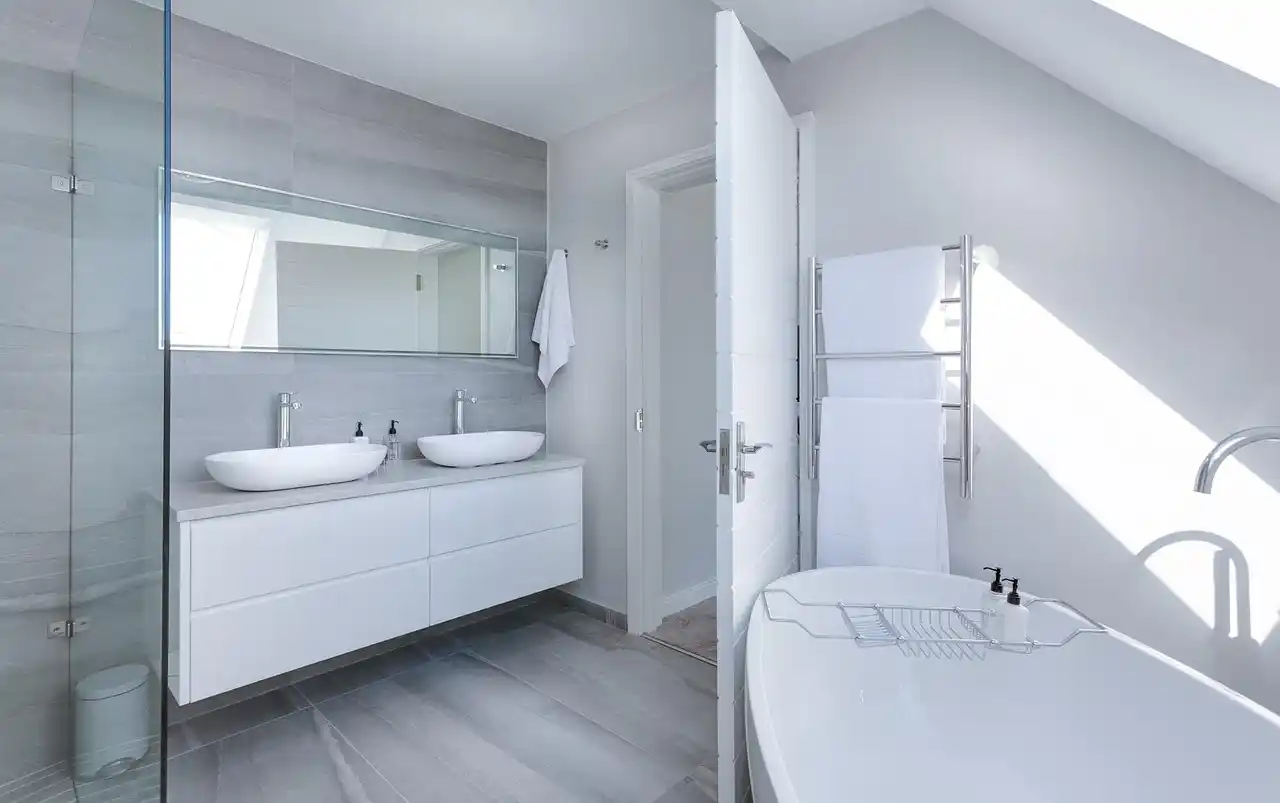
The best sources for waterproof and durable bathroom flooring options are usually porcelain tile for maximum water resistance, luxury vinyl tile or plank for lower cost and easier install, and sealed natural stone for high-end projects that can handle more upkeep. If you want the safest default choice that holds up for years, start with porcelain tile on a properly waterproofed floor assembly.
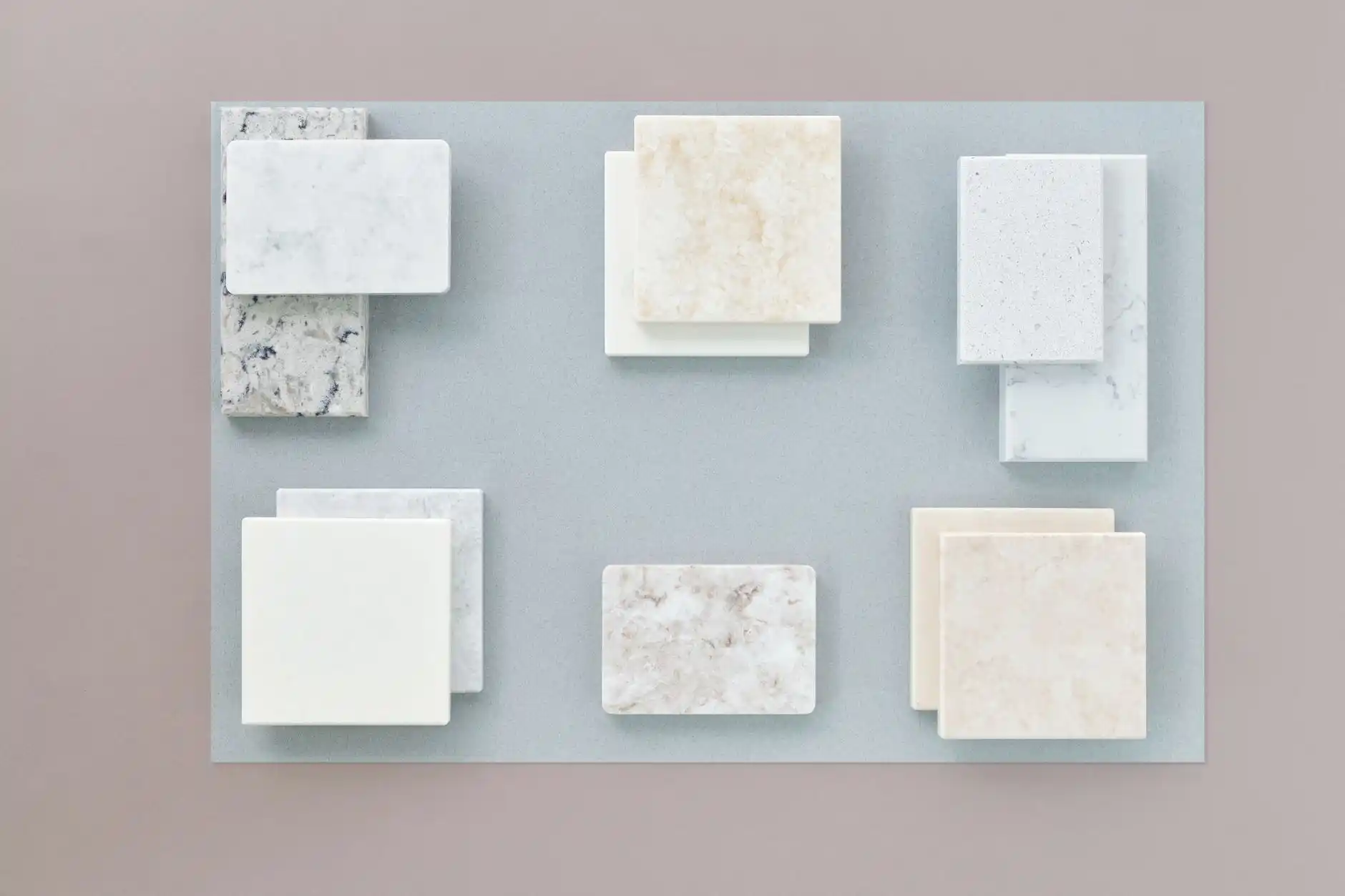
What bathroom flooring must resist every day
Bathroom flooring has to resist standing water, humidity, cleaning chemicals, grit, and frequent temperature swings. It also has to survive dropped tools, chair legs, wet feet, and movement in the subfloor without cracking or curling.
That means the floor choice matters, but installation matters just as much. Many failures blamed on flooring actually come from poor seams, weak underlayment, or skipped waterproofing during Bathroom Remodeling.
Porcelain tile, luxury vinyl, natural stone, and other common choices
For most homes, porcelain tile and luxury vinyl are the most practical sources for waterproof and durable bathroom flooring options. Natural stone works, but only if you accept sealing and more maintenance.
- Porcelain tile: Fully waterproof at the surface, highly scratch resistant, and excellent for heavy-use bathrooms.
- Luxury vinyl tile/plank: Water-resistant to waterproof depending on the product, softer underfoot, and usually less expensive.
- Natural stone: Durable and premium-looking, but porous materials need sealing and can stain.
- Sheet vinyl: A budget-friendly option with fewer seams, useful when moisture control is the top priority.
- Engineered wood or laminate: Usually weaker choices for full bathrooms because edge swelling can shorten lifespan.
How slip resistance affects real-world safety
Slip resistance matters as much as water resistance in a bathroom. A floor that stays intact but becomes slick when wet is still a poor choice for daily use.
Look for matte finishes, smaller tile formats with more grout joints, or textured vinyl surfaces. Polished stone and glossy tile can look sharp but are less forgiving in kids’ baths, aging-in-place remodels, or any project tied to a larger Whole Home Remodel where safety is a design goal.
Subfloor prep and waterproofing details that matter
If the subfloor moves, dips, or gets wet, even premium flooring can fail early. Flatness, stiffness, and waterproofing are the details that protect the remodel for the long term.
Tile needs a rigid base, often cement board or an uncoupling membrane. Vinyl needs a smooth, clean subfloor so seams and edges stay tight. In wet zones, waterproof membranes, sealed penetrations, and proper toilet and tub transitions matter more than upgrading to a pricier finish. This is where a Design-Build Remodeling team often prevents expensive callbacks.
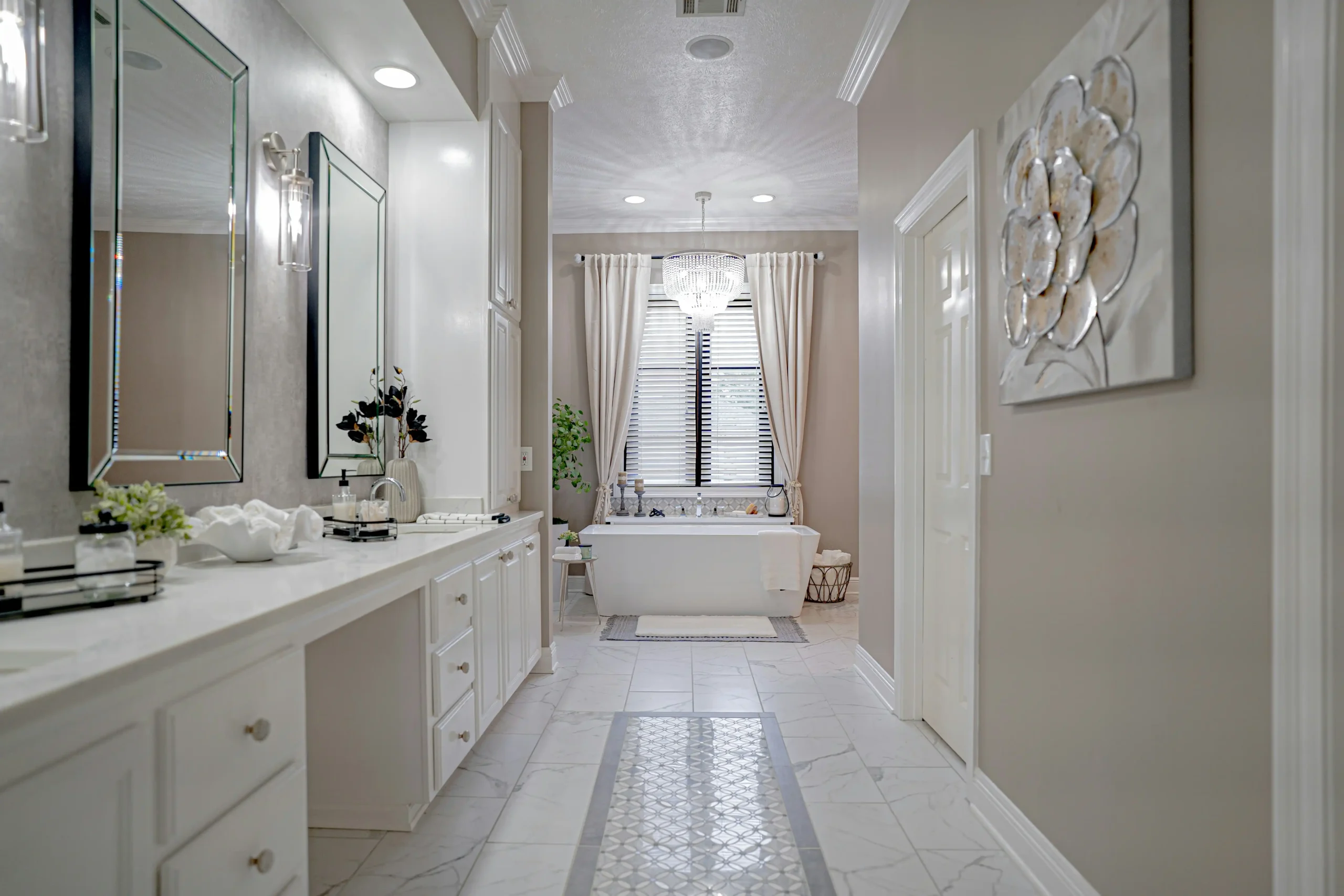
Best flooring options for family bathrooms versus primary suites
Family bathrooms usually do best with matte porcelain tile or textured luxury vinyl because they handle mess, traffic, and fast cleaning. Primary suites can support more style-driven choices if daily wear is lower.
For a shared bath, choose the most forgiving surface with strong slip resistance. For a primary suite, large-format porcelain or sealed stone can work well if comfort, appearance, and resale matter more than the lowest maintenance routine.
Cost, maintenance, and lifespan comparisons
Luxury vinyl usually costs less upfront, while porcelain tile often lasts longer. Natural stone costs more both to install and maintain.
- Luxury vinyl: Often about $3-$7 per square foot for material; simple cleaning; lifespan commonly 10-20 years.
- Porcelain tile: Often about $4-$10 per square foot for material; low maintenance; lifespan commonly 20+ years.
- Natural stone: Often about $7-$20+ per square foot for material; sealing required; lifespan can be decades with care.
Flooring mistakes that can shorten the life of the remodel
The biggest mistakes are choosing the wrong surface for the bathroom’s traffic level and skipping prep work. Most avoidable failures start below the finish layer.
- Installing over an uneven or damp subfloor
- Using glossy, slippery finishes in active bathrooms
- Ignoring waterproofing at seams, corners, and fixtures
- Choosing wood-based products in rooms with frequent splash exposure
- Using cheap grout or skipping stone sealing where required
When comparing sources for waterproof and durable bathroom flooring options, focus on the full system: finish material, slip resistance, waterproofing, and installer quality. For most homeowners, that points to porcelain tile or quality luxury vinyl, matched to how the bathroom is actually used.
FAQ
What is the most waterproof flooring option for a bathroom?
Porcelain tile is usually the most waterproof bathroom flooring option at the surface, especially when installed over a properly waterproofed floor assembly with sealed transitions and penetrations.
Which bathroom flooring materials are the most durable over time?
Porcelain tile is generally the most durable long term, with luxury vinyl also performing well in many bathrooms and sealed natural stone lasting for decades if you accept more maintenance.
How important is slip resistance when choosing bathroom flooring?
Slip resistance is very important because a floor that handles water well can still be unsafe when wet; matte finishes, textured surfaces, and smaller tiles with more grout joints are usually better choices.
Do bathroom floors need a waterproof underlayment or membrane?
Yes, in most bathrooms a waterproof underlayment or membrane is a smart part of the system, especially in wet zones, because many flooring failures come from moisture getting below the finish layer.
What flooring works best for family bathrooms versus primary suites?
Family bathrooms usually do best with matte porcelain tile or textured luxury vinyl for better durability, traction, and easy cleanup, while primary suites can support large-format porcelain or sealed stone if style is a bigger priority.
How do tile, luxury vinyl, and natural stone compare on cost and maintenance?
Luxury vinyl usually has the lowest upfront cost and simple maintenance, porcelain tile costs a bit more but often lasts longer with low upkeep, and natural stone costs the most and needs regular sealing and more care.
What bathroom flooring mistakes can lead to early damage or failure?
Common mistakes include installing over an uneven or damp subfloor, skipping waterproofing at seams and fixtures, choosing glossy slippery finishes, using wood-based products in splash-prone bathrooms, and neglecting proper grout or stone sealing.