

Whole home remodeling services should cover the entire path from planning to final walkthrough, not just demolition and installs. If a contractor handles only part of the process, you may end up managing design decisions, permits, scheduling, and trade coordination yourself.

What full remodeling services normally include
Full service means one team manages scope, pricing, permits, construction, inspections, and closeout. At minimum, homeowners should expect site measuring, layout planning, product selections, demolition, rough work, finish installation, punch list completion, and warranty support.
If you are comparing proposals, ask whether the scope includes cabinetry, flooring, paint, lighting, trim, doors, windows, appliances, debris removal, and final cleaning. A true Whole Home Remodel proposal should state what is included, what is excluded, and who is responsible for owner-supplied items.
How design, selections, permits, and construction connect
These steps should run in sequence, with decisions made early enough to avoid delays during construction. Design defines the layout, selections define exact products, permits approve the work, and construction follows those approved documents.
The practical issue is timing: cabinets, windows, tile, and fixtures often need to be selected before permits are submitted or rough work starts. If your contractor offers Design-Build, design and construction are priced and coordinated together, which usually reduces revision gaps and change orders.
Why kitchens and bathrooms often drive the plan
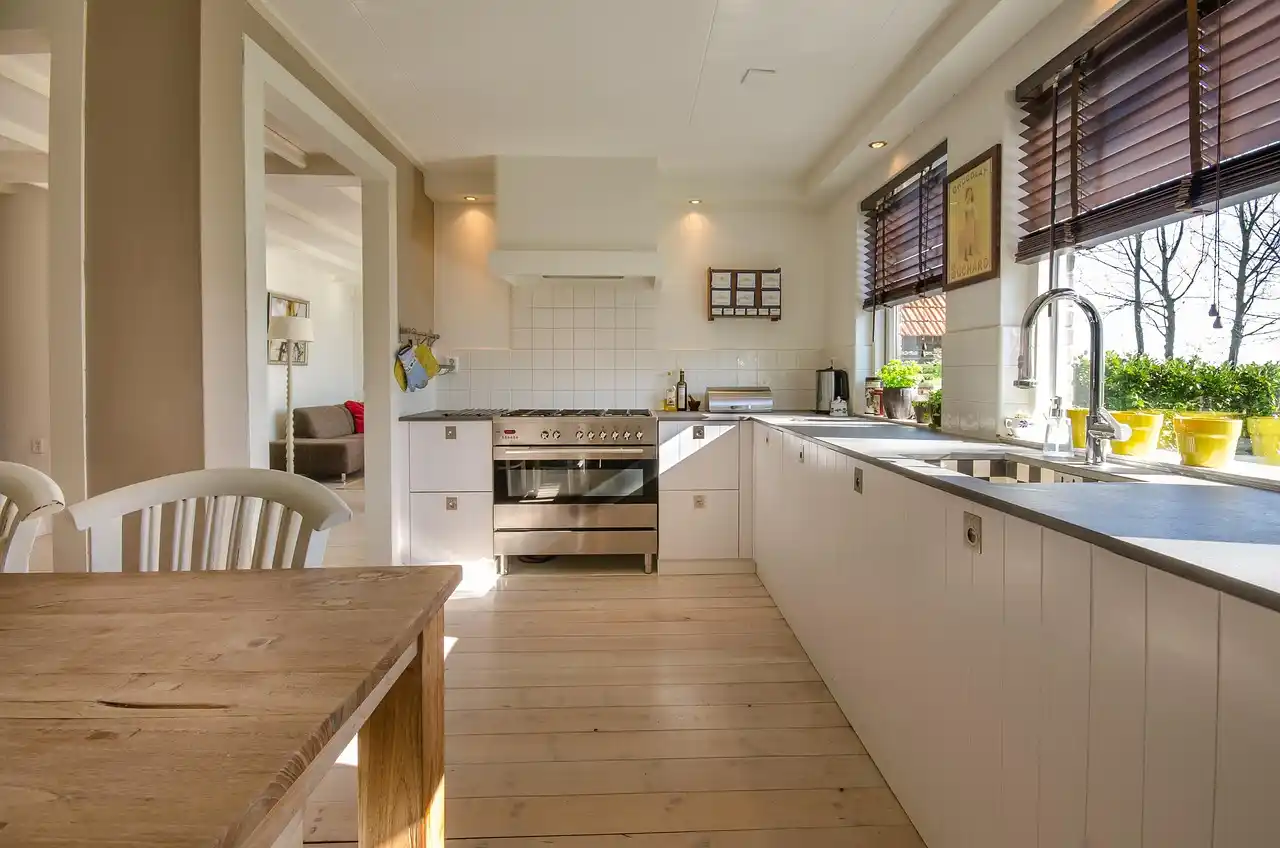
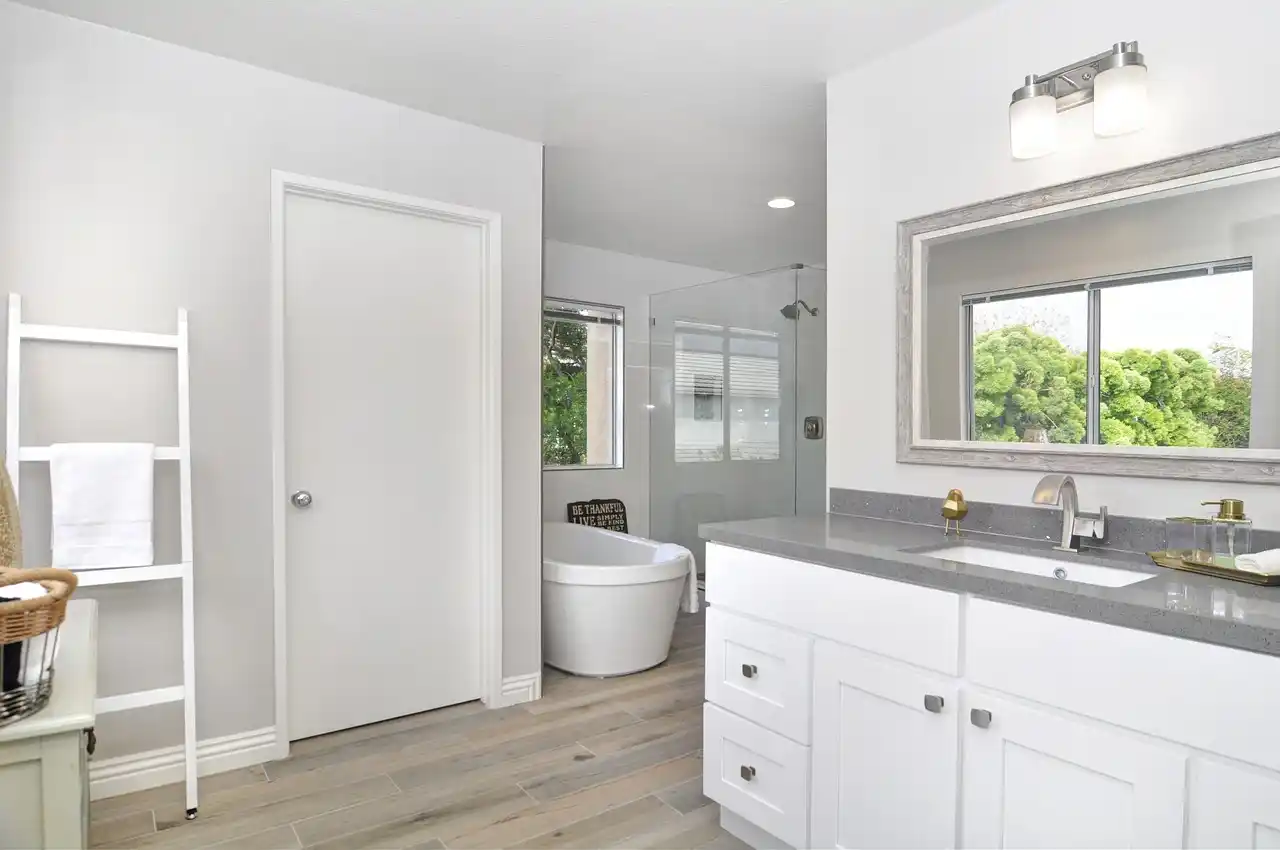
Kitchens and bathrooms usually set the budget, schedule, and trade sequence because they involve the most plumbing, electrical, cabinetry, and finish detail. They also have the highest concentration of expensive decisions in a small area.
That is why many whole home remodeling services start with Kitchen Remodeling and Bathroom Remodeling layouts before finalizing adjacent rooms. If those spaces move walls, add circuits, or change plumbing locations, the rest of the house plan often changes with them.
How structural, electrical, plumbing, and finish work are coordinated
The work should be sequenced so each trade can complete its part without rework. Structural changes happen first, then rough electrical, plumbing, and HVAC, followed by insulation, drywall, flooring, cabinetry, trim, paint, and fixtures.
Coordination matters most when one change affects several trades. For example, removing a wall may require a beam, relocated switches, moved plumbing vents, patched flooring, and updated lighting. Whole home remodeling services should include field supervision that catches these dependencies before crews arrive.
What homeowners should expect from communication and scheduling
You should expect one main point of contact, a written schedule, and regular updates on decisions, costs, and delays. If you have to chase multiple people for answers, the process is already too fragmented.
Useful communication includes a weekly progress update, a current selection list, and written approval for change orders before extra work begins. Schedules should show major phases and critical milestones, not just a vague start and finish date.
How to avoid gaps between design and build teams
The best way is to keep design intent, pricing, and construction management in one accountable system. If separate teams are involved, require shared drawings, a finalized scope, and a handoff meeting before construction starts.
Ask who verifies dimensions, who orders materials, who reviews lead times, and who owns errors if plans and field conditions conflict. These are the gaps that create cost overruns.
What a complete project handoff should look like
Project handoff should end with a finished home, not a loose list of unresolved items. Before final payment, you should receive a punch list walkthrough, operating information for installed products, warranty details, permit signoffs if required, and confirmation that the site is clean and usable.
If you are hiring whole home remodeling services, the final result should be a coordinated, move-ready project with no confusion about what was promised, what was changed, and who to call after completion.
FAQ
What is included in whole home remodeling services?
Whole home remodeling services should include planning, measuring, layout development, product selections, pricing, permits, demolition, structural and rough work, finish installation, inspections, punch list completion, final cleaning, and warranty support. A complete proposal should also clearly list included items, exclusions, and responsibility for any owner-supplied materials.
Do whole home remodeling services include design, permits, and construction?
Yes. Full whole home remodeling services should connect design, selections, permits, and construction in one coordinated process so decisions are made early and work can move forward without avoidable delays or gaps.
How are kitchens, bathrooms, and other rooms coordinated in a whole home remodel?
Kitchens and bathrooms are usually planned first because they drive budget, layout, plumbing, electrical, cabinetry, and scheduling decisions. Once those spaces are finalized, adjacent rooms and the rest of the home can be coordinated around any wall, circuit, plumbing, or finish changes they create.
Who manages structural, electrical, plumbing, and finish work during the project?
The remodeling contractor or design-build team should manage and sequence all trades, with field supervision overseeing structural work first, then rough electrical, plumbing, and HVAC, followed by insulation, drywall, flooring, cabinetry, trim, paint, and fixtures. This coordination helps prevent rework when one change affects multiple trades.
What should homeowners expect for communication, scheduling, and final handoff?
Homeowners should expect one main point of contact, a written schedule with major phases and milestones, regular progress updates, a current selection list, and written approval for change orders. Final handoff should include a punch list walkthrough, warranty information, operating details for installed products, permit signoffs if needed, and a clean, usable home.