

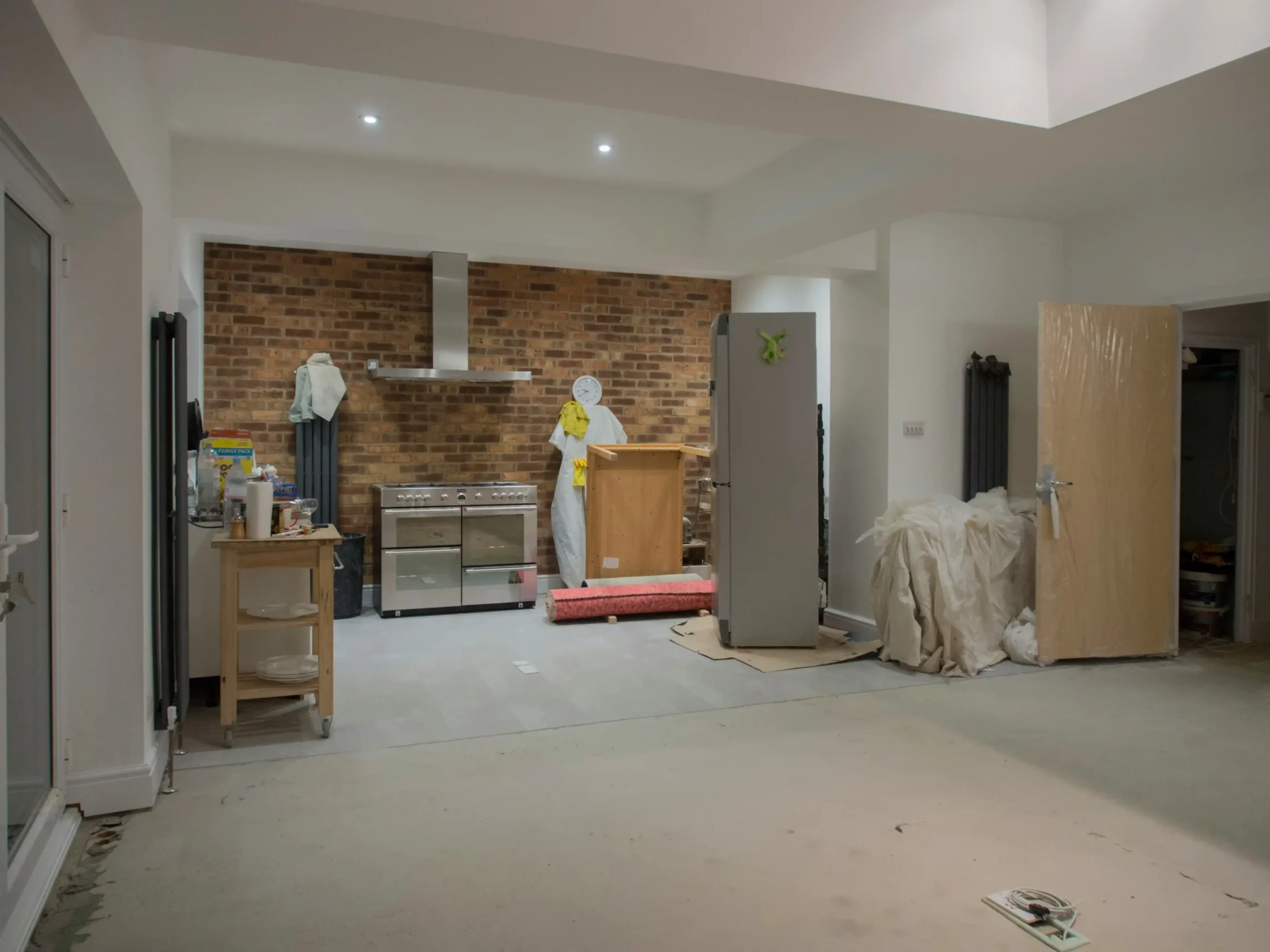
If your home still works and the problems are mostly surface-level, improvements are usually enough. Choose a home renovation when layout, systems, damage, or aging materials are limiting how the house functions.
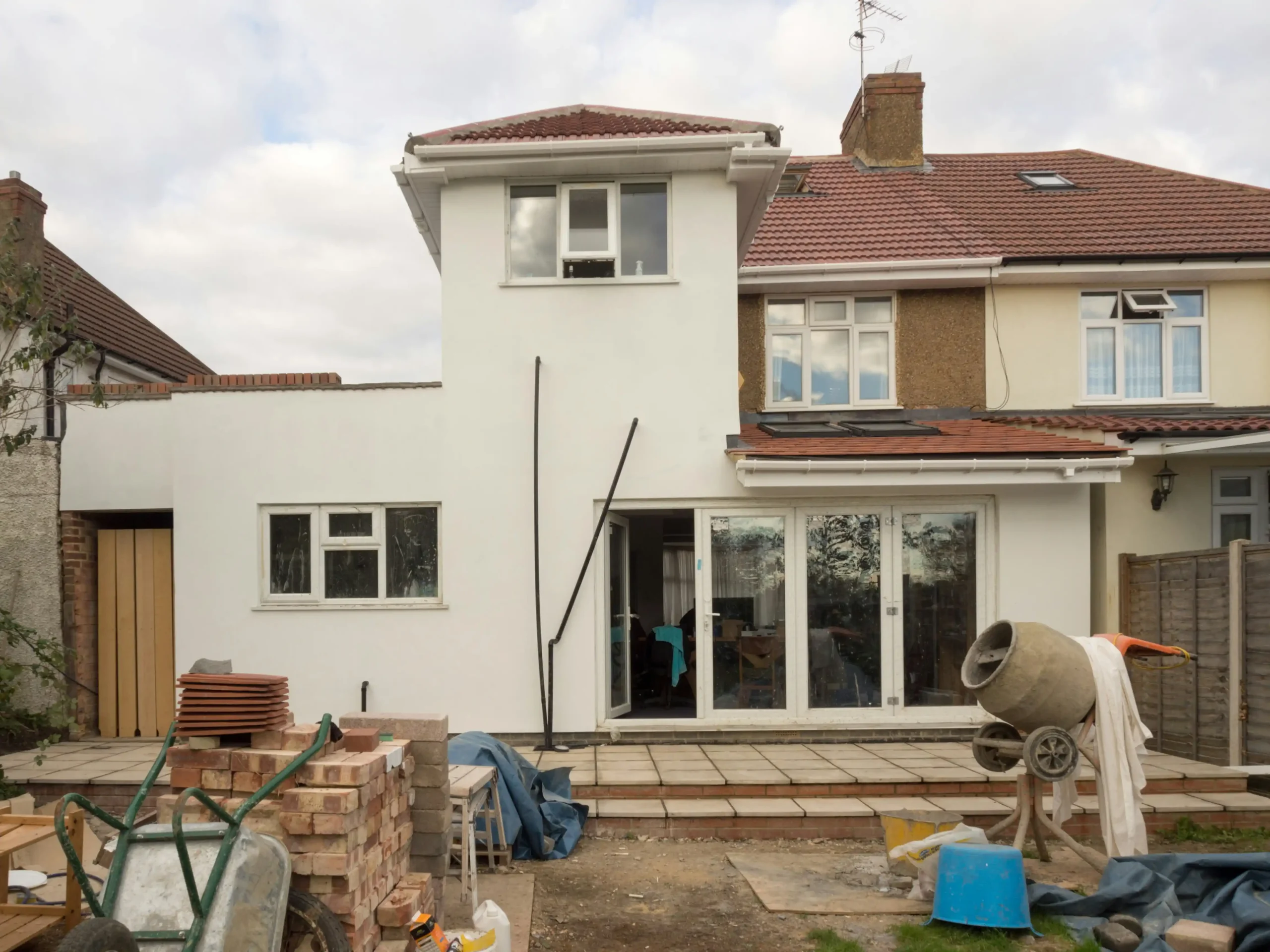
The difference between renovation, remodeling, and improvement
Renovation means restoring or updating what already exists. Remodeling means changing the layout or use of a space. Improvement usually means smaller upgrades that add comfort, appearance, or value without major construction.
For example, repainting cabinets is an improvement. Replacing worn flooring and old fixtures is a renovation. Moving walls for a larger kitchen is remodeling, often part of a bigger Whole Home Remodel.
When small improvements are enough
Small improvements are enough when the room functions well and the issue is mostly cosmetic or minor wear. If storage, traffic flow, plumbing, and electrical are already adequate, avoid bigger scope.
Good examples include paint, lighting swaps, new hardware, updated faucets, or replacing a damaged vanity top. In kitchens and baths, targeted updates can refresh the space without the cost of full Kitchen Remodeling or Bathroom Remodeling.
When a larger renovation is the smarter choice
A larger renovation makes more sense when several problems are connected. If old plumbing, uneven floors, poor layout, moisture damage, or insufficient wiring show up together, patchwork fixes usually cost more over time.
Choose a home renovation when you need to open walls anyway, bring systems up to code, improve insulation, or correct long-term water damage. This is also the better path if you plan to stay in the home for years and want to solve root issues once.
How to prioritize function before cosmetic updates
Fix what can fail, leak, or create rework before spending on finishes. Function-first planning prevents paying twice.
- Address roof, drainage, moisture, and foundation issues first.
- Then handle electrical, plumbing, HVAC, windows, and insulation.
- After that, confirm layout and storage needs.
- Finish with cabinets, tile, paint, and decorative choices.
If you update surfaces before solving hidden issues, those new finishes may be removed during a later home renovation.
Why older homes often need deeper planning
Older homes often hide problems that are not visible during a quick walkthrough. Once walls or floors open up, you may find outdated wiring, plumbing corrosion, framing changes, or past repairs done poorly.
That is why older projects benefit from more upfront investigation and a coordinated Design-Build process. It reduces surprises by aligning design, pricing, and construction decisions before demolition starts.
Budget and timeline differences to expect
Improvements are cheaper and faster because they keep existing systems and layouts intact. Larger renovations cost more because labor, permits, trades, and hidden-condition risk all increase.
A simple improvement project may take days to a few weeks. A larger renovation often runs several weeks to a few months, especially if it affects kitchens, bathrooms, or multiple systems. The bigger the demolition area, the more contingency you should expect.
How to choose the right project scope
Choose the smallest scope that fully solves the real problem. If the goal is appearance, improve. If the goal is better use, durability, safety, or long-term livability, a broader home renovation is usually justified.
- Pick improvement if the layout works and systems are sound.
- Pick renovation if materials, systems, or damage need replacement.
- Pick remodeling if walls, room use, or circulation need to change.
FAQ
What is the difference between home renovation, remodeling, and home improvement?
Home renovation updates or restores what already exists, remodeling changes the layout or use of a space, and home improvement usually means smaller upgrades that improve comfort, appearance, or value without major construction.
When are small home improvements enough instead of a full renovation?
Small improvements are enough when the room already works well and the issues are mostly cosmetic or minor wear, such as paint, lighting, hardware, faucets, or a vanity top, with no layout or system problems to solve.
How do I know if my home needs a larger renovation project?
A larger home renovation is usually the smarter choice when problems are connected, such as old plumbing, uneven floors, poor layout, moisture damage, aging materials, or insufficient wiring, especially if fixing root issues will require opening walls anyway.
Should I prioritize functional upgrades before cosmetic updates?
Yes. Handle anything that can fail, leak, or force rework first, including roof, drainage, moisture, foundation, electrical, plumbing, HVAC, windows, and insulation, before spending on finishes like tile, paint, or cabinets.
Why do older homes often require more extensive renovation planning?
Older homes often hide issues behind walls and floors, including outdated wiring, plumbing corrosion, framing changes, and poorly done past repairs, so they usually need more investigation and coordinated planning before demolition begins.
How do budget and timeline differ between home improvement and renovation projects?
Home improvements are usually cheaper and faster because they keep existing layouts and systems in place, often taking days to a few weeks, while larger renovations cost more and can take several weeks to a few months due to permits, labor, trades, and hidden-condition risks.
How can I choose the right scope for my home project?
Choose the smallest scope that fully solves the real problem: improve if the goal is appearance and the home functions well, renovate if materials, systems, or damage need replacement, and remodel if the layout, room use, or circulation needs to change.