


For many homeowners, preparing a property for sale means balancing one big question: how do you make the right updates without draining cash before closing? That is where fix now pay later home renovations can be a smart strategy, especially in a competitive market like Seattle. Instead of delaying repairs or listing a home as-is, sellers can complete targeted improvements first and pay when the property sells, helping them present a stronger listing and potentially earn a better return.
Seattle buyers often notice condition immediately. Peeling paint, worn flooring, dated kitchens, and unfinished maintenance can make an otherwise desirable home feel overpriced. By using a structured renovation financing option, sellers can improve presentation, reduce buyer objections, and enter the market with more confidence.
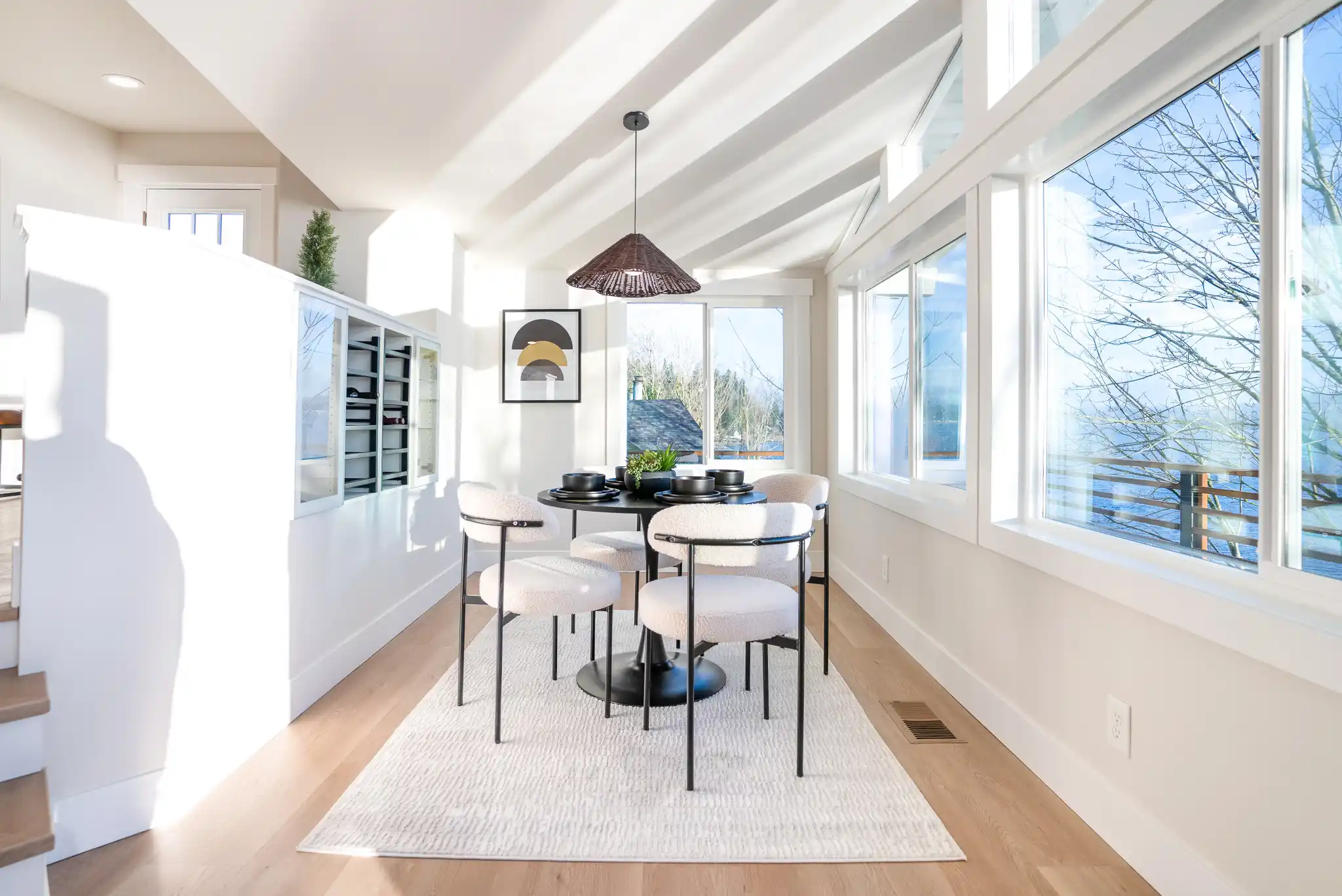
Understanding deferred renovation financing
Deferred renovation financing allows homeowners to complete repairs, updates, or cosmetic improvements before listing, then repay the project cost from the sale proceeds at closing. In practical terms, it creates a path for sellers who have equity in their home but do not want to pay out of pocket before putting the property on the market.
This model is often described as home improvement with payment at closing, and it can be especially useful when a seller needs to move quickly, preserve cash, or avoid carrying renovation debt during the listing process. Rather than settling for a lower sale price because of visible defects or outdated finishes, homeowners can address the issues that matter most to buyers.
Not every project qualifies, and not every home needs extensive work. The best deferred plans focus on renovations that are likely to improve marketability, shorten time on market, or strengthen negotiating power. In Seattle, where location and presentation both influence final sale price, strategic updates can make a meaningful difference.
Why sellers choose pay-later options
Sellers choose fix now pay later home renovations for one simple reason: timing. The money needed for repairs is often tied up in home equity, but the improvements need to happen before the sale. A pay-later option bridges that gap.
Common reasons homeowners prefer this approach include:
- Preserving liquidity for moving costs, a down payment on the next home, or other financial priorities
- Avoiding high-interest credit cards or personal loans for short-term renovation expenses
- Improving buyer appeal without waiting to save cash for the work
- Reducing inspection issues by fixing known defects before buyers raise concerns
- Creating a more polished listing with stronger photos, staging, and overall presentation
For sellers who want a more organized process, a seller home improvement program can help coordinate planning, renovation scope, and sale preparation in one strategy. That can be valuable when the goal is not just to renovate, but to renovate with resale in mind.

High-impact upgrades before listing
Not every renovation adds equal value. The most effective pre-listing updates are usually the ones buyers notice first and that make the home feel clean, well maintained, and move-in ready. With fix now pay later home renovations, sellers should focus on projects with strong visual impact and broad buyer appeal.
Kitchens
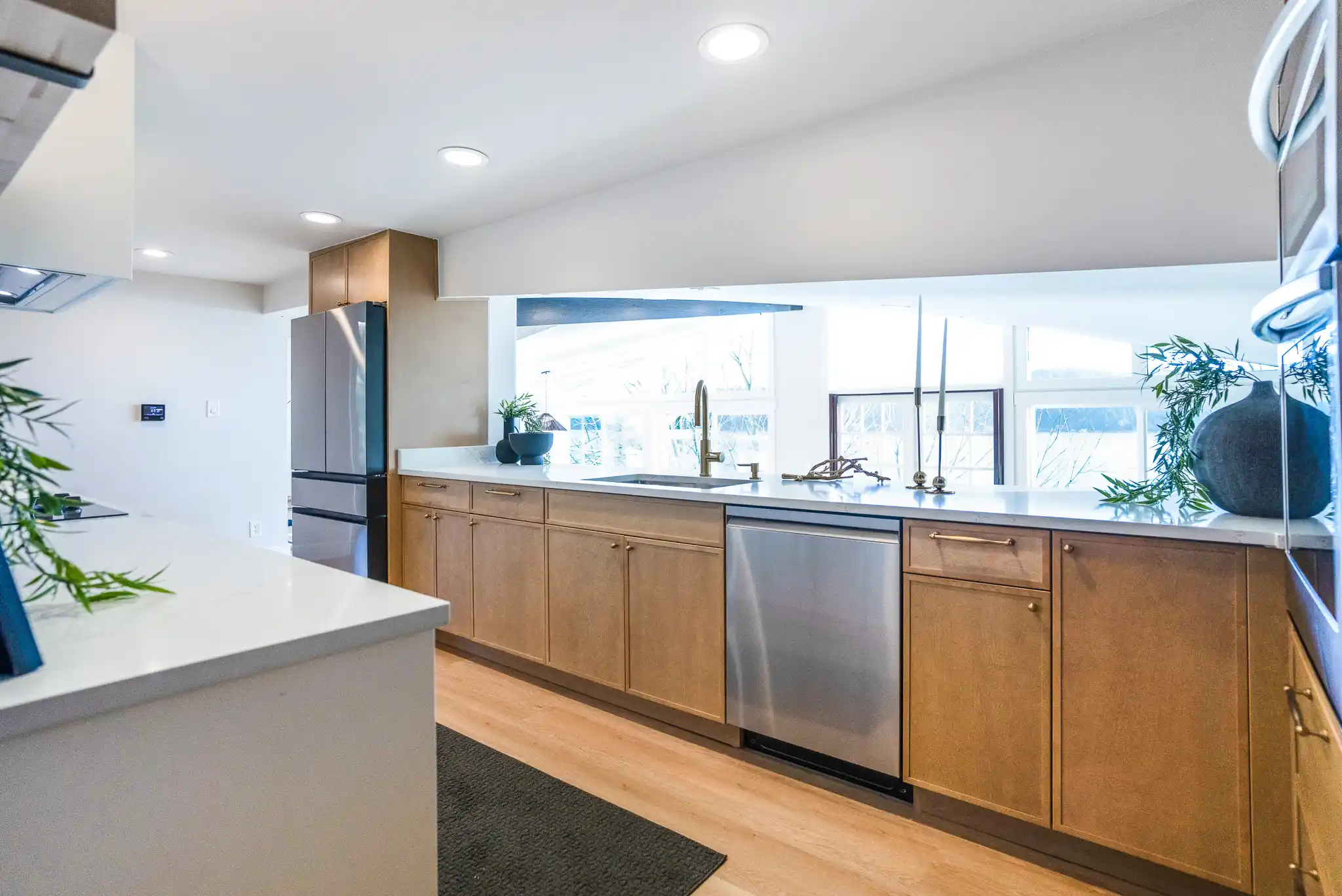
Minor to mid-range kitchen updates often deliver strong returns. That may include repainting cabinets, replacing hardware, upgrading countertops, installing modern lighting, and swapping outdated appliances. In Seattle, buyers tend to respond well to bright, functional kitchens with durable finishes and a clean, contemporary look.
Bathrooms
Bathrooms can quickly influence buyer perception. Replacing worn vanities, regrouting tile, upgrading fixtures, improving lighting, and refreshing paint can make a dated space feel much more current without requiring a full gut renovation.
Flooring and paint
Fresh interior paint and updated flooring are among the most cost-effective improvements before listing. Neutral paint tones help rooms photograph better, while replacing stained carpet or refinishing hardwoods can transform the entire feel of the home.
Curb appeal
First impressions start outside. Landscaping cleanup, exterior paint touch-ups, pressure washing, updated house numbers, and a refreshed front entry can all help buyers feel positive before they even step inside.
Whole-home updates when needed
If the property has widespread wear, fragmented design, or extensive deferred maintenance, broader improvements may be worth considering. In those cases, whole home remodeling services can create a more cohesive result and improve the home’s overall market position.
Cost vs value analysis
A smart pre-sale renovation plan should never be based on guesswork alone. Sellers should evaluate each project by asking whether it is likely to increase the sale price, attract stronger offers, or prevent price reductions later.
Here are the main factors to weigh:
- Buyer expectations in the neighborhood
In higher-demand Seattle neighborhoods, buyers may expect updated finishes and move-in-ready condition. In other areas, basic repairs and cosmetic cleanup may be enough. - The current condition of the home
If a home has obvious maintenance issues, buyers may assume there are hidden problems too. Fixing visible concerns can protect value beyond the direct cost of the work. - Comparable listings
Look at recently sold homes with similar size, location, and condition. If updated homes consistently sell faster or for more, strategic renovation may justify itself. - Scope discipline
Over-improving can reduce return. The goal is to align the home with market expectations, not to create the most expensive house on the block.
The strongest returns usually come from practical, visible upgrades rather than highly personalized design choices. That is why fix now pay later home renovations work best when guided by resale strategy, not just personal taste.
Project timelines that match market windows
Timing matters almost as much as budget. In Seattle real estate, seasonal demand, weather, contractor availability, and listing schedules all affect the renovation calendar. A delayed project can mean missing a favorable market window, while a rushed project can lead to quality issues.
A typical pre-listing timeline often includes:
- 1 week: project evaluation, pricing, and scope approval
- 1 to 3 weeks: cosmetic work such as paint, flooring, lighting, and basic repairs
- 3 to 6 weeks: kitchen, bathroom, and larger coordinated updates
- Final week: staging, photography, and listing preparation
The right timeline depends on project complexity and market goals. Sellers should build in time for material selections, inspections if needed, and final cleanup before the home is photographed. If you are planning to sell soon, it can help to request a home remodel estimate early, so you can compare scope, schedule, and expected resale benefit before making decisions.

Risks and how to avoid them
Like any financial or renovation decision, fix now pay later home renovations come with risks. The key is to manage them upfront with realistic planning and experienced professionals.
Risk: overspending
A seller can lose value if the renovation budget exceeds what the market will reward. Avoid this by focusing on resale-driven improvements and reviewing comparable sales before approving the scope.
Risk: delays
Material shortages, change orders, and contractor scheduling can push a listing date back. To reduce this risk, choose standard materials when possible and keep the project focused on essential items.
Risk: poor workmanship
Low-quality work can create inspection problems or turn off buyers. Work with reputable professionals who understand pre-sale renovation priorities and can deliver clean, durable finishes.
Risk: unclear repayment terms
Before starting, sellers should understand exactly how repayment works, what fees apply, and what happens if the sale timeline changes. Transparent terms are essential.
When handled carefully, deferred financing can be a practical tool rather than a burden. Sellers who match project scope to market demand, maintain a realistic budget, and coordinate with trusted renovation partners are more likely to see the benefit.
FAQ
What are fix now pay later home renovations?
They are pre-sale home improvement projects completed before listing, with repayment deferred until the home closes. This allows sellers to improve the property without paying the full renovation cost upfront.
Are pay-later renovations a good fit for every seller?
No. They are most useful for homeowners with strong equity, clear resale goals, and a home that would benefit from strategic updates before hitting the market.
Which renovations usually make the biggest difference before selling?
Paint, flooring, kitchen refreshes, bathroom updates, curb appeal improvements, and repairs tied to buyer confidence typically have the strongest impact.
Can deferred renovation financing help a home sell faster?
It can. Homes that show better, photograph well, and present fewer visible issues often attract more interest and stronger offers.
How do I know whether my Seattle home needs minor updates or a larger remodel?
That depends on the property’s condition, neighborhood standards, and likely buyer expectations. A professional estimate and resale-focused renovation plan can help you decide.
For Seattle homeowners preparing to sell, fix now pay later home renovations can be a practical way to unlock equity, improve presentation, and compete more effectively in the market. When the right updates are completed on the right timeline, sellers may reduce friction, attract better offers, and approach closing with greater confidence.