


Selling a home in a competitive market often means making strategic updates before listing, but many homeowners do not want to pay for those improvements upfront. That is why pay at closing home renovations Seattle options are gaining attention among sellers who want to improve presentation, buyer appeal, and sale price without a large out-of-pocket investment. With the right plan, deferred-payment remodeling can help you complete high-impact upgrades now and settle the renovation cost when the home sells.
For Seattle homeowners, this approach can be especially valuable. Buyer expectations are high, and even well-located homes may underperform if kitchens, bathrooms, flooring, paint, or curb appeal feel dated. A smart renovation strategy can help your property stand out while preserving your cash flow during the sales process.
How pay-at-closing renovation programs work
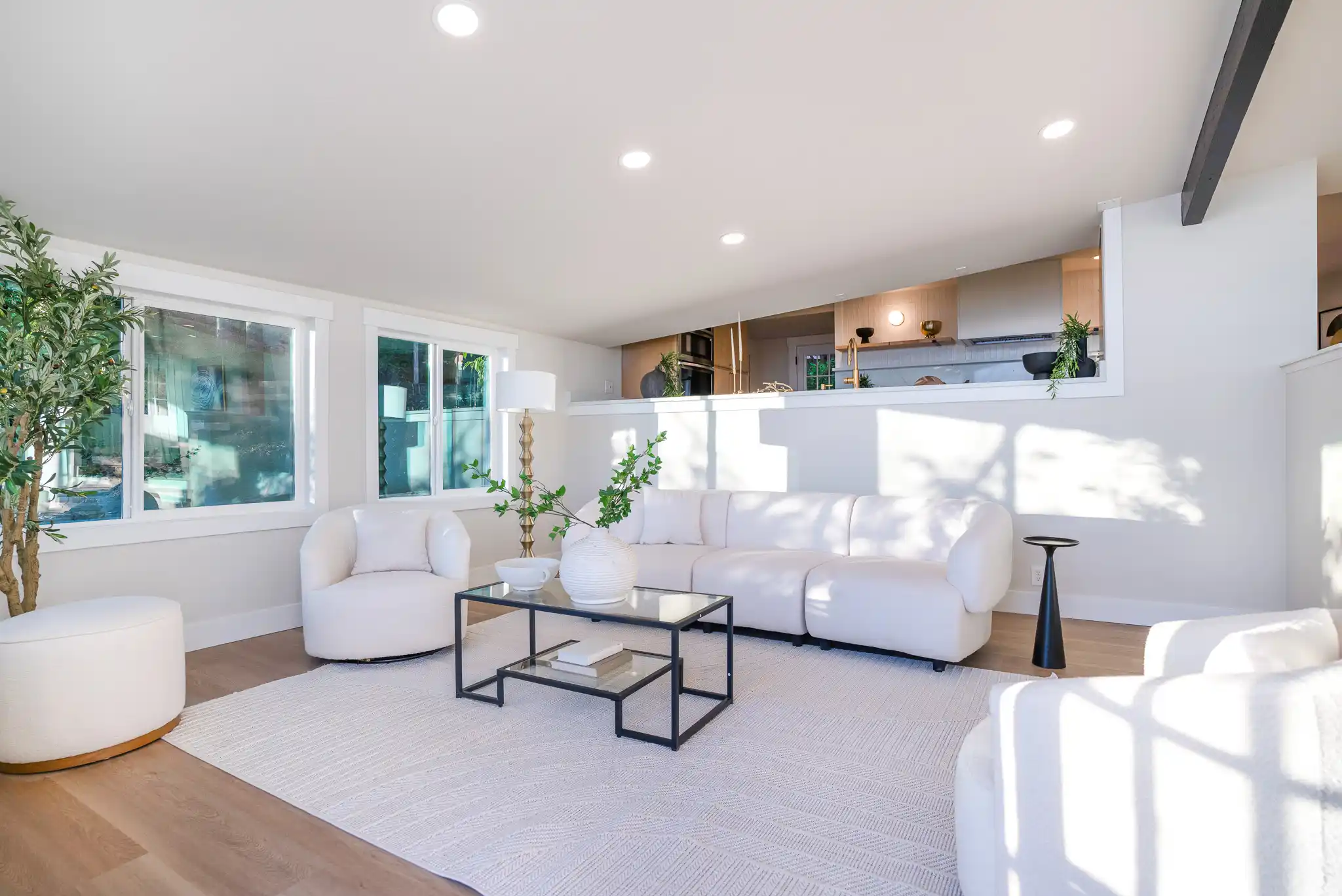
A deferred-payment remodeling option allows sellers to renovate first and pay later from the proceeds of the home sale. Instead of covering the full project cost before work begins, the homeowner uses a pay at closing renovation program designed for pre-sale improvements. This structure can make it easier to tackle updates that may increase buyer demand and overall market value.
While details vary by provider, the process usually follows a straightforward path:
- The home is evaluated to identify the best pre-sale improvements.
- A renovation scope and budget are prepared based on likely return and market expectations.
- The work is completed before the property is listed.
- The seller pays for the renovation from escrow at closing.
For homeowners exploring pay at closing home renovations Seattle, the biggest advantage is often timing. Rather than delaying needed work or listing a home in less-than-ideal condition, sellers can move forward with practical upgrades when they matter most.
This model also encourages a more ROI-focused mindset. Since the work is being done specifically to support a successful sale, choices are typically guided by what buyers want now, not long-term personal preferences.
Who qualifies for deferred payment remodeling

Not every seller will qualify for a deferred-payment renovation arrangement, but many homeowners with sufficient equity and a realistic sale plan may be good candidates. Qualification often depends on the current property value, the expected listing price after improvements, the scope of work, and the likelihood of selling within a reasonable timeline.
In general, sellers who benefit most include:
- Homeowners with strong equity but limited liquid cash
- Sellers preparing an older home for the Seattle market
- Owners of inherited properties that need cosmetic updates
- Busy households that want a streamlined pre-sale process
- Homeowners who want to avoid using credit cards or personal loans for upgrades
Deferred-payment remodeling is often a good fit when the home is structurally sound but needs visual and functional updates to compete. If you are considering broader layout changes, finish upgrades, or coordinated improvements, working with experienced Seattle design build services can help align the renovation plan with local market expectations.
Before moving forward, sellers should understand all terms clearly, including budget limits, repayment mechanics, timelines, and which services are included. A good program should support both smart renovation decisions and a smooth path to listing.
Best renovations before selling in Seattle
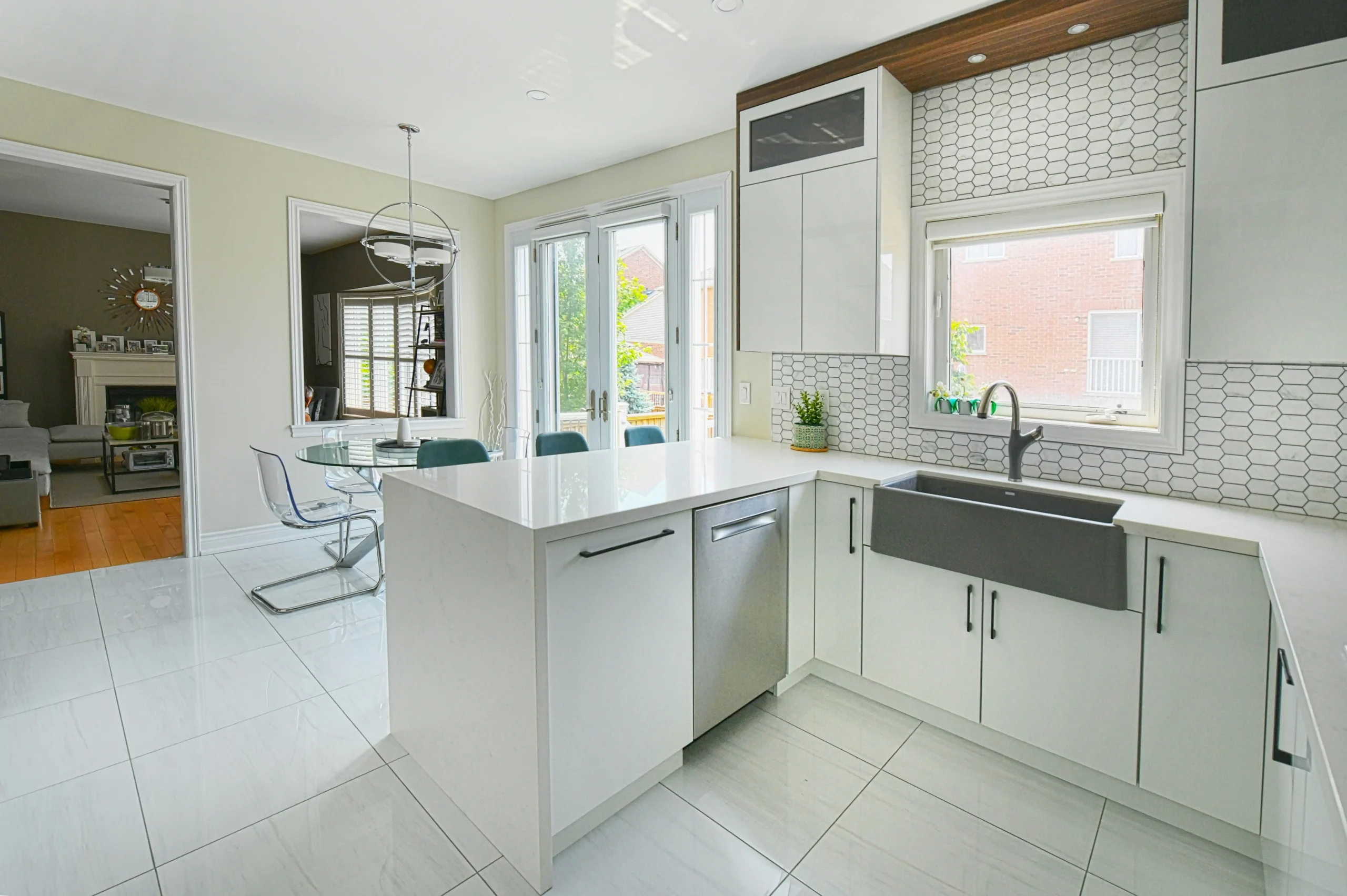
Seattle buyers often respond strongly to homes that feel bright, clean, updated, and move-in ready. The best pre-sale renovations usually are not luxury overhauls. Instead, they focus on improvements that remove buyer objections and enhance first impressions.
Common high-value projects include:
- Interior painting: Fresh, neutral paint can quickly modernize a home and make rooms feel larger and cleaner.
- Flooring updates: Refinished hardwoods or new flooring can transform worn spaces and improve continuity.
- Kitchen refreshes: Cabinet painting, new hardware, updated countertops, and better lighting often deliver strong visual impact.
- Bathroom improvements: New fixtures, vanities, mirrors, tile touch-ups, and lighting can make bathrooms feel newer without full gut renovation costs.
- Curb appeal upgrades: Landscaping, exterior paint touch-ups, front door improvements, and pressure washing matter more than many sellers realize.
- Lighting and finish updates: Replacing dated light fixtures, switches, and hardware can make the whole home feel more current.
For many homeowners, the most effective approach is to combine several modest improvements rather than overspend in one area. Comprehensive pre listing renovation services can help prioritize the updates most likely to improve saleability in your neighborhood and price bracket.
ROI-driven upgrades that increase home value

Not every renovation adds equal value. The best pre-sale improvements are the ones that buyers notice immediately and that reduce their perceived future expense. In other words, they make the home easier to say yes to.
In the context of pay at closing home renovations Seattle, ROI-driven upgrades usually include cosmetic modernization, deferred maintenance corrections, and improvements that support professional staging and listing photography.
Updates with strong buyer appeal
- Neutral, cohesive paint colors throughout the home
- Modern kitchen surfaces and fixtures
- Updated bathroom finishes
- Clean, durable flooring
- Improved natural and artificial lighting
Repairs that protect value
- Damaged trim, drywall, or doors
- Worn caulking and grout
- Outdated or visibly neglected fixtures
- Exterior wear that affects curb appeal
- Minor issues flagged in pre-inspection reviews
Sellers should be careful not to over-improve for the neighborhood. A luxury-level remodel may not produce a matching return if surrounding homes are more modest. The goal is not to create the most expensive home on the block. It is to create a home that feels polished, well-maintained, and appropriately updated for its market segment.
Timeline: from planning to listing
One of the most important parts of a successful pre-sale renovation is timing. Sellers need enough time to plan, complete the work, stage the property, and launch the listing without unnecessary delays.
A typical timeline looks like this:
- Initial consultation: Review the home’s condition, goals, likely ROI, and whether a deferred-payment option makes sense.
- Scope development: Build a renovation plan based on budget, timeline, and expected market impact.
- Scheduling and materials: Confirm selections, order materials, and coordinate trades.
- Renovation phase: Complete the agreed improvements efficiently and prepare the home for market.
- Final prep: Deep cleaning, staging recommendations, and listing readiness.
- List and sell: Repay the renovation balance from closing proceeds.
In a fast-moving market, early planning matters. If you want to explore pay at closing home renovations Seattle before your target listing date, it is wise to schedule a remodeling consultation as soon as possible.
Common mistakes sellers make
Pre-sale renovation can be highly effective, but only when the work is chosen carefully. Sellers often lose time or money by focusing on the wrong projects or making decisions without considering local buyer expectations.
Here are some of the most common mistakes:
- Over-customizing: Bold personal design choices may limit buyer appeal.
- Ignoring visible wear: Small issues like chipped paint, stained flooring, or dated fixtures can drag down perceived value.
- Overspending on major remodels: Full luxury renovations are not always necessary to improve marketability.
- Waiting too long: Last-minute projects can create stress, rushed decisions, and listing delays.
- Skipping expert guidance: Renovating without a plan tied to likely resale value can reduce ROI.
The strongest outcomes usually come from a balanced strategy: fix what hurts value, update what buyers notice first, and avoid unnecessary additions that do not support a better sale.
FAQ
How does pay-at-closing home renovation work for Seattle sellers?
For Seattle sellers, pay-at-closing renovation means you complete pre-sale updates now and repay the renovation cost from escrow when the home sells. The process usually includes evaluating the home, creating an ROI-focused scope of work, finishing the improvements before listing, and settling the balance from closing proceeds.
Who qualifies for deferred payment remodeling before selling a home?
Qualification usually depends on factors like available home equity, current and expected after-improvement value, project scope, and the likelihood of selling within a reasonable timeline. It is often a good fit for sellers with strong equity but limited cash, older homes that need cosmetic updates, or inherited properties being prepared for market.
Which renovations offer the best ROI before listing in Seattle?
The best ROI before listing in Seattle usually comes from practical, buyer-facing upgrades such as fresh neutral paint, flooring improvements, kitchen and bathroom refreshes, updated lighting, curb appeal work, and visible repairs. The goal is to make the home feel clean, current, and move-in ready without over-improving for the neighborhood.
How long does a pay-at-closing renovation project take before a home is listed?
The timeline varies by scope, but most projects move through consultation, planning, materials and scheduling, renovation, final prep, and then listing. Early planning is important so the work, cleaning, staging, and market launch can happen smoothly without delaying the sale.