

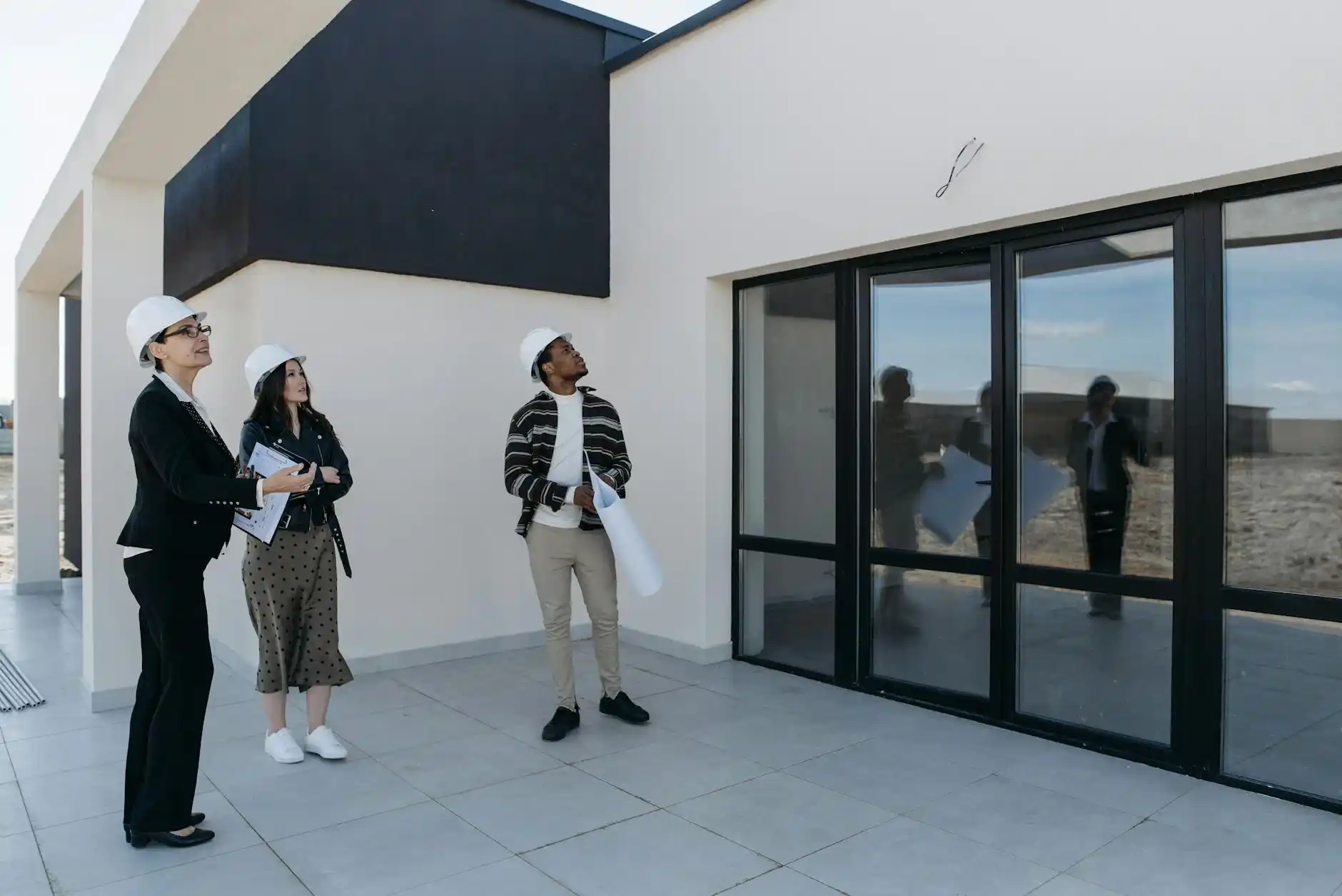
Working with architects for custom home design services is one of the most effective ways to turn a vision for your future home into a practical, buildable, and beautiful plan. Whether you are starting with a vacant lot, replacing an older structure, or refining ideas for a one-of-a-kind residence, the right architectural team helps align lifestyle goals, site conditions, aesthetics, and budget from the beginning. A well-planned process also makes it easier for homeowners to move from inspiration to approvals, documentation, and construction with confidence.

When you need an architect for a custom home
Homeowners typically seek architects for custom home design services when they want more than a standard floor plan. If your project involves a unique property, a complex hillside or waterfront site, strict neighborhood guidelines, or a highly personalized layout, an architect can help solve problems early and create a design that responds to both the land and the way you live.
An architect is especially valuable when you want to:
- Create a fully tailored home rather than adapt a pre-drawn plan
- Maximize views, privacy, sunlight, and indoor-outdoor connections
- Incorporate specialty spaces such as a home office, wellness suite, wine room, or multigenerational living area
- Address zoning, setbacks, lot coverage, and local code requirements
- Design for long-term value, functionality, and architectural consistency
For many homeowners, the design phase is not just about appearance. It is about making thousands of small decisions that affect daily life, from circulation and storage to natural light and energy efficiency. Professional guidance in Custom home design helps ensure those decisions are intentional instead of reactive.
Architect-led design vs design-build coordination
There is no single path to a successful custom home project. Some clients prefer a traditional architect-led process, while others benefit from integrated Design-build services that connect design and construction under a coordinated framework. Understanding the difference helps you choose the right fit for your goals.
In an architect-led model, the architect typically leads concept development, design refinement, and construction documents. The builder may join later during estimating or preconstruction. This approach can work well for clients who want a highly design-driven experience or who are comparing contractor bids after the plans are complete.
In a design-build coordinated process, the design team and construction professionals collaborate earlier. That often means pricing feedback, feasibility checks, scheduling input, and material guidance are incorporated while the plans are still evolving. This can reduce redesign, support better cost control, and improve communication between all parties.
Neither model is automatically better. The right choice depends on project complexity, your desired level of involvement, and how important early budget visibility is to you. Many homeowners find that coordinated planning creates fewer surprises later, especially when the scope includes premium finishes or advanced systems that require close collaboration.
How builders and architects work together
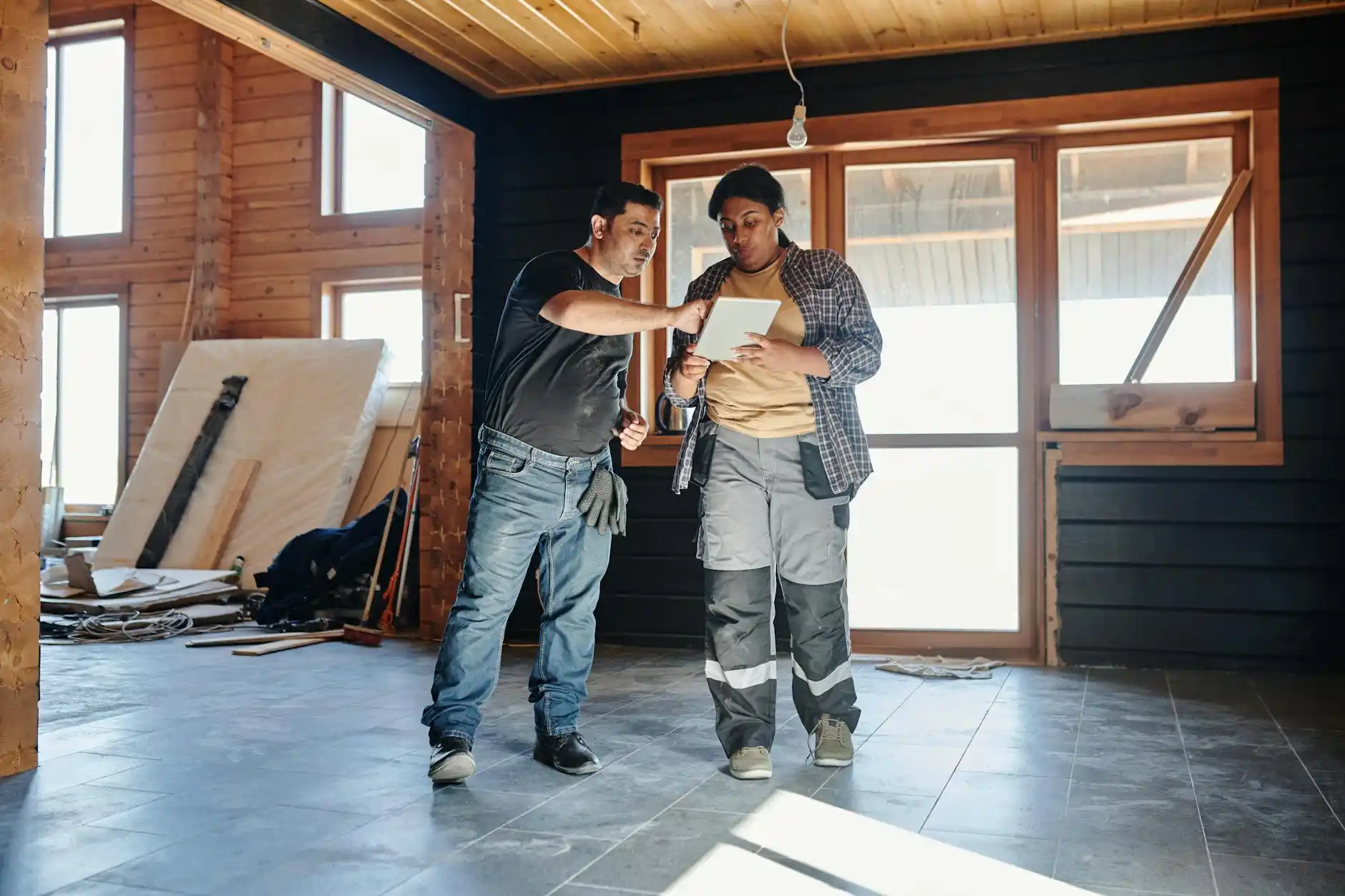
Strong collaboration between builder and architect is essential for a smooth custom home experience. While the architect focuses on spatial planning, form, code compliance, and design intent, the builder contributes practical knowledge about cost, sequencing, materials, labor availability, and construction methods.
When builders and architects work together well, they can:
- Evaluate whether the design aligns with the target construction budget
- Identify structural or site-related challenges before permitting
- Recommend materials and assemblies that support the desired look and performance
- Clarify details that affect scheduling and craftsmanship
- Reduce costly revisions during construction
This teamwork matters even more in elevated projects requiring precise detailing and finish coordination. Homeowners seeking higher-end solutions often benefit from early input tied to layout, finishes, and systems. In those cases, Luxury home design support can help bridge aesthetics and real-world execution in a way that protects both quality and budget.
What to prepare before the first design meeting
Your first meeting with architects for custom home design services will be more productive if you arrive with clear priorities. You do not need every answer, but you should be ready to discuss how you want the home to function, what style appeals to you, and what constraints may shape the design.
Helpful items to prepare include:
- Project goals — Define what success looks like. Are you building a forever home, a family gathering place, or a residence designed around entertaining?
- Wish list and must-haves — List desired rooms, approximate square footage, and features such as a guest suite, gym, prep kitchen, or outdoor living area.
- Inspiration images — Gather examples of architectural styles, interior finishes, kitchen layouts, and exterior materials you like.
- Site information — Bring surveys, property photos, zoning information, or any geotechnical reports if available.
- Budget range — Share a realistic investment range so the team can design appropriately from the start.
- Timeline goals — Note any preferred move-in date or permitting concerns.
Being honest about priorities makes the process faster and more strategic. If one partner wants dramatic contemporary design and the other values warmth and practicality, say so early. Good architects can translate different preferences into a cohesive concept, but they need that information up front.
Budget alignment during architectural planning
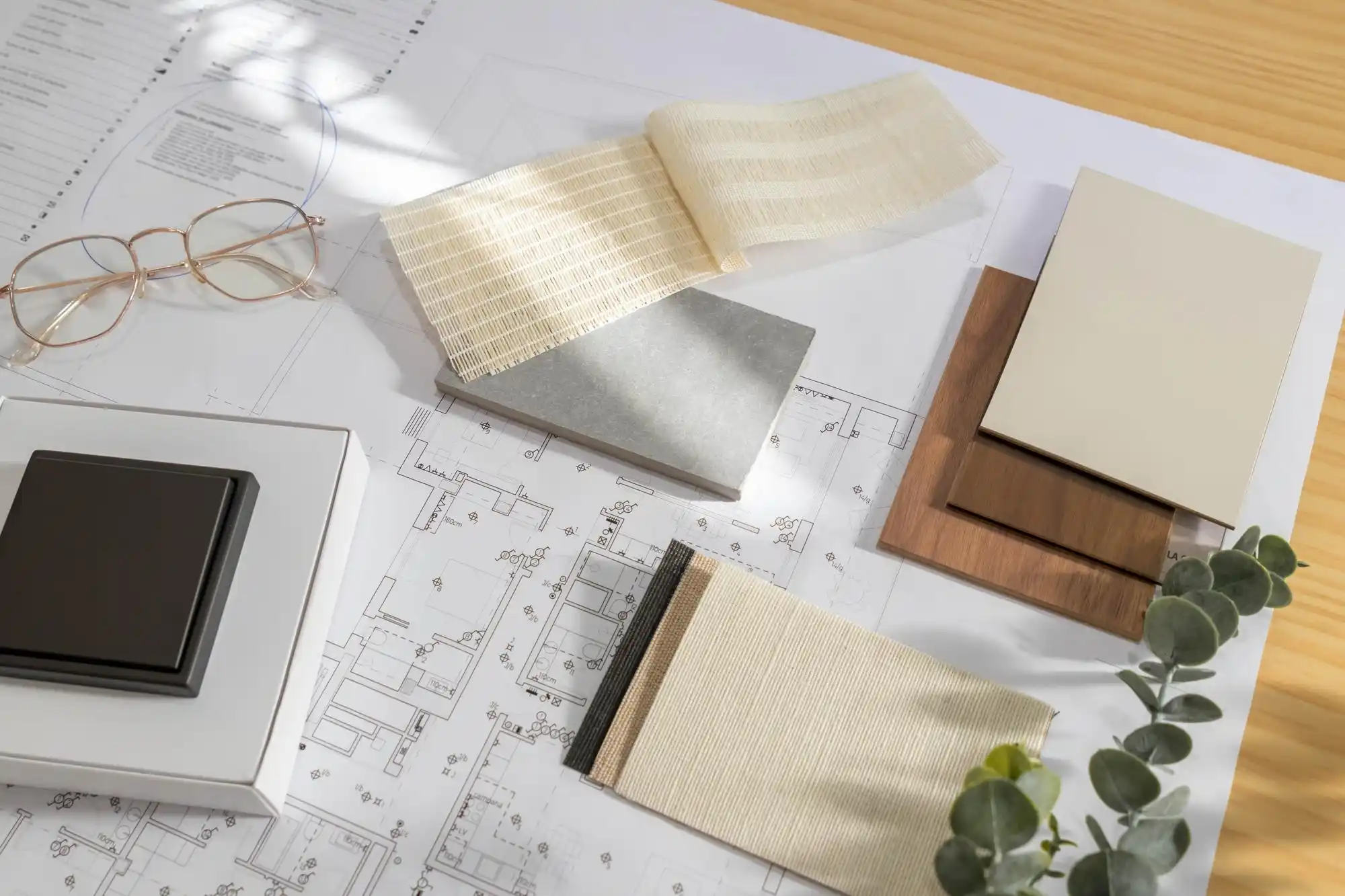
One of the most common reasons custom home projects become stressful is a gap between design ambition and construction cost. That is why budget alignment should happen during planning, not after the drawings are nearly finished. Experienced architects for custom home design services know how to design with priorities in mind while coordinating with builders or estimators for real-world pricing insight.
Budget alignment usually includes:
- Establishing a target investment range at the beginning
- Prioritizing spaces and features that matter most to the homeowner
- Comparing options for structure, materials, glazing, roofing, and finishes
- Checking square footage efficiency instead of simply adding area
- Revising scope before plans are overdeveloped
It is important to remember that cost is influenced by more than size alone. Site access, grading, retaining walls, structural complexity, custom windows, specialty mechanical systems, and premium finishes all affect pricing. A smaller home with sophisticated detailing can cost more than a larger but simpler structure. Early transparency helps the design team make informed choices that preserve your priorities.
Turning concepts into construction documents
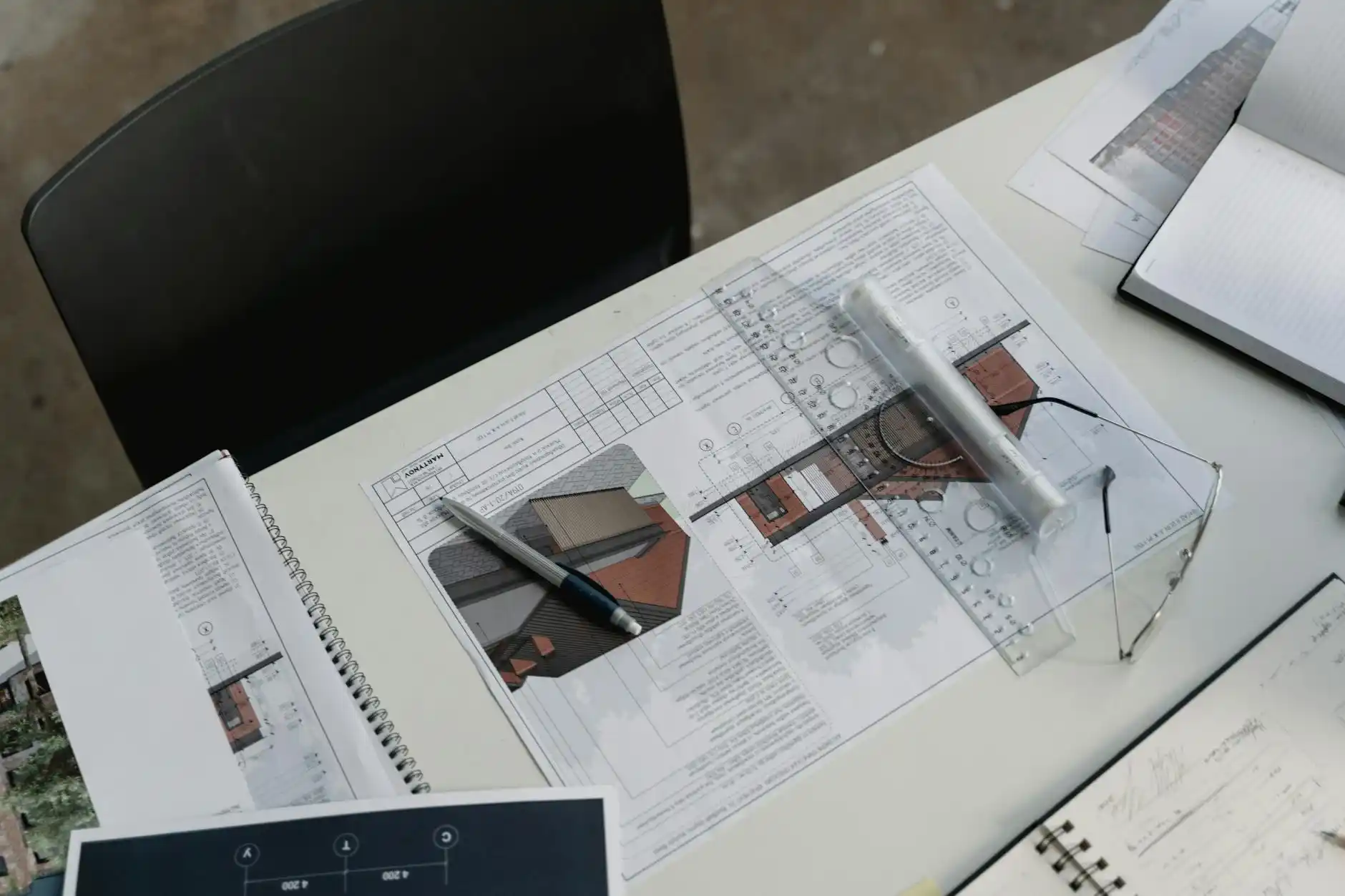
Once the overall design direction is approved, the project moves from conceptual thinking into technical development. This is where ideas become measurable, coordinated construction documents that can be used for permitting, pricing, and building. The transition is critical because even the most inspiring concept must be translated into clear instructions for execution.
Construction documents typically include:
- Dimensioned floor plans and site plans
- Exterior elevations and building sections
- Roof plans and structural coordination
- Door, window, and finish schedules
- Interior details for kitchens, baths, stairs, and millwork areas
- Notes for code compliance and permit submission
During this phase, decisions become more specific. Window groupings, ceiling conditions, cabinet layouts, and finish transitions are documented with greater precision. If the builder is involved early, this is also the stage where questions can be resolved before they cause delays in the field. Well-prepared documents support more accurate pricing, cleaner permitting, and fewer misunderstandings during construction.
Choosing the right design partner
Selecting the right team is about more than reviewing a portfolio. You want a partner who listens carefully, understands your lifestyle, communicates clearly, and can guide the process from broad ideas to practical decisions. The best fit often combines design talent with a disciplined approach to coordination, timelines, and budget awareness.
When evaluating potential partners, consider asking:
- What types of custom homes have you designed most often?
- How do you approach site analysis and design feasibility?
- How do you coordinate with builders during planning and construction?
- What is your process for managing budget alignment?
- What deliverables are included at each design phase?
- How do you handle revisions, permitting, and consultant coordination?
It also helps to assess responsiveness and communication style. A custom home can take many months from concept to completion, so trust and collaboration matter. If you are ready to discuss your project goals, lot conditions, or timeline, Contact United Signature to start the conversation.
Ultimately, the right choice in architects for custom home design services should leave you feeling confident that your vision will be respected, refined, and translated into a home that performs as beautifully as it looks.
FAQ
When should I hire an architect for a custom home?
Hire an architect as early as possible, ideally before design begins or before buying into a complex site. Early involvement helps shape the layout, evaluate zoning and site conditions, and align the home’s design with your goals, budget, and timeline from the start.
How do architects and builders work together on a custom home project?
Architects focus on design intent, spatial planning, code compliance, and documentation, while builders provide input on cost, materials, sequencing, and constructability. When they collaborate early, they can catch issues sooner, improve pricing accuracy, and reduce revisions during construction.
What should I bring to the first meeting with a custom home architect?
Bring inspiration images, a clear list of must-haves and wish-list features, your budget range, site information such as surveys or photos, and any timeline goals. This gives the architect a stronger starting point for creating a design that fits your lifestyle and property.
How does an architect help align home design with my budget?
An architect helps align design with budget by setting priorities early, designing within a realistic investment range, comparing options for size, materials, and features, and coordinating with builders or estimators for cost feedback during planning. This helps prevent overdesign and costly late-stage changes.