

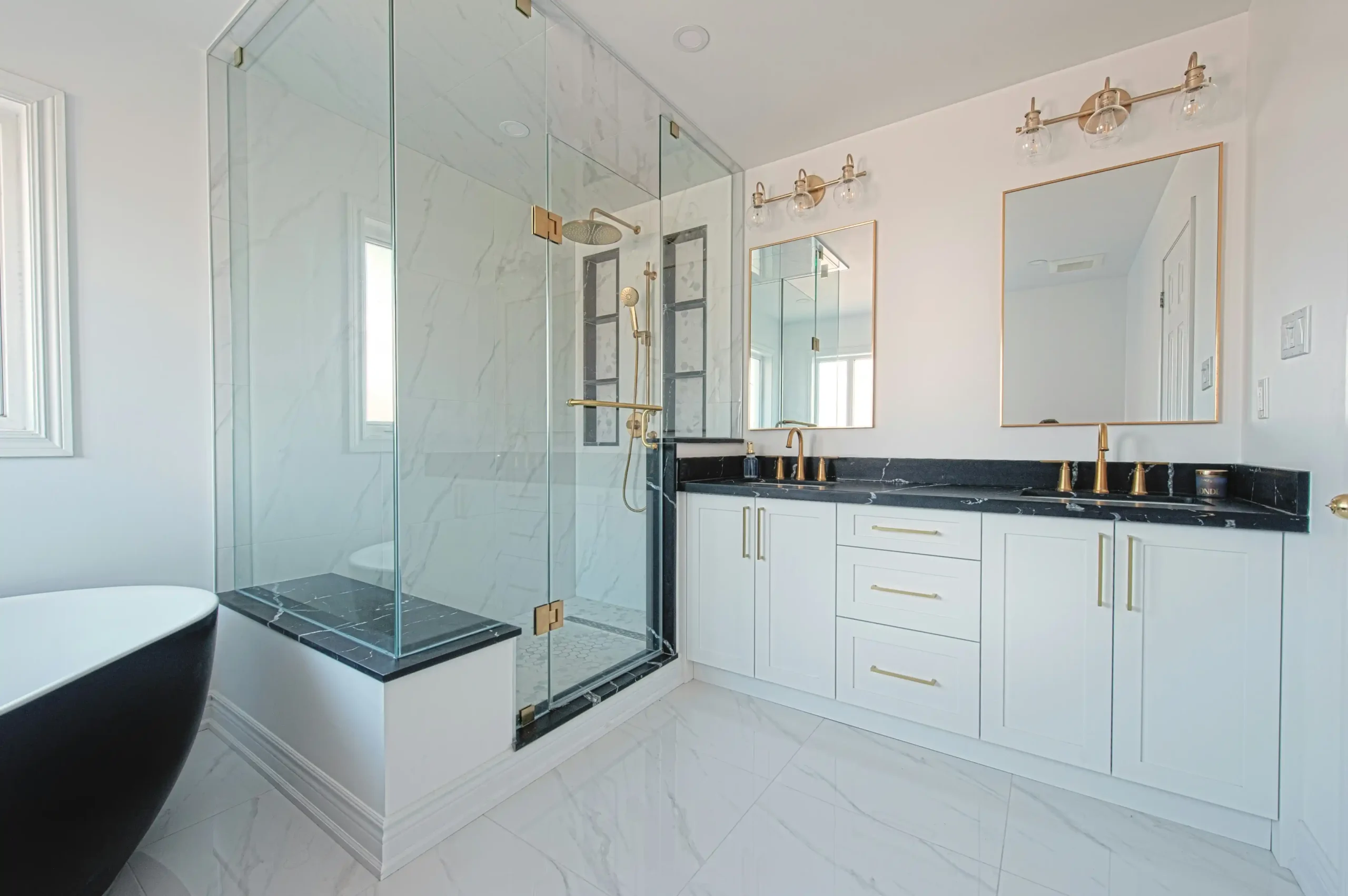
The average cost of a full bathroom renovation is one of the first questions homeowners ask, and for good reason: bathroom remodels can range from manageable upgrades to major investments depending on labor, layout, fixtures, and finishes. In most cases, a full renovation means more than replacing a vanity or repainting walls—it involves updating multiple systems and surfaces at once to improve function, appearance, and long-term value. If you are planning Bathroom Remodeling, understanding where the money goes is the best way to set a realistic budget before demolition begins.

What counts as a full bathroom renovation
A full bathroom renovation typically includes replacing most or all of the major components in the space. That often means a new vanity, sink, faucet, toilet, flooring, lighting, wall finishes, shower or tub materials, mirrors, and accessories. In many projects, contractors also update plumbing connections, electrical wiring, ventilation, waterproofing, and subfloor areas if needed.
The average cost of a full bathroom renovation usually reflects a project where the room is taken down far enough to address both visible finishes and the systems behind the walls. This is different from a cosmetic refresh, which may only include paint, hardware, and a few fixture swaps.
Homeowners should think of a full renovation as a reset of the space. The goal is not just to make the bathroom look better, but to improve usability, durability, and code compliance. If your bathroom has aging plumbing, poor ventilation, outdated tile, or a layout that no longer works, a full renovation is often the smarter long-term approach.
Labor, plumbing, electrical, and finish costs explained
Labor is often the biggest share of the budget. Skilled work such as demolition, framing adjustments, tile installation, waterproofing, plumbing, and electrical updates adds up quickly because each trade must complete its part in the right sequence. Even a modest bathroom requires careful coordination.
Plumbing costs rise when fixtures are moved, pipes need replacement, or older homes require code updates. Replacing a toilet or vanity in the same location is usually less expensive than relocating a shower drain or moving supply lines across the room. Electrical costs may include new lighting, GFCI outlets, exhaust fan upgrades, and dedicated circuits where required.
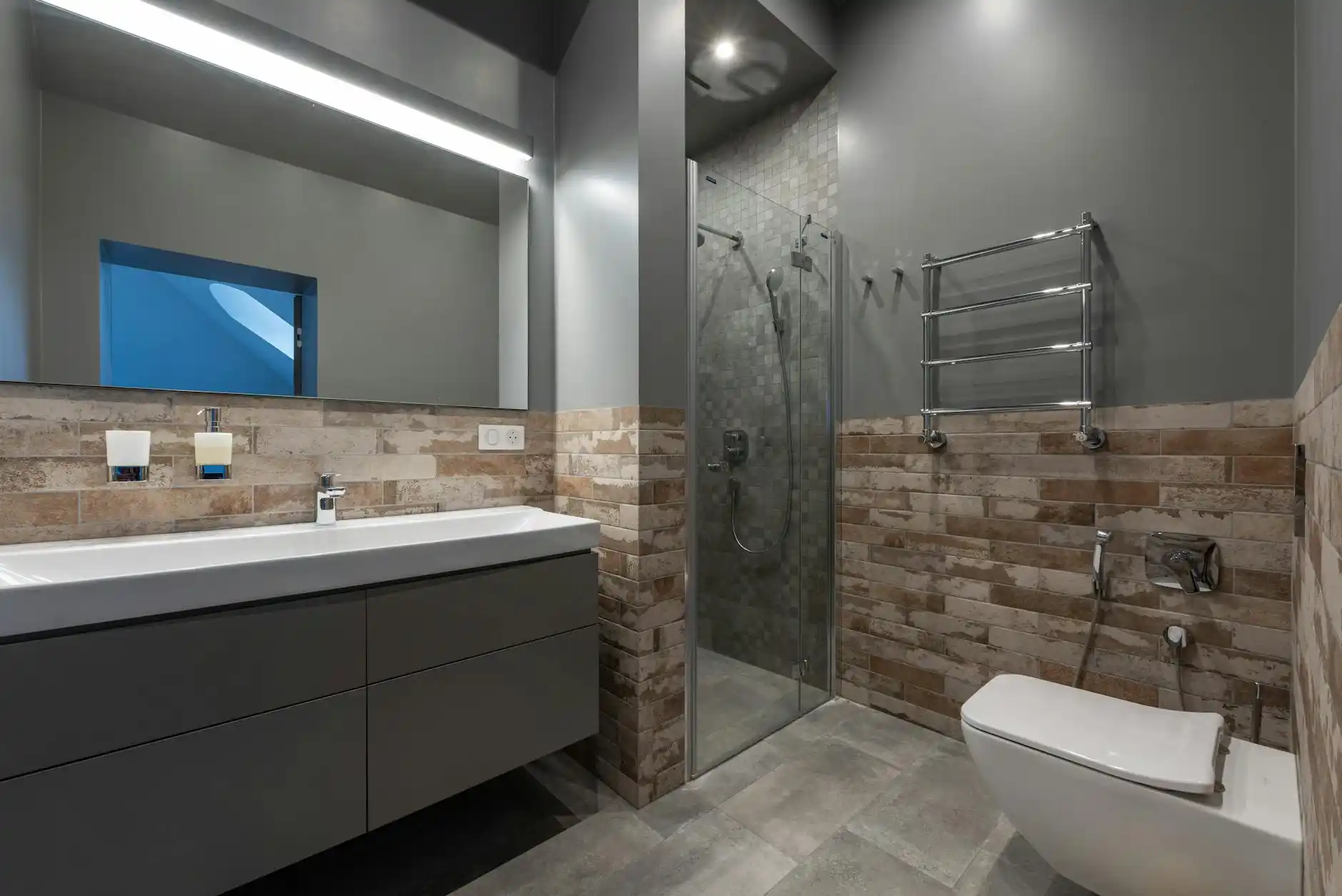
Finish costs cover what homeowners see every day: tile, vanity cabinets, countertops, faucets, shower glass, paint, mirrors, and trim. These choices have a wide pricing range. For example, machine-made ceramic tile is generally far less expensive than large-format porcelain or natural stone, and stock vanities cost much less than custom cabinetry.
When homeowners ask about the average cost of a full bathroom renovation, they are really asking about a combination of trade labor and finish selection. A simple project in an existing layout may stay relatively controlled, while a more customized renovation can increase sharply once specialty materials and detailed tile work are added.

How bathroom size and layout changes affect pricing
Size matters, but layout matters even more. A larger bathroom often requires more flooring, more wall tile, a larger vanity, additional lighting, and more labor hours. However, a small bathroom with tight access or complex tile details can still be expensive on a per-square-foot basis.
Layout changes are one of the fastest ways to increase renovation costs. Moving a shower, toilet, or tub usually means more plumbing work, possible framing changes, and sometimes modifications to ventilation or electrical placement. If walls are removed or expanded, structural review may also become part of the project.
That is why the average cost of a full bathroom renovation can vary so widely between homes that seem similar at first glance. A hall bathroom updated within its original footprint is generally much more budget-friendly than a primary bath reconfigured for a larger shower, double vanity, or separate soaking tub.
If your bathroom renovation is part of a broader home update, it may make sense to coordinate it with a Whole Home Remodel. Combining projects can improve scheduling efficiency and help avoid repeating demolition, finish work, or permit-related costs later.
Material choices that move the budget up or down
Material selection can shift a bathroom budget significantly without changing the basic scope of work. Homeowners often focus on the price of tile or vanities, but every visible finish contributes to the total.
- Flooring and wall tile: Ceramic is usually more affordable than porcelain, while natural stone tends to require higher material and installation costs.
- Vanities: Stock sizes are typically the most budget-friendly; semi-custom and custom options raise costs but improve fit and storage.
- Countertops: Laminate and standard solid-surface products cost less than quartz or marble.
- Shower enclosures: A curtain or standard framed door is usually less expensive than custom frameless glass.
- Fixtures: Designer faucets, rain showers, body sprays, and smart toilets can quickly elevate the budget.
To keep the project balanced, many homeowners mix investment pieces with cost-conscious choices. For example, you might choose a durable quartz countertop and quality plumbing fixtures while keeping field tile simple and using a stock vanity in a standard size. This approach helps control the average cost of a full bathroom renovation without making the final result feel generic.
Hidden costs homeowners often miss
Even well-planned bathroom remodels can uncover extra expenses once work begins. Bathrooms are compact spaces packed with moisture-sensitive materials and hidden systems, so surprises are common.
Frequently missed costs include:
- Water damage repair: Rot behind showers, tubs, and toilets may require subfloor or framing replacement.
- Mold remediation: Long-term leaks or poor ventilation can create health and structural concerns that need proper treatment.
- Code upgrades: Older homes may need electrical, venting, plumbing, or waterproofing improvements to meet current standards.
- Permit fees: Depending on location and project scope, permits can add meaningful cost.
- Temporary inconvenience: If the home has only one full bath, households may need short-term accommodations or a phased schedule.
Because of these unknowns, many contractors recommend a contingency fund of 10% to 20%. That buffer helps homeowners absorb surprises without compromising critical parts of the project halfway through.
How to budget for quality without overspending
The best bathroom budgets start with priorities. Decide what matters most: better storage, a larger shower, low-maintenance surfaces, improved lighting, or a more current style. From there, allocate more of the budget to the features that affect daily use and long-term performance.
A few smart ways to control costs include:
- Keep plumbing fixtures in their existing locations when possible
- Choose durable mid-range materials instead of chasing luxury finishes everywhere
- Invest in waterproofing, ventilation, and installation quality before decorative upgrades
- Use statement tile selectively, such as in a niche or shower wall, instead of throughout the room
- Request a detailed estimate so allowances and exclusions are clear
Homeowners often save money by avoiding false economies. Cheap faucets, poor tile installation, or inadequate waterproofing can lead to leaks, repairs, and early replacement. A well-planned project should support both appearance and durability. That is the most practical way to manage the average cost of a full bathroom renovation while still getting a result worth the investment.
When financing helps protect the right project scope
Sometimes the smartest financial decision is not cutting essential work just to meet a short-term number. If a bathroom needs structural repairs, plumbing replacement, or proper waterproofing, scaling back too far can leave the core problems unresolved. In those cases, exploring Financing may help homeowners complete the right scope now instead of paying for repeat work later.
Financing can also make sense when the renovation is part of a larger plan to improve livability, safety, or resale value. The key is to use it strategically—for durable improvements, quality craftsmanship, and systems that protect the home—not just for luxury add-ons that strain the budget.
When comparing options, homeowners should look at the total project cost, monthly payment, and the value of completing the renovation correctly the first time. A well-scoped project often costs less over time than a series of partial fixes.
FAQ
What is the average cost of a full bathroom renovation?
The average cost of a full bathroom renovation varies based on bathroom size, local labor rates, material selections, and whether the layout changes. A project that keeps fixtures in place and uses mid-range finishes usually costs less than a custom remodel with major plumbing, structural, or high-end finish upgrades.
What is included in a full bathroom renovation?
A full bathroom renovation typically includes replacing most major components such as the vanity, sink, faucet, toilet, flooring, lighting, wall finishes, shower or tub materials, mirrors, and accessories, along with updates to plumbing, electrical, ventilation, waterproofing, and any damaged subfloor or wall areas if needed.
How much do labor and plumbing add to a bathroom renovation cost?
Labor is often one of the largest parts of the budget because bathrooms require demolition, tile work, waterproofing, plumbing, electrical, and finish installation in a tight space. Plumbing costs rise further when fixtures are relocated, pipes are replaced, or older systems need code-related upgrades.
How do bathroom size and layout changes affect renovation pricing?
Larger bathrooms generally cost more because they need more flooring, tile, cabinetry, lighting, and labor hours, but layout changes can affect pricing even more. Moving a shower, toilet, or tub usually increases costs quickly because it adds plumbing work, possible framing changes, and sometimes electrical or ventilation adjustments.
Which material choices have the biggest impact on bathroom renovation cost?
Tile, vanities, countertops, shower enclosures, and plumbing fixtures tend to have the biggest impact on cost. Ceramic tile, stock vanities, and standard fixtures are usually more budget-friendly, while natural stone, custom cabinetry, frameless glass, and designer or smart fixtures can raise the total significantly.
What hidden costs should homeowners budget for in a full bathroom renovation?
Homeowners should budget for potential water damage repair, mold remediation, permit fees, code upgrades, and temporary living or scheduling disruptions if the home has limited bathroom access. A contingency fund of about 10% to 20% is often recommended to cover surprises discovered after demolition begins.
How can I budget for a bathroom renovation without overspending?
Start with your priorities, keep the plumbing layout the same when possible, and choose durable mid-range materials instead of upgrading every finish. It also helps to invest first in waterproofing, ventilation, and quality installation, then use a detailed estimate to track allowances, exclusions, and where you can scale back without hurting long-term performance.
When does financing make sense for a full bathroom renovation?
Financing can make sense when the bathroom needs essential work such as plumbing replacement, structural repairs, or proper waterproofing and cutting scope would leave important problems unresolved. It may also be useful when the renovation is part of a larger improvement plan, as long as the financing supports durable upgrades and a correctly completed project rather than unnecessary luxury add-ons.