

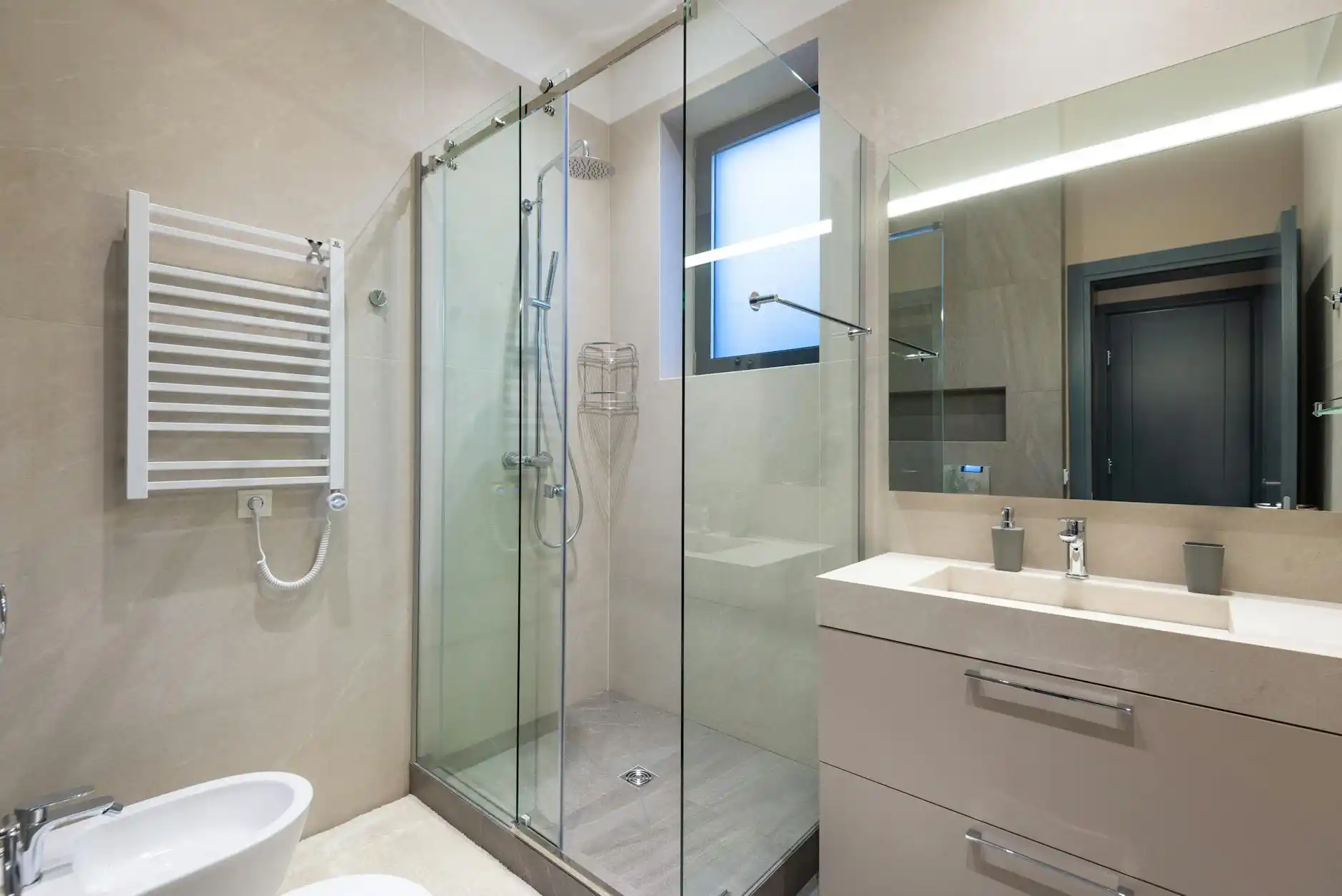
A realistic cost estimate for a mid-range bathroom remodel depends on more than square footage or a simple fixture swap. The final number is shaped by labor rates, material selections, plumbing and electrical needs, and whether the room layout stays the same. For homeowners planning Bathroom Remodeling, understanding these variables early helps set a budget that supports both function and finish quality.
What counts as a mid-range bathroom remodel
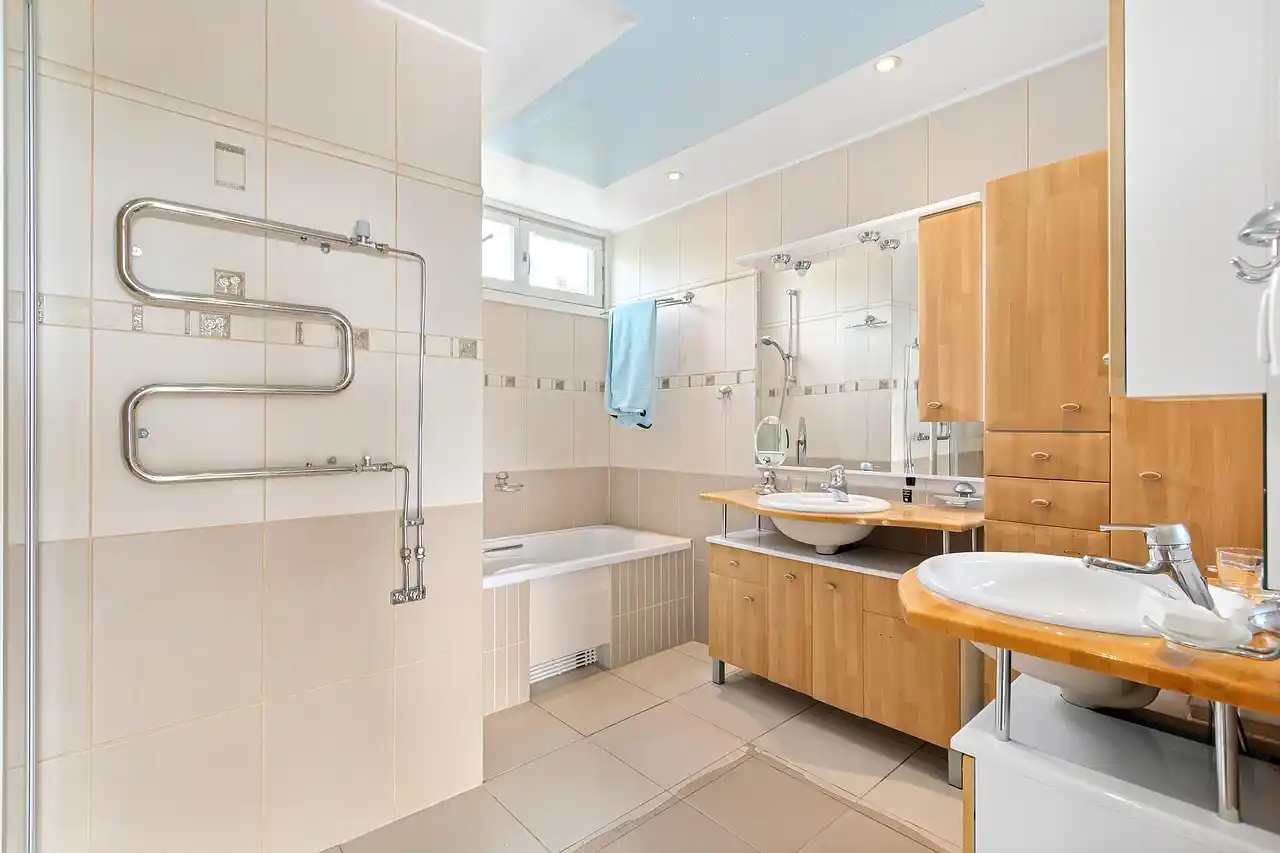
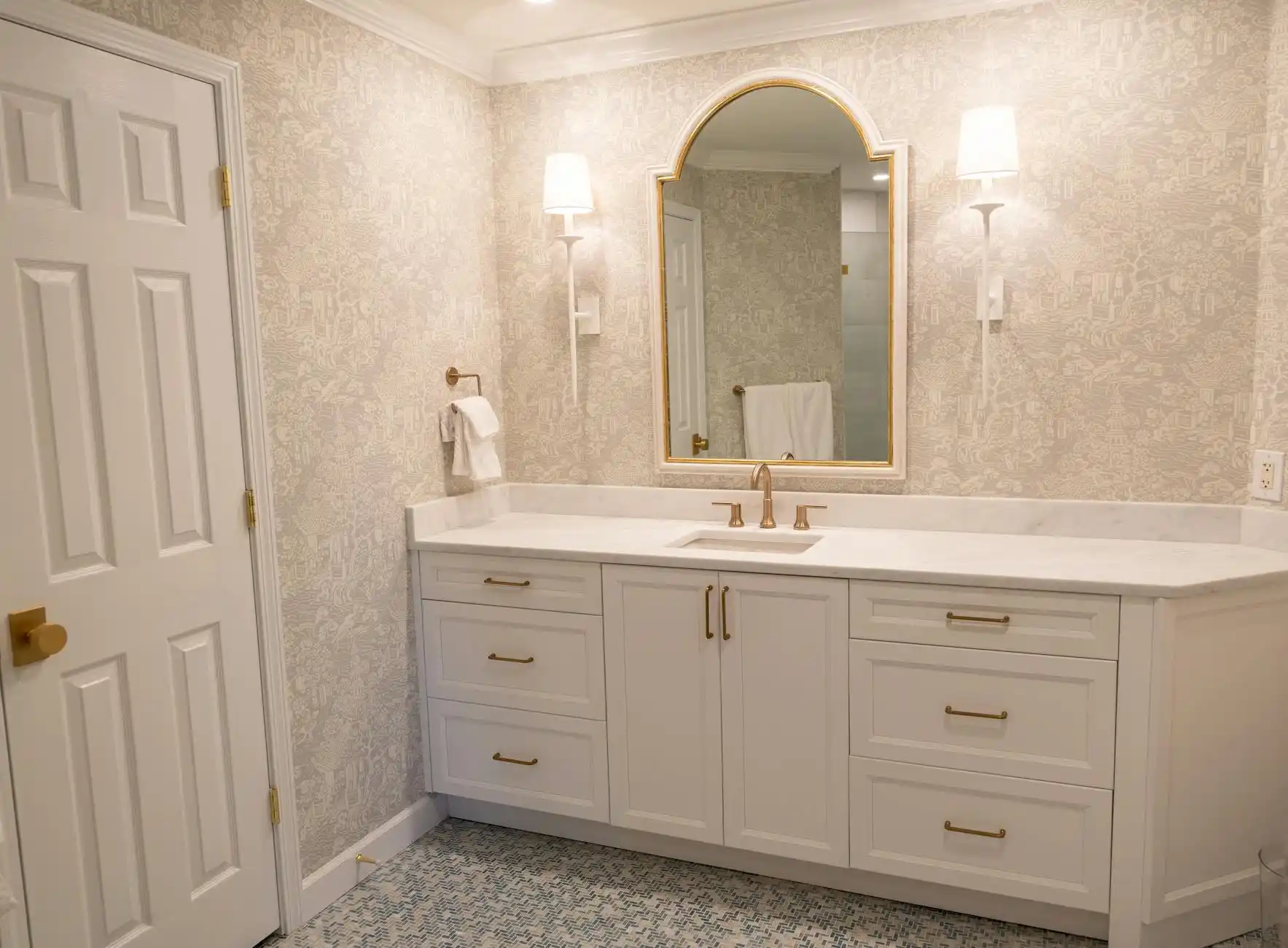
A mid-range remodel usually falls between a basic cosmetic update and a high-end luxury renovation. It often includes replacing the vanity, countertop, sink, toilet, lighting, flooring, shower or tub surround, mirrors, and hardware while keeping the project practical and value-conscious.
In most cases, a cost estimate for a mid-range bathroom remodel reflects materials that are durable and attractive without reaching premium custom pricing. Think semi-custom cabinetry instead of fully custom millwork, porcelain tile instead of rare natural stone, and quality plumbing fixtures from established brands rather than designer collections.
Typical mid-range remodel features include:
- New vanity with stone or quartz top
- Updated sink, faucet, and toilet
- Tile flooring and tiled shower walls or tub surround
- Modern lighting and ventilation
- Fresh paint and trim
- New mirrors and accessories
- Limited layout changes, if any
For many households, this level of remodeling offers the best balance between appearance, performance, and resale appeal.
Labor, materials, plumbing, and electrical cost drivers
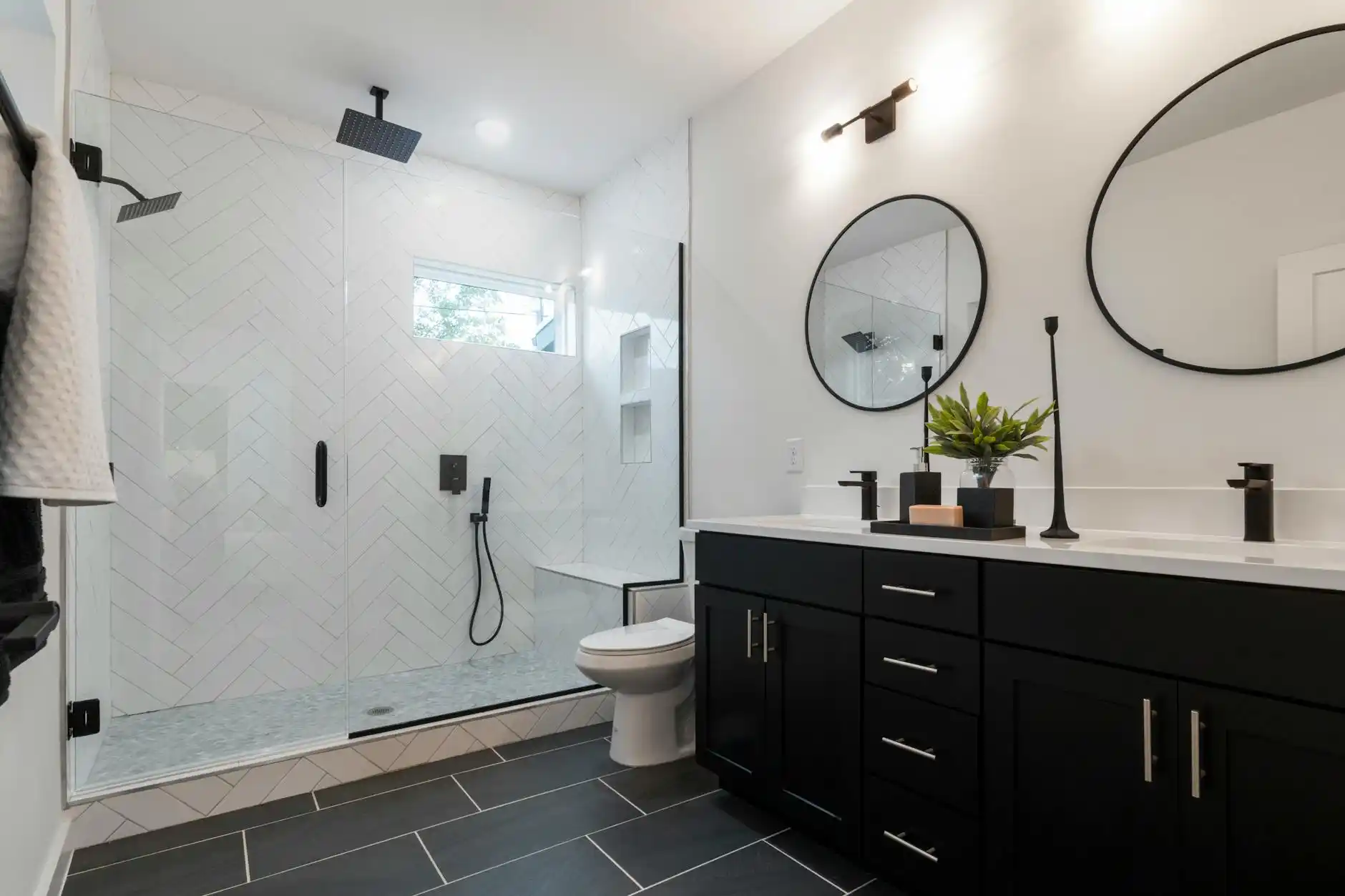
The largest influences on a cost estimate for a mid-range bathroom remodel are often the line items homeowners do not see at first glance. Labor can consume a major portion of the budget because bathroom work is detail-heavy and requires coordination among demolition crews, plumbers, electricians, tile installers, painters, and finish carpenters.
Material choices also move the estimate significantly. A vanity may look similar online across price points, but construction quality, finish durability, countertop thickness, and drawer hardware all affect the real installed cost. The same is true for tile, fixtures, and shower glass.
Plumbing costs rise when:
- Old supply lines or drain lines need replacement
- The shower valve is outdated or incompatible
- Water damage is discovered behind walls
- Fixtures are relocated
Electrical costs rise when:
- New circuits or GFCI protection are needed
- Lighting is upgraded with recessed fixtures or sconces
- An exhaust fan is added or vented properly
- Code updates require added work
If the bathroom is part of a larger renovation, a contractor may also evaluate how the project fits into a broader Whole Home Remodel strategy, especially when older systems, finishes, or room transitions affect the scope.
Vanity, tile, and shower budget ranges
Three categories usually have an outsized effect on the total: the vanity, tile, and shower assembly. These are visually prominent and labor-intensive, so even moderate upgrades can change the bottom line quickly.
Here are common mid-range budget ranges, though pricing varies by market and installation complexity:
- Vanity and countertop: $1,500 to $4,500 installed for a quality single or double vanity with quartz or stone top
- Floor and wall tile: $8 to $25 per square foot for tile materials, plus installation costs that can exceed the tile price depending on pattern and prep work
- Shower remodel: $4,000 to $12,000 or more for a new shower base or pan, tile surround, waterproofing, valve, trim, niche, and glass enclosure
The shower is often the most expensive single feature because it combines waterproofing, plumbing, tile labor, and glass. If you want a better cost estimate for a mid-range bathroom remodel, define the shower scope early. A standard alcove tub with tiled walls costs far less than a curbless walk-in shower with custom glass and multiple niches.
How layout changes affect the estimate
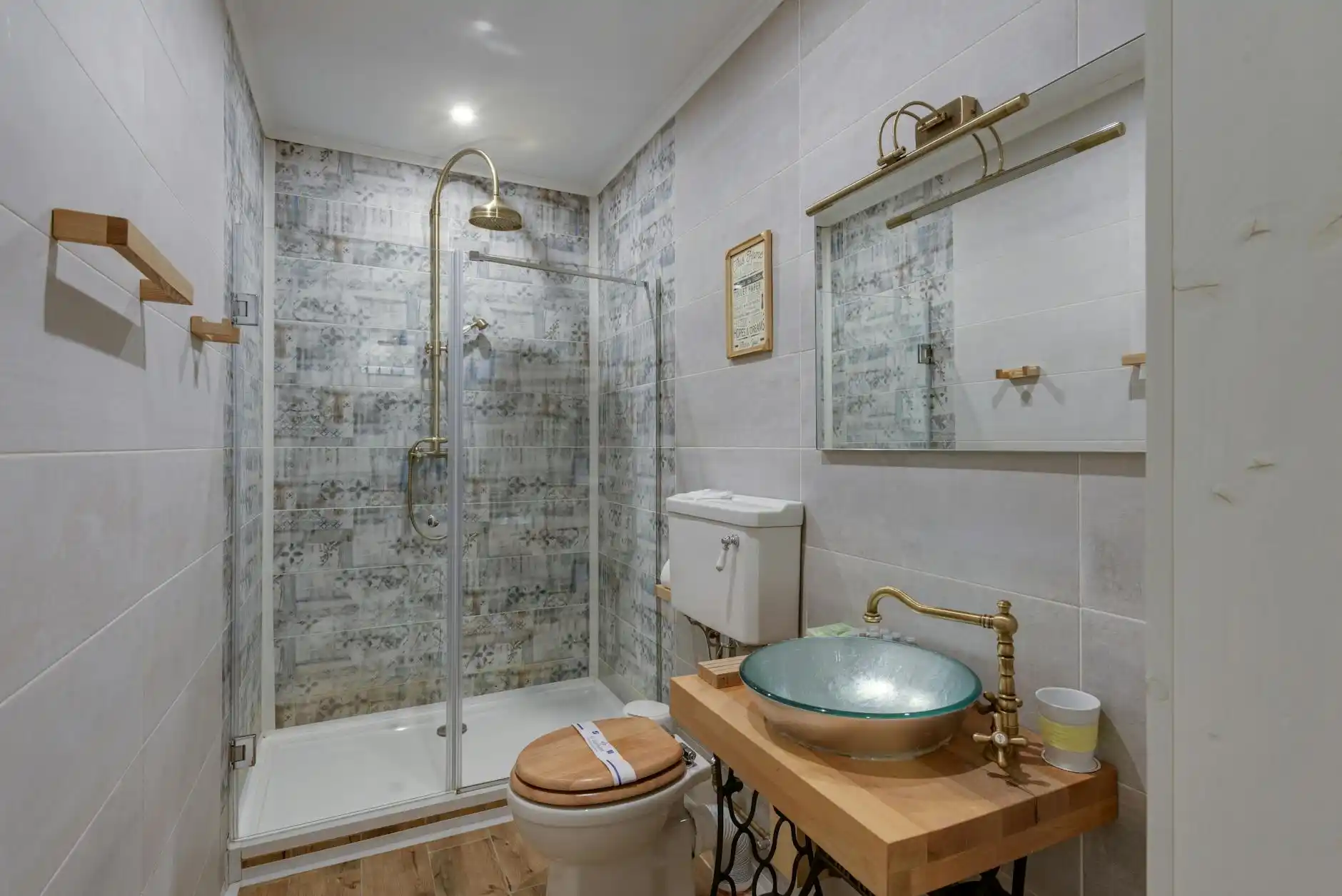
One of the fastest ways to increase a bathroom budget is to move plumbing fixtures. Relocating a toilet, shower drain, or vanity sink can trigger additional demolition, subfloor work, plumbing rerouting, permit considerations, and patching in adjacent spaces.
Keeping the same layout usually gives homeowners more room in the budget for visible upgrades. That means a stronger return in the areas people use and notice every day, such as tile, storage, lighting, and fixtures.
Layout changes may be worth it when:
- The existing bathroom has poor flow
- The shower is too small for practical use
- Accessibility needs require a new configuration
- Water damage or structural issues already justify opening the space
Still, a cost estimate for a mid-range bathroom remodel can change substantially once walls and floors are opened. Even modest layout changes often create ripple effects that are not obvious during early planning.
Where to invest for better long-term value
Not every upgrade deserves the same share of the budget. If you want long-term value, prioritize items that improve daily function, durability, and maintenance.
- Waterproofing: Proper shower waterproofing is essential. It protects the structure and reduces the risk of expensive future repairs.
- Quality tile installation: Straight lines, proper substrate prep, and durable grout matter more than chasing the trendiest tile.
- Solid vanity construction: Better cabinet boxes, drawers, and finishes hold up to moisture and everyday use.
- Ventilation: A good exhaust fan helps control humidity, preserve finishes, and improve air quality.
- Lighting: Layered lighting at the vanity and ceiling makes the bathroom more usable and more attractive.
In many cases, homeowners get better results by choosing timeless mid-range finishes and paying for skilled installation rather than overspending on one luxury centerpiece.
Hidden costs homeowners forget to include
Even a careful budget can miss several common costs. These overlooked items can widen the gap between an early rough number and the final invoice.
- Permit fees and inspection costs
- Demolition and debris hauling
- Subfloor or framing repair after water damage is uncovered
- Mold remediation or moisture treatment
- Accessory items like towel bars, hooks, mirrors, and toilet paper holders
- Painting, trim touch-ups, and caulking
- Temporary bathroom arrangements during construction
It is also smart to carry a contingency fund, especially in older homes. A common recommendation is 10% to 20% of the project budget, depending on the age of the home and how much exploratory demolition has already been done. That cushion makes a cost estimate for a mid-range bathroom remodel more realistic and less stressful.
When financing helps keep the right scope intact
Sometimes homeowners cut too much from the scope to stay within immediate cash limits, only to regret it later. Removing key upgrades like ventilation, proper waterproofing, better storage, or durable finishes can reduce the long-term value of the remodel.
That is where Financing can help. Used thoughtfully, it may allow you to preserve the parts of the project that matter most while avoiding corner-cutting on structural, plumbing, or moisture-control details. Instead of downgrading everything, you can keep the remodel aligned with your goals and spread costs in a more manageable way.
If you are comparing options, discuss which parts of the scope are essential now and which can be phased later. The best plan protects the integrity of the remodel first, then balances design preferences around that foundation.
FAQ
What is a typical cost estimate for a mid-range bathroom remodel?
In many markets, a mid-range bathroom remodel typically falls from the mid-thousands to the low five figures, with larger primary bathrooms costing more depending on labor, finishes, layout, and hidden conditions.
What factors have the biggest impact on the final bathroom remodel cost?
The biggest cost drivers are labor, material selections, plumbing and electrical work, shower scope, and whether you keep the existing layout or move fixtures.
How much do vanity, tile, and shower materials usually cost in a mid-range remodel?
Common mid-range ranges are about $1,500 to $4,500 installed for a vanity and countertop, $8 to $25 per square foot for tile materials plus installation, and roughly $4,000 to $12,000 or more for a shower remodel depending on waterproofing, tile, plumbing trim, and glass.
How much does changing the bathroom layout increase the estimate?
Changing the layout can raise the estimate quickly because moving a toilet, shower drain, or vanity sink adds demolition, plumbing rerouting, subfloor work, patching, and sometimes more permit complexity, so keeping the same layout is usually the most cost-effective option.
What hidden costs should I include in a bathroom remodel budget?
Include permit and inspection fees, demolition and debris hauling, subfloor or framing repairs, mold or moisture treatment, accessories like mirrors and towel bars, paint and trim touch-ups, caulking, and temporary bathroom arrangements, plus a 10% to 20% contingency for surprises.
Where should I spend more for better long-term value in a bathroom remodel?
Spend more on proper waterproofing, skilled tile installation, solid vanity construction, good ventilation, and effective lighting because these improve durability, function, and long-term value more than a single luxury finish.
Does financing make sense for a mid-range bathroom remodel?
Financing can make sense if it helps you keep essential upgrades like waterproofing, ventilation, plumbing, storage, and durable finishes instead of cutting important parts of the scope just to lower the upfront cost.