


A design-build remodeling estimate is an early budget range based on limited information, while a quote is a firmer price tied to a defined scope, selections, and assumptions. Homeowners should use the estimate to test feasibility, then judge the quote by how clearly it explains what is included, excluded, and still unknown.

The difference between an early estimate and a detailed quote
An estimate is a planning tool. A detailed quote is a pricing commitment for a specific scope.
Early in Design-Build, a contractor may only have rough dimensions, inspiration images, and priorities. That produces a budget range, not a locked number. A real quote usually follows design development, site review, and clearer specifications. If you treat an estimate like a final price, you will likely feel blindsided later.
Why design details change the numbers
Small design choices can move costs quickly because labor, materials, and trades are tied to specifics. Until details are decided, pricing stays soft.
For example, moving a sink a few feet may trigger plumbing, electrical, patching, and cabinet changes. Window size, tile pattern, beam engineering, and appliance model numbers all affect labor and material cost. The more complete the drawings and selections, the more reliable the design-build remodeling estimate becomes.
What a serious remodeling quote should include
A serious quote should tell you exactly what the contractor is pricing and on what basis. If it is vague, it is harder to trust and harder to compare.
- Scope of work by area or trade
- Referenced plans, specs, or selection sheets
- Allowances for unfinished choices
- Exclusions and owner-supplied items
- Permit or engineering assumptions if applicable
- Payment structure and expected timeline
If the company has a documented Process, the quote should match it step by step.
How allowances, selections, and unknowns are handled
Allowances are placeholders for items not yet selected, and unknowns cover conditions that cannot be confirmed before opening walls. Both are normal, but both create price movement.
Ask whether an allowance covers material only or material plus installation. Confirm what happens if your actual selection costs more or less. For unknowns, ask how change orders are approved and documented before extra work starts.
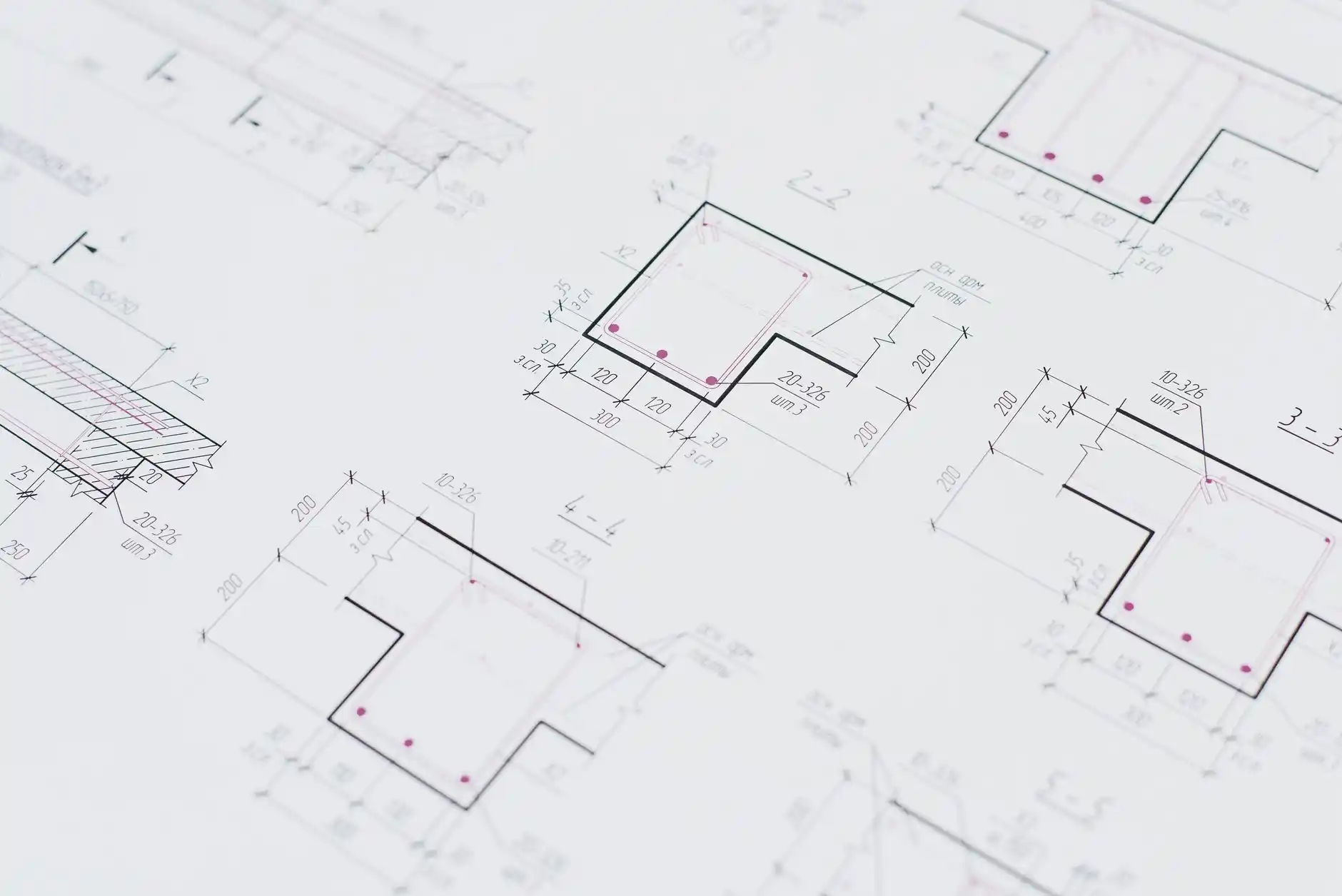
Why comparing quotes line by line matters
Two quotes with similar totals can include very different work. Compare scope first, then price.
One contractor may include demolition, permits, cleanup, and painting; another may not. One may price custom cabinetry while another assumes stock cabinets. Put both quotes into a simple spreadsheet and match line items, exclusions, and allowances. Apples-to-apples comparison is the only fair comparison.
Questions to ask before approving a scope
Ask the questions that expose assumptions. The goal is to find gaps before signing, not after demolition.
- What is specifically excluded?
- Which selections are still allowances?
- What site conditions could change pricing?
- Who handles permits, design revisions, and ordering?
- When does the price expire?
If budget is tight, ask about phasing options or Financing before approving the scope.
How to avoid budget surprises after work begins
Make decisions early, approve a detailed scope, and keep a contingency. That is the most practical way to reduce surprises.
Finalize layouts, fixtures, and finishes before construction whenever possible. Read every allowance and exclusion. Require signed change orders for added cost or time. A strong design-build remodeling estimate evolves into a reliable quote only when design decisions are made and documented.
FAQ
What is the difference between a remodeling estimate and a quote?
A remodeling estimate is an early budget range based on limited information, while a quote is a firmer price tied to a defined scope, selections, plans, and assumptions.
Why does a design-build remodeling estimate change as the design develops?
It changes because specific design decisions affect labor, materials, and trade work, so pricing becomes more accurate only after layouts, selections, and site conditions are better defined.
What should be included in a detailed remodeling quote?
A detailed quote should include the scope of work by area or trade, referenced plans or specs, allowances, exclusions, owner-supplied items, permit or engineering assumptions, payment structure, and expected timeline.
How are allowances and material selections handled in a remodeling quote?
Allowances are placeholders for items not yet selected, so homeowners should confirm whether they cover material only or material plus installation and how price adjustments are handled if final selections cost more or less.
Why is it important to compare remodeling quotes line by line?
Line-by-line comparison matters because similar totals can cover very different work, allowances, and exclusions, so comparing scope first helps you make a true apples-to-apples decision.
What questions should homeowners ask before approving a remodeling scope?
Homeowners should ask what is specifically excluded, which items are still allowances, what site conditions could change pricing, who handles permits and design revisions, how change orders are approved, and when the price expires.
How can homeowners avoid budget surprises after a remodeling project begins?
To avoid budget surprises, make decisions early, finalize layouts and finishes before construction when possible, review every allowance and exclusion, keep a contingency, and require signed change orders for added cost or time.