


If you are planning a new build, getting accurate custom home construction estimates Seattle homeowners can trust is one of the most important first steps. A realistic estimate helps you understand total project cost, make informed design decisions, and compare builders on more than just the bottom-line number. In Seattle, pricing is shaped by the lot, permitting, structural requirements, finish selections, and the experience of the team managing the work.
Whether you are starting with a vacant lot or replacing an existing home, the best estimates are detailed, transparent, and based on local knowledge. Working with an experienced Seattle custom home builder can help you avoid surprises and align the project budget with your goals from the beginning.
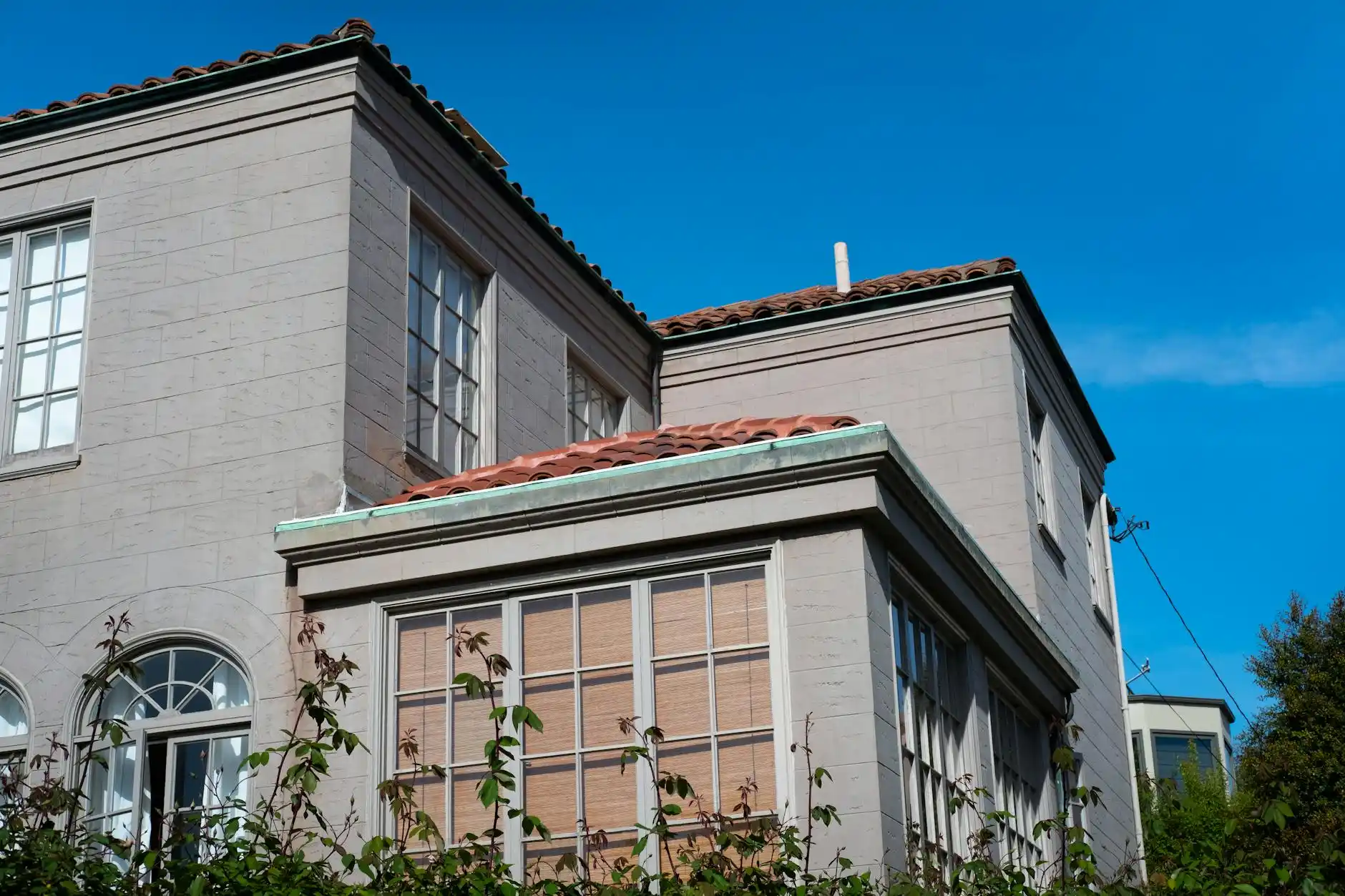
What affects custom home construction estimates in Seattle
Custom home construction estimates Seattle projects depend on a combination of visible and hidden factors. Square footage matters, but it is only one part of the total. Two homes with the same size can vary greatly in cost based on structural engineering, access to the site, energy code requirements, and interior finishes.
In Seattle, estimates often account for:
- Lot conditions, grading, drainage, and excavation needs
- Foundation type and structural reinforcement
- Neighborhood zoning, setbacks, and height limits
- Permitting timelines and required reviews
- Design complexity, including rooflines, window packages, and custom details
- Material quality and product availability
- Labor rates and subcontractor scheduling
A quality estimate should explain assumptions clearly. If a proposal is unusually low, it may exclude necessary work or rely on allowances that are too optimistic. That can lead to change orders later and put pressure on your budget once construction is underway.
Site conditions and local permitting factors
Seattle building sites often present challenges that significantly influence pricing. Steep slopes, narrow urban lots, tree protection requirements, limited access for equipment, and soil conditions can all add cost before vertical construction even begins.
For example, a project on a hillside lot may require specialized excavation, retaining walls, stormwater planning, and upgraded foundations. A home in an established neighborhood may also involve demolition, utility coordination, and logistics for material delivery where staging space is limited. These are major drivers in custom home construction estimates Seattle residents receive.
Permitting is another key factor. Seattle projects may require reviews related to zoning, drainage, energy compliance, environmentally critical areas, or historic context depending on the property. Each step can affect schedule and pre-construction costs. A team experienced in Design-build in Seattle can often streamline coordination between design, budgeting, and permitting so that decisions are made with cost implications in mind.
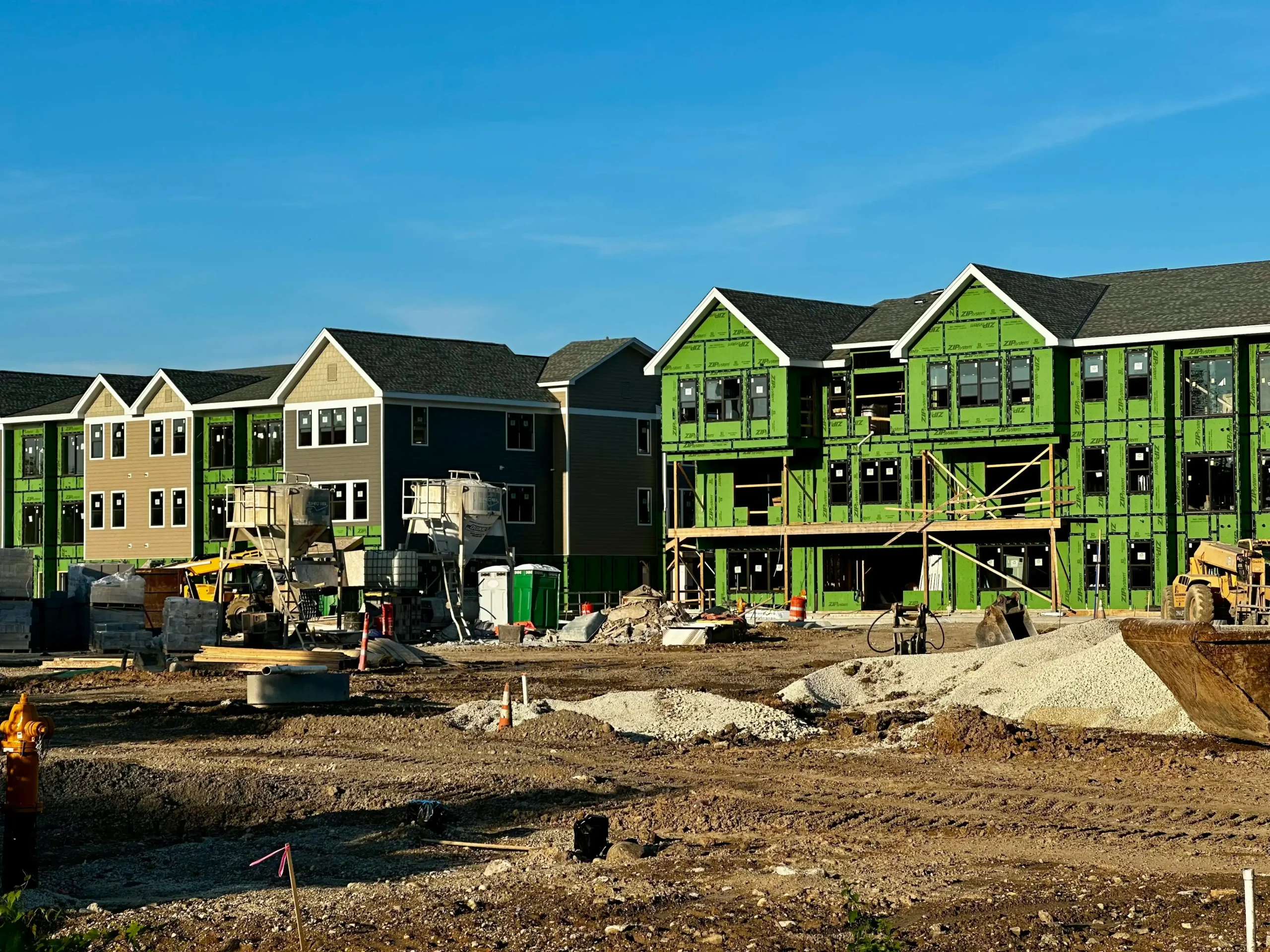
Design complexity and finish level
The design of the home itself has a direct impact on pricing. Simpler footprints and rooflines are typically more cost-efficient to build. As the design becomes more customized, labor and material requirements increase. Large spans, steel beams, expansive glass walls, floating stairs, and high-performance envelope systems all raise the estimate.
Finish level is equally important. Cabinets, flooring, tile, plumbing fixtures, appliances, lighting, and millwork can create large swings in the total budget. A home with standard premium finishes will price very differently from one with imported stone, custom cabinetry, and fully integrated smart home systems.
To get a more useful estimate, define your priorities early. Decide where you want to invest most, such as the kitchen, primary suite, outdoor living area, or energy-efficient systems. Builders can then help allocate the budget where it matters most to you.
Labor, materials, and timeline expectations
Seattle is a competitive construction market, and labor availability plays a major role in estimate accuracy. Skilled trades, scheduling constraints, and coordination across multiple subcontractors all affect project costs. Material pricing can also change during the planning window, especially for specialty products, windows, engineered components, and imported finishes.
Timelines matter because longer projects usually carry higher overhead and more exposure to market changes. Weather, permit approval speed, revisions during design, and lead times for custom products can extend the schedule. A strong estimate should include realistic assumptions about duration rather than best-case scenarios.
Homeowners should also ask how allowances are handled. Some items may be priced as allowances if final selections are not yet made. This is normal, but the allowance values should reflect actual market pricing for the level of home you want to build. If financing is part of your planning, reviewing options for Custom home financing early can help you understand the relationship between project scope, draw schedules, and overall affordability.
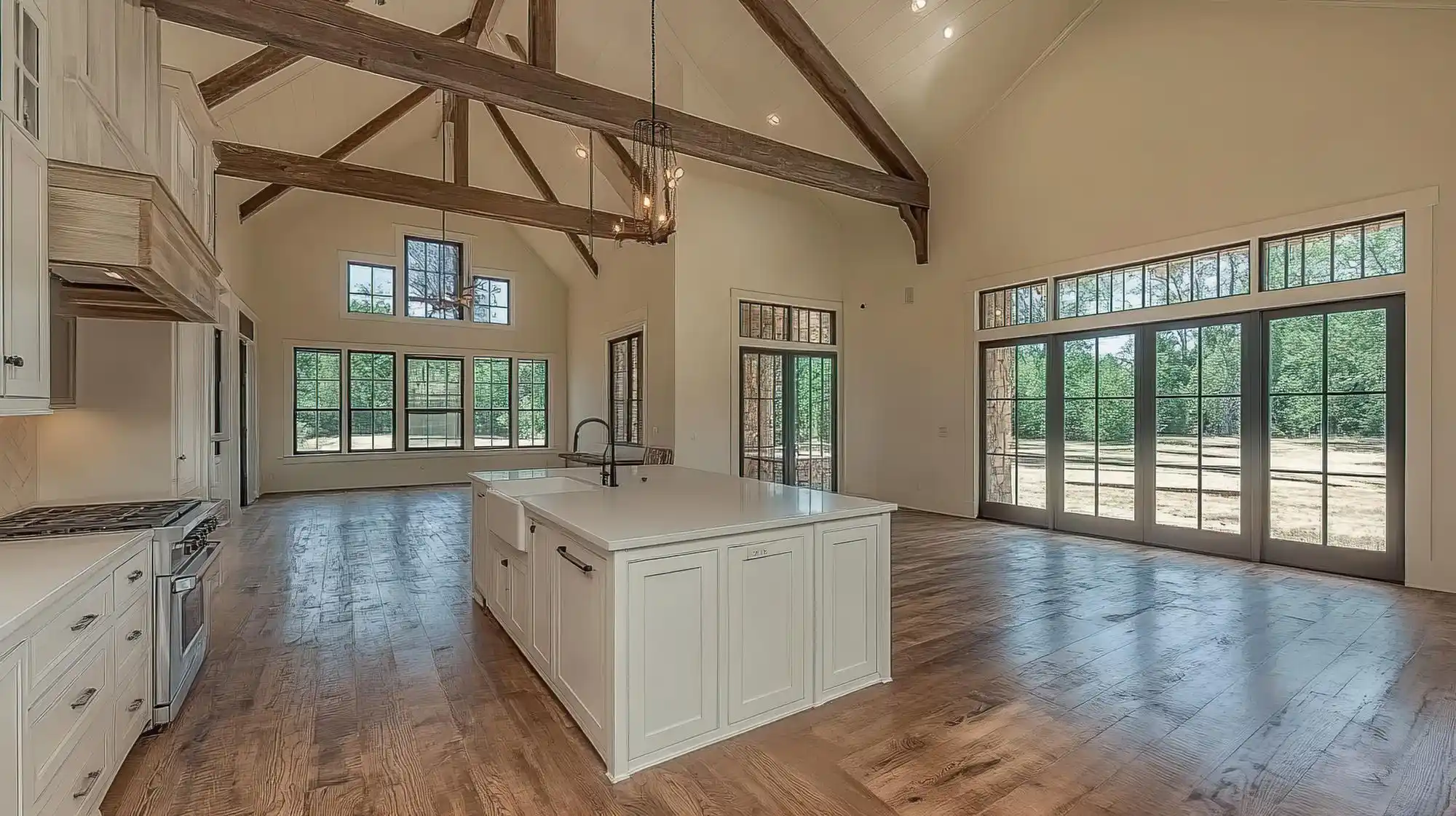
How to compare Seattle builder estimates
Comparing estimates is not just about finding the lowest number. The goal is to understand what is included, what is excluded, and how each builder approaches planning and execution. The most useful proposals are detailed enough to show scope, assumptions, allowances, and construction approach.
When reviewing bids, compare:
- Pre-construction services and design coordination
- Site work, demolition, and utility assumptions
- Permit-related scope and consultant costs
- Structural framing and building envelope specifications
- Allowance amounts for finishes and fixtures
- Project management, supervision, and communication process
- Estimated timeline and how delays are handled
It is smart to ask each builder to walk you through the estimate line by line. That conversation often reveals the difference between a rough number and a professionally developed budget. If you are ready to start those discussions, you can Request a Seattle estimate to begin with project-specific guidance.
What to prepare before requesting pricing
The more information you provide, the more accurate your estimate can be. Even if your plans are not final, assembling core project details will help builders give you meaningful feedback.
Before requesting custom home construction estimates Seattle builders can develop, prepare:
- Property address or lot information
- Survey, if available
- Concept plans, sketches, or inspiration images
- Target square footage and room count
- Preferred construction timeline
- Desired finish level and must-have features
- Budget range or investment target
Being upfront about budget is especially helpful. It allows the builder to recommend practical options and avoid designing a home that will require major revisions later. Clear communication early in the process saves time and supports better decision-making.

Budget alignment and scope adjustments before signing
Once preliminary pricing is complete, the next step is alignment. This is where the builder and homeowner refine the project so the scope, design, and budget work together. It is much easier and more cost-effective to make adjustments on paper than during construction.
Common scope adjustments include:
- Simplifying structural elements or roof geometry
- Adjusting square footage in low-priority areas
- Phasing outdoor features or accessory structures
- Selecting alternative finish packages
- Revising window and door configurations
- Balancing custom features with cost-efficient standard details
This stage should feel collaborative, not restrictive. The purpose is to protect your priorities while keeping the project financially realistic. Strong builders will explain tradeoffs clearly and help you preserve long-term value. In the end, the best custom home construction estimates Seattle clients receive are the ones that lead to a well-defined scope and fewer surprises after signing.
FAQ
What factors most affect custom home construction estimates in Seattle?
The biggest factors are lot conditions, excavation and drainage needs, foundation and structural requirements, zoning and permitting, home size and design complexity, finish selections, labor rates, material costs, and the builder’s planning experience.
How do site conditions and permitting impact the cost of a custom home in Seattle?
Site conditions such as steep slopes, poor soil, tree protection, demolition, utility work, and limited access can add major pre-construction and foundation costs. Permitting can also increase cost and timeline through zoning reviews, drainage requirements, energy compliance, and other Seattle-specific approvals.
How do design choices and finish levels change a custom home estimate?
Simpler layouts and rooflines usually cost less, while custom features like large glass walls, steel beams, floating stairs, and high-performance systems raise labor and material costs. Finish level also matters because cabinetry, tile, flooring, fixtures, appliances, and millwork can create large swings in the total budget.
What should I prepare before requesting a custom home construction estimate in Seattle?
Prepare the property address or lot details, survey if available, concept plans or inspiration images, target square footage and room count, preferred timeline, desired finish level, must-have features, and your budget range. The more complete your information, the more accurate the estimate will be.
How can I compare custom home builder estimates in Seattle?
Compare more than the bottom-line price. Review what each estimate includes and excludes, allowance amounts, site work assumptions, permit-related scope, structural and envelope specs, project management approach, and timeline, then ask each builder to walk you through the estimate line by line.
How can I adjust my scope to match my budget before signing a contract?
Before signing, align scope and budget by simplifying structural elements or roof geometry, adjusting square footage in lower-priority areas, phasing outdoor features, choosing alternative finish packages, revising window and door configurations, and balancing custom details with more cost-efficient standard solutions.