


Selling a Seattle home is partly an exercise in presentation. Buyers may intellectually understand that furniture, paint, and landscaping can change, yet their first emotional reaction still influences whether they book a tour, linger in a room, or write an offer. Professional home staging services Seattle sellers use can make a property feel brighter, more spacious, and easier to understand, while thoughtful curb appeal improvements establish confidence before a buyer reaches the front door.
The goal is not to remodel every dated surface or disguise defects. It is to identify the relatively small improvements that help buyers appreciate the home’s location, layout, natural light, and condition. In Seattle, that often means accounting for gray skies, wet winters, mature vegetation, compact lots, older housing stock, and architectural styles ranging from Craftsman bungalows to mid-century homes and modern townhouses. The right plan depends on the property, its likely buyer, its price range, and the competing listings active at the same time.
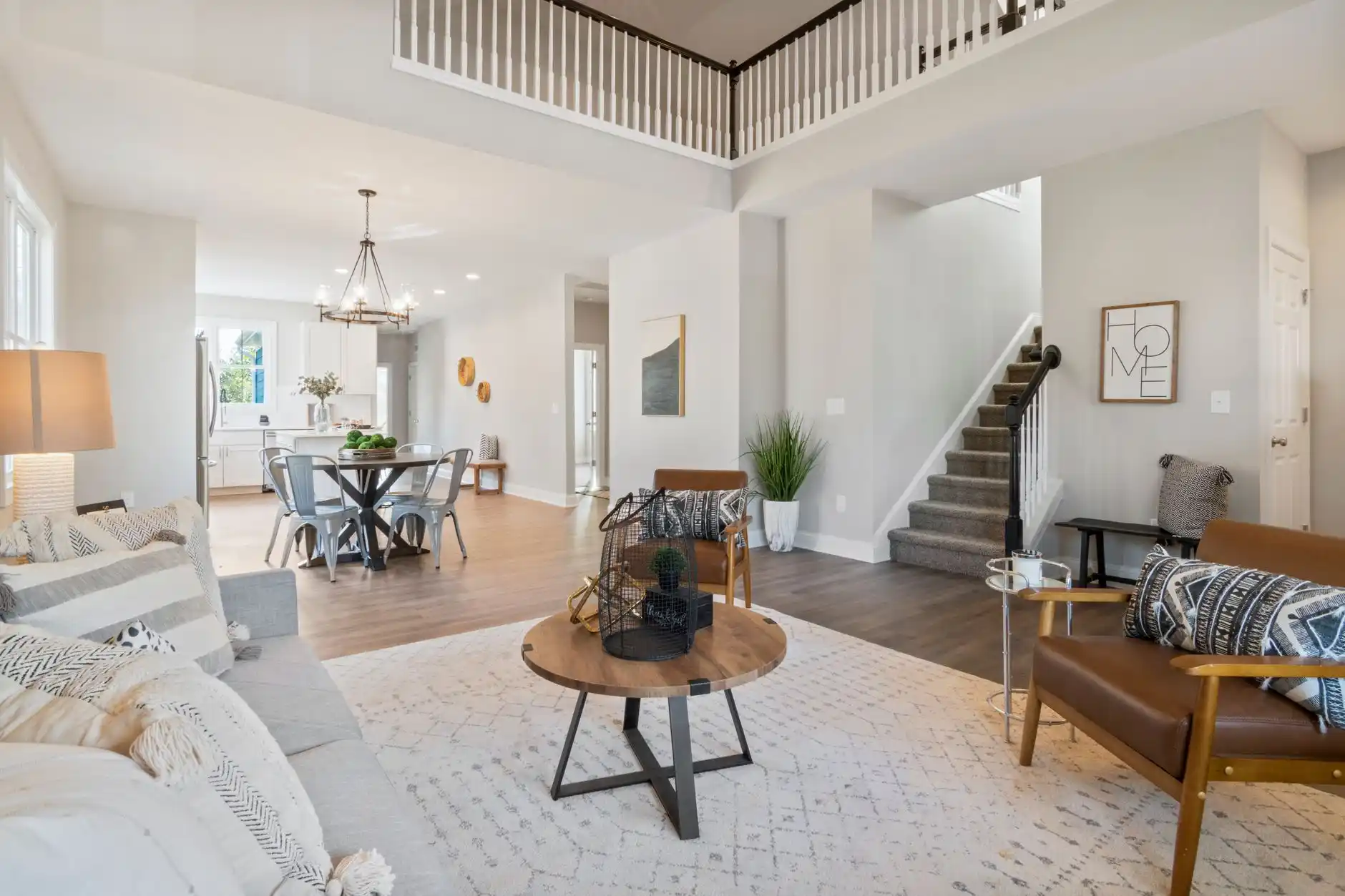
How staging and curb appeal influence buyer perception
Home staging is the strategic arrangement of furniture, art, lighting, accessories, and empty space to communicate how a home can be used. Curb appeal is the visual and physical impression created by the exterior, landscaping, approach, entry, and surrounding maintenance. Together, they shape a buyer’s expectations before the buyer has fully evaluated practical facts such as square footage, roof age, or storage.
This matters because listing photographs are usually the first showing. A buyer scrolling through dozens of homes may spend only a few seconds deciding whether to open a listing. Once inside, buyers use visual cues to interpret condition. A clean porch, working light fixture, crisp front door, and orderly living room suggest consistent care. Peeling trim, mossy steps, blocked windows, or oversized furniture can raise concerns even when the underlying structure is sound.
For example, consider two 1,600-square-foot Seattle homes with similar floor plans. One has an empty 10-by-11-foot second bedroom. The other contains a full-size bed, two compact nightstands, a reading lamp, and a narrow dresser. The staged room gives buyers a visible scale reference and confirms that it can function as a bedroom rather than merely an office. The trade-off is that too much furniture can make the same room appear cramped; staging is not synonymous with filling space.
Professional home staging services Seattle homeowners hire commonly use one of three approaches:
- Occupied-home consultation: A stager edits and rearranges the seller’s existing belongings, often during a one- to three-hour visit.
- Partial staging: Rental furniture and accessories supplement selected rooms, such as the living room, dining area, primary bedroom, and entry.
- Vacant staging: A coordinated furniture package is installed in an empty home, usually for an initial rental term followed by renewal charges if the listing remains active.
A common mistake is trying to create a dramatic personal style rather than broad appeal. Highly themed décor, excessive artificial greenery, or luxury furniture that does not match the home can feel contrived. Seattle buyers often respond well to restrained Pacific Northwest textures, warm wood, simple textiles, and plants, but the house—not the accessories—should remain the focal point.
The obvious next question is whether staging guarantees a higher sale price. It does not. Price, condition, location, interest rates, inventory, and marketing all affect the result. Staging is best understood as a merchandising tool: it can increase clarity, improve photography, and reduce avoidable objections, but it cannot force buyers to value a property above comparable sales.
What staging can and cannot fix
Staging can improve visual balance, define ambiguous areas, control the path through a room, and redirect attention toward desirable features. It can make an open living area easier to interpret, demonstrate that a breakfast nook fits a four-person table, or help buyers see how a daylight basement might serve as a media room or guest suite. It can also soften vacant rooms, where every wall mark and floor transition is otherwise conspicuous.
For instance, a narrow Seattle townhouse living level may be only 12 feet wide. A standard 90-inch sofa, bulky recliner, and deep coffee table could obstruct circulation. Replacing them with a 72-inch apartment sofa, two open-frame chairs, and a 30-inch round coffee table may preserve a roughly 30- to 36-inch walking path. The room has not become larger, but it reads more efficiently.
Staging cannot repair a leaking roof, remove knob-and-tube wiring, legalize an unpermitted bedroom, eliminate traffic noise, or change a low ceiling. Nor should accessories be used to conceal water stains, damaged floors, mold, or other material conditions. Concealment can erode buyer trust and may create disclosure or contractual problems. Repairs and transparent documentation are different from presentation.
There is also a trade-off between drawing attention away from a weakness and addressing it directly. A rug may make a room feel comfortable, but using one to cover visibly damaged flooring is a pitfall. If refinishing is impractical, the better approach may be to disclose the condition, obtain an estimate, and price accordingly. Likewise, curtains can frame a view, but they should not be used to hide failed window seals.
Good home staging services Seattle providers will identify problems beyond their scope and refer the seller back to the appropriate professional. A stager may recommend that a musty basement be evaluated, that a loose railing be repaired, or that a room receive more light, but an electrician, roofer, inspector, or licensed contractor should handle technical work. Sellers considering coordinated preparation can review Prep N Sell options to understand how repair and presentation tasks may fit into one listing schedule.
So what should be fixed before staging begins? Prioritize active moisture, safety hazards, broken systems, strong odors, visible damage, and defects likely to interrupt financing or inspection negotiations. After those issues are evaluated, staging can address scale, function, warmth, and visual continuity. It should be the finishing layer, not a substitute for sound condition.
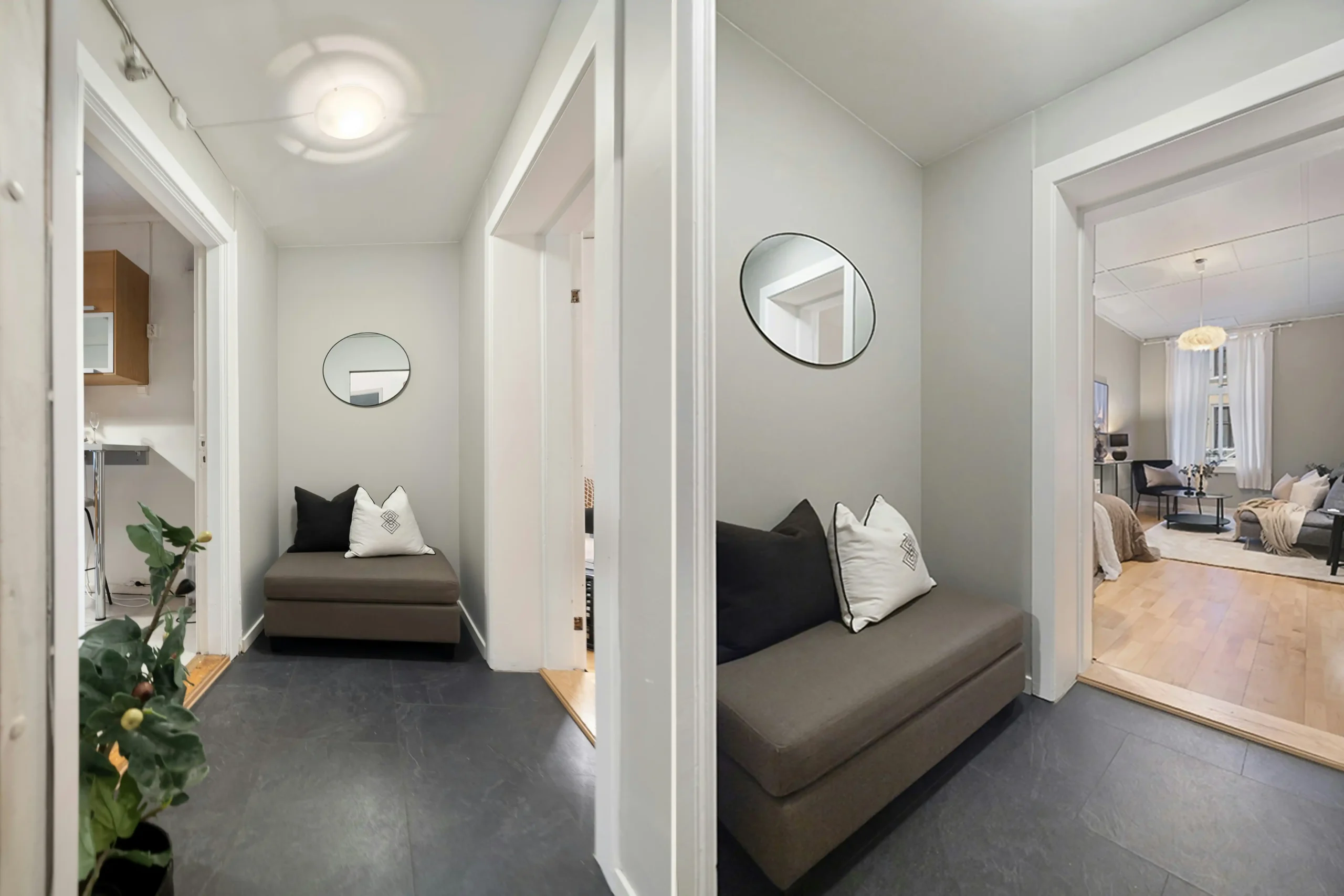
Exterior improvements that improve first impressions
Exterior preparation means making the route from the street or parking area to the front door look clean, safe, intentional, and maintained. In Seattle, water, moss, needles, shade, and rapid plant growth make this more than a cosmetic issue. Slippery steps or overgrown branches can affect safety and prevent light from reaching windows.
Start with cleaning and maintenance rather than ambitious landscaping. Typical priorities include:
- Removing leaves, needles, weeds, and dead annuals from beds and hardscape.
- Cleaning gutters and downspouts and checking that water drains away from the foundation.
- Carefully treating moss on paths, steps, roofs, decks, and retaining walls with methods appropriate to each material.
- Trimming shrubs away from siding, windows, walkways, address numbers, and exterior lights.
- Washing the front door, porch, mailbox, handrails, garage door, and accessible windows.
- Replacing dead plants and refreshing mulch with a restrained layer, generally about 2 to 3 inches rather than piling it against trunks or siding.
- Testing the doorbell, lock, gate latch, pathway lighting, and motion lights.
A practical example might be a modest entry refresh consisting of $150 to $400 for cleanup and pruning, $75 to $250 for seasonal containers, and $40 to $200 for a new address plaque, doormat, or exterior fixture. Hiring crews, treating extensive moss, repairing stairs, or repainting an entire exterior can raise the cost from hundreds to several thousand dollars. Actual Seattle pricing varies with access, season, disposal, permit requirements, and the home’s condition.
The most important trade-off is maintenance versus redesign. Correcting bare soil, dead plants, and an obscured walkway usually supports the sale. Installing an elaborate garden, expensive irrigation system, or highly personal hardscape shortly before listing may not return its cost. Buyers may even view a complex landscape as future labor.
A frequent pitfall is pressure washing every surface at maximum force. High pressure can scar cedar, force water behind siding, strip deck fibers, loosen mortar, or damage older paint. Soft washing, hand scrubbing, or professional treatment may be safer. Older painted surfaces may also require lead-safe practices, so sellers should not aggressively sand or blast unknown coatings.
Providers of home staging services Seattle sellers consult may help select planters, porch furniture, and entry colors, but contractors or arborists should handle unstable trees, drainage defects, damaged railings, and major exterior repairs. If budget allows only one improvement, clean and secure the approach to the main entrance first. Buyers notice a sticky lock, slippery stair, or dark doorway while they stand still waiting to enter.
Small interior updates that support staging
Small interior updates are limited, targeted changes that create a cleaner visual background for staging without turning the listing preparation process into a full renovation. Their purpose is consistency. When walls, floors, doors, and fixtures feel reasonably coordinated, buyers can focus on the room rather than a collection of minor distractions.
High-value candidates often include deep cleaning, grout touch-ups, minor drywall repair, caulk replacement, carpet stretching, scratched-door touch-up, and removal of worn window coverings. In kitchens and bathrooms, fresh caulk around a tub or backsplash can make the area look better maintained, provided any underlying leak or moisture problem has already been corrected.
Decluttering is especially important. A common guideline is to remove roughly 25% to 40% of visible possessions, but the correct amount depends on the home. Keep enough furniture to explain scale while clearing traffic paths and sightlines. Kitchen counters might retain only a coffee maker, attractive bowl, or small plant. Closets should not be emptied completely, but crowded floors and shelves suggest insufficient storage.
For example, a 10-by-12-foot bedroom with a queen bed may photograph well with two narrow nightstands and one piece of art. Adding a desk, exercise bike, blanket chest, tall dresser, and several small pictures can fragment the room. Removing those items costs little but may communicate more usable space than purchasing new décor.
There is a trade-off between neutralizing and stripping away all character. Seattle buyers may appreciate original fir floors, built-ins, leaded glass, exposed beams, or vintage tile. Those features should usually be cleaned and highlighted rather than replaced merely because they are old. By contrast, stacks of family photographs, collections, and highly personalized wall displays can distract from architecture and should often be packed before photos.
A common pitfall is using temporary cosmetic products poorly. Peel-and-stick finishes, painted grout, adhesive countertop films, or hurried cabinet coatings can curl, chip, or look worse in person than the original material. Home staging services Seattle teams may recommend low-risk accessories instead: fresh towels, appropriately sized rugs, simple bedding, and art installed at a consistent height. For examples of how furnishings and finishes can work together, review Portfolio Design.
Which rooms deserve attention first? Start with the entry, living area, kitchen, primary bedroom, and main bathroom because they commonly anchor buyer impressions and listing photos. Then address unusual spaces that need explanation, such as a small landing, basement bonus room, or open alcove. Laundry rooms, garages, and utility areas still need to be clean and accessible, but they rarely need decorative staging.
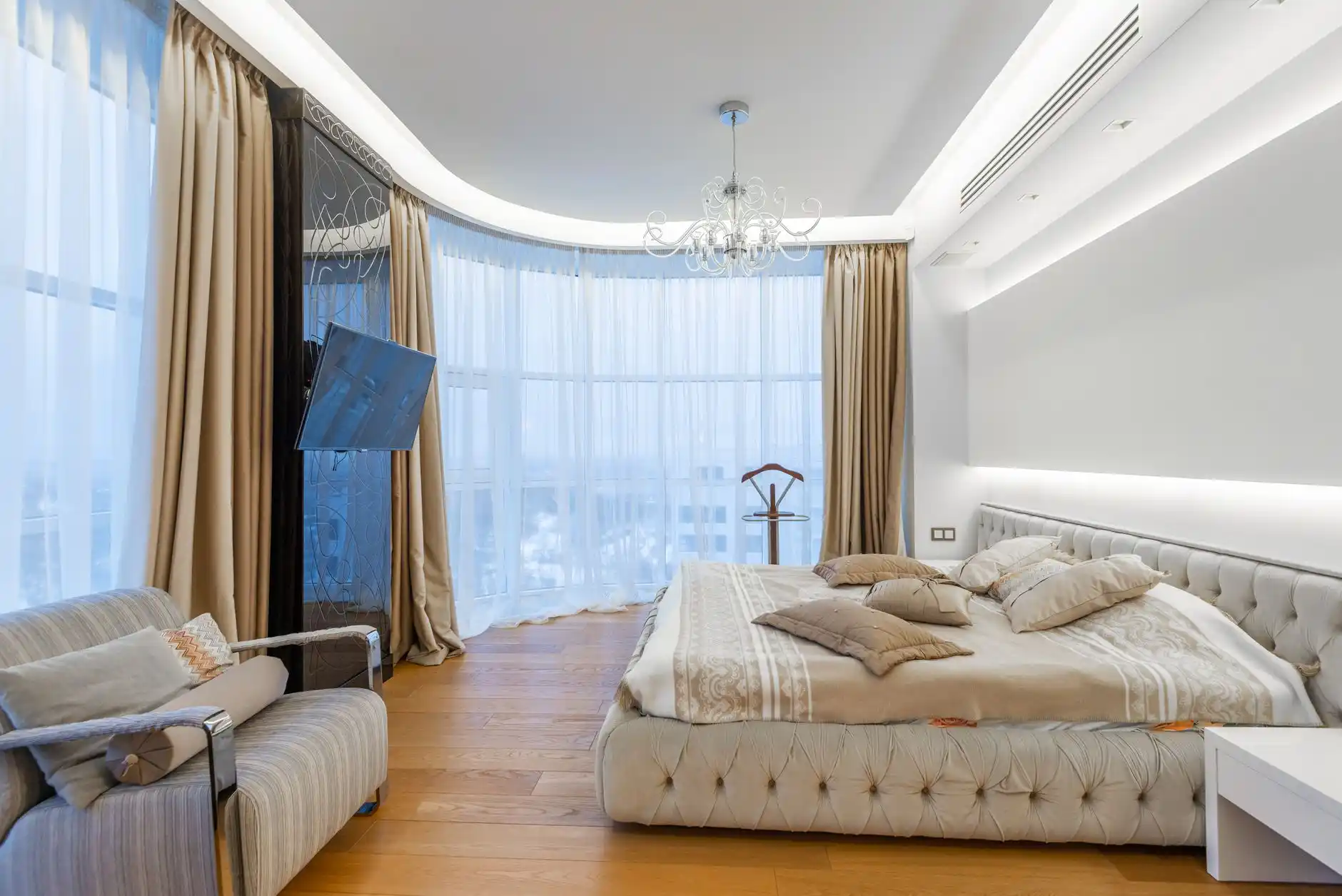
When painting, lighting, and hardware are worth it
Painting, lighting, and hardware are worthwhile when they remove obvious inconsistency, improve visibility, or make heavily photographed rooms feel cared for. They are less compelling when the current materials are already neutral, functional, and appropriate to the home’s price point.
Painting
Interior paint can be effective when walls are scuffed, patched, heavily saturated, or divided into many unrelated colors. Warm whites, soft off-whites, pale greige, and subdued neutral tones often work with Seattle’s diffuse natural light, although every color should be sampled in the actual room. A paint that looks clean in a south-facing room may appear cold in a shaded north-facing space.
As a planning range, professional interior painting may cost several dollars per square foot of painted area or hundreds to more than $1,000 per room, depending on ceilings, trim, preparation, access, paint grade, and repairs. A whole-home project can quickly reach several thousand dollars. Painting one dark living room and a marked entry may therefore be more sensible than repainting every closet and secondary room.
The trade-off is freshness versus workmanship risk. A properly prepared, even finish supports staging; a rushed coat with visible roller marks, paint on hardware, or poor patching advertises haste. The common pitfall is choosing a stark “gallery white” without testing it under warm bulbs and gray daylight. Apply sample boards or paint at least two coats on several wall areas, then inspect them morning and evening.
Lighting
Lighting is especially important for home staging services Seattle because overcast days and tree-covered lots can make interiors photograph dimly. Replace failed bulbs, clean shades, uncover windows, and use consistent color temperature within each visible area. Bulbs around 2700K create a warm residential atmosphere, while 3000K can feel cleaner in kitchens and bathrooms. Mixing a bluish 5000K bulb beside a warm 2700K lamp usually looks accidental.
Check fixture limits and use compatible LED bulbs, particularly with dimmers or enclosed fixtures. Adding a floor lamp to a dark corner may cost $50 to $250 and be more practical than rewiring. On the other hand, a dated but functional chandelier does not always require replacement; architecture and price point matter more than trend conformity.
Hardware
Hardware replacement is most useful when pieces are broken, badly tarnished, mismatched, or visually dominant. A new front-door handle, coordinated cabinet pulls, or simple bathroom towel bar can improve consistency. For 25 cabinet pulls priced at $5 each, materials total $125 before labor. However, changing hole spacing can require filling and refinishing every door or drawer, which can turn a simple update into a cabinet project.
The next question is how to choose among these three categories. Address lighting first if rooms are visibly dark, paint first if large wall areas dominate photographs, and hardware first if broken or mismatched pieces make the home feel neglected. Ask the listing professional and stager which issue is most visible relative to nearby competition; a Main Realtor review can help connect preparation choices to current buyer expectations rather than generic design trends.
How to prepare the home before photos and showings
Photo preparation is the process of making every camera-facing area clean, composed, and visually legible. Showing preparation goes further by considering sound, scent, temperature, access, privacy, and safety. Photos may generate interest, but the in-person experience determines whether the visual promise feels credible.
Begin planning at least two to four weeks before the intended photography date when possible. Repairs, paint curing, cleaning, hauling, staging delivery, and weather-dependent exterior work require coordination. Vacant staging may take several hours or a full day to install, while occupied staging may require the seller to pack and relocate belongings over multiple days.
A practical sequence is:
- Evaluate: Walk through with the listing professional, stager, and relevant contractors. Separate repairs from cosmetic improvements.
- Repair: Complete dusty or disruptive work, including drywall, electrical, plumbing, and carpentry.
- Paint and detail: Finish paint, caulk, hardware, and fixture work before furniture placement.
- Declutter and move: Remove excess furniture, personal documents, medications, valuables, firearms, and fragile collections.
- Deep clean: Address floors, baseboards, appliances, cabinets, windows, tracks, vents, and bathrooms.
- Stage: Arrange furnishings, steam textiles, style surfaces, and confirm that doors and drawers remain usable.
- Photograph: Schedule when the property is ready, not while contractors are still completing punch-list work.
- Maintain: Create a short reset routine for every showing.
Before photography, hide trash cans, toilet brushes, refrigerator magnets, pet bowls, charging cables, and countertop clutter. Open blinds consistently unless a specific view should be softened. Do not assume the photographer will move belongings; photography appointments are usually scheduled around capturing the home, not reorganizing it.
For showings, aim for a comfortable temperature, illuminated circulation areas, clean air, and easy access. Strong candles, plug-ins, baked-cookie scents, or heavy cleaning fragrances can prompt buyers to wonder whether an odor is being concealed. If pets live in the home, remove them during tours when possible and address litter, fur, yard waste, and scratched surfaces honestly.
The trade-off is maintaining a polished home while continuing to live in it. Sellers using occupied home staging services Seattle providers can create a 15-minute reset checklist: make beds, wipe counters, place toiletries in a bin, remove pet items, turn on lamps, open selected blinds, empty small trash cans, and take the bin and pets when leaving. The pitfall is building a presentation so elaborate that it cannot be sustained for a week or several months.
What if photography occurs on a rainy Seattle day? Professional photographers can often manage balanced interior exposure, but the home should still have clean windows, working fixtures, and layered lamps. Exterior images may be rescheduled if conditions are severe, although wet pavement and soft cloud cover can also produce attractive, even light. Avoid digitally altering permanent property characteristics; marketing images should represent the home accurately.

How to avoid spending money in the wrong places
Avoiding waste begins with treating preparation as an investment decision rather than a personal design project. The relevant question is not, “Would I enjoy this upgrade?” It is, “Will this remove a meaningful buyer objection, improve marketing, reduce uncertainty, or protect the transaction?”
Use three categories to rank proposed work:
- Must address: Safety problems, active leaks, material defects, failed systems, severe odors, access issues, and likely lender or insurer concerns.
- High-visibility presentation: Cleaning, decluttering, entry maintenance, lighting correction, selective paint, and staging of major rooms.
- Optional preference: Trend-driven fixtures, premium appliances, extensive landscaping, or full remodeling that may not be recovered in the sale.
For example, assume a seller has a $10,000 preparation budget. Spending $2,000 on cleaning and hauling, $2,500 on selective paint and drywall repair, $1,500 on exterior cleanup and entry work, and $4,000 on partial staging may produce a more coherent listing than using the entire amount for one luxury range in an otherwise dated kitchen. The precise allocation will vary, but the principle is to address the complete buyer experience rather than one exciting feature.
Compare every major proposal with an “as-is” alternative. If an aging bathroom is functional but dated, a $25,000 remodel may not make sense immediately before sale. Deep cleaning, fresh caulk, a repaired fan, better bulbs, new towels, and a well-chosen mirror might cost a fraction of that amount. Conversely, if a plumbing leak has damaged the subfloor, surface styling is not an adequate response.
The primary trade-off is certainty versus potential upside. Repairs can reduce buyer concern, but construction also introduces schedule, cost, and discovery risk. Once walls are opened, a two-week project may expand. Sellers should obtain written scopes, ask whether permits are required, allow contingency funds, and avoid starting projects that cannot reasonably be completed before the planned listing date.
Common spending pitfalls include:
- Renovating to the seller’s taste instead of the likely buyer’s expectations.
- Purchasing furniture before receiving a scale plan from the stager.
- Replacing serviceable materials solely because they are not currently fashionable.
- Ignoring cleaning and maintenance while paying for decorative accessories.
- Hiring the lowest bid without confirming insurance, licensing where applicable, scope, cleanup, and schedule.
- Assuming every dollar spent will be recovered dollar for dollar.
- Preparing without reviewing comparable active and recently sold listings.
Before approving work, request a prioritized plan from the listing professional and home staging services Seattle provider. Ask what will appear in the first 10 listing photos, which concern is most likely to affect offers, and whether a lower-cost alternative can produce the same visual result. For a property-specific discussion, use Contact to coordinate recommendations, scope, and timing.
The final answer to “What is worth doing?” is property-specific, but the strongest general strategy is consistent: repair genuine problems, clean thoroughly, improve the entrance, maximize usable light, clarify room function, and stage the areas that drive buyer emotion. Avoid speculative remodeling unless local comparisons support it. Well-planned home staging services Seattle sellers choose should make the home easier to understand and trust—not merely more decorated.
FAQ
How much do home staging services in Seattle cost?
Costs vary by property size and scope. An occupied-home consultation may cost a few hundred dollars, while partial or vacant staging can cost several thousand dollars, with additional renewal fees if furniture remains beyond the initial rental term.
Is staging worth it for an occupied home?
Yes. A stager can edit and rearrange existing furnishings, improve traffic flow, reduce clutter, and prepare rooms for photography without requiring full furniture rental.
Which curb appeal improvements offer the best return?
The best returns usually come from cleaning the entry, removing moss and debris, trimming overgrown plants, washing visible surfaces, improving lighting, refreshing mulch or planters, and repairing locks, railings, gates, and slippery walkways.
Should I paint my home before listing it?
Paint when walls are heavily marked, damaged, unusually bold, or inconsistent. Minor touch-ups and drywall repairs may be enough when existing paint is neutral and presentable; a full repaint is not automatically necessary.
How far in advance should staging begin?
Begin planning several weeks before listing photos. This allows time to declutter, complete cleaning and repairs, reserve rental furniture, and install staging before photography rather than rushing immediately before the home goes live.
What should I avoid spending money on before selling?
Avoid major personalized renovations, elaborate landscaping, luxury furnishings that do not suit the home, and rushed cosmetic coverings. Do not use rugs, curtains, or temporary finishes to conceal damage; address material defects or disclose and price them appropriately.