

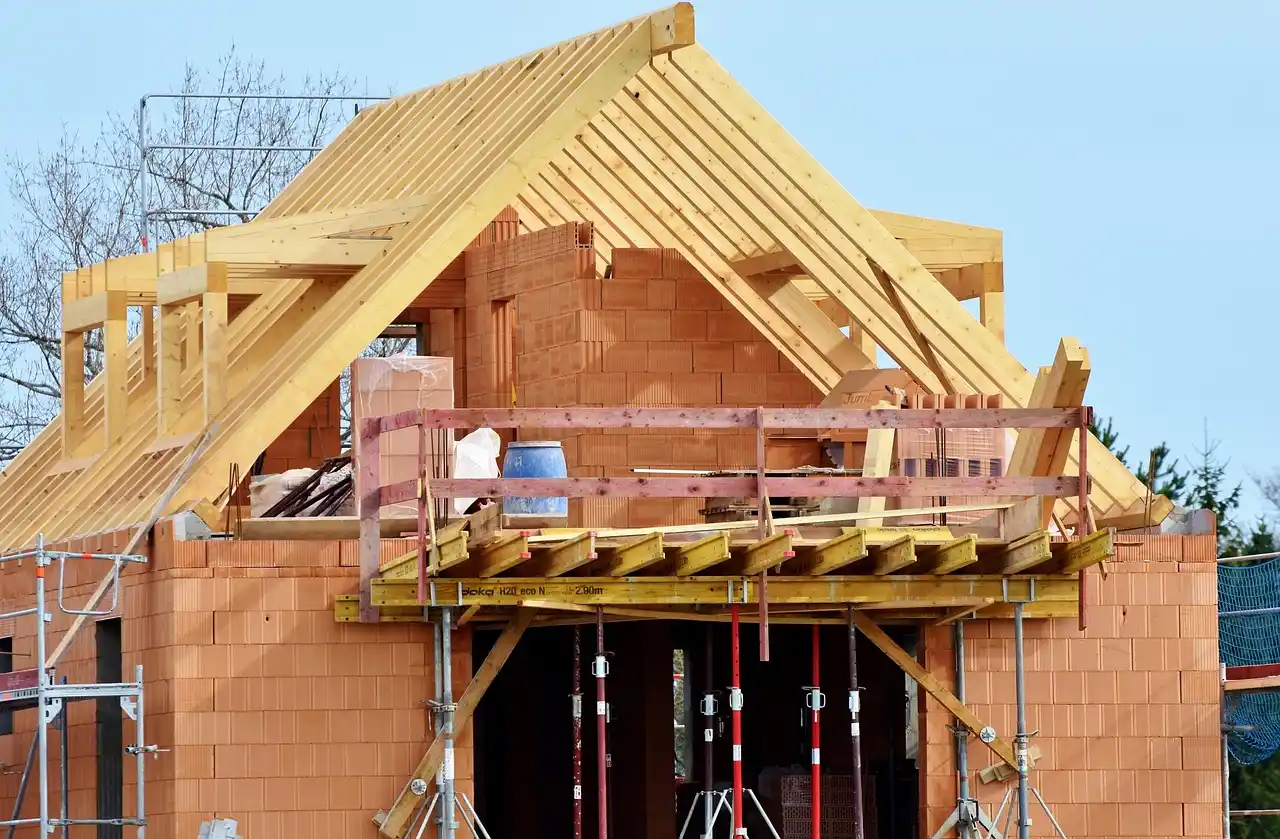
One of the first questions homeowners ask is how long does it take to build a custom home from start to finish. The honest answer is that most projects take anywhere from 10 to 18 months, though some move faster and others take longer depending on design complexity, site conditions, permitting, product availability, and builder coordination. A realistic schedule includes far more than the construction phase alone, so it helps to look at the full process from planning and approvals through final inspections and move-in.
If you are comparing timelines, it is useful to understand how each phase connects to the next. Working with an experienced Custom home builder can make the schedule more predictable by coordinating design, permitting, trade sequencing, and finish decisions from the beginning.
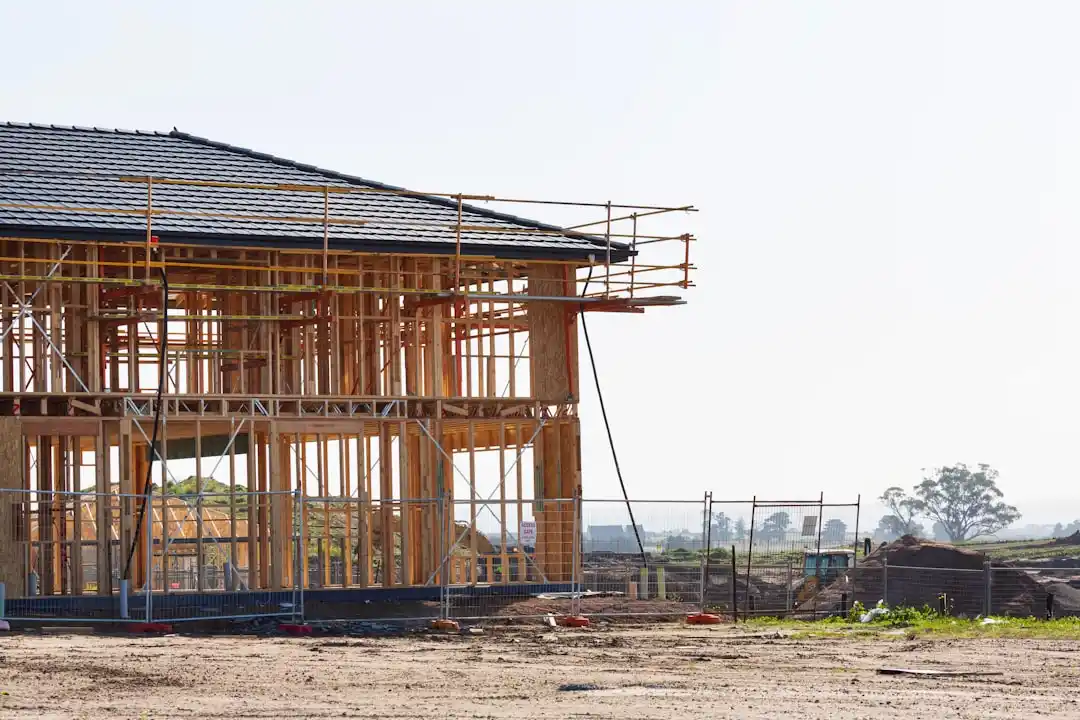
Full custom home timeline overview
When people ask how long does it take to build a custom home, they are often thinking only about the visible construction work. In reality, the timeline usually begins months before excavation. A typical custom home schedule often looks like this:
- Pre-design and budgeting: 1 to 3 months
- Architectural design and engineering: 2 to 4 months
- Permitting and jurisdictional approvals: 1 to 6 months
- Site work and utility preparation: 2 to 8 weeks
- Vertical construction: 6 to 12 months
- Final inspections, punch list, and closeout: 2 to 6 weeks
For a straightforward project on a build-ready lot, the total timeline may land near the shorter end. For a larger home, sloped site, coastal or hillside lot, or highly customized design, the total timeline can extend significantly. Reviewing the Custom home construction process can help clarify why planning and preconstruction play such a large role in the final completion date.
Home size matters, but complexity matters even more. A 3,500-square-foot home with standard detailing may move faster than a 2,800-square-foot home with steel framing, oversized glass, specialty millwork, or extensive outdoor living features.
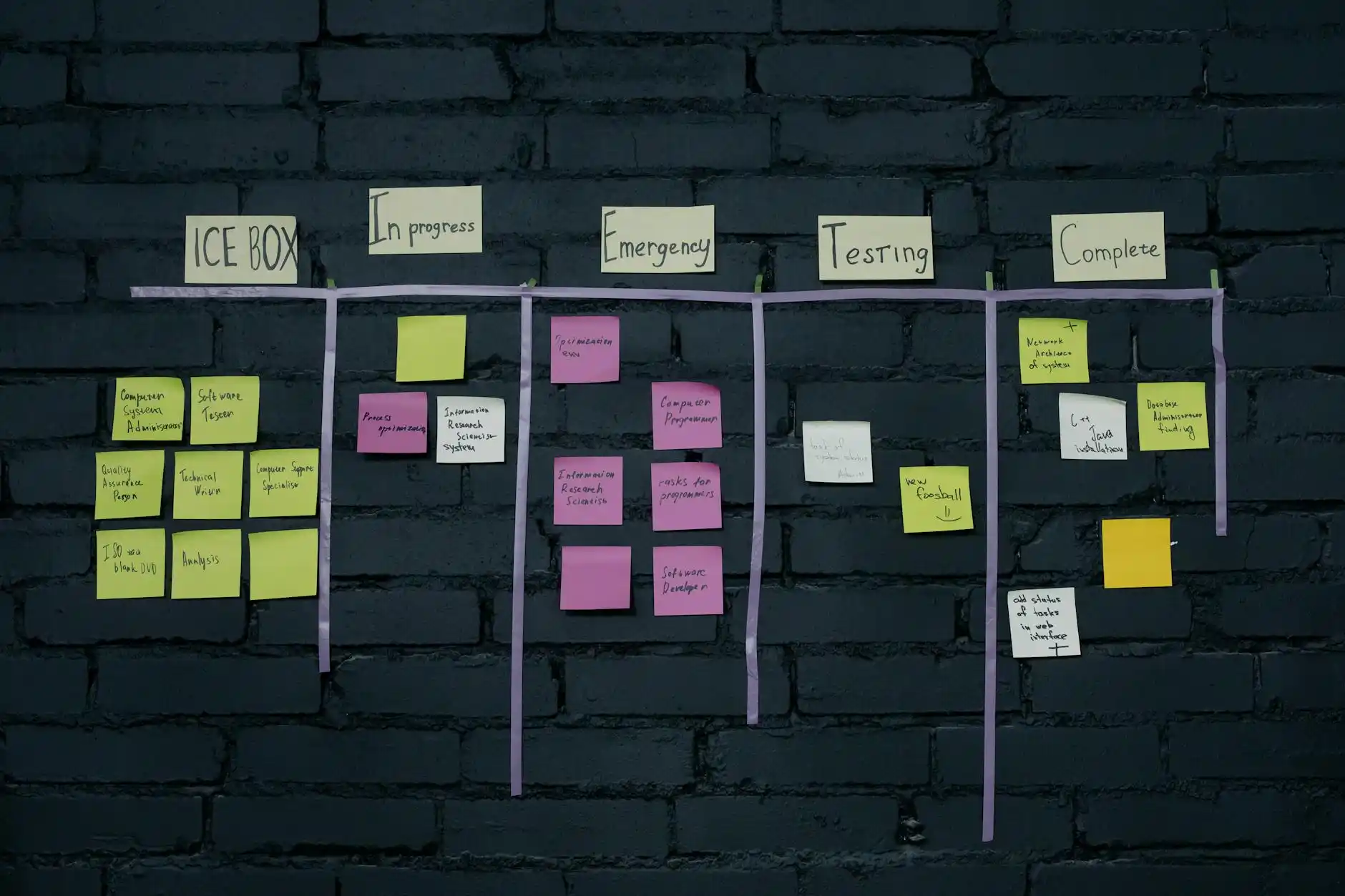
Site preparation and utility setup timelines
Before the foundation can begin, the site has to be prepared. This phase often takes 2 to 8 weeks, but difficult lots may require more time. Site preparation includes surveying, clearing vegetation, grading, excavation, erosion control, driveway access, and preparing for foundation work.
Utility setup can also affect how long does it take to build a custom home. If water, sewer, gas, and electrical connections are already nearby, the process may be relatively quick. If the lot needs a new well, septic system, transformer upgrades, or long utility runs, lead times can grow quickly.
Factors that can extend this phase
- Poor soil conditions requiring engineered solutions
- Heavy rock excavation
- Steep slopes or drainage challenges
- Environmental restrictions or tree protection rules
- Delayed utility company scheduling
- Weather-related access problems
Remote or previously undeveloped lots are especially likely to need extra time here. This stage is critical because any problem discovered before the foundation is easier and less expensive to solve than one discovered later.
Permitting and approval timelines
Permitting is one of the least predictable parts of the schedule. Depending on the city, county, and neighborhood requirements, approvals may take as little as a few weeks or stretch into several months. In some areas, design review boards, HOA approvals, stormwater reviews, or environmental studies can add steps before the permit is even submitted.
This is why early planning matters so much when estimating how long does it take to build a custom home. Permit turnaround is not always in the builder’s control, but a complete and coordinated set of plans can reduce revisions and resubmittals.
A strong preconstruction strategy and clear expectations around the Design-build timeline can help streamline the process because design, pricing, and constructability are considered together rather than in isolation.
Common approval stages
- Zoning and site feasibility review
- Architectural and structural plan development
- Engineering submissions
- Permit application review
- Correction notices and resubmittals if needed
- Permit issuance
If your project includes retaining walls, large additions to the site, or nonstandard systems, expect more review time.

How builder scheduling affects the overall build time
Even after permits are approved, the builder’s scheduling systems have a major impact on the completion date. Construction depends on a tightly managed sequence: excavation must finish before foundation work, foundation before framing, framing before rough mechanicals, and so on. Delays in one trade can ripple through the rest of the project.
A professional builder keeps the schedule moving by confirming labor availability, ordering long-lead materials in advance, and coordinating inspections with each phase. This is one reason choosing the right Custom home builder matters as much as choosing the right floor plan.
Scheduling is especially important during periods of high construction demand. Framers, electricians, cabinet makers, countertop fabricators, and painters may all be booked weeks or months ahead. If materials and subcontractors are not lined up early, small gaps can become major schedule extensions.
Finish selections and inspection timing
Finish decisions are often underestimated in custom home scheduling. Cabinet layouts, plumbing fixtures, tile patterns, appliances, flooring, lighting, and hardware all influence ordering, installation, and inspections. If selections are delayed, the field schedule can stall while teams wait for final dimensions, product specifications, or deliveries.
In many projects, long-lead finish items include:
- Custom windows and exterior doors
- Cabinetry and millwork
- Specialty tile and slab materials
- Luxury plumbing fixtures
- Appliances
- Custom lighting packages
Inspection timing also affects how long does it take to build a custom home. Rough inspections for framing, plumbing, electrical, and mechanical systems must be completed before insulation and drywall. Final inspections happen near the end, and any correction items must be addressed before occupancy approval.
For homeowners choosing between new construction and major renovation, it can also help to compare Whole home remodel timelines, since remodels often involve hidden conditions that create a different kind of uncertainty.
Common causes of delays
Most custom homes encounter at least a few schedule adjustments. Some delays are minor, while others can add weeks or months. The most common causes include:
- Permit delays: slow agency review, missing documents, or added correction cycles
- Weather: heavy rain, snow, extreme heat, or wind affecting excavation, concrete, or roofing
- Material shortages: windows, cabinetry, appliances, or specialty finishes arriving late
- Change orders: homeowner revisions after construction begins
- Site surprises: unsuitable soils, underground obstructions, or drainage issues
- Trade availability: subcontractor scheduling conflicts in busy markets
- Inspection backlogs: delayed municipal inspections holding up the next phase
Not every delay can be prevented, but many can be reduced through early decisions, realistic allowances, and strong project management.
How to keep the project moving
If you want a more accurate answer to how long does it take to build a custom home, focus on the decisions that support momentum. Homeowners play a larger role in the timeline than they sometimes realize.
Best ways to stay on schedule
- Finalize plans before construction begins
- Make finish selections early
- Approve bids, drawings, and change requests quickly
- Set a realistic budget to avoid mid-project redesigns
- Choose a builder with a proven planning system
- Ask about long-lead items during preconstruction
- Maintain regular communication with the project team
The smoother the preconstruction phase, the fewer disruptions during the build. Homeowners who commit to decisions early usually experience a faster, less stressful process overall.
In summary, how long does it take to build a custom home depends on the home itself, the property, local approvals, and the discipline of the planning process. While 10 to 18 months is a useful average range, the best way to get a reliable timeline is to build a detailed roadmap before construction starts.
FAQ
What is the typical timeline for building a custom home from start to finish?
A typical custom home takes about 10 to 18 months from early planning through final inspections and move-in, although a simple project on a ready lot may finish sooner and a more complex home can take longer.
How long do permits and approvals usually take for a custom home?
Permits and approvals often take 1 to 6 months, depending on the local jurisdiction, plan completeness, and whether added reviews like HOA, environmental, or stormwater approvals are required.
What parts of the custom home process usually cause the biggest delays?
The biggest delays usually come from permitting, utility coordination, long-lead materials, weather, trade scheduling conflicts, inspection backlogs, site surprises, and homeowner change orders after construction starts.
How does site preparation and utility setup affect the overall build timeline?
Site preparation and utility setup can add 2 to 8 weeks or more before foundation work begins, especially if the lot needs grading, rock excavation, drainage solutions, a well, septic, or extended utility connections.
Can finish selections change how long it takes to build a custom home?
Yes, finish selections can significantly affect the schedule because cabinets, windows, doors, tile, plumbing fixtures, appliances, and lighting often have long lead times and delayed decisions can stall installation and inspections.
How can I help keep my custom home project on schedule?
You can help keep the project on schedule by finalizing plans early, making finish selections as soon as possible, approving decisions quickly, keeping a realistic budget, and working closely with an experienced builder who plans ahead.