

If you want to improve a property without paying cash upfront, pay at closing home renovations Seattle usually means the renovation cost is advanced before listing and repaid from sale proceeds. For many sellers, that can make sense when light updates are likely to raise buyer interest, shorten time on market, or support a stronger list price.

What pay-at-closing renovations mean for sellers
It means the seller does not write checks for approved work before the home sells. Instead, the contractor or program is paid out of escrow at closing, after agreed terms are signed in advance.
In practice, this setup works best for defined, pre-sale projects such as paint, flooring, cleaning, staging support, or minor repair work. Ask for the exact repayment method, any service fee, and what happens if the home sells below expectations.
Why some sellers improve the home before listing
Sellers usually do it to make the home easier to market and easier for buyers to say yes to. A dated or visibly neglected home can trigger lower offers, longer market time, and more negotiation after inspection.
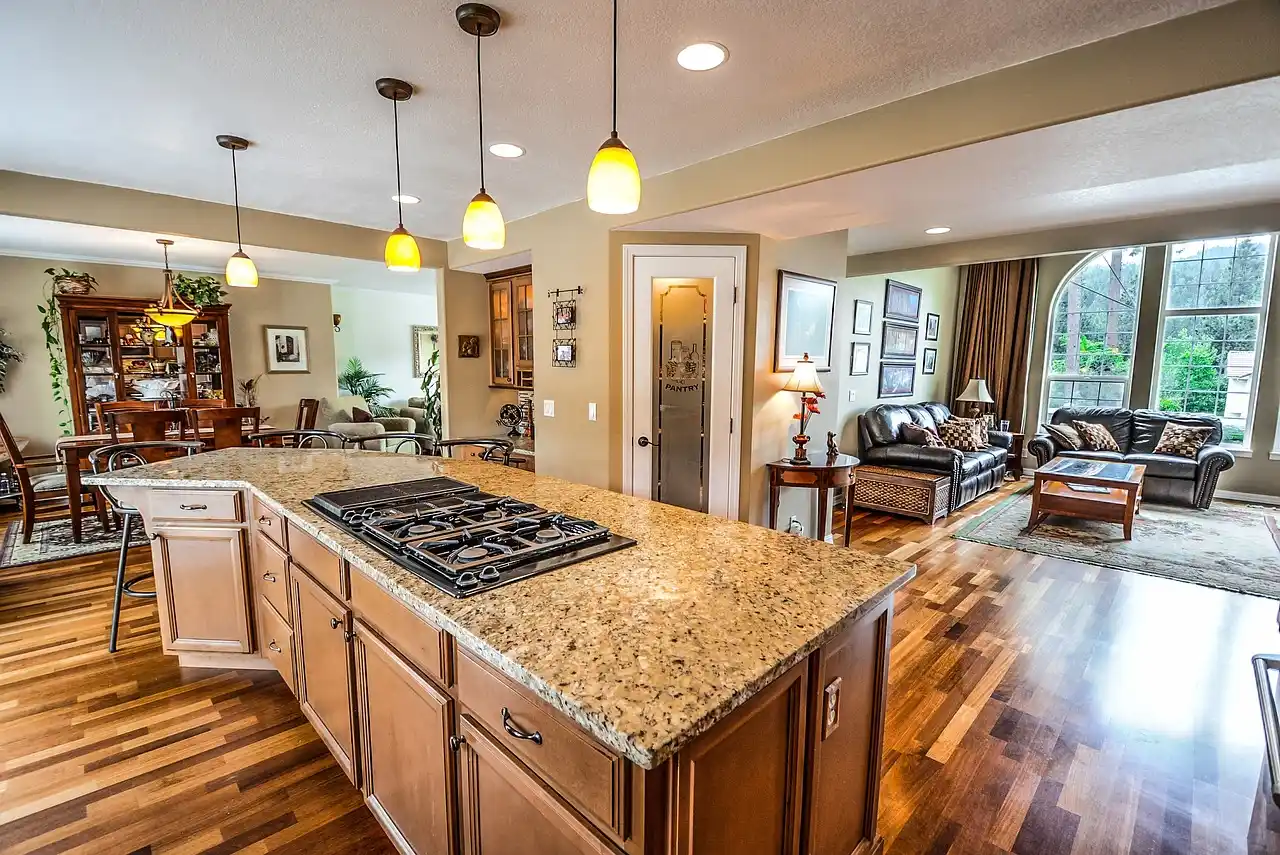
In Seattle, buyers often react quickly to cosmetic condition. Clean finishes, repaired basics, and move-in-ready presentation can matter more than ambitious remodels. Programs tied to Prep N Sell or similar pre-listing services are often aimed at that gap: practical improvements that help the listing compete now.
Which repairs and updates can make the biggest difference
The best projects are usually the ones buyers notice immediately and inspectors flag often. Focus on visible, lower-risk work that improves first impression and reduces objections.
- Interior paint in neutral colors
- Carpet replacement or refinishing worn floors
- Basic kitchen and bath updates like hardware, lighting, and caulking
- Roof, plumbing, or electrical repairs if they are active deal risks
- Deep cleaning, haul-off, and curb appeal touch-ups
A full remodel is rarely the first move unless your Main Realtor can show strong local comps supporting it.
How payment at closing can reduce upfront pressure
The main benefit is cash-flow relief. You can prepare the home for market without draining savings, using credit cards, or delaying the listing while you gather funds.
That matters if you are managing a move, estate sale, divorce, or inherited property. Pay at closing home renovations Seattle can also simplify planning because the work, timeline, and repayment terms are usually organized before the home goes live.
What to clarify before approving the renovation scope
Before you approve anything, confirm what is being done, what it is expected to accomplish, and how much risk you are taking. Do not rely on a broad promise that the work will “increase value.”
- Get a written scope with line-item pricing.
- Ask who chooses materials and how change orders are handled.
- Confirm the estimated timeline and listing date impact.
- Review repayment terms, fees, and any minimums.
- Ask whether the recommendation comes from sales data or opinion.
How realtors, sellers, and contractors coordinate
The cleanest process starts with the agent identifying what will most likely improve marketability, then a contractor prices only that work. The seller approves the scope, the job is completed, and payment is handled through closing documents.
Some sellers use a coordinated service such as DEPP to keep planning, execution, and listing preparation aligned. If you want a direct review of your situation, use Contact before authorizing work that may not be necessary.
When this option may not be the right fit
Skip it if the home is already market-ready, if you need a very fast as-is sale, or if the proposed work is too large relative to expected return. It may also be a poor fit if the repayment terms are unclear or the listing price depends on optimistic assumptions.
If major structural issues exist, cosmetic work alone may not solve the real pricing problem.
For the right property, pay at closing home renovations Seattle can be a practical way to improve presentation without upfront cash. The key is to keep the scope tight, tie decisions to local sale comps, and confirm exactly how repayment works before the first repair starts.
FAQ
What does pay-at-closing home renovation mean for Seattle sellers?
For Seattle sellers, pay-at-closing home renovation usually means approved pre-listing work is completed before the home hits the market, and the cost is repaid from sale proceeds through escrow instead of being paid upfront.
Which repairs or updates are most worth doing before listing a home?
The most worthwhile updates are usually visible, lower-risk improvements that boost first impression and reduce buyer objections, such as neutral interior paint, flooring refreshes, basic kitchen and bath fixes, active roof or plumbing repairs, deep cleaning, and curb appeal touch-ups.
How does paying for renovations at closing reduce upfront costs for sellers?
It reduces upfront costs by letting sellers prepare the home for market without using savings, credit cards, or delaying the listing, since payment is typically handled from the proceeds when the sale closes.
What should sellers review before agreeing to a renovation scope?
Sellers should review the written scope of work, line-item pricing, materials, change-order rules, timeline, expected listing impact, repayment method through closing, service fees, minimums, and what happens if the home sells below expectations.
How do the seller, realtor, and contractor coordinate a pay-at-closing renovation project?
The process usually works best when the realtor identifies the updates most likely to improve marketability, the contractor prices only that work, the seller approves the scope, the job is completed, and repayment is handled in the closing documents.
When is a pay-at-closing renovation program not the right fit?
It may not be the right fit if the home is already market-ready, you need a fast as-is sale, the project is too large for the likely return, the repayment terms are unclear, or major structural problems make cosmetic work unlikely to solve the pricing issue.