

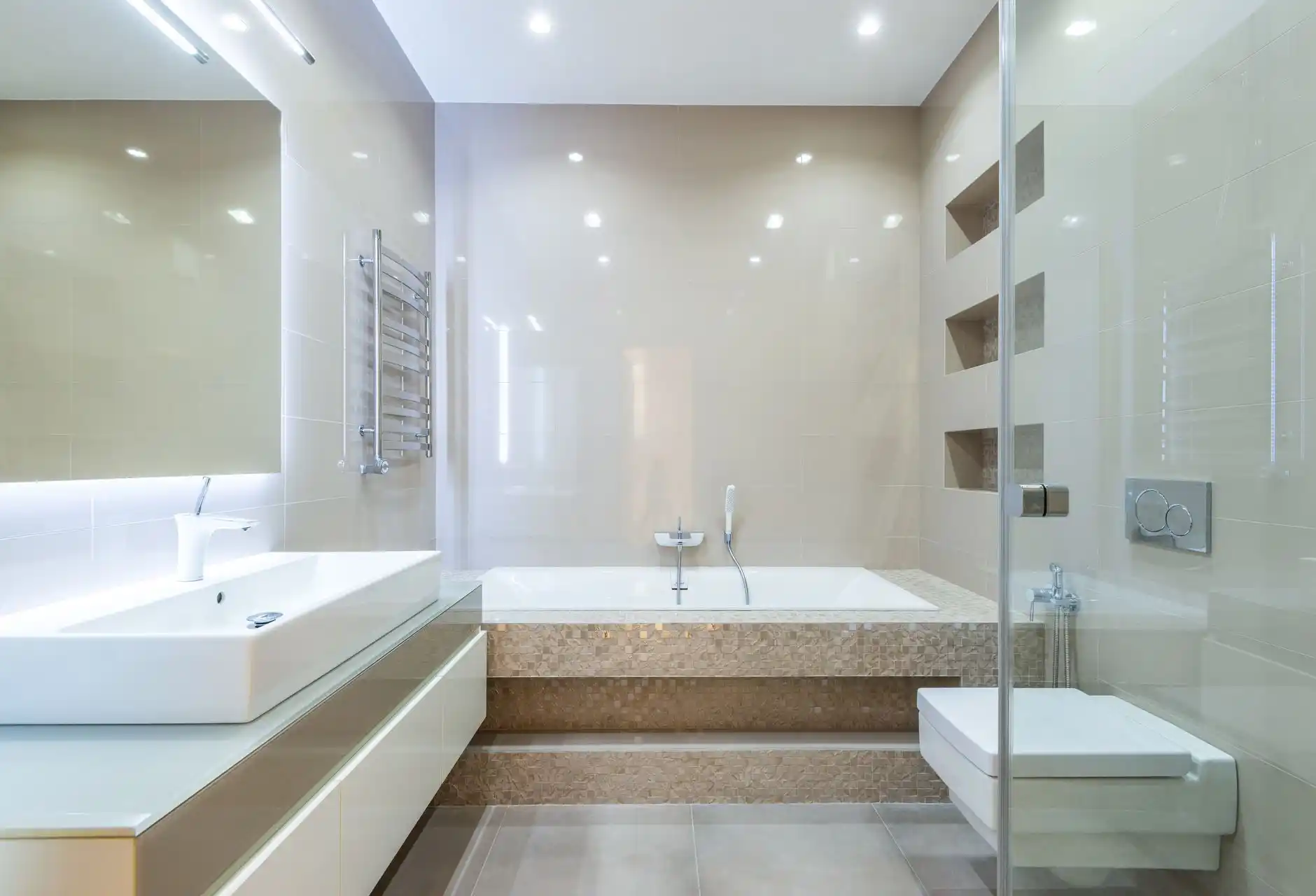
Understanding the permit requirements for major bathroom renovations is one of the most important early steps in any remodel. While replacing finishes may seem straightforward, larger bathroom updates often involve plumbing, electrical, ventilation, or structural work that requires approval from your local building department. Knowing what usually needs a permit can help you avoid delays, failed inspections, added costs, and problems when it is time to sell your home.

When bathroom work typically requires a permit
In most cities and counties, permits are required when a bathroom renovation changes how major systems function or alters the structure of the home. The exact rules vary by jurisdiction, but the permit requirements for major bathroom renovations usually apply when you are doing more than simple cosmetic updates.
Bathroom work commonly requires permits when it includes:
- Moving or replacing plumbing lines
- Installing new electrical circuits, outlets, or lighting
- Relocating fixtures such as toilets, tubs, or showers
- Replacing or modifying ventilation systems
- Opening walls to change framing or support elements
- Expanding the bathroom footprint
- Converting a closet, bedroom, or other space into a bathroom
For example, swapping out a vanity in the same location may not trigger a permit in some areas. But adding a double vanity with new plumbing and lighting often will. The safest approach is to confirm requirements before work begins, especially if your project goes beyond surface-level finishes.
If your renovation is part of a larger Whole Home Remodel, permit coordination becomes even more important because multiple trades and inspections may be tied together under one approved plan.

Plumbing, electrical, structural, and ventilation changes explained
The permit requirements for major bathroom renovations often center on four key categories: plumbing, electrical, structural work, and ventilation. Each affects safety, performance, and code compliance in different ways.
Plumbing
Plumbing permits are typically required when supply lines, drain lines, or vent lines are added, relocated, or significantly modified. This includes moving a toilet across the room, converting a tub to a shower with a new drain location, or installing body sprays, a steam shower, or a second sink. Plumbing permits help ensure the system is properly sized, vented, and connected to avoid leaks, sewer gas issues, and drainage problems.
Electrical
Bathrooms have strict electrical safety rules because water and electricity are in close proximity. Permit approval is commonly required for:
- New wiring or dedicated circuits
- GFCI-protected receptacles
- New lighting, heated floors, or exhaust fan wiring
- Upgraded service for high-demand fixtures
Electrical inspections verify that wiring methods, load calculations, and device placement meet current code.
Structural
If a renovation involves removing or altering walls, cutting joists, changing ceiling heights, or reframing for a larger shower or pocket door, structural review may be needed. Even if a wall appears non-load-bearing, that assumption should be confirmed before demolition begins. Structural permits and plan review help protect the integrity of the home.
Ventilation
Bathrooms must be properly ventilated to control moisture and reduce mold risk. If you are adding or replacing an exhaust fan, rerouting ductwork, or creating a new bathroom where one did not exist before, permit review may apply. Ventilation rules often address duct size, termination location, and fan capacity.
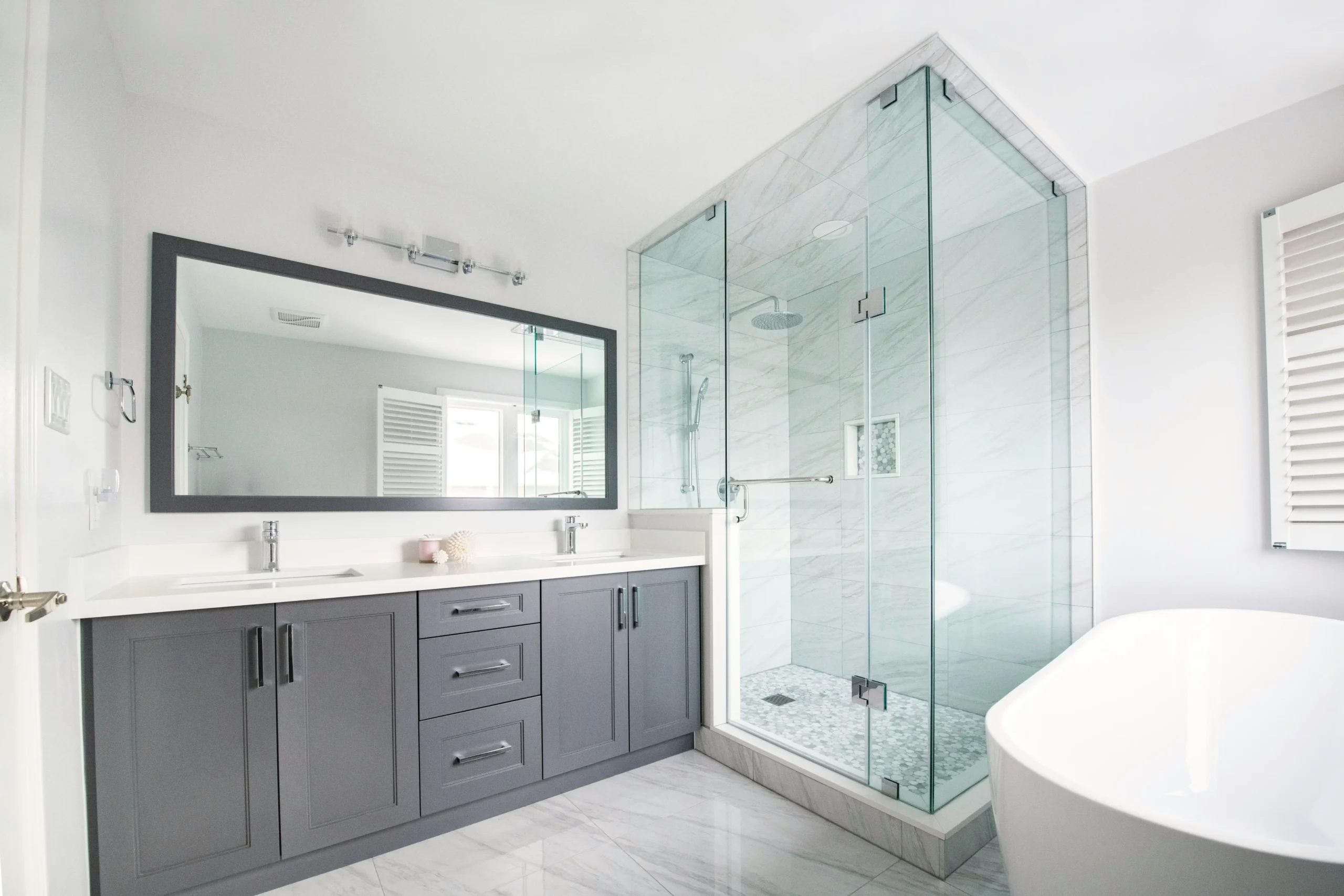
Work that may not need permits but still needs careful review
Not every bathroom update needs formal approval. In many cases, purely cosmetic work can move forward without permits, though local regulations still matter. Examples may include:
- Painting walls and ceilings
- Replacing tile without moving fixtures
- Installing new mirrors or accessories
- Swapping a faucet or toilet in the same location, where allowed
- Replacing cabinetry without electrical or plumbing changes
However, “no permit required” does not mean “no planning required.” Hidden issues are common in bathrooms, especially in older homes. Water damage, outdated wiring, improper venting, or previous unpermitted work can turn a simple finish upgrade into a more involved project. That is why even minor updates benefit from a thorough pre-construction review.
Homeowners exploring Bathroom Remodeling should also remember that current code may affect seemingly simple replacements. A new receptacle may need GFCI protection. A fan replacement may need better duct routing. A shower update may raise waterproofing questions. Careful planning helps avoid surprises once walls and floors are opened.
Why code compliance matters in a bathroom remodel
Code compliance is not just about paperwork. It is about making sure the finished bathroom is safe, durable, and built to perform as intended. The permit requirements for major bathroom renovations exist because bathrooms combine water, electricity, moisture, and tight spaces in ways that can create serious risks when work is done incorrectly.
Code-compliant work can help protect against:
- Leaks behind walls and under floors
- Electrical shock hazards
- Mold and mildew from poor ventilation
- Structural weakening from improper framing changes
- Drainage and sewer venting problems
- Insurance claim disputes related to unpermitted work
It also matters financially. If you sell your home later, buyers and inspectors may ask whether major remodeling work was permitted and approved. Missing permits can create delays in closing, trigger repair requests, or reduce buyer confidence. In some cases, homeowners may even be required to open finished walls so concealed work can be inspected retroactively.
What inspections usually happen during the project
Once permits are issued, inspections are typically scheduled at specific stages. The exact sequence depends on the scope of work, but the process often includes several checkpoints.
- Rough plumbing inspection before walls are closed, to verify drain, waste, vent, and water supply installation.
- Rough electrical inspection to review wiring, box placement, circuit protection, and code-required receptacles.
- Framing or structural inspection if walls, joists, headers, or other framing members were modified.
- Insulation inspection in jurisdictions where energy code review applies.
- Final inspection after fixtures, finishes, ventilation, and devices are installed and fully operational.
A passed final inspection generally closes out the permit and documents that the work met the applicable standards at the time of construction. This is one reason permit records can be valuable long after the project is complete.
Common permit mistakes that create bigger problems later
Many remodeling issues begin with assumptions made too early. Homeowners or inexperienced contractors may believe a permit is unnecessary, only to discover mid-project that the work exceeds local thresholds. Common mistakes include:
- Starting demolition before confirming permit requirements
- Assuming old unpermitted work can remain as-is
- Moving fixtures without updating plumbing permits
- Skipping ventilation upgrades in a newly enclosed shower area
- Using unlicensed trades where licensed work is required
- Failing to schedule required inspections before drywall or tile installation
These missteps can lead to stop-work orders, rework, fines, and scheduling setbacks. More importantly, they can leave homeowners with hidden deficiencies that affect safety and resale value. The best way to avoid these problems is to treat permit planning as part of the design process, not as an afterthought.

How a design-build team helps manage compliance
A professional Design-Build Remodeling team can simplify the permit process by coordinating design, construction, documentation, and communication under one roof. Instead of leaving homeowners to interpret technical requirements on their own, a design-build approach helps identify code issues early and align the project scope with local approval standards.
This can include:
- Reviewing the planned layout for permit triggers
- Preparing drawings and scopes of work for submission
- Coordinating licensed plumbers, electricians, and other trades
- Scheduling inspections at the right stages
- Addressing field changes in a code-compliant way
For complex projects, this level of coordination can save time and reduce stress. It also improves the likelihood that the renovation will move smoothly from planning to final approval. When the permit requirements for major bathroom renovations are handled correctly from the start, homeowners can focus more confidently on design decisions, materials, and long-term function.
FAQ
What bathroom renovation work usually requires a permit?
Bathroom renovation work usually needs a permit when it changes plumbing, electrical, ventilation, or structure, such as moving fixtures, adding circuits or lighting, modifying framing, expanding the room, or creating a new bathroom.
Do plumbing and electrical changes in a bathroom remodel need permits?
Yes. Plumbing and electrical changes commonly require permits because bathrooms have strict code and safety rules for water supply, drainage, venting, wiring, circuit protection, and device placement.
Can I remodel a bathroom without a permit if I am not moving walls or fixtures?
Sometimes, if the work is truly cosmetic, such as painting, tile replacement, or swapping finishes in the same location. However, local rules vary, and hidden issues or code updates can still affect what is allowed without a permit.
What inspections are typically required during a major bathroom renovation?
Typical inspections include rough plumbing, rough electrical, framing or structural inspection if framing changed, insulation inspection where required, and a final inspection after fixtures, ventilation, and finishes are installed.
What can happen if bathroom renovation work is done without the required permits?
Unpermitted bathroom work can lead to fines, stop-work orders, failed inspections, required rework, insurance issues, resale delays, and in some cases opening finished walls so hidden work can be inspected.
Does adding or changing a bathroom exhaust fan require a permit?
It can. Adding or replacing an exhaust fan, rerouting ductwork, or installing ventilation for a new bathroom may require a permit so the fan capacity, duct size, and exhaust termination meet local code.