

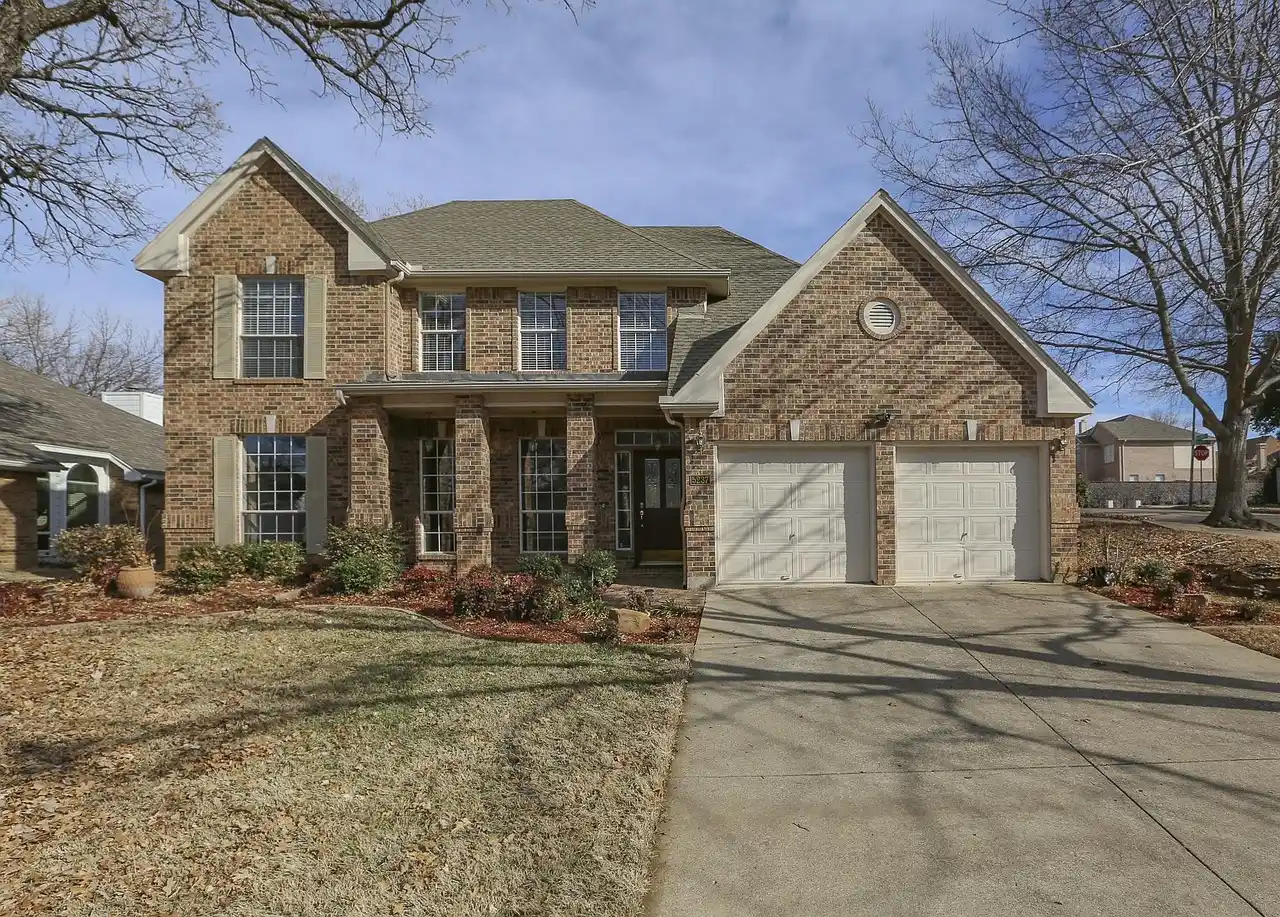
Pre-listing home preparation services help sellers fix the issues buyers notice, improve presentation, and get the home photo-ready before it hits the market. The goal is not a full remodel; it is a focused plan that removes objections, improves first impressions, and supports a stronger listing launch.

What pre-listing home preparation can include
It usually includes three buckets: repairs, presentation, and exterior cleanup. Most sellers need a scoped mix of handyman work, paint touch-ups, light updates, staging, cleaning, and curb appeal rather than one large project.
A practical plan may include patching drywall, replacing dated light fixtures, repainting high-traffic walls, decluttering, staging key rooms, pressure washing, and refreshing the entry. If you want one coordinated process, Prep N Sell is the kind of service sellers use to combine those steps under one timeline.
How repairs and cosmetic updates support the sale
Repairs matter because visible defects make buyers assume bigger hidden problems. Cosmetic updates matter because they help the home feel move-in ready in photos and showings.
Focus first on anything broken, stained, leaking, cracked, or obviously worn. Then address low-cost, high-visibility items such as neutral paint, updated cabinet hardware, or matching bulbs. A small repair budget often does more for buyer confidence than a larger spend on finishes buyers may not value.
Why staging and renovation should work together
Staging and renovation should be planned together so the home does not send mixed signals. Updated rooms need furniture, scale, and styling that show the improvement clearly; staged rooms also reveal which upgrades are actually necessary.
For example, a living room may not need new flooring once furniture placement, lighting, and wall color are corrected. Visual planning through Portfolio Design helps sellers choose updates that support the final presentation instead of competing with it.

Curb appeal improvements buyers notice first
Buyers judge the property before they enter, and photos start that process online. The fastest curb appeal wins are a clean path, trimmed landscaping, fresh mulch, a washed exterior, and a front door that looks intentional rather than tired.
If the mailbox leans, house numbers are missing, or porch lights do not match, fix those too. These are small signals, but they affect whether the home feels maintained. A structured review such as DEPP can help identify what is visible first and worth addressing before launch.
How to decide what not to change
Do not change anything that is expensive, highly personal in payoff, or unlikely to improve photos, showings, or buyer confidence. Skip major renovations unless a local pricing strategy shows a clear return.
Examples to avoid include full kitchen remodels, custom built-ins, or trendy finishes chosen to match your taste. If an item is functional, clean, and not visually distracting, it may be better left alone.
How to coordinate preparation before photography
Finish all work before photography, not after. Photos lock in the home’s first impression, so incomplete paint, missing hardware, or unstyled rooms can weaken the listing from day one.
Use a simple order: repairs first, paint second, deep cleaning third, staging fourth, exterior touch-up last, then photography. Leave at least a day between final prep and photos so dust, packaging, and tools are gone.
Why a clear scope helps sellers avoid stress
A clear scope tells you what will be done, what will be skipped, who is doing each task, and when the home will be market-ready. That reduces budget drift, rushed decisions, and duplicate work.
Ask for a written list with priorities, costs, and sequence. If you need help building that plan, use Contact to discuss pre-listing home preparation services that fit your timeline and sale goals. The best pre-listing home preparation services simplify decisions instead of adding more.
FAQ
What do pre-listing home preparation services usually include?
Pre-listing home preparation services usually cover three areas: repairs, presentation, and exterior cleanup. That often means handyman fixes, paint touch-ups, light cosmetic updates, decluttering, staging, deep cleaning, pressure washing, and entry or landscaping refreshes to get the home photo-ready.
Which repairs should sellers make before listing a home?
Sellers should first fix anything broken, leaking, cracked, stained, or visibly worn because buyers may assume bigger hidden issues. After that, focus on low-cost, high-visibility items like neutral paint, updated light fixtures or hardware, and matching bulbs.
How do staging and cosmetic updates work together before a sale?
Staging and cosmetic updates work best when planned together so the home feels consistent in photos and showings. Simple updates improve the space, and staging helps highlight those improvements while also showing which upgrades are actually necessary.
What curb appeal improvements make the biggest difference to buyers?
The biggest curb appeal improvements are the fast, visible ones: clean walkways, trimmed landscaping, fresh mulch, a washed exterior, and a refreshed front entry. Fix small details like leaning mailboxes, missing house numbers, and mismatched porch lights because they affect whether the home feels maintained.
How do sellers decide what not to change before listing?
Sellers should skip changes that are expensive, highly personal, or unlikely to improve photos, showings, or buyer confidence. Major remodels, custom features, and trendy finishes are usually not worth it unless local pricing clearly supports the return.
When should pre-listing preparation be finished before photography?
All pre-listing preparation should be finished before photography, not after. A good sequence is repairs, paint, deep cleaning, staging, exterior touch-ups, then photos, with at least a day left after final prep so dust, tools, and packaging are gone.
How can a clear preparation scope help reduce seller stress?
A clear preparation scope reduces seller stress by defining what will be done, what will be skipped, who handles each task, and when the home will be ready. That helps control budget drift, avoids duplicate work, and makes decisions easier under a listing deadline.