
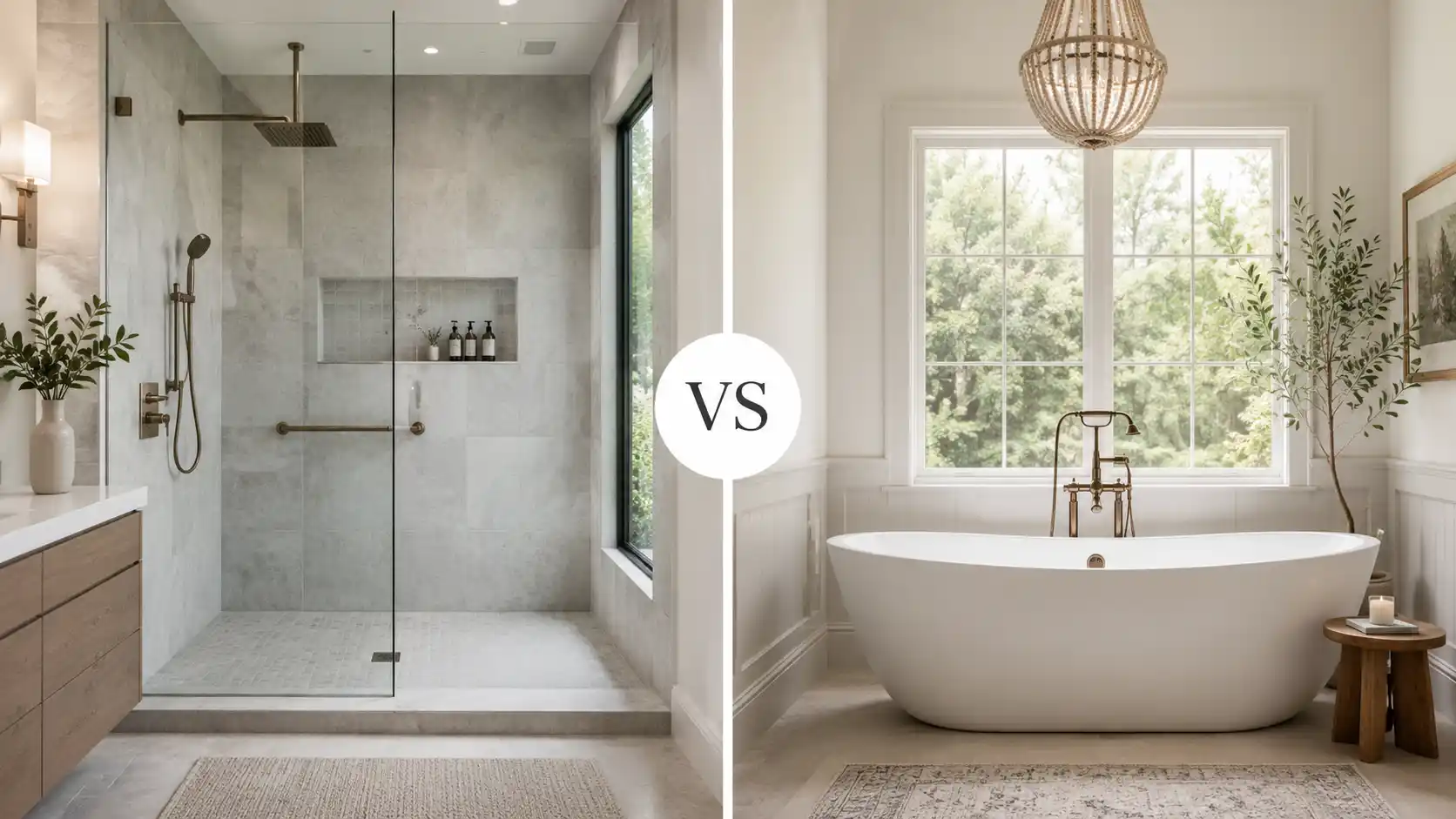
If you want the shortest answer, walk-in showers usually win for daily convenience, accessibility, and modern resale appeal, while bathtubs still make more sense for families with young kids, dedicated soaking use, or homes that would otherwise have no tub at all. The real value in comparing the pros and cons of walk-in showers versus bathtubs is matching the fixture to how the bathroom is used most days, not to a trend.
Why this decision affects layout, budget, and resale
This choice changes floor plan options, plumbing work, and what future buyers expect. A walk-in shower can open tight bathrooms visually and physically, while a tub often needs a longer footprint and more framing or surround work.
Resale depends on the rest of the house. Removing the only tub can hurt appeal for some buyers; replacing a little-used tub in a primary bath often helps. If this remodel connects to broader Bathroom Remodeling, make the decision early so tile layout, drain location, and waterproofing details stay aligned.
Where walk-in showers clearly outperform tubs
Walk-in showers are the better choice when speed, easy entry, and efficient use of space matter most. They also tend to look more current and can be easier to keep clean when designed with fewer seams and a fixed glass panel.
They work especially well in primary baths, guest baths, and smaller homes where a tub is rarely used. A curbless shower, meaning no raised threshold at the entry, also improves accessibility and can reduce trip risk.
When a bathtub still makes the smarter choice
A bathtub is still the practical winner if you regularly bathe children, want a true soaking option, or need at least one tub in the home for resale balance. In many households, that alone settles the question.
For secondary baths, a tub-shower combo often gives the most flexibility per dollar. If your remodel is part of a larger space rework, like a suite expansion or Home Additions, keeping one strategically placed tub can preserve function without forcing every bath to have one.
Accessibility, family use, and long-term lifestyle factors
For aging in place, limited mobility, or injury recovery, walk-in showers are usually the safer long-term pick. High tub walls become harder to step over with time, even for people who are fully mobile now.
That said, family stage matters. A household with toddlers may prioritize a tub today, while an empty-nest household may get more value from a larger shower with a bench, handheld sprayer, and non-slip tile.
Cost and maintenance differences to compare
Neither option is always cheaper; cost depends on size, materials, and plumbing changes. A basic tub-shower replacement may run about $3,000 to $8,000, while a tiled walk-in shower often lands around $6,000 to $15,000 or more.
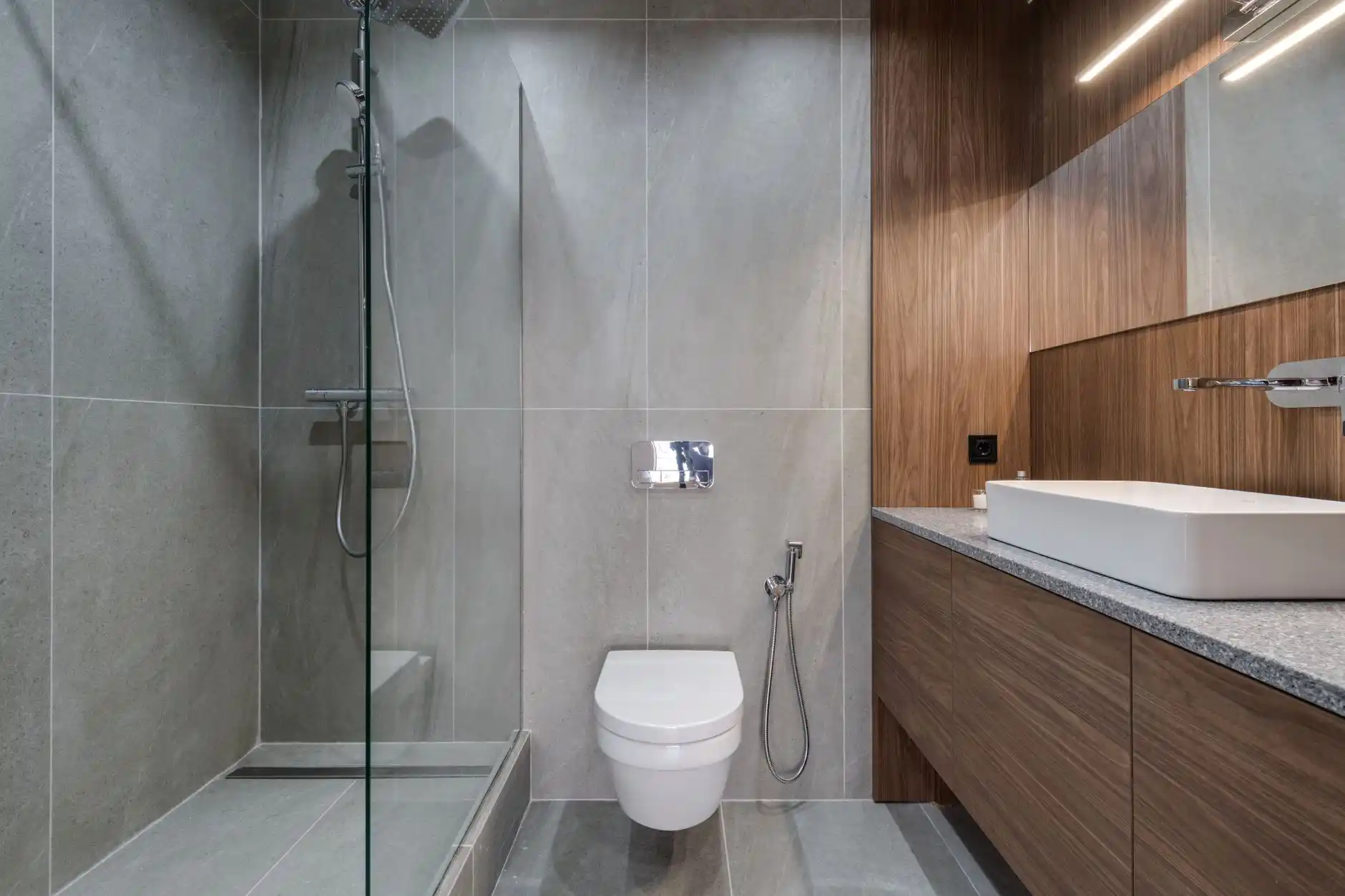
Maintenance is where showers often pull ahead. A one-piece or streamlined shower has fewer corners than a tub surround plus curtain setup, though frameless glass needs frequent wiping to avoid spotting. Custom tile showers also demand solid waterproofing, so contractor quality matters.
Design impact in small versus spacious bathrooms
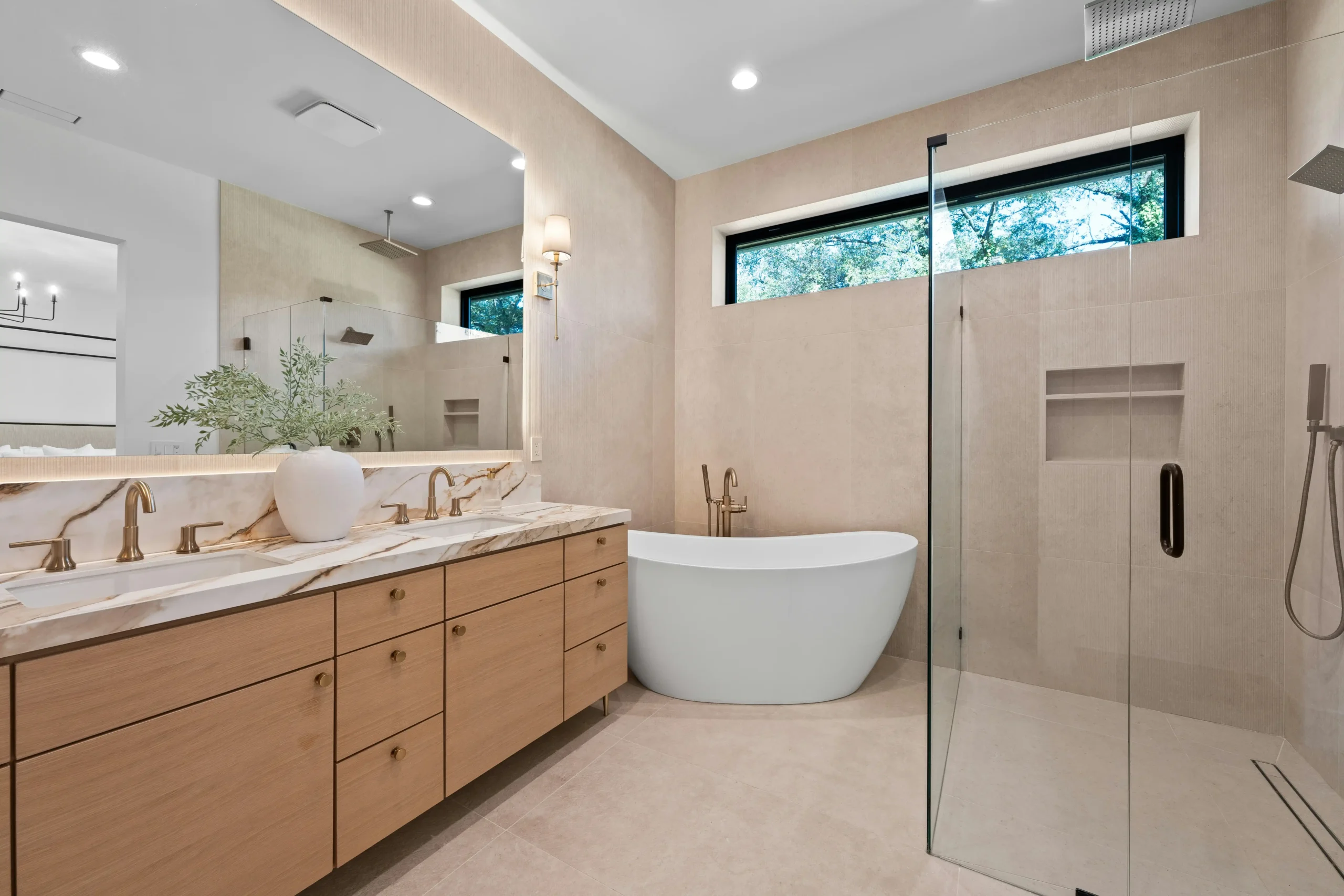
In small bathrooms, a walk-in shower usually makes the room feel larger and easier to move through. In spacious bathrooms, either option can work, but a freestanding tub often becomes more of a visual feature than a daily necessity.
If your project is part of a Whole Home Remodel, keep style consistency in mind. A sleek shower fits minimalist homes; a sculptural tub suits layouts with enough open floor area to support it.
How to decide based on the way the home is actually used
Choose the fixture you will realistically use at least several times a week. That is the clearest way to sort the pros and cons of walk-in showers versus bathtubs without overthinking resale myths.
- Keep at least one tub in the home if you have young kids or no other bathtub.
- Choose a walk-in shower if fast daily use and easier access matter more than soaking.
- Prioritize layout efficiency in small bathrooms.
- Spend more on waterproofing and slip resistance before spending more on luxury finishes.
In most remodels, the best answer to the pros and cons of walk-in showers versus bathtubs is simple: install a shower where convenience drives use, and keep a tub only where it solves a real household need.
FAQ
Are walk-in showers or bathtubs better for resale value?
It depends on the rest of the home. Walk-in showers often help resale in primary bathrooms because they feel modern and practical, but removing the only tub in the house can reduce appeal for buyers who want one for children or flexibility.
Is a walk-in shower or a bathtub more affordable to install?
A bathtub is often less expensive at the basic end, especially a tub-shower replacement, while a custom tiled walk-in shower usually costs more. Final price depends on size, materials, and whether plumbing has to move.
Which is easier to clean and maintain: a walk-in shower or a bathtub?
A streamlined walk-in shower is usually easier to clean because it can have fewer seams and corners than a tub surround setup. However, frameless glass needs regular wiping, and tile showers need good waterproofing and grout maintenance.
Are walk-in showers better for accessibility and aging in place?
Yes, in most cases. Walk-in showers, especially curbless designs with non-slip flooring, benches, and handheld sprayers, are usually safer and easier to use over time than stepping over a high tub wall.
Is a bathtub still the better choice for families with young children?
Yes, often. A bathtub is usually the more practical choice for households with young children, which is why keeping at least one tub in the home still makes sense for many families.
What works better in a small bathroom: a walk-in shower or a bathtub?
A walk-in shower usually works better in a small bathroom because it uses space more efficiently and makes the room feel more open. A tub makes more sense only if that bathroom needs to serve as the home’s main bathing space for kids or provide the only tub.