

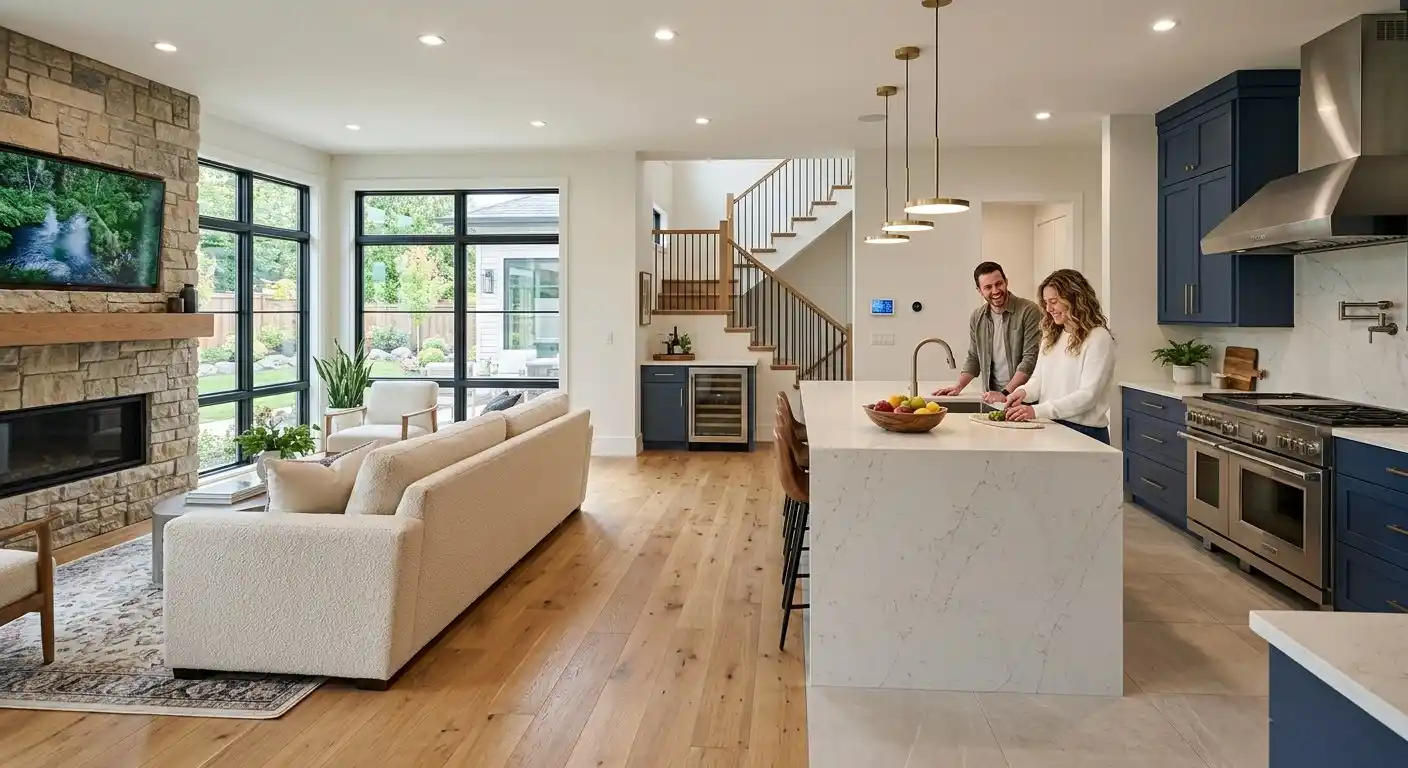
The common upgrades offered by custom home builders usually fall into a few high-value categories: kitchen and bath finishes, energy efficiency, smart-home wiring, premium materials, and expanded outdoor living. The best choices are the ones that are hard to add later, improve daily use, and fit your resale market.
Most requested custom home upgrades
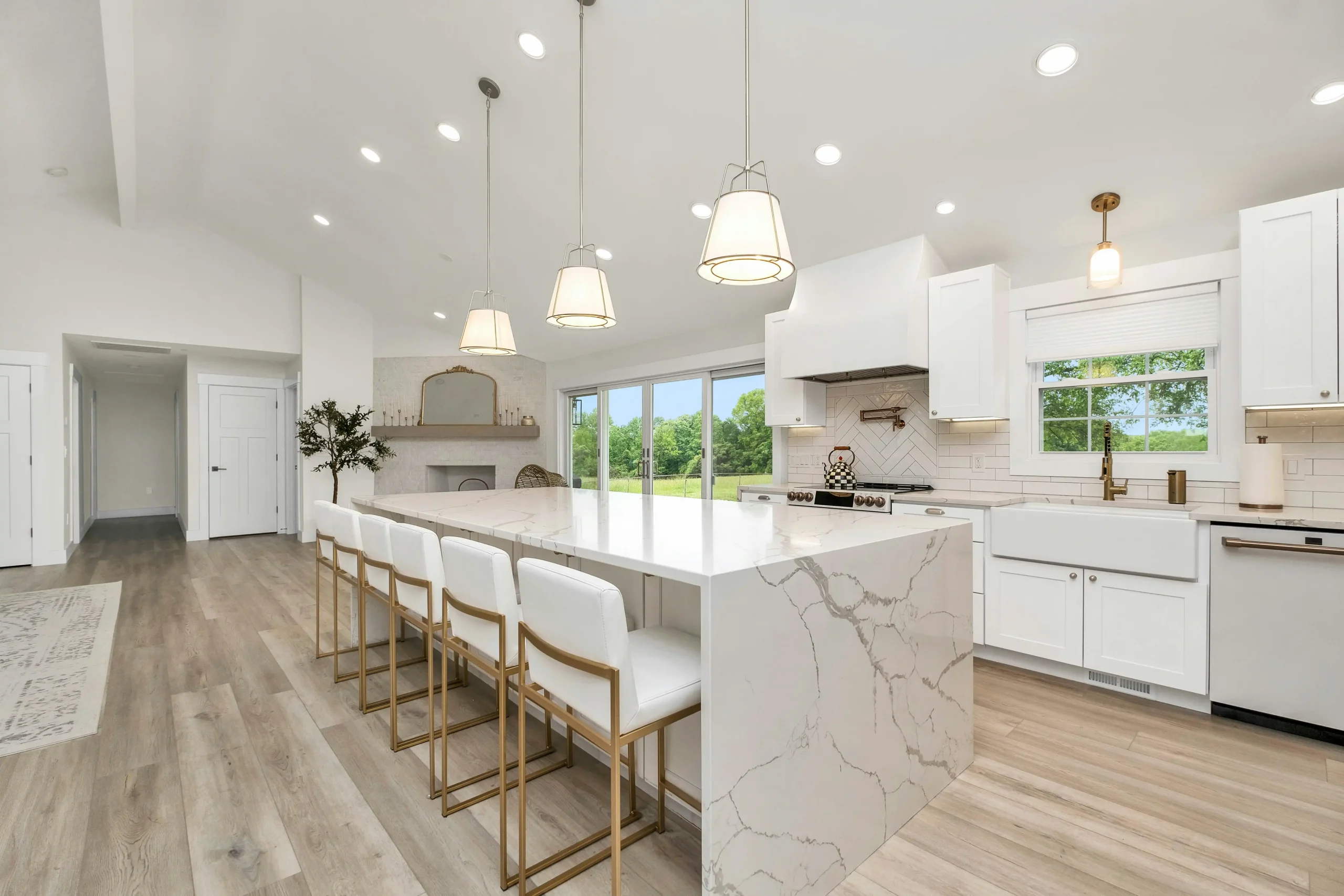
The most requested upgrades are larger kitchens, better primary baths, more storage, taller ceilings, larger windows, and upgraded lighting. Buyers also frequently choose a walk-in pantry, mudroom built-ins, and a covered patio because these features improve function immediately.
When comparing Custom home upgrades, prioritize layout-related items first. Moving walls, raising ceilings, or adding windows during construction is usually far cheaper than changing them after move-in.
Kitchen and bath upgrade options
Kitchen and bath upgrades are among the most popular because they affect daily use and resale value. In kitchens, the usual choices are a larger island, full-height backsplash, soft-close drawers, under-cabinet lighting, and upgraded appliances.
For targeted Kitchen remodeling upgrades, ask builders to price quartz counters, deep drawer bases, and a vented range hood as separate line items. In baths, common picks include a walk-in shower, frameless glass, double vanity, and better tile. If you are comparing Bathroom remodeling options, focus on storage, lighting at the mirror, and shower niche placement before decorative details.
Energy-efficient systems and insulation
The smartest energy upgrades are the ones hidden behind the walls: insulation, air sealing, windows, and HVAC sizing. These lower monthly costs and are difficult to retrofit well later.
Ask about higher-performance windows, upgraded attic insulation, sealed ductwork, and a variable-speed HVAC system. A tankless water heater or heat pump water heater may also be offered, but climate and household size should drive that choice more than trends.
Smart home and automation upgrades
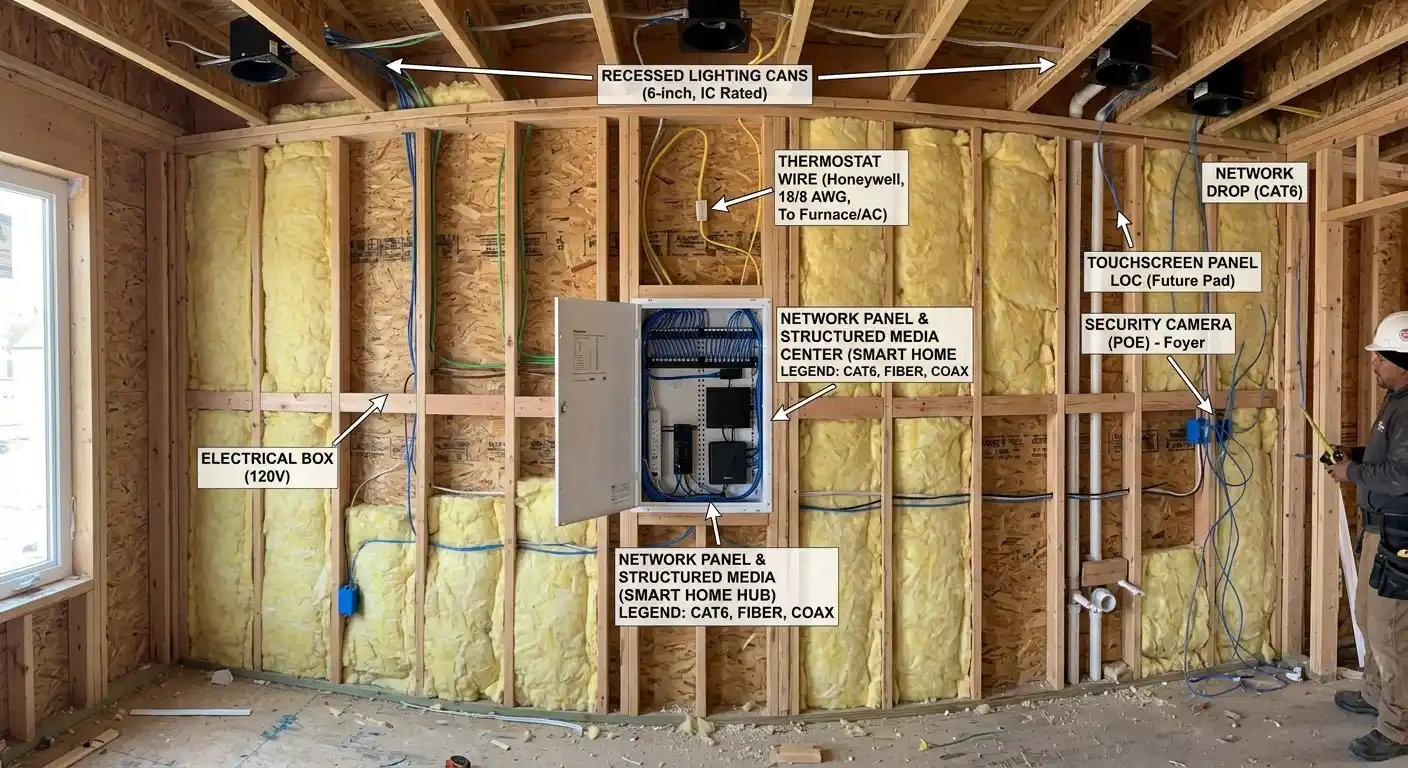
Common smart-home upgrades include video doorbells, smart thermostats, app-controlled locks, security cameras, and structured wiring. The real value is not the gadget itself but having power, low-voltage wiring, and strong Wi-Fi placement built in from day one.
If your builder offers packages, confirm what is actually hardwired versus wireless. Prewiring for speakers, cameras, and access points is often a better long-term upgrade than paying extra for entry-level devices you may replace soon.
Premium flooring, cabinetry, and surfaces
Material upgrades usually mean hardwood or luxury vinyl plank flooring, custom or semi-custom cabinetry, quartz or natural stone counters, and larger-format tile. These are some of the most visible common upgrades offered by custom home builders because they change the look and feel of the whole house.
Choose durable finishes first. For example, cabinet box quality and drawer hardware matter more than a trend-driven paint color, and flooring performance matters more than a rare surface that needs high maintenance.
Outdoor living and addition-style upgrades
Outdoor upgrades often include covered patios, outdoor kitchens, fire features, sliding glass walls, and pool-ready utility planning. Addition-style requests usually involve a bonus room, guest suite, home office, or expanded garage.
If you are considering future flexibility, review Home additions ideas during design so foundations, rooflines, and utilities support them now. Even if you delay the full build, rough planning can prevent expensive structural changes later.
How to prioritize upgrades within budget
Start with upgrades that are expensive or disruptive to change later: structure, windows, insulation, plumbing locations, electrical capacity, and prewiring. Then fund the features you will use every day, such as storage, lighting, and shower design.
- Lock in layout and envelope upgrades first.
- Choose kitchen and primary bath function next.
- Add electrical, smart-home, and outdoor rough-ins.
- Use finish upgrades only where they make the biggest impact.
The best common upgrades offered by custom home builders are not always the flashiest ones; they are the options that improve comfort, lower future costs, and are hardest to redo later.
FAQ
What are the most common upgrades offered by custom home builders?
The most common upgrades offered by custom home builders include larger kitchens, upgraded primary baths, more storage, taller ceilings, larger windows, better lighting, premium flooring and cabinetry, energy-efficient insulation and windows, smart-home prewiring, and outdoor features like covered patios.
Which kitchen and bathroom upgrades add the most value?
The kitchen and bathroom upgrades that usually add the most value are function-first choices such as a larger island, quartz counters, soft-close drawers, vented range hood, walk-in shower, frameless glass, double vanity, good mirror lighting, and better storage.
Are energy-efficient upgrades worth the cost in a custom home?
Yes, energy-efficient upgrades are often worth the cost because insulation, air sealing, better windows, sealed ductwork, and properly sized HVAC systems reduce monthly bills and are much harder to upgrade well after the home is finished.
What smart home features can be included during construction?
During construction, builders can include smart thermostats, video doorbells, app-controlled locks, security cameras, structured wiring, and prewiring for speakers, cameras, and Wi-Fi access points so the home is better prepared for future devices.
How should I prioritize custom home upgrades to stay within budget?
To stay within budget, prioritize upgrades that are expensive or disruptive to change later, such as layout changes, ceilings, windows, insulation, plumbing locations, electrical capacity, and prewiring; then focus on everyday-use items like storage, lighting, kitchen function, and shower design before spending on decorative finishes.
Which outdoor living upgrades are commonly added to custom homes?
Common outdoor living upgrades include covered patios, outdoor kitchens, fire features, sliding glass walls, pool-ready utility planning, and sometimes expansion options like a bonus room, guest suite, home office, or larger garage tied into the overall design.