

When comparing the benefits of custom home builder versus production builder, the biggest differences come down to flexibility, quality, decision-making, and how closely the finished home matches your lifestyle. While production builders can offer speed and standardized pricing, a custom builder gives homeowners more influence over design, materials, layout, and long-term value.
For buyers who want a home tailored to their land, preferences, and daily routines, working with Custom home builder services often creates a more personal and rewarding experience. The right choice depends on your priorities, but understanding the tradeoffs helps you invest with confidence.

Design freedom and personalization
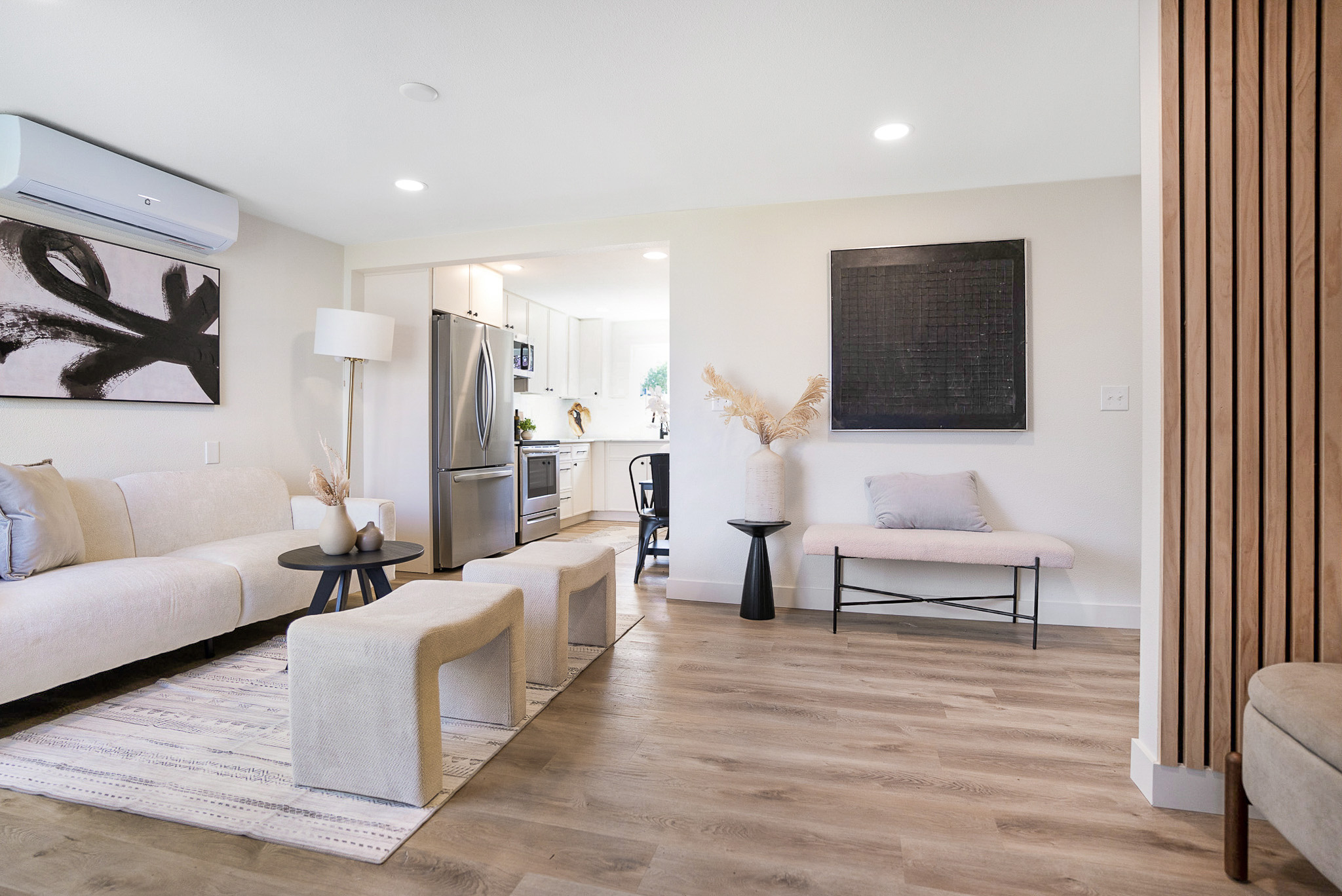
One of the clearest benefits of custom home builder versus production builder is the level of design freedom. Production builders typically offer a limited set of floor plans, exterior styles, and upgrade packages. That can be convenient, but it also means your home may look and function much like others in the same community.
A custom builder starts with your goals rather than a preset template. You can shape the home around how you live, whether that means a chef’s kitchen, dual home offices, a multigenerational suite, a wellness room, oversized windows, or seamless indoor-outdoor living. Instead of choosing from a narrow menu of options, you help create the plan itself.
This level of personalization is especially valuable for homeowners with specific tastes, family needs, or long-term plans. A custom home can reflect both your aesthetic and practical priorities in a way that production construction usually cannot.
Many homeowners also prefer a Design-build approach because it brings design and construction under one coordinated process. That can make it easier to align vision, feasibility, and budget from the beginning.
Better control over materials and finishes
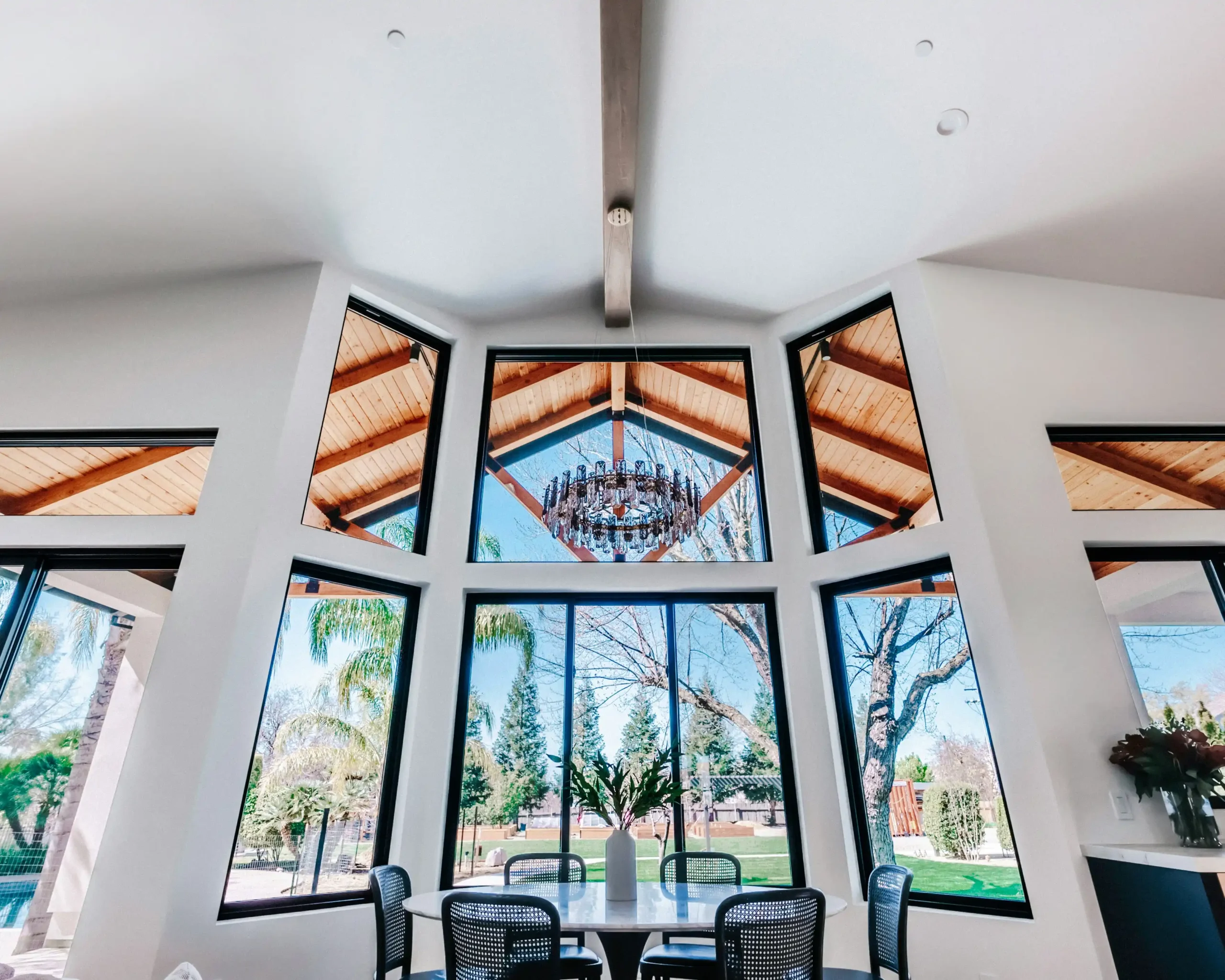
Another major point in the benefits of custom home builder versus production builder discussion is material selection. Production builders often work from predetermined supplier agreements and standard finish packages. Buyers may be able to choose from approved countertops, flooring, cabinetry, or fixtures, but the range is usually limited.
With a custom builder, you typically have much more control over what goes into the home. That includes:
- Flooring species and finish level
- Cabinet construction quality
- Countertop materials and edge details
- Window performance and style
- Appliance brands and kitchen layout choices
- Energy-efficient systems and insulation upgrades
- Lighting plans and specialty fixtures
This control matters because materials influence not just appearance, but durability, maintenance, comfort, and resale appeal. A custom process gives you the ability to prioritize what matters most to you rather than paying for bundled upgrades you may not want.
It also allows you to balance investment strategically. You may decide to splurge on high-use areas like the kitchen and primary bath while keeping secondary spaces simpler. That kind of targeted decision-making is harder in a production setting.
Lot-specific planning and layout flexibility
Production homes are usually designed to fit repeatedly on similar lots. That approach supports efficiency, but it may not take full advantage of a unique site. In contrast, one of the most practical benefits of custom home builder versus production builder is the ability to design specifically for the lot you own or want to purchase.
A custom builder can plan around topography, sunlight, views, privacy, mature trees, access points, and outdoor living goals. For example, a sloped lot might be ideal for a walkout lower level, while a narrow urban lot may call for a vertical layout with carefully placed windows and courtyards.
This lot-specific planning can improve both function and beauty. Rooms can be positioned to capture morning light, outdoor spaces can feel more private, and the home can sit naturally on the site instead of feeling forced onto it.
Layout flexibility also means you can create spaces that support the way you actually live today and in the future. Open entertaining areas, quiet retreats, aging-in-place features, flexible guest rooms, and storage built around your routines are all easier to achieve with a custom builder.
Quality control and craftsmanship
Quality is one of the most important factors when weighing the benefits of custom home builder versus production builder. Production builders often manage high volumes of homes at once, which can make consistency harder to maintain across every detail. Their processes are built for speed and scale.
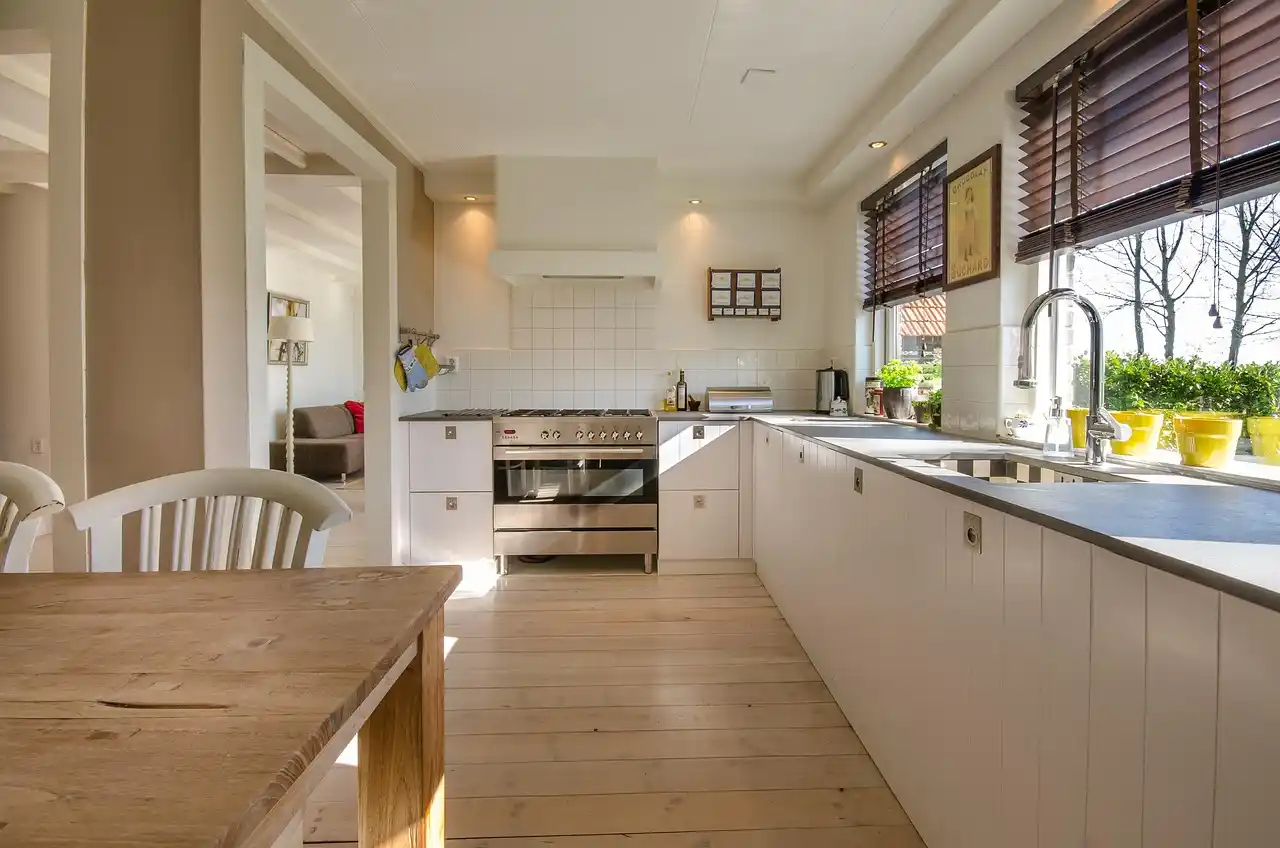
Custom builders usually take a more hands-on, detail-oriented approach. Because each project is unique, there is often greater focus on craftsmanship, fit and finish, coordination among trades, and solving issues before they become expensive problems.
That does not mean every custom home is automatically superior, but it does mean the process often allows for closer oversight and better communication. Homeowners may have more direct contact with the builder, more visibility into progress, and more opportunities to review workmanship throughout construction.
Strong quality control can affect everything from how cabinetry aligns to how trim meets corners, how tile is installed, and how well systems perform over time. These details influence not just appearance, but also maintenance demands and long-term satisfaction.
If you already own a home and are debating whether to rebuild, renovate, or expand, services like Home additions for personalized space and Luxury home remodeling can also provide a custom path without starting from scratch.
Budget transparency and value decisions
Budget is often where buyers assume production builders have the advantage, and in some cases they do. Standardized plans and repetitive processes can reduce base pricing. However, the full cost picture is not always as simple as it first appears.
Custom building can offer better budget clarity in a different way: it allows you to see where your money is going and make value-based decisions intentionally. Instead of selecting upgrades from a preset list, you can prioritize spending according to your goals.
A well-managed custom project often includes detailed conversations about allowances, specifications, selections, and tradeoffs. That can help you decide when to invest more and when to simplify. For homeowners focused on long-term livability, this flexibility can create better overall value.
Production builders may advertise attractive starting prices, but buyers should pay close attention to what is included versus what costs extra. Structural changes, premium lots, upgraded finishes, appliances, and landscape features can significantly affect the final number.
In many cases, the real question is not just which path costs less upfront, but which option delivers the best return on your priorities, design goals, and future use of the home.

Timeline differences to understand
Timeline is one area where production builders often have an edge. Because they use repeatable plans, established supplier systems, and standardized construction schedules, they can usually deliver homes faster than a custom builder.
Custom homes generally take longer because they involve more planning, more decisions, and more coordination. Site-specific engineering, permitting complexity, personalized design work, and custom materials can all extend the schedule.
That said, a longer timeline is not always a drawback if the result is a better-fitting home. It simply means homeowners should enter the process with realistic expectations.
Here is a simple comparison:
- Production builder: Faster process, less decision fatigue, limited customization
- Custom builder: Longer process, greater involvement, more tailored outcome
The best choice depends on whether speed or personalization matters more to you. If you need a home quickly and are comfortable with a standardized layout, production may work well. If you want the house to reflect your exact needs, custom is often worth the added time.
Who should choose a custom builder
A custom builder is often the best fit for homeowners who:
- Own a unique lot or want to build on private land
- Need a floor plan designed around specific routines or family needs
- Care deeply about materials, finishes, and architectural details
- Want more say in quality, layout, and functionality
- View the home as a long-term investment rather than a quick move-in solution
- Prefer collaboration throughout design and construction
By contrast, production building may be a better fit for buyers who prioritize convenience, quicker delivery, and a more structured selection process.
Ultimately, the benefits of custom home builder versus production builder are most compelling for people who want a home that is genuinely shaped around their life, land, and preferences. The added flexibility and control can lead to a more satisfying result and stronger long-term value.
FAQ
What is the difference between a custom home builder and a production builder?
A custom home builder designs and builds around your lot, lifestyle, and preferences, while a production builder usually offers preset floor plans, limited options, and a more standardized process focused on speed and efficiency.
Is a custom home builder more expensive than a production builder?
Not always. Custom homes often start higher because they are unique and may involve upgraded materials or site-specific work, but production homes can also become expensive once lot premiums, structural changes, and upgrades are added.
Do custom home builders offer more design flexibility than production builders?
Yes. One of the main benefits of custom home builder versus production builder is greater design freedom, including layout, room function, materials, finishes, and features tailored to how you live.
How do timelines compare between custom homes and production homes?
Production homes are usually faster because they use repeatable plans and established systems. Custom homes typically take longer due to personalized design, more decisions, site-specific planning, and permitting.
Can a custom builder help me choose the lot, materials, and finishes?
Yes. A custom builder can often guide lot selection and help you choose materials, finishes, systems, and layout details so the home fits both the site and your priorities.
Who should choose a custom home builder instead of a production builder?
A custom home builder is usually best for homeowners who want a home tailored to their land, routines, design preferences, and long-term goals, especially if they value quality, personalization, and direct involvement in decisions.