

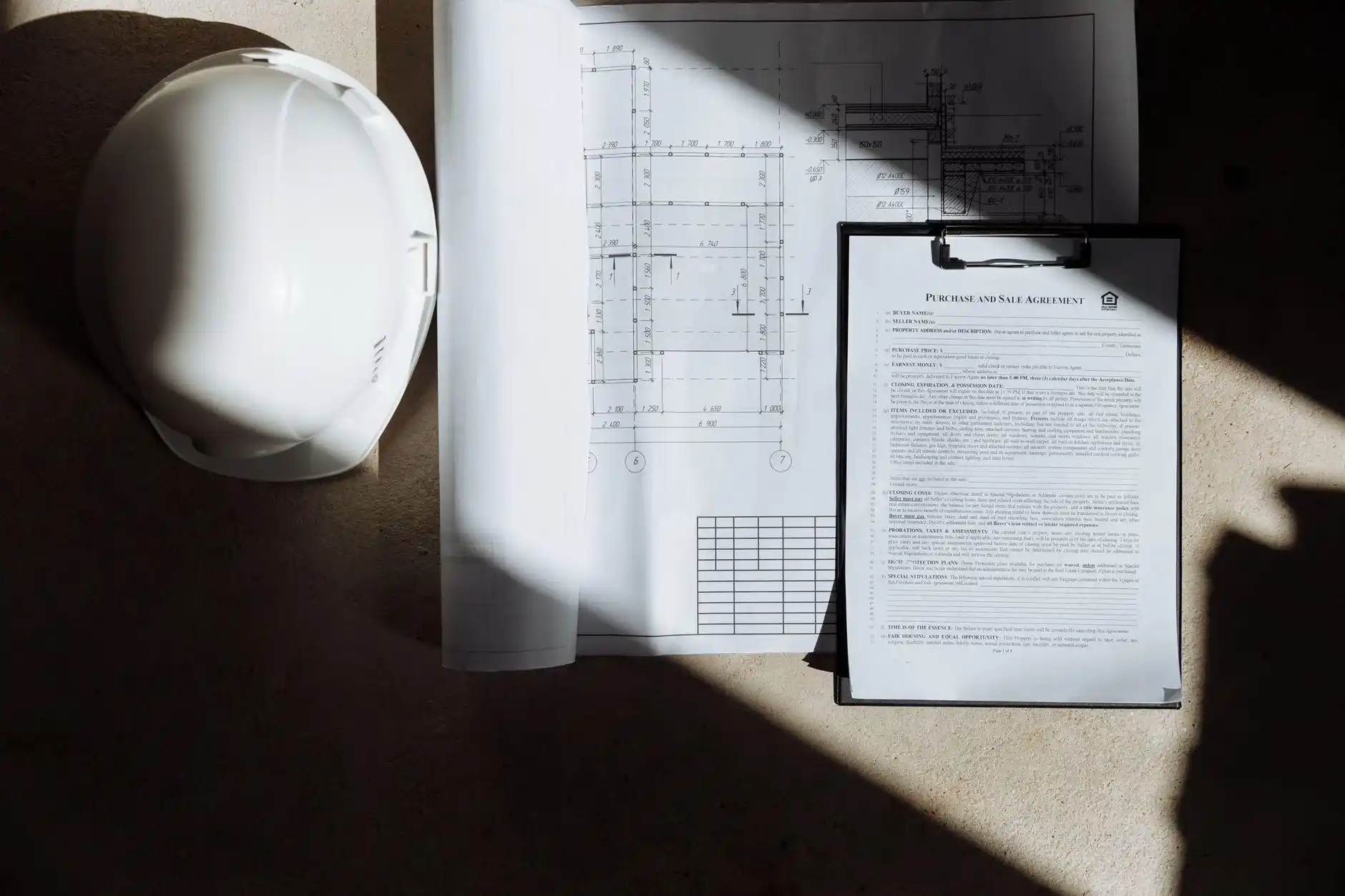
If you are asking what is a construction loan, the short answer is that it is a short-term loan used to pay for the cost of building a new home or completing a major residential construction project. Unlike a traditional mortgage that provides a lump sum at closing, a construction loan releases funds in stages as the work progresses. This type of financing is designed to match the realities of building, where labor, materials, permits, and inspections happen over time rather than all at once.
For homeowners planning a custom build, understanding what is a construction loan can make the financing process feel much more manageable. It helps to know how funds are distributed, what lenders review before approval, and how your builder’s plans and budget affect the loan. If you are comparing Home financing options, a construction loan may be the right fit when you are creating a home from the ground up instead of buying an existing property.

Construction loans explained in simple terms
A construction loan is a financing tool specifically built for new construction or major renovation work. Instead of giving the borrower the entire loan amount upfront, the lender approves a total budget and then pays out funds in scheduled portions called draws. These draws are tied to milestones in the project, such as site preparation, foundation work, framing, mechanical systems, and final finishes.
When people ask what is a construction loan, they often want to know how it differs from a standard home loan. The biggest difference is timing. A regular mortgage is based on a completed home with a known value. A construction loan is based on plans, specifications, projected costs, and the future value of the completed property.
Many borrowers use construction financing when pursuing Custom home building. Because every home and site can be different, the lender typically evaluates the full scope of the project before issuing approval.
How construction loan draws work
Draws are the staged disbursements that fund the build. Rather than handing over all the money at once, the lender releases funds as construction reaches defined phases. This protects both the borrower and the lender by making sure work is being completed before additional money is issued.
A typical draw schedule may include:
- Land preparation and permits
- Foundation completion
- Framing and roofing
- Electrical, plumbing, and HVAC rough-in
- Interior finishes, fixtures, and final completion
Before each draw is released, the lender may require an inspection or progress report. The inspector verifies that the work is complete and aligns with the approved plans and budget. This process helps keep the project accountable and reduces the chance of overspending early in the build.
If you want a clearer understanding of how milestones unfold, reviewing the Project process and phases can help connect the financing schedule to the actual construction timeline.

How interest, payments, and disbursements are handled during the build
One reason many borrowers ask what is a construction loan is because they want to understand the payment structure. During the construction period, borrowers often make interest-only payments based on the amount already disbursed, not the full approved loan amount. That means your payment may start lower and increase gradually as more draws are released.
For example, if only the foundation and framing stages have been funded, interest is generally charged only on those amounts. As the project continues and more funds are drawn, the interest payment adjusts accordingly.
Construction loans are usually short term, often lasting six to eighteen months depending on the project. At the end of the build, the loan may either be paid off or converted into a permanent mortgage, depending on the loan structure. Some borrowers use a one-time-close product that includes both construction and long-term financing, while others arrange separate loans.
Disbursements are usually sent directly to the builder, subcontractors, or title company, depending on the lender’s process. This creates a documented payment trail and helps ensure funds are used for approved construction expenses.
What lenders require before approval
Construction financing generally involves more review than a standard purchase loan. Since the home does not yet exist, the lender needs confidence in the borrower, the builder, and the project itself.
Common lender requirements include:
- Strong credit history and stable income
- A down payment or equity contribution
- Detailed building plans and specifications
- A signed construction contract
- A realistic line-item budget
- Builder credentials, licensing, and insurance
- Appraisal based on the proposed completed home value
Lenders may also review the land status. If you already own the lot, that equity can sometimes help satisfy part of the down payment requirement. If the lot is being purchased as part of the project, the financing structure may be more complex.
In simple terms, if you are wondering what is a construction loan, it is not just money for building. It is a carefully reviewed financial arrangement based on the projected success of the entire project.

Builder documentation and budgets
Your builder plays a major role in the approval process. Lenders usually want to see organized documentation that supports the project scope and cost. This often includes the construction agreement, plans, specifications, allowances, timeline, and a schedule of values breaking down expenses by category.
A complete budget should account for:
- Site work and utility connections
- Foundation and structural framing
- Roofing, windows, and exterior finishes
- Mechanical, electrical, and plumbing systems
- Insulation, drywall, flooring, and cabinetry
- Fixtures, appliances, and final detailing
- Permit fees, insurance, and contingency reserves
Accurate budgeting matters because underestimating costs can create major delays. If bids are incomplete or allowances are too low, the borrower may need to bring in extra cash later. A strong builder with transparent pricing can make the loan process smoother and more predictable.
Risks and common mistakes
Construction loans are useful, but they come with risks that borrowers should understand early. Delays, change orders, weather issues, permit problems, and rising material costs can all affect the budget and timeline.
Common mistakes include:
- Starting with incomplete plans
- Choosing a builder without verified experience
- Underestimating soft costs like permits and design fees
- Making too many design changes after approval
- Failing to keep a contingency fund
- Not understanding the draw and inspection process
Another risk is assuming every lender handles construction financing the same way. Terms, draw schedules, reserve requirements, and conversion options can vary significantly. Comparing Home financing options is one of the best ways to find a loan structure that matches your goals and timeline.

Preparing for the financing process
The best way to prepare is to organize your project before you apply. Lenders respond well to borrowers who have a clear plan, a qualified builder, and realistic expectations.
Helpful preparation steps include:
- Review your credit and debt-to-income profile
- Estimate your available down payment and reserves
- Select a builder with proven construction experience
- Finalize plans, finishes, and specifications as much as possible
- Ask for a detailed budget and proposed timeline
- Learn how inspections and draws will be managed
If you are early in the process, getting expert input can save time and prevent avoidable problems. You can Request financing guidance to better understand loan requirements, budget expectations, and the documents you may need before moving forward.
Ultimately, knowing what is a construction loan helps you approach the project with more confidence. It is not just about borrowing money. It is about coordinating financing with plans, builder performance, and the sequence of the build.
FAQ
What is a construction loan?
A construction loan is a short-term loan that pays for building a new home or major residential project, with funds released in stages as work is completed rather than as one lump sum.
How do construction loan draws work?
Construction loan draws are scheduled fund disbursements tied to project milestones such as foundation, framing, and finishes. Before each draw, the lender often requires an inspection or progress report to confirm the work is complete.
Do you make payments during construction?
Yes, in most cases you make interest-only payments during construction based on the amount that has already been disbursed, not the full approved loan amount.
What do lenders require to approve a construction loan?
Lenders typically look for strong credit and stable income, a down payment or equity contribution, detailed plans and specs, a signed construction contract, a realistic budget, builder credentials, and an appraisal based on the completed home’s projected value.
What documents do you need for a construction loan?
Common documents include building plans, specifications, a signed construction agreement, a line-item budget, project timeline, builder licensing and insurance, and information about the lot or land.
What are the risks of a construction loan?
The main risks include delays, cost overruns, change orders, permit issues, weather problems, and running short on cash if the budget or contingency reserve is too low.
How is a construction loan different from a traditional mortgage?
A traditional mortgage funds a completed home with a lump sum at closing, while a construction loan funds a home that is not yet built and releases money in draws based on plans, budget, and construction progress.