

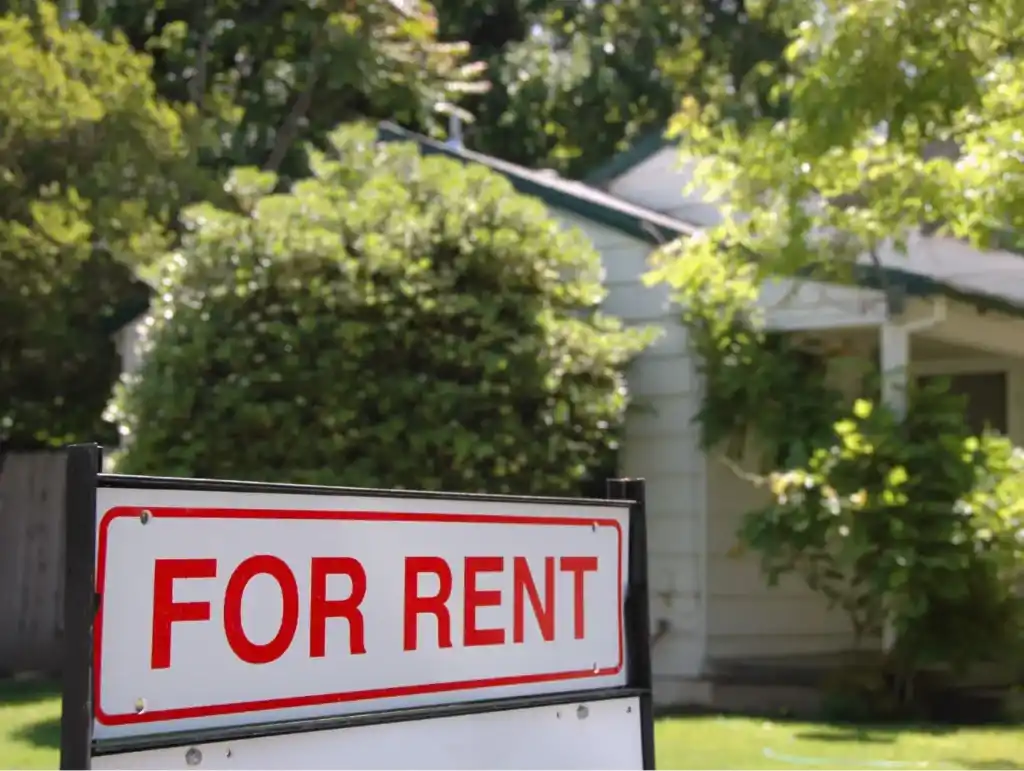
The right rent for a Seattle ADU comes from comparison, not from a formula. Find a handful of recently listed units that match yours on size, bedrooms, privacy and location, adjust for the features that differ, and choose a figure that draws qualified applicants within the first week or two of listing.
This article covers one decision: the number you put on the listing. For the wider question of whether a rental unit fits your plans, and how to design and manage one, see our guide to using an ADU for rental income in Seattle. Short-term and vacation rentals follow a separate set of city rules and are covered in their own article. Market rents move quickly, so this guide explains the method rather than quoting figures.
Start With the Unit, Not With What It Cost to Build
Your construction budget and loan payment matter to you, but a prospective tenant never sees them. Renters compare your unit with the other homes they could lease that month, and that comparison sets the ceiling.
Your break-even point still matters for planning. If honest comparables come in well below what you hoped for, revisit the layout, finish level or financing plan before construction starts.
Building a Comparable Set That Really Compares
Where to Find Useful Comparables
Start with current listings on the major rental sites, filtered to your neighborhood and to units of similar size. Watch how long each one stays up: a listing that disappears within days was priced right or low, while one that lingers for weeks was probably too high. Local property managers and neighbors who rent their own cottages can fill gaps.
Since July 31, 2025, Seattle has banned rent-setting software that generates rent recommendations from other rental properties’ data. Reviewing public listings yourself is the ordinary approach; before using any automated pricing tool, check that the city’s rule does not cover it.
What Counts as a True Match
The closest comparables are other detached cottages and in-house ADUs, not units in large apartment buildings, because tenants see them differently. Match on bedroom count first, then on approximate square footage, then on condition. A brand-new unit with new appliances and a heat pump competes in a different tier than an older basement apartment with low ceilings. Keep the search area tight; a few blocks closer to a light rail station or a busy commercial street can change what renters will pay.
Adjusting for the Features Tenants Pay Extra For
Once you have a comparable set, adjust up or down for each difference that matters to renters.
Private Entrance, Outdoor Space and Separation
A detached unit with its own entry, its own patch of yard and no shared walls is usually the strongest selling point an ADU has over an apartment. An attached unit with a shared side yard or a door near the main house’s living room rates lower.
Bedrooms and Layout
A second bedroom widens the pool to roommates, couples who work from home and small families. Two bedrooms on opposite ends of the unit, as in some of the plans in our comparison of small ADU floor plans, are worth more to roommates than two rooms sharing a wall.
In-Unit Laundry, a Parking Spot and Extra Storage
In-unit laundry is one of the features renters filter for first. Off-street parking matters in some neighborhoods and barely at all in others, so check how often your comparables mention it. A storage closet or a share of the garage is a small but real advantage.
Furnished or Unfurnished
Furnishing can justify a higher rent, but it narrows the pool, often shortens the average stay and adds replacement costs. Unfurnished units usually attract tenants who plan to stay longer. Choose based on the tenant you want, then price against comparables of the same type.
Deciding How Utilities Are Handled
How utilities are paid changes the effective rent. With its own electric meter, the ADU’s tenant can hold that account directly. If utilities are included, the rent must cover them through the dark, wet months, and you carry the risk of heavy use. A third option is a fixed monthly utility charge spelled out in the lease.
Whatever you choose, state it clearly in the listing. Two units with the same posted rent are not the same price if one includes water, sewer, garbage and electricity and the other does not.
Neighborhood, Transit and Everyday Convenience
Within Seattle, rent tracks access. Short walks to light rail, frequent bus lines, groceries and job centers support higher rents, and units near the University of Washington follow the academic calendar. A quiet street with easy parking appeals to a different renter than a lively block near restaurants, so describe the location honestly.
When You List Matters Almost as Much as the Number
Seattle rental demand is generally stronger in late spring and summer than in the middle of winter. If your ADU will be finished in November, it may take longer to lease at the same rent than one finished in May. You cannot always control completion, but our realistic ADU timeline helps you estimate when the unit will be ready so you can plan the listing.
Treat the first week or two as a price test. Steady inquiries and showings from applicants who meet your criteria mean the rent is close. Very little response means it is high, and one clear adjustment usually works better than several small cuts. A flood of applications within a day often means it is low.
Screening Criteria Are Part of the Pricing Decision
A reliable tenant who renews for several years is usually worth more than a slightly higher rent paid by someone who leaves after one, because every turnover brings cleaning, repairs, showings and often weeks without rent.
In Seattle, your screening approach has to be settled before the listing goes live. The city’s First-in-Time rules require landlords to provide advance notice of their minimum screening criteria and to screen completed applications in the order they are received. That means you choose the tenant profile through your written criteria and your rent, not by comparing applicants side by side afterward. Some situations may fall outside these rules, so confirm whether they apply to your property.
Seattle and Washington Rules That Affect Your Starting Rent
Several rules make the first rent you choose stick longer than many owners expect. The following points reflect city and state guidance as of this writing; review Seattle’s current rental rules before you list.
Seattle requires at least 180 days’ advance written notice for any housing cost increase, including rent.
Washington law limits annual rent increases for many tenancies and bars increases during the first 12 months of a tenancy. Exemptions include units whose first certificate of occupancy was issued 12 or fewer years before the increase notice, and some owner-occupied properties, so a newly built ADU may be exempt; confirm before relying on it.
In Seattle, an increase of 10 percent or more within a 12-month period can trigger Economic Displacement Relocation Assistance obligations.
Seattle caps the security deposit and move-in fees combined at one month’s rent, so a large deposit cannot make up for a low rent.
Once you have a tenant, the unit must be registered with the city’s Rental Registration and Inspection Ordinance program.
The practical lesson: pricing low with a plan to raise the rent soon afterward is harder than it sounds. Set the rent you can defend from day one.
A Repeatable Pricing Routine
Collect five to eight comparables of the same unit type nearby, noting size, bedrooms, utilities, laundry, parking and days listed.
Adjust each one up or down for the features your ADU has or lacks.
Pick a figure near the middle of the adjusted range unless your unit is clearly newer or more private.
Write your screening criteria, list with good photos, and review the response after one to two weeks.
If you are still choosing a design, browse the ADU and DADU packages with your likely tenant in mind. Bedroom count, laundry and the entry location are far easier to get right on paper than to change later.
FAQ
Should I charge less if I live in the main house next door?
Not automatically. Some owners accept a modest discount in exchange for a careful, long-term tenant, but living on site is not something renters expect a discount for. Price from comparables first.
How often should I review the rent on an occupied ADU?
Start the review seven to eight months before a lease renewal. That leaves time to check current comparables and still give the 180 days of written notice Seattle requires before an increase takes effect.
Can I include utilities in the rent and still come out ahead?
Yes, if you price them in realistically. Look at a full year of utility bills, including winter heating, and add a cushion. Separate metering or a fixed utility charge in the lease reduces the risk of a tenant with unusually high use.
Does a newly built ADU rent for more than an older basement apartment?
Usually, yes. Modern appliances, better insulation and efficient heating are features renters notice. Compare against other newer units where you can, not against the oldest listings nearby.
What should I do if nobody applies in the first two weeks?
Check the listing before the price. Weak photos, missing details about utilities or laundry, or unclear screening criteria can slow interest. If the listing is strong and response is still thin, make one clear rent adjustment and relist.