

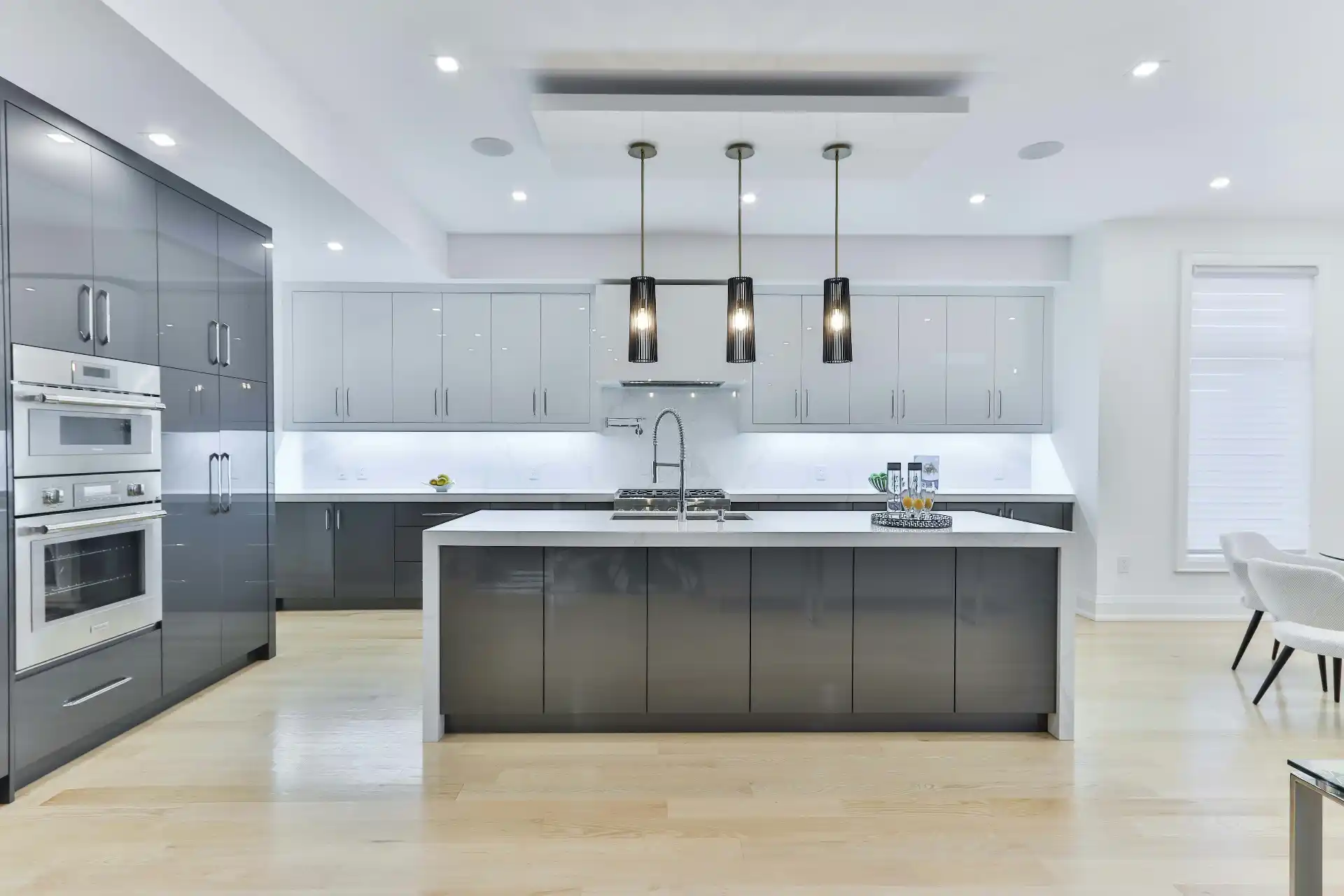
Kitchen cabinets are often described in three broad categories: stock, semi-custom, and custom.
The names sound like quality grades.
They are really levels of flexibility.
A well-made stock cabinet can be a better product than a poorly built custom cabinet.
A semi-custom line can provide nearly everything one kitchen needs.
A true custom cabinet shop can solve dimensions and architectural details that catalog products cannot.
The right category depends on the room, design, budget, timeline, and expectations.

Start With the Layout
Cabinet quality does not rescue a poor floor plan.
Before comparing manufacturers, determine:
– cabinet runs;
– appliance sizes;
– island dimensions;
– pantry strategy;
– ceiling height;
– window locations;
– and circulation.
The Kitchen Layout Guide and Kitchen Island Size Guide should come before final cabinet pricing.
Once the dimensions are known, the design team can see which cabinet category fits without excessive fillers or compromises.
What Are Stock Cabinets?
Stock cabinets are manufactured in predefined sizes, door styles, finishes, and configurations.
Advantages:
– typically lower cost;
– faster availability;
– standardized product;
– easier replacement of common components;
– and efficient for straightforward layouts.
Limitations:
– fewer size increments;
– fewer finish choices;
– less flexibility for unusual walls;
– limited specialty storage;
– and more reliance on fillers or trim to fit nonstandard rooms.
Stock cabinets can be an excellent choice for:
– rental properties;
– budget-conscious remodels;
– simple kitchens;
– ADUs;
– or rooms with conventional dimensions.
The mistake is assuming “stock” automatically means cheap construction.
Review the actual cabinet specifications.
What Are Semi-Custom Cabinets?
Semi-custom cabinets begin with a manufactured product line but allow more modifications.
Depending on manufacturer, options can include:
– more width and height choices;
– depth changes;
– expanded door styles;
– more finishes;
– interior accessories;
– decorative panels;
– larger pantry options;
– and selected dimensional modifications.
This category often provides a strong balance for mid- to high-end remodeling.
The homeowner gets more design freedom without commissioning every cabinet from scratch.
For many kitchens, semi-custom is the practical middle ground.
What Are Custom Cabinets?
Custom cabinetry is built specifically for the project.
The cabinetmaker can design around:
– unusual dimensions;
– historic architecture;
– sloped ceilings;
– highly specific storage;
– inset doors;
– integrated furniture details;
– specialty woods;
– custom finishes;
– unusual islands;
– or full-height architectural millwork.
The primary advantage is not luxury branding.
It is control.
A custom shop can make a 17-3/8-inch cabinet because the room actually needs one.
That flexibility is valuable in older Seattle homes where walls may be out of square and dimensions may not align with standard modules.
Custom does not eliminate the need for field verification.
It makes accurate field verification even more important.
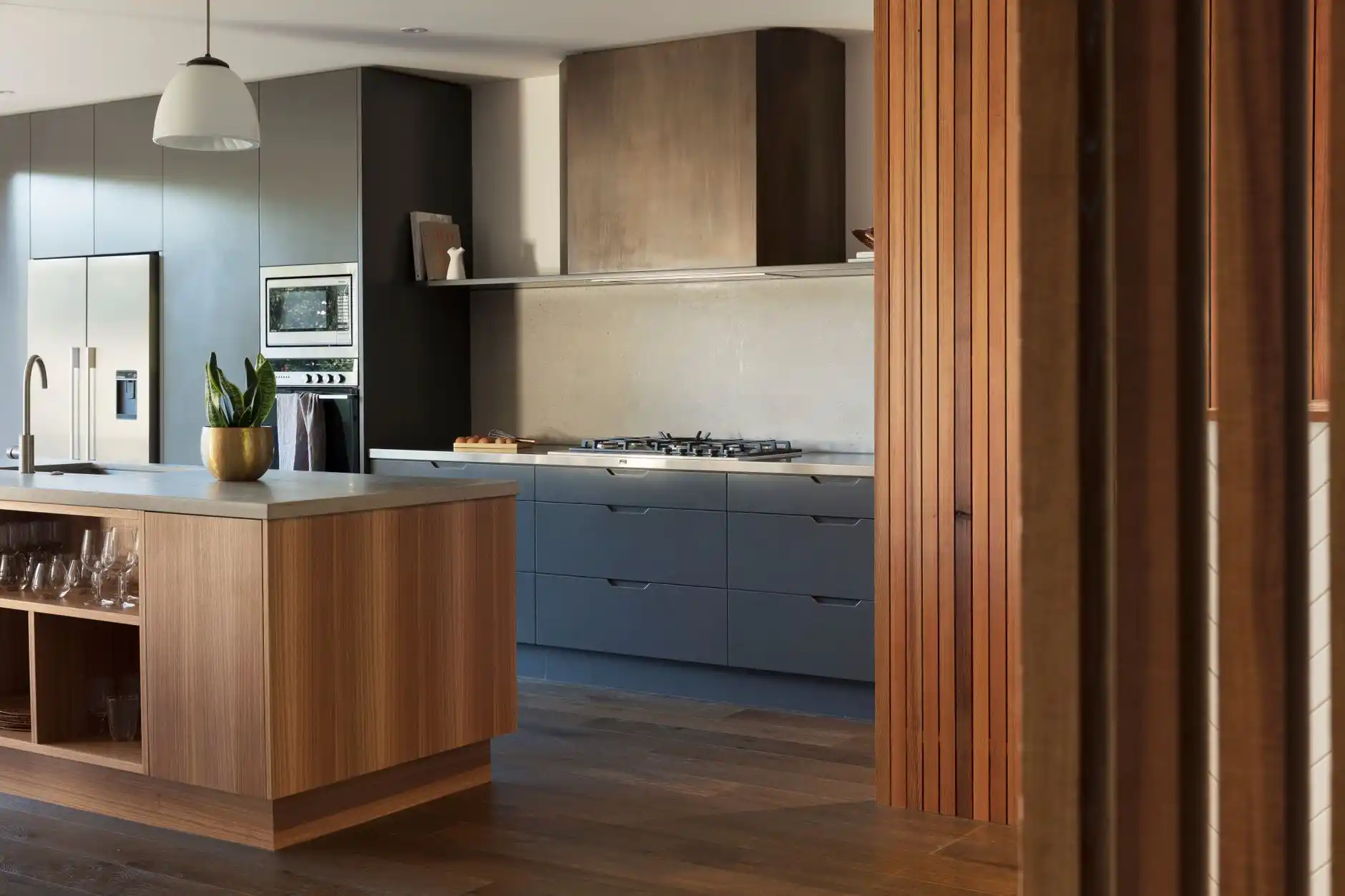
Construction Quality: Look Beyond the Category
Compare:
– cabinet-box material;
– thickness;
– back construction;
– joinery;
– drawer-box material;
– drawer slides;
– hinge quality;
– shelf thickness;
– finish durability;
– warranty;
– and installation system.
Terms such as “all wood” can be misleading without detailed specifications.
Plywood, MDF, particleboard, solid wood, and engineered materials each can have appropriate uses.
For example, MDF can provide a stable substrate for painted doors.
Solid wood moves with humidity.
Plywood can be strong and dimensionally stable.
The design should match material to application rather than assuming one material is always superior.
Lead Times
Lead times vary by manufacturer, season, supply chain, finish, and project complexity.
Stock cabinets may be available relatively quickly.
Semi-custom lines often require several weeks.
Custom cabinetry can require a longer design, approval, fabrication, finishing, and delivery cycle.
The important project-management step is ordering based on the construction schedule.
Cabinetry often controls:
– countertop templating;
– appliance installation;
– backsplash;
– finish plumbing;
– and final electrical work.
A late cabinet order can therefore delay several later trades.
United Signature’s article on Material Costs & Lead Times should be used when procurement timing matters.
Cost Differences
Stock is generally the lowest-cost category.
Semi-custom usually occupies the middle.
Custom typically costs the most.
But cabinet count, door style, finish, accessories, installation, and modifications can blur the categories.
A premium stock or semi-custom kitchen can cost more than a simple local custom cabinet package.
Compare complete installed scopes.
Do not compare one manufacturer’s cabinet-only price against another quote that includes panels, fillers, crown, hardware, delivery, and installation.
The Kitchen Remodel Cost Guide should be used to place cabinetry inside the full room budget.
When Refacing May Be Better Than Any New Cabinet Category
If the existing boxes and layout are excellent, new cabinets may be unnecessary.
Before selecting stock versus custom, review Kitchen Cabinet Refacing vs Replacement: Which Makes More Sense?.
If the project can preserve good cabinetry, refacing may deliver the desired result with less demolition.
If the room needs major functional change, replacement is more likely to make sense.
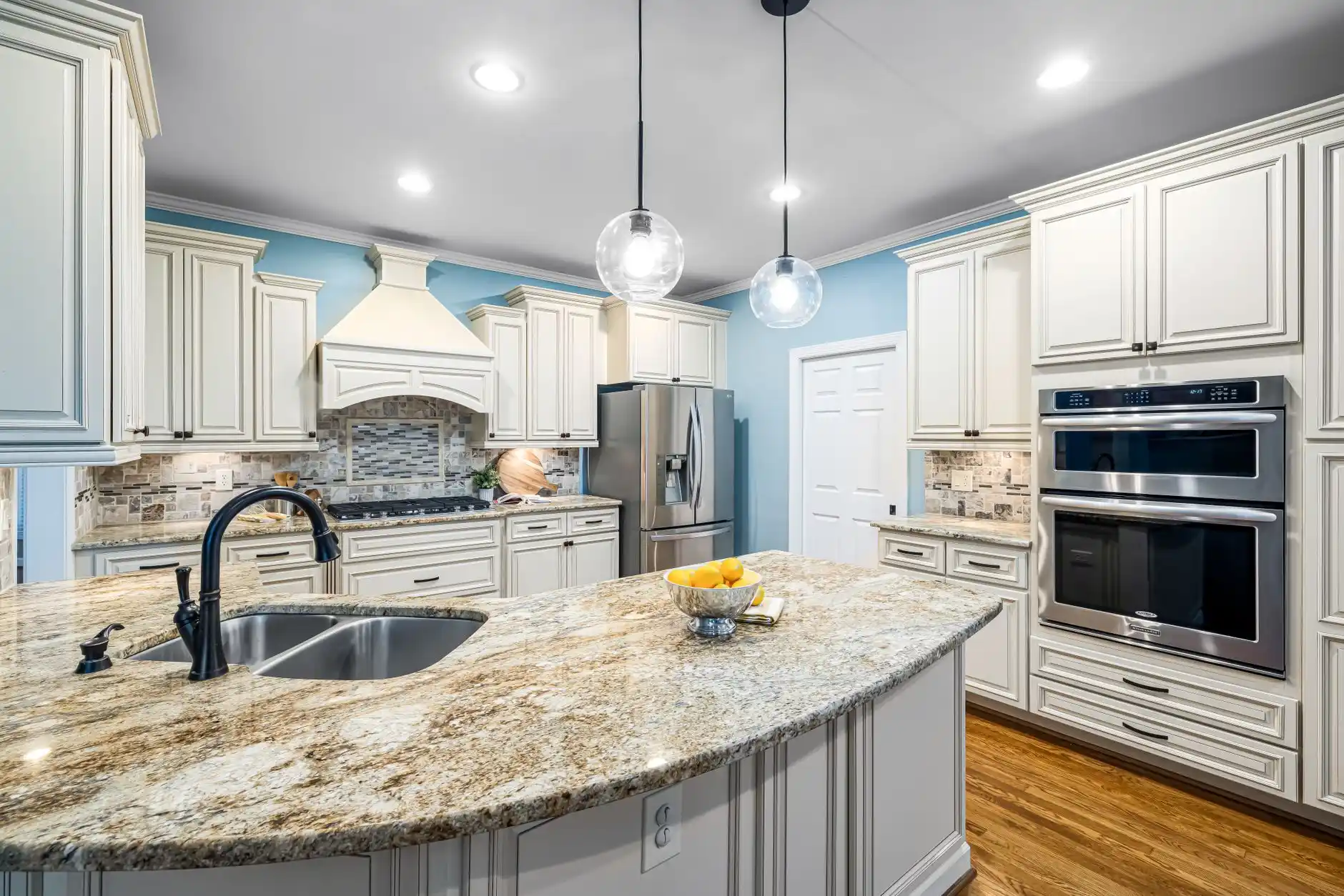
Semi-Custom Is Often the Sweet Spot
Many residential kitchens need more flexibility than basic stock sizes but do not require a fully custom shop.
Semi-custom can often provide:
– better cabinet height options;
– useful width increments;
– more finish choices;
– pantry cabinets;
– panel-ready appliance options;
– and storage accessories.
That can create a highly tailored kitchen without true custom fabrication.
The key is selecting a line whose modification options match the room.
When Custom Is Worth the Premium
Custom cabinetry makes the strongest case when:
– architecture is unusual;
– dimensions are nonstandard;
– homeowner wants inset or furniture-style details;
– storage needs are highly specific;
– ceiling integration is important;
– historic character needs matching;
– or the kitchen is part of a premium whole-home remodel.
The value comes from solving design constraints.
If standard cabinet sizes already fit perfectly, custom may add cost without a meaningful functional benefit.
Installation Matters as Much as the Cabinet
Good cabinetry can look poor when installed badly.
Walls and floors are rarely perfectly level.
The installer may need to scribe fillers, level bases, align doors, integrate panels, and coordinate appliances.
A custom refrigerator panel that is three millimeters out of alignment can be visually obvious.
Budget for professional installation rather than treating cabinets as furniture that is simply placed against the wall.
Older Homes Need More Field Measurement
In an older house, walls may not be square.
Ceilings may slope.
Floors may vary in level.
Window openings may be irregular.
This makes early cabinet ordering risky if demolition will change the field dimensions.
For complex remodels, confirm when final cabinet measurements should occur.
The sequencing in In What Order Should You Renovate a House? helps avoid ordering cabinetry from dimensions that later change during structural work.
FAQ
Are custom cabinets always better quality?
No. “Custom” describes how the cabinets are made for the project. Construction quality depends on materials, joinery, finish, hardware, and workmanship.
Are semi-custom cabinets worth it?
Often, especially when the kitchen needs dimensional flexibility and more finish options than stock lines provide.
How long do custom cabinets take?
Lead time varies by shop and project. Custom work commonly requires more design and fabrication time than stock products.
What cabinets are best for an ADU?
Stock or semi-custom cabinetry often works well when the layout uses standard dimensions and cost control is important.
Should cabinets go to the ceiling?
It depends on ceiling height, room proportions, storage needs, crown details, and budget. Full-height cabinets can provide more storage but may require more custom fitting.