

Finding knob-and-tube wiring does not automatically mean an older house is about to fail electrically.
It does mean the remodel should stop treating the electrical system as an invisible background condition.
Knob-and-tube wiring was used in many older homes and can still exist in portions of a property even after later electrical upgrades.
A house may have a modern service panel, newer kitchen circuits, and old wiring serving bedrooms or lighting.

The practical remodel question is not simply “Is knob-and-tube old?”
It is:
What condition is it in, what will the remodel disturb, what new loads are being added, and is this the best opportunity to replace accessible portions?
Start With an Electrical Evaluation
Do not make the replacement decision from a visual sighting in one wall.
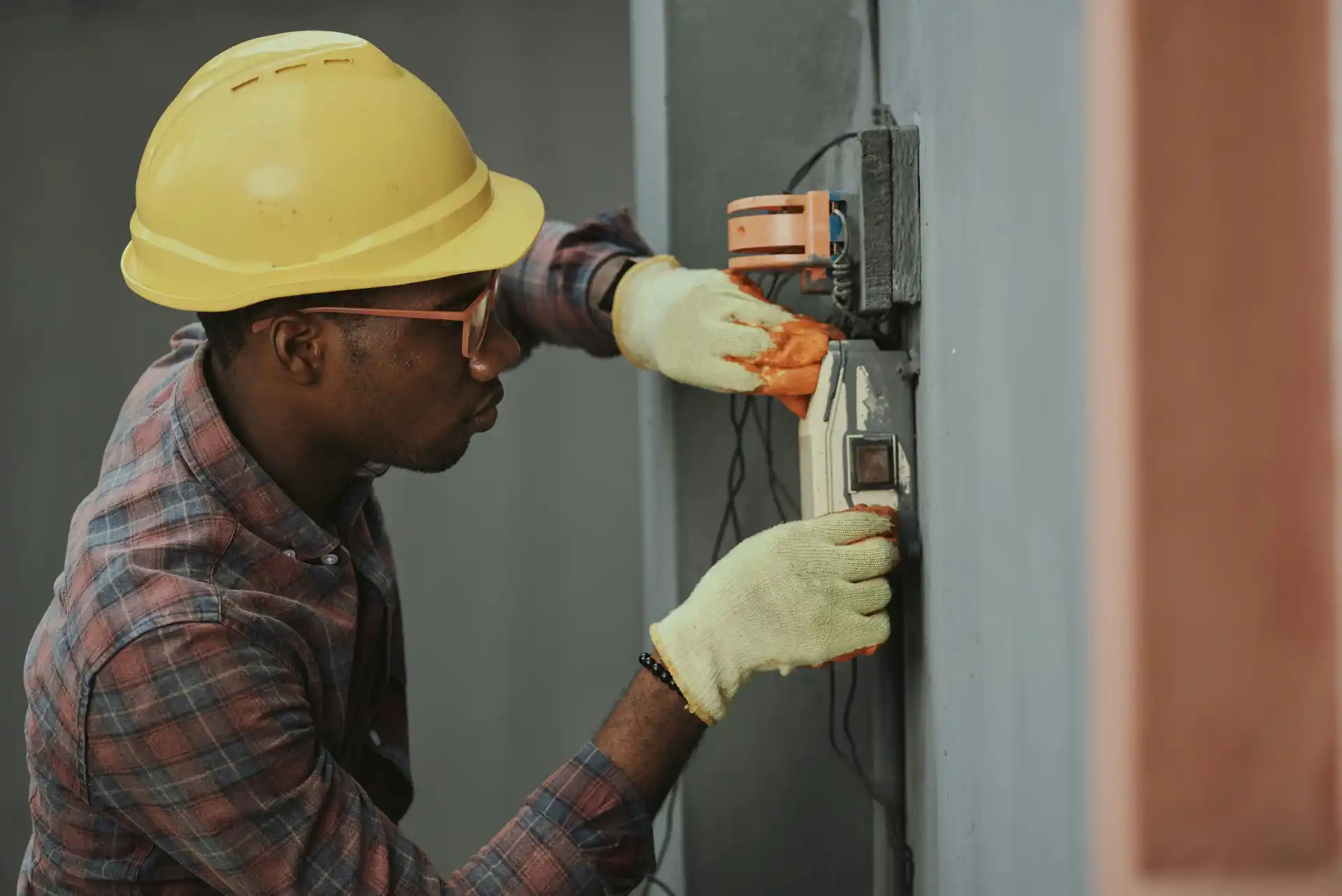
A licensed electrical contractor should evaluate the actual system.
Important questions include:
– How much knob-and-tube remains?
– Which circuits does it serve?
– Has it been modified?
– Is insulation surrounding it?
– Are splices accessible and appropriate?
– Does the existing panel have enough capacity?
– Will the remodel expose the wiring anyway?
– Are new circuits needed for the remodeled spaces?
This turns “old wiring” into a defined scope.
The broader hidden-condition context is discussed in Hidden Problems in Older Seattle Homes That Can Change a Remodel Budget.
Why a Remodel Changes the Economics of Rewiring
Rewiring an intact finished house can require significant access work.
Walls and ceilings may need openings.
Trim can be disturbed.
Paint and drywall need repair.
During a major remodel, many of those surfaces are already open.
That can reduce the incremental cost of replacing old wiring in affected areas.
This is one of the strongest arguments for addressing known electrical issues during construction rather than closing the walls and returning two years later.
The same logic appears in What Should You Remodel First in an Older House?: hidden systems should be evaluated before expensive finishes cover them.
A New Panel Does Not Mean the Whole House Is Rewired
Homeowners sometimes see a modern breaker panel and assume all wiring is modern.
That is not necessarily true.
A service or panel can be upgraded while existing branch circuits remain.
The project team should identify which circuits are actually being retained.
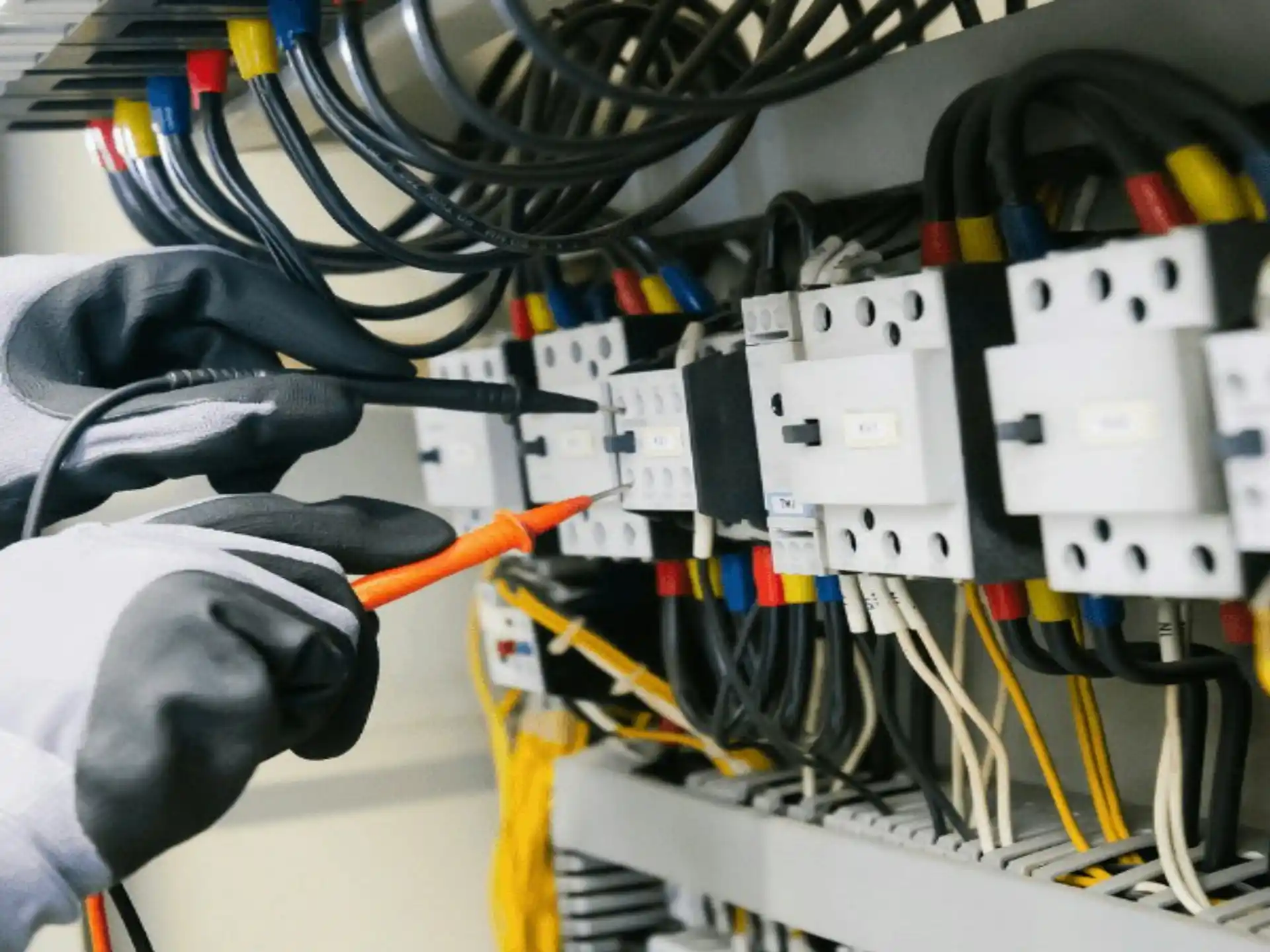
If the remodel includes a kitchen, new bathroom, heat pump, induction range, EV charger, or other substantial loads, the electrical strategy should consider the whole service and branch-circuit system.
The later article on electrical-panel upgrades will build on this point.
Do Not Add New Loads to Old Circuits Without Evaluation
Modern houses use more electrical equipment than older homes were designed around.
A remodel may introduce:
– more lighting;
– receptacles;
– office equipment;
– kitchen appliances;
– bathroom equipment;
– heating or cooling;
– laundry equipment;
– and entertainment systems.
New loads should be designed on appropriate circuits.
Do not treat existing knob-and-tube circuits as convenient places to extend modern remodeling work without professional evaluation.
Seattle requires an electrical permit when electrical wiring is installed, altered, extended, or connected to electrical equipment.
That permit requirement is covered in Seattle Remodel Permit Checklist.
What About Insulation Around Knob-and-Tube Wiring?
This is one reason old-house energy upgrades and electrical planning need coordination.
Knob-and-tube systems were designed differently from modern cable systems.
Adding insulation around existing old wiring can change thermal conditions and create code or safety concerns.
Before insulating walls or attics that contain knob-and-tube wiring, have the electrical condition evaluated.
Do not let the insulation contractor and electrician discover the conflict after materials are installed.
This is a classic whole-home sequencing issue.
Can You Leave Some Knob-and-Tube in Place?
Possibly, depending on condition, local requirements, insurance considerations, and how much the current project affects the system.
A remodel does not necessarily require every inaccessible old wire in the entire house to be replaced simply because one portion is exposed.
But leaving old wiring in place should be an informed decision.
Ask:
– Is it serving critical new loads?
– Is it in good condition?
– Is it being disturbed?
– Will it become much harder to access after this project?
– Is future insulation planned?
– Does the homeowner expect another remodel soon?
If the answer suggests future access will be expensive, replacement now may make more sense.
Insurance and Financing Can Matter
Some insurers and lenders may have their own underwriting concerns about older electrical systems.
Those policies vary.
A remodeling contractor should not promise that a specific insurer will accept or reject a house solely based on knob-and-tube wiring.
Homeowners should confirm requirements directly with their insurer or lender.
This is another reason to document electrical upgrades clearly.
Can Knob-and-Tube Be Connected to New Wiring?
Transitions between old and new systems are electrical-design questions.
A licensed electrician should determine what is permitted and appropriate for the actual installation.
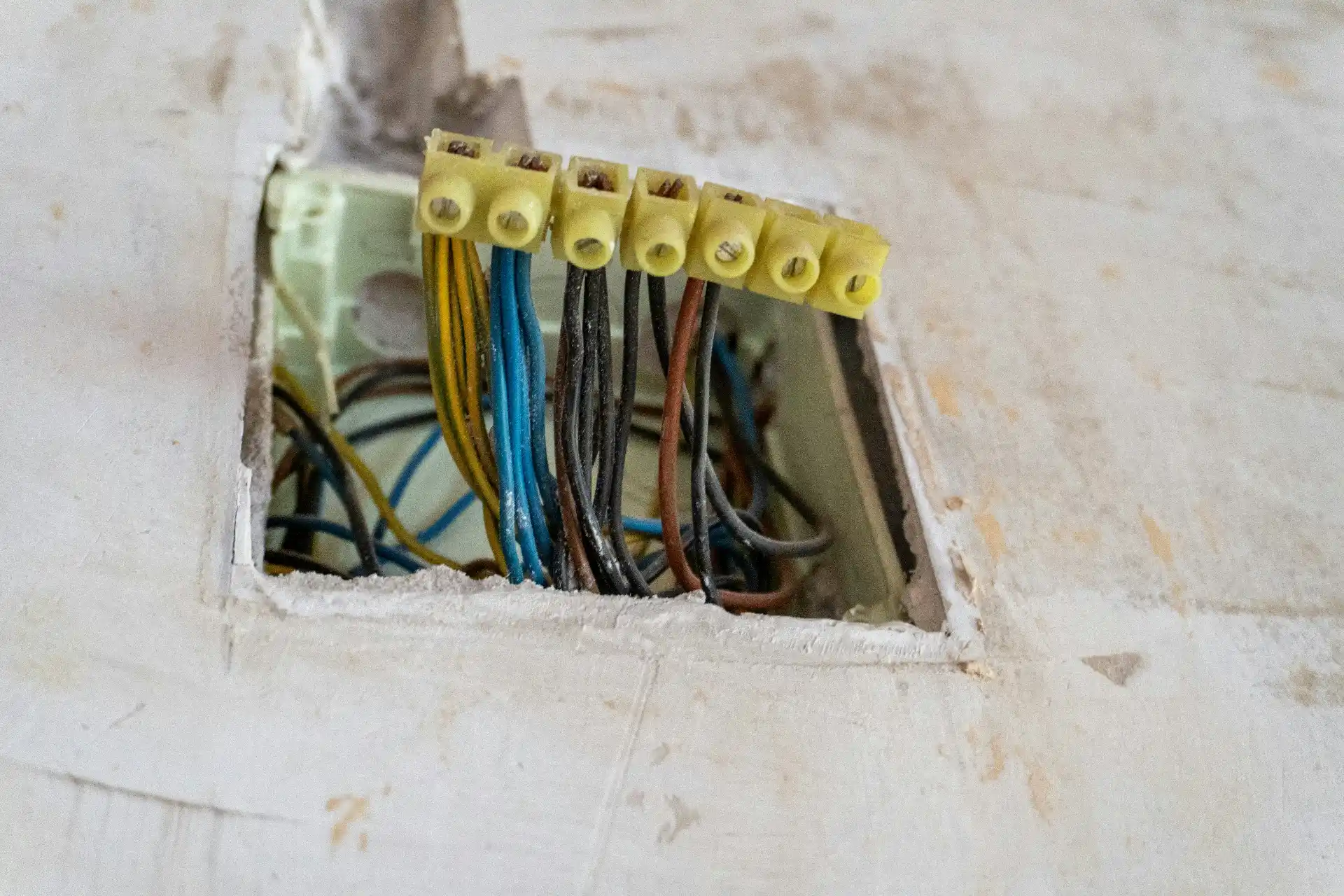
The homeowner should not use the remodel as an opportunity for improvised splicing inside walls.
If new work is being performed, the permitted electrical scope should be designed and inspected properly.
Seattle’s electrical inspection process typically includes cover, service where applicable, and final inspections.
Do not cover new wiring before the required inspection.
How Much Does Replacing Knob-and-Tube Cost?
There is no useful flat price.
Cost depends on:
– how much wiring remains;
– number of circuits;
– access;
– number of stories;
– plaster versus drywall;
– attic and basement access;
– panel condition;
– occupied versus vacant home;
– and how much wall repair is already included in the remodel.
A partial replacement during an open-wall remodel may be dramatically more economical than a whole-house rewire after finishes are restored.
The project should separate electrical work from finish repair so the homeowner can see where the cost is coming from.
Should You Replace It During a Whole-House Remodel?
This is the strongest case for comprehensive evaluation.
If most walls are opening, the electrical system is already being redesigned, and the project is expected to last decades, leaving large amounts of inaccessible legacy wiring may not align with the purpose of the remodel.
That does not mean “replace everything no matter what.”
It means the cost of access is already being paid.
The decision should be made before drywall closes.
The project type described in Cosmetic vs Structural Remodel often determines how much electrical access is available.
What About a Kitchen-Only Remodel?
A kitchen generally requires substantial modern electrical work regardless of the rest of the house.
The kitchen circuits should be designed to current project requirements.
If knob-and-tube wiring is discovered in walls being opened, evaluate whether it serves adjacent areas and whether replacement can be extended logically while access exists.
Do not automatically turn a kitchen project into a whole-house rewire.
Do not automatically ignore the old wiring either.
Evaluate the marginal cost and long-term value.
A Practical Decision Framework
Replace more of the old wiring now when:
– walls are already open;
– the existing wiring is in questionable condition;
– new loads are significant;
– future insulation will affect the same areas;
– the panel/service strategy is changing;
– or future access will be difficult.
Consider retaining unaffected portions when:
– they are outside the remodel;
– condition has been professionally evaluated;
– no new loads are being added to them;
– they remain accessible for future work;
– and the project scope does not justify opening finished areas solely for replacement.
The electrician, permit requirements, homeowner’s long-term plan, and insurance situation should all be part of the decision.
FAQ
Is knob-and-tube wiring illegal in Seattle?
The existence of older wiring is not the same as performing new unpermitted work. The actual system must be evaluated, and new electrical work must comply with current permitting and code requirements.
Do I have to rewire the whole house during a remodel?
Not automatically. Scope depends on the condition of the existing wiring, areas being disturbed, new loads, and applicable requirements.
Can insulation be installed over knob-and-tube wiring?
This requires professional evaluation and compliance with applicable code. Do not insulate around old wiring without addressing the electrical condition first.
Is it cheaper to rewire while walls are open?
Usually access is easier and finish-repair cost can be reduced when demolition is already part of the remodel.
Does replacing the panel replace knob-and-tube wiring?
No. A panel upgrade and branch-circuit rewiring are separate scopes.