

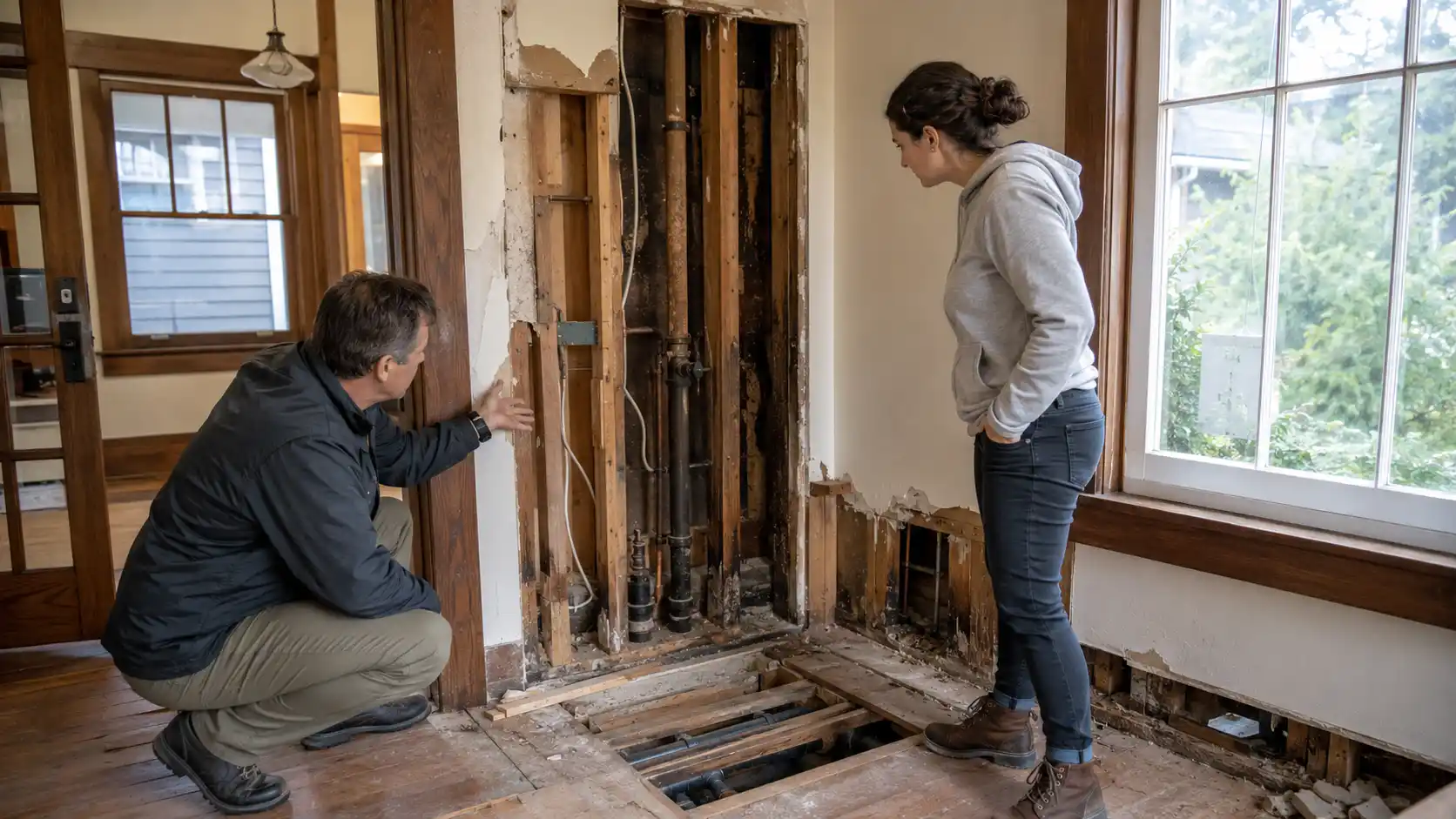
Older Seattle homes can be excellent remodeling candidates. Many have strong neighborhoods, useful proportions, mature landscaping, and architectural details that are difficult to reproduce economically in new construction.
They also come with one important reality: the finished surfaces may hide decades of repairs, modifications, moisture exposure, and building systems from different eras.
A responsible remodel budget does not assume that every older home contains a disaster. It simply recognizes that uncertainty has a cost.
That is why the early planning range in How Much Does a Whole House Remodel Cost in Seattle? should be adjusted for the condition and age of the specific property.
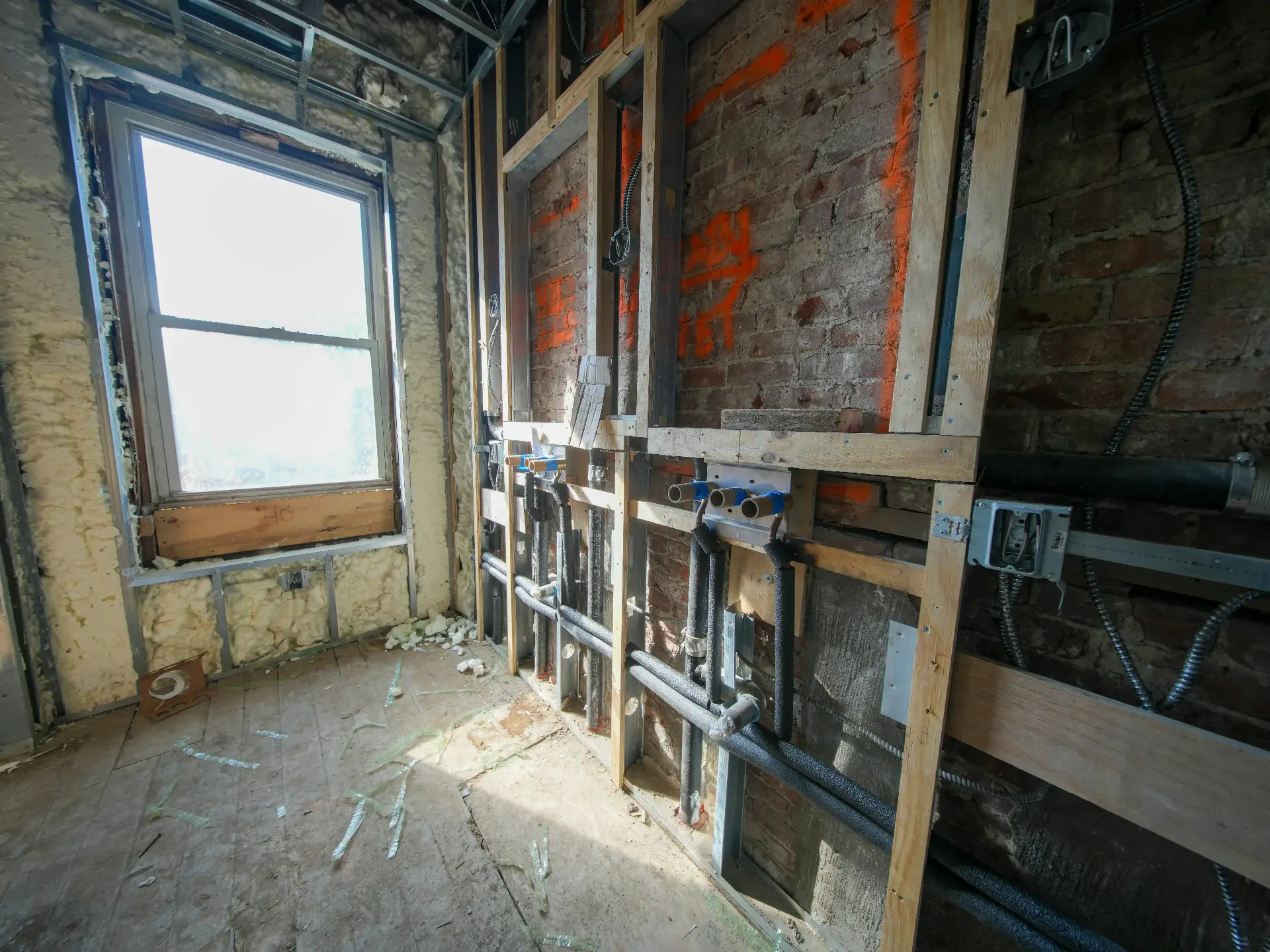
Old Electrical Systems and Layered Electrical Work
Electrical issues are common in older housing because homes change use over time.
A house may have original wiring in one area, later wiring in an addition, newer circuits in a remodeled kitchen, and undocumented work from a previous owner. Even when the system functions, it may not be well suited to modern loads.
A major remodel can reveal undersized panels, limited circuits, obsolete wiring methods, ungrounded outlets, crowded junction boxes, or wiring that was extended in ways that make future work difficult.
The cost impact is not only the electrical work itself. New circuits may require wall access, panel changes, drywall repair, inspections, and coordination with cabinets, lighting, appliances, and HVAC equipment.
Old Plumbing Materials and Restricted Flow
Older homes may contain a mixture of galvanized steel, copper, cast iron, modern plastic piping, and repairs from different decades.
Galvanized supply piping can corrode internally and reduce flow. Old drain lines may be partially deteriorated or poorly configured. Cast iron can remain serviceable for a long time, but age, corrosion, and hidden leaks matter.
A kitchen or bathroom remodel often creates a decision point: connect new fixtures to old piping, or replace more of the system while the walls are already open.
There is no universal answer. But it is usually cheaper to make that decision before new tile, cabinets, and drywall cover the area.
Moisture, Rot, and Insect Damage
Seattle’s wet climate makes moisture investigation especially important.
Damage may occur around windows, doors, roof transitions, decks, exterior stairs, plumbing penetrations, poorly ventilated bathrooms, and foundations.
The visible symptom can be small while the concealed damage is larger. A soft window sill may lead to damaged sheathing. A minor shower leak may have affected subfloor framing. A basement smell may point to drainage or vapor problems rather than a simple need for new flooring.
Moisture problems should be corrected at the source. Covering damaged material without fixing how water gets there is not a remodel; it is a temporary cosmetic repair.
Foundation and Framing Conditions
Cracks do not automatically mean a foundation is failing, and uneven floors do not automatically mean a house is unsafe.
Older houses move. Materials shrink. Foundations settle. Framing was sometimes built differently than modern expectations.
The important question is whether the condition is stable and whether the remodel is changing the load path.
If walls are being removed, openings enlarged, a second story added, or damaged framing uncovered, structural evaluation may become necessary. That is one reason a whole-house sequence should include investigation before finish work, as described in In What Order Should You Renovate a House?.
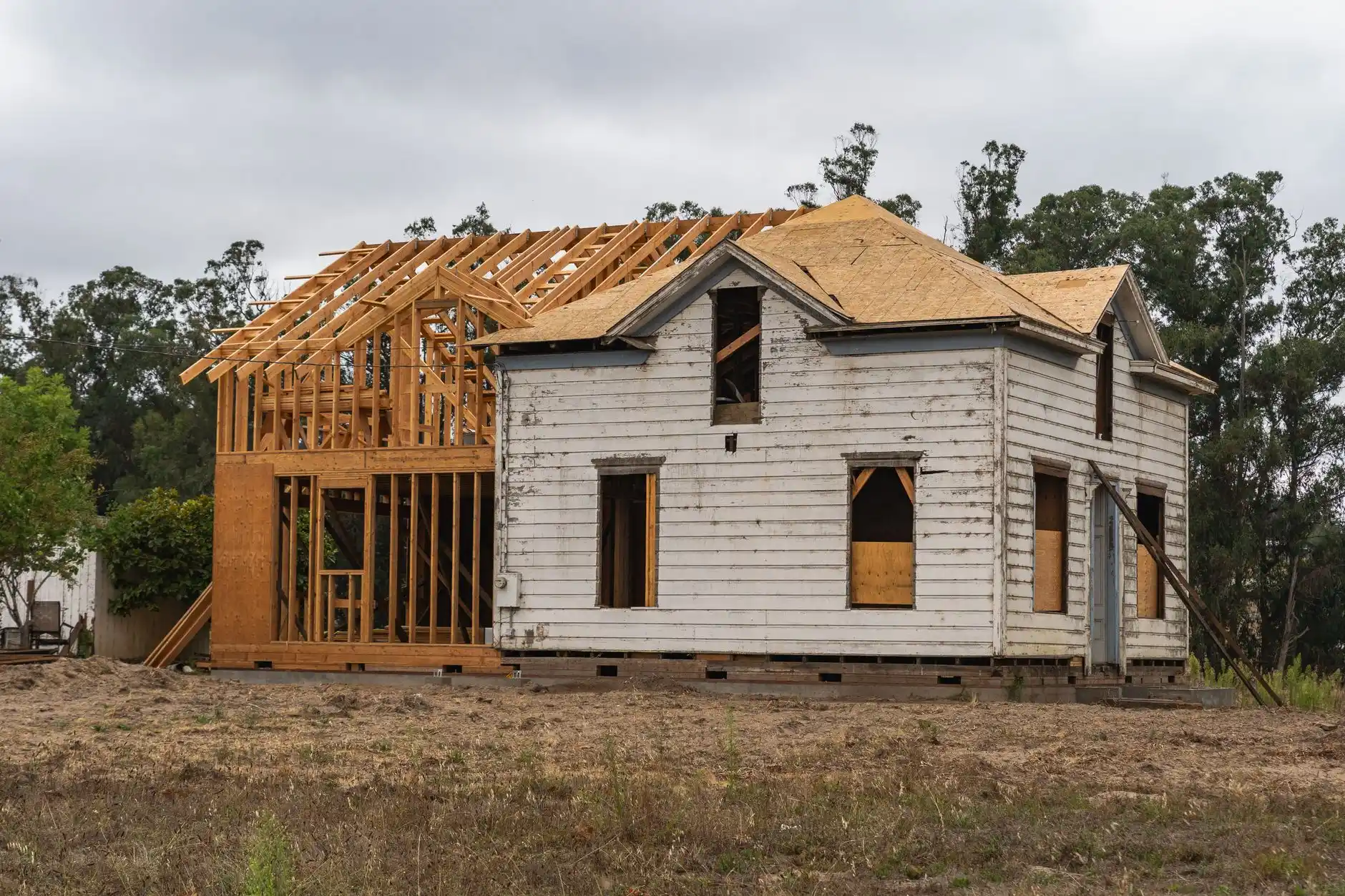
Asbestos-Containing Materials
Washington treats asbestos investigation seriously.
Before renovation, repair, maintenance, or demolition work that may disturb suspect materials, owners and contractors need to follow Washington requirements for identifying asbestos-containing materials. A good-faith asbestos inspection by an appropriately qualified inspector may be required before work begins.
Possible asbestos-containing materials can include some flooring, adhesives, pipe insulation, surfacing materials, siding, roofing, and other products.
The key point for budgeting is that asbestos cannot simply be treated like ordinary demolition debris. Testing, containment, certified abatement when required, and schedule coordination can add cost.
This should be investigated before demolition, not discovered after workers have already disturbed the material.
Lead-Based Paint
Homes built before 1978 require special attention when painted surfaces will be disturbed.
Washington’s Renovation, Repair and Painting requirements apply to covered work in pre-1978 homes and require certified firms and lead-safe work practices for applicable renovation activity.
Lead planning can affect containment, demolition methods, cleanup, worker procedures, and schedule.
Again, the goal is not to assume every old painted surface creates an impossible project. The goal is to identify the regulatory and safety requirements early.
Previous Unpermitted Alterations
One of the most frustrating discoveries in an older home is work that was changed without clear documentation.
A wall may have been removed. A basement room may have been converted. Plumbing may have been added. An addition may not match records. Structural framing may have been altered.
When new permitted work touches those areas, the previous condition may need to be evaluated.
This is why permit history and visible conditions should be reviewed early when a project involves significant alterations.
The existing guide to old house renovation is a useful starting point for balancing modernization with preservation.
Poor Insulation and Air Sealing
Older homes can feel drafty even when the furnace or heat pump is working correctly.
Wall cavities, rim joists, attic transitions, penetrations, old windows, and floor assemblies may have limited insulation or significant air leakage.
A remodel creates opportunities to improve these assemblies, but changes should be coordinated with moisture control and ventilation. Simply adding insulation without understanding how the wall or roof manages vapor and drying can create new problems.
Drainage and Basement Water
Basement finishes should not be designed before the basement’s water behavior is understood.
Look at grading, downspouts, foundation drainage, exterior hardscape, cracks, seasonal seepage, sump systems, and signs of past water intrusion.
A finished basement is expensive to open again. Solving drainage first is one of the clearest examples of spending money in the right order.
How to Budget for Hidden Conditions Without Guessing
The best approach is not to invent a giant “old house surcharge.”
Instead, identify risk areas and assign contingency based on uncertainty.
A project with extensive wall opening, several wet rooms, structural changes, basement work, and unclear renovation history needs more contingency than a surface-level update.
Preconstruction investigation can also reduce uncertainty. Selective exploratory openings, sewer scoping, electrical evaluation, structural review, moisture investigation, hazardous-material surveys, and permit-record review can all be useful depending on scope.
United Signature’s article on avoiding surprises in remodel budgets explains why contingency and scope clarity work together.
Do Hidden Problems Mean You Should Avoid an Older Home?
No.
The existence of risk does not make an older house a bad remodel candidate. In many cases, correcting aging systems while redesigning the home is more efficient than treating the same problems as separate emergencies over the next decade.
The important distinction is between a planned older-home renovation and a budget that assumes the house is new behind the walls.
FAQ
What is the most common hidden issue in older Seattle homes?
There is no single universal problem. Electrical updates, old plumbing, moisture damage, past alterations, and limited insulation are all common categories worth investigating.
Does every pre-1978 home have lead paint?
No. But covered renovation work in pre-1978 housing must be evaluated and performed in accordance with applicable lead-safe requirements.
Does every older home contain asbestos?
No. Building age alone does not determine whether a specific material contains asbestos. Testing and a qualified inspection are the proper way to identify suspect materials.
How much contingency should I keep for an older home remodel?
The percentage should reflect uncertainty and scope. A project opening many walls in an older house may justify a larger reserve than a limited finish update with well-documented systems.
Should I fix old wiring and plumbing during a remodel?
If the remodel is already exposing those systems, it is often the most economical time to evaluate whether replacement or upgrades make sense.