

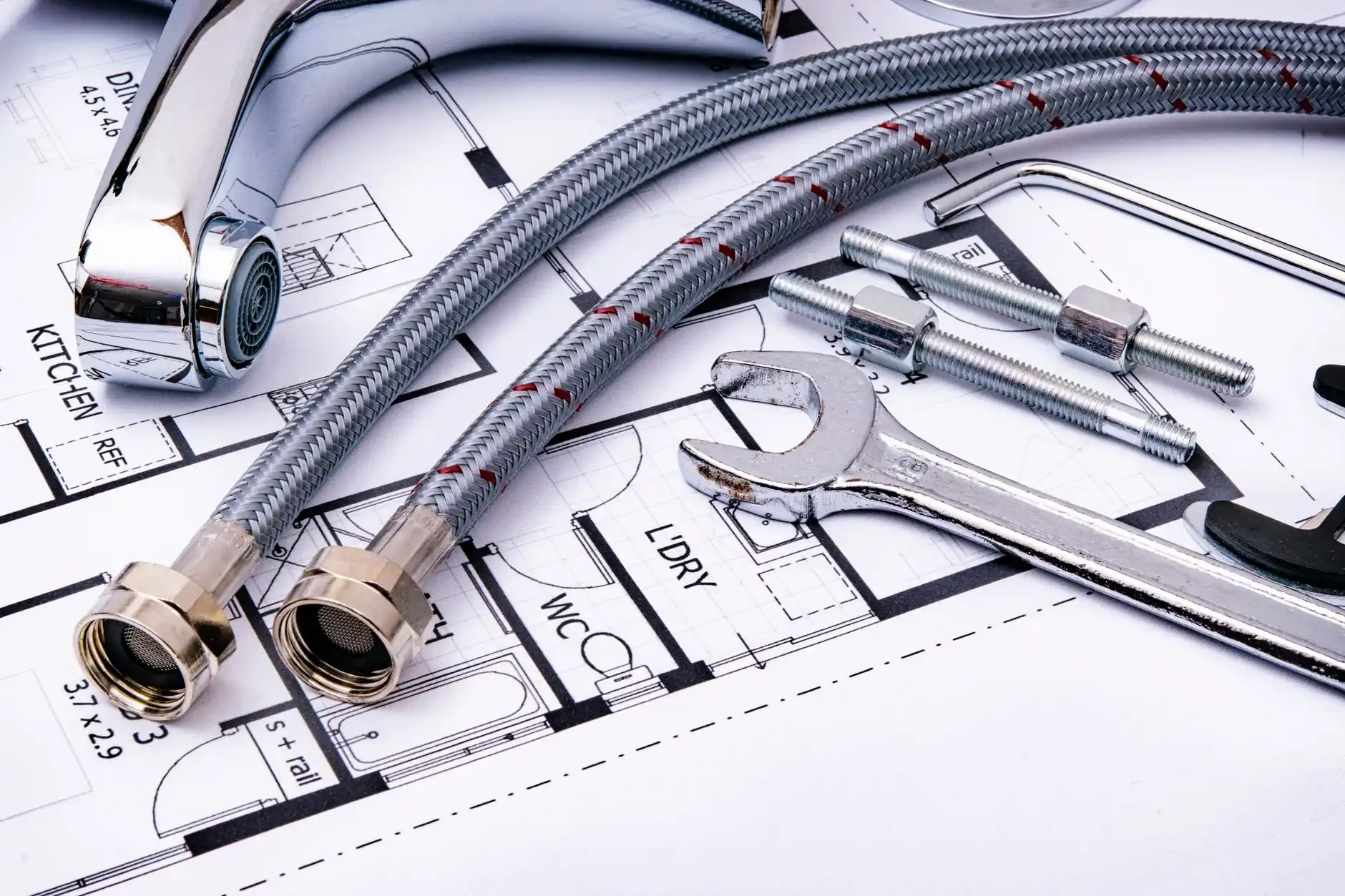
Moving plumbing is one of the fastest ways to change a remodeling budget.
The visible fixture may move only six feet.
The pipe system behind it may need a completely new route.
Water-supply lines are usually easier to reroute than drains.
Drainage depends on pipe size, slope, venting, structure, and the elevation of the connection point.
That is why moving a sink is different from moving a toilet, and moving either one across a wood-framed floor is different from moving it across a concrete slab.
For early planning, a simple fixture relocation may add a few thousand dollars, while moving several fixtures, opening concrete, changing vents, or relocating a kitchen or bathroom across the house can add tens of thousands.
Exact Seattle pricing should be based on the actual plumbing plan.
Start With the Fixture Type
Not all plumbing moves have equal complexity.
Kitchen sink:
Requires hot and cold water, drain, venting, and coordination with dishwasher and disposal where applicable.
Bathroom vanity:
Usually a relatively modest plumbing load, but wall location and venting still matter.
Shower or tub:
Requires water supply, valve work, drain, waterproofing coordination, and floor assembly planning.
Toilet:
Uses a larger drain and is more constrained by floor framing, slope, venting, and connection location.
Laundry:
Requires water, drainage, electrical or gas coordination, ventilation for certain dryers, and leak-management planning.
The fixture determines what needs to move behind the wall.
Drainage Is Usually the Hard Part
Water lines can often route through walls, floors, or ceilings with relatively small diameters.
Drain lines are larger and need gravity slope unless a designed pumping system is used.
The farther the fixture moves, the more vertical drop the drain needs.
That can create conflicts with:
– floor joists;
– beams;
– ceiling height;
– foundations;
– and other building systems.
A floor plan that looks perfect architecturally can be poor mechanically if the drain route was never considered.
This is why plumbing should be evaluated during design.
Moving a Toilet Can Be Much More Expensive Than Moving a Vanity
Toilets are constrained by larger drain piping.
Moving one a short distance parallel to favorable floor framing may be manageable.
Moving it across joists or far from the existing stack can require more framing coordination and ceiling access below.
Never cut or notch structural framing simply to create a convenient drain route without confirming what the framing permits.
If the plumbing plan conflicts with structure, review When Does a Home Remodel Need a Structural Engineer?.
The contractor, plumber, and engineer should solve the route together.
Concrete Slab Changes the Equation
Plumbing relocation in a slab-on-grade or basement slab can require:
– concrete cutting;
– demolition;
– excavation;
– pipe installation;
– inspection;
– backfill;
– compaction;
– and slab repair.
That adds labor and disruption.
It can also reveal existing conditions below the slab.
A bathroom layout that moves the toilet across a slab should therefore be priced before tile and cabinetry are selected.
The same applies to kitchen relocation on slab.
Do not assume “the room is only ten feet away” means the plumbing move is simple.
Venting Matters Too
Drainage systems need venting.
The new fixture location may require a vent route through walls and roof systems or an approved alternative where applicable.
Venting can become the hidden reason a desired fixture location is difficult.
For example, an island sink needs a drainage and venting strategy that differs from a sink on a conventional wall.
The plumbing design should be established before cabinet drawings are finalized.
Existing Plumbing Condition Can Expand the Scope
A remodel may expose old galvanized supply lines, corroded drainage, or previous repairs.
If the new fixture will connect to aging piping, the plumber may recommend replacing more than the short relocation section.
Use Galvanized Plumbing in Older Homes: Should You Replace It During a Remodel? to evaluate whether the project should extend beyond the immediate fixture.
This is where an apparently simple move can turn into partial repiping.
It is also why older-home contingency matters.
Kitchen Relocation vs Kitchen Reconfiguration
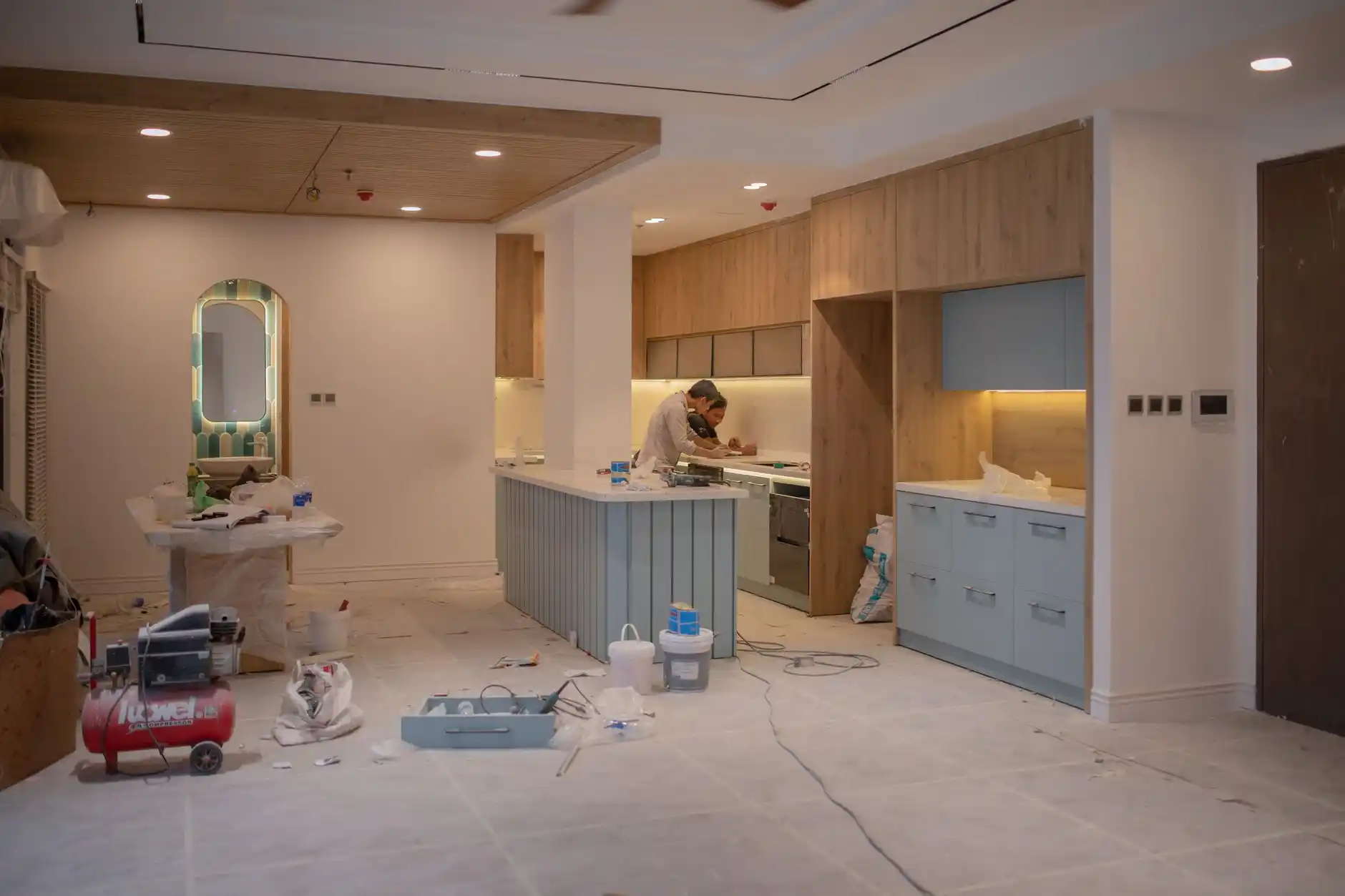
Moving the kitchen to another room is fundamentally different from changing the layout within the same room.
A full kitchen relocation may require:
– long water runs;
– new drain and vent routes;
– electrical circuits;
– range ventilation;
– gas or electrical equipment changes;
– floor opening;
– wall opening;
– and repair of the old kitchen infrastructure.
The total project cost can be high enough that the design team should compare a major reconfiguration of the existing kitchen before committing to relocation.
The Kitchen Layout Guide can help identify whether the existing room can be made functional without moving the entire plumbing core.
Bathroom Layout Changes
Bathroom plumbing moves are often justified when the existing layout is genuinely poor.
Examples:
– toilet blocks the door;
– shower is too small;
– tub occupies space no one uses;
– vanity prevents circulation;
– or accessible clearances are needed.
A thoughtful layout change can be worth the plumbing cost.
But do not move fixtures only because every bathroom rendering on social media looks different from the existing room.
Compare functional gain with construction cost.
The existing Bathroom Remodel Planning guide is useful before deciding how much plumbing relocation is actually necessary.
Plumbing Permits in Seattle
Seattle plumbing and gas piping permits are administered by Public Health – Seattle & King County.
Installing, relocating, or changing plumbing systems can require a permit.
That means fixture relocation should be included in the permit schedule and rough-in inspection sequence.
Use the Seattle Remodel Permit Checklist to coordinate plumbing with building, electrical, and mechanical work.
Do not close walls or floors before required inspection.
How Much Does Moving Plumbing Cost?
Use planning tiers rather than one number.
Minor relocation:
A fixture moves within the same wall or nearby bay with straightforward access. Cost may be relatively limited.
Moderate relocation:
A fixture moves across a room, requiring new water, drain, vent, and wall/floor access. This may add several thousand dollars per fixture depending on conditions.
Major relocation:
Kitchen or bathroom plumbing moves to a new area, concrete is cut, large drains cross structural framing, or significant repiping is needed. Costs can move into the tens of thousands.
These are conceptual categories, not quotes.
United Signature should validate exact pricing against current plumbing subcontractor estimates before publication.
How to Save Money Without Compromising the Layout
Start with the best functional layout.
Then look for small adjustments that improve the plumbing path.
Sometimes moving the toilet 18 inches less avoids a joist conflict.
Sometimes placing the new vanity on a shared plumbing wall reduces cost.
Sometimes rotating the kitchen island keeps the sink closer to the existing drain.
The cheapest layout is not automatically the best.
But two layouts that function equally well can have very different plumbing costs.
That is where design-build coordination creates value.
FAQ
Is it expensive to move a toilet?
It can be, because the toilet uses a larger drain and the route may conflict with framing or slab conditions.
Is moving a sink cheaper than moving a toilet?
Often, yes, but drain and vent location still matter.
Can I move plumbing without opening the floor?
Sometimes. It depends on access, framing, basement or crawlspace below, and the fixture.
Do I need a permit to move plumbing in Seattle?
Plumbing system changes can require a permit administered by Public Health – Seattle & King County.
Is it worth moving plumbing during a remodel?
Yes when the functional improvement is significant. If the layout already works well, keeping plumbing locations can be one of the strongest ways to control cost.