

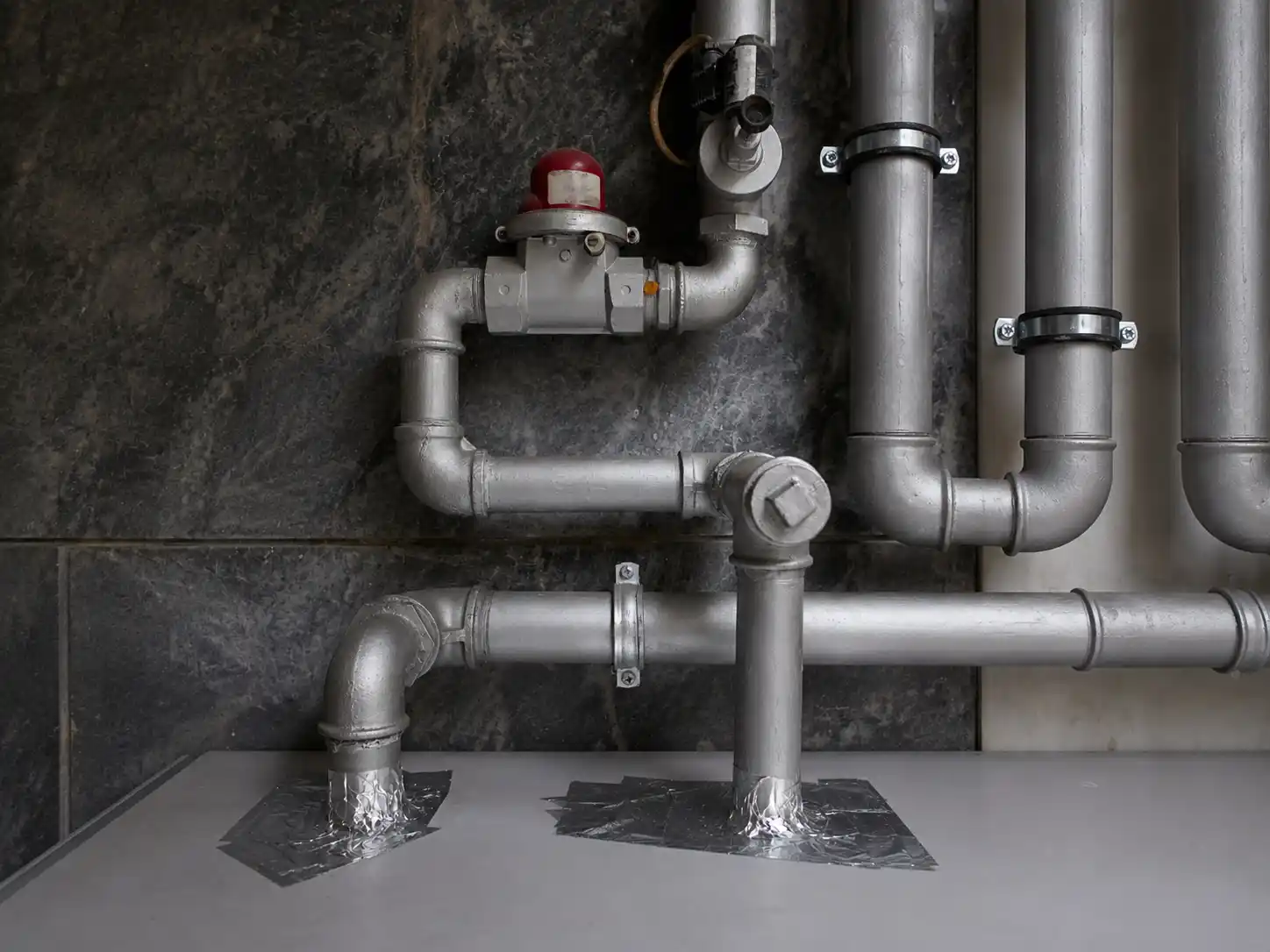
A remodel creates a rare opportunity to see plumbing that normally lives behind finished walls.
In older Seattle homes, that can include galvanized steel water-supply piping.
The question is not whether every galvanized pipe must automatically be removed.
The question is whether it makes sense to install a new kitchen, bathroom, drywall, and cabinetry over piping that may already be near the end of its practical service life.
The answer depends on condition, water flow, corrosion, project scope, access, and the homeowner’s long-term plan.
What Is Galvanized Plumbing?
Galvanized steel piping was commonly used for water distribution in older houses.
The steel pipe has a protective zinc coating.
Over time, internal corrosion and mineral buildup can reduce the inside diameter of the pipe.
A pipe can look reasonably intact from the outside while flow inside has become restricted.
This is why homeowners often notice galvanized-plumbing problems first as performance issues rather than visible leaks.
Common Warning Signs
Possible signs include:
– reduced water pressure;
– weak flow at multiple fixtures;
– discolored water after periods of nonuse;
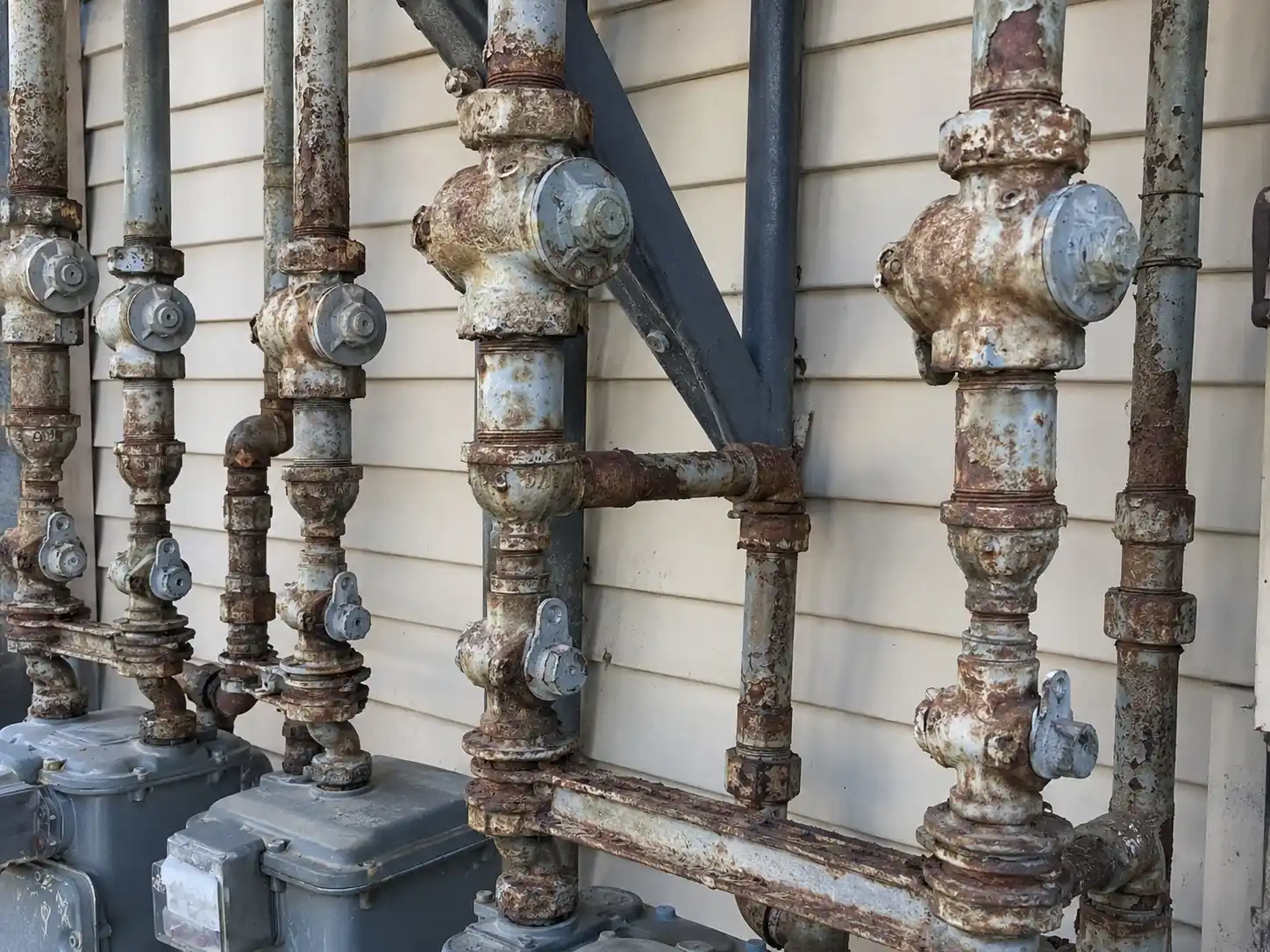
– visible exterior corrosion;
– repeated leaks;
– restricted hot or cold lines;
– and old repairs connecting several piping materials.
One symptom does not automatically prove the entire system needs replacement.
A plumber should evaluate the broader system.
The concealed-condition context in Hidden Problems in Older Seattle Homes That Can Change a Remodel Budget is especially relevant when an older kitchen or bathroom is being opened.
Why Remodeling Is the Best Time to Evaluate It
Access is expensive.
If a bathroom wall is already open for a shower remodel, the piping behind it is visible.
If kitchen cabinets are already removed, the supply lines serving the sink may be accessible.
If a whole-house remodel has ceilings open, new piping routes can be coordinated before drywall.
That can make targeted or larger-scale replacement more economical than returning later.
The sequencing guidance in What Should You Remodel First in an Older House? applies directly: evaluate aging systems before the new finishes cover them.
Partial Replacement vs Whole-House Repipe
A partial replacement may make sense when the remodel affects one area and the rest of the plumbing has been evaluated as serviceable.
A larger repipe may make sense when:
– galvanized piping remains throughout the house;
– flow is already poor;
– repeated leaks are occurring;
– several rooms are opening;
– future remodel phases will depend on the same system;
– or the home is undergoing a major renovation expected to last decades.
The cost comparison should include future access.
Replacing only the pipe visible today may be cheaper now but more expensive overall if the remaining system requires opening newly finished walls later.
The phasing strategy in How to Phase a Whole-Home Remodel Without Paying for the Same Work Twice can help decide whether to extend replacement beyond the current room.
What Material Replaces Galvanized Pipe?
Replacement material selection is a plumbing-design decision.
Modern residential projects may use copper or approved plastic piping systems depending on application, design, contractor preference, and code.
The homeowner should focus less on internet arguments about a single “best” material and more on:
– correct sizing;
– approved installation;
– water quality;
– routing;
– support;
– accessibility;
– freeze protection where relevant;
– and workmanship.
A poorly installed premium material is not better than a properly designed approved system.
What About Old Drain Lines?
Galvanized supply piping is not the same thing as drain, waste, and vent piping.
An older home may contain cast iron, galvanized drainage, copper, plastic, or combinations of materials.
The supply-side decision should not distract from the drain system.
If a kitchen or bathroom is being moved, the contractor needs to evaluate drainage and venting separately.
Drain and vent routing can become the hidden reason a desired fixture location is difficult. The route should be established before cabinet and fixture plans are finalized.
Does Low Pressure Always Mean Galvanized Pipes?
No.
Low pressure or flow can have several causes.
Possible issues can include:
– service-side restrictions;
– valves;
– pressure regulators;
– fixture cartridges;
– localized pipe restrictions;
– water-heater issues;
– or other plumbing conditions.
A plumber should diagnose before the remodel budget assumes a full repipe.
The goal is not to replace old material simply because of age.
It is to understand what is actually failing or limiting the planned project.
Plumbing Permits
Seattle plumbing permits are administered by Public Health – Seattle & King County.
Installing, relocating, or changing plumbing systems can require permitting.
A repipe or substantial piping alteration should therefore be coordinated with the permit plan.
The Seattle Remodel Permit Checklist explains how plumbing permits relate to separate building and electrical approvals.
Do not assume the general remodeling permit automatically authorizes plumbing alterations.
How Repiping Affects the Remodel Schedule
Repiping should happen before walls close.
A typical sequence is:
1. demolition;
2. inspect existing piping;
3. finalize replacement scope;
4. complete plumbing permit process as required;
5. install new piping;
6. pressure or system testing as appropriate;
7. complete required inspection;
8. insulate or protect piping where required;
9. close walls;
10. install finish fixtures.
The exact sequence depends on project.
The important principle is not to finish drywall before the concealed plumbing is complete and approved.
What About Water Damage From Old Pipes?
Repeated pinhole leaks or corroded piping can create concealed water damage.
If demolition reveals wet insulation, damaged subfloor, rot, or mold, the project becomes more than a repipe.
Use What Happens When Contractors Open the Walls and Find Hidden Damage? to separate source correction from structural or finish repair.
A plumbing replacement should stop the future leak.
The remodel still needs to repair what the old leak already damaged.
How Much Does Repiping Cost?
A whole-house repipe can range from several thousand dollars into the tens of thousands depending on:
– house size;
– number of fixtures;
– stories;
– access;
– wall repair;
– material;
– permit requirements;
– and whether the house is occupied.
A remodel with open walls can reduce finish-restoration cost.
A finished occupied house with difficult access can cost more.
Because labor and project conditions vary widely, United Signature should validate any exact pricing against current subcontractor estimates before publication.
Should You Replace Galvanized Plumbing During a Kitchen Remodel?
Ask four questions.
1. How much galvanized pipe remains?
2. What condition is it in?
3. Will the kitchen remodel make future access much more expensive?
4. Is another major remodel planned soon?
If the kitchen is one small isolated project and the system performs well, a limited scope may be reasonable.
If the house is undergoing broader renovation and the old piping is already problematic, replacement becomes more compelling.
Should You Replace It During a Bathroom Remodel?
Bathrooms concentrate plumbing behind expensive finishes.
Tile, waterproofing, vanities, and shower assemblies are costly to reopen.
If old supply piping is exposed during a full bathroom remodel, evaluate replacement before closing the wall.
This does not mean replacing every pipe in the house from one shower opening.
It means making the decision with full awareness of future access cost.
FAQ
How long does galvanized plumbing last?
There is no single guaranteed service life. Age, water chemistry, installation, corrosion, and prior repairs all affect condition.
Does galvanized plumbing reduce water pressure?
Internal corrosion and buildup can restrict flow, which may feel like low pressure at fixtures.
Should I replace galvanized plumbing if it is not leaking?
Possibly, especially during a major remodel when access is already available. Condition and long-term project strategy matter more than leak status alone.
Do I need a permit to repipe in Seattle?
Substantial plumbing work can require a plumbing permit administered by Public Health – Seattle & King County.
Can galvanized and modern piping coexist?
Transitions can exist, but material compatibility and installation details should be handled by a qualified plumber.