

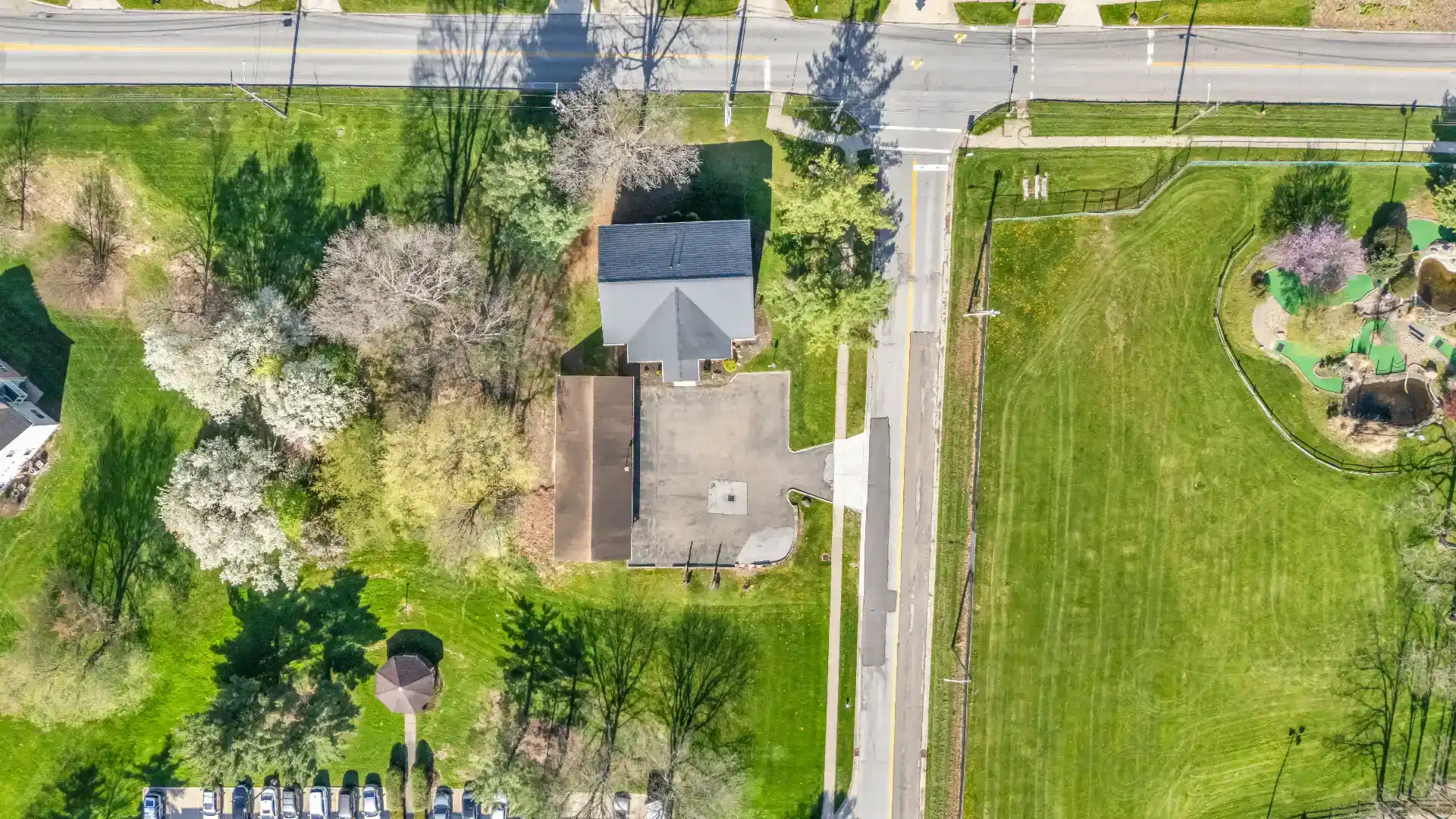
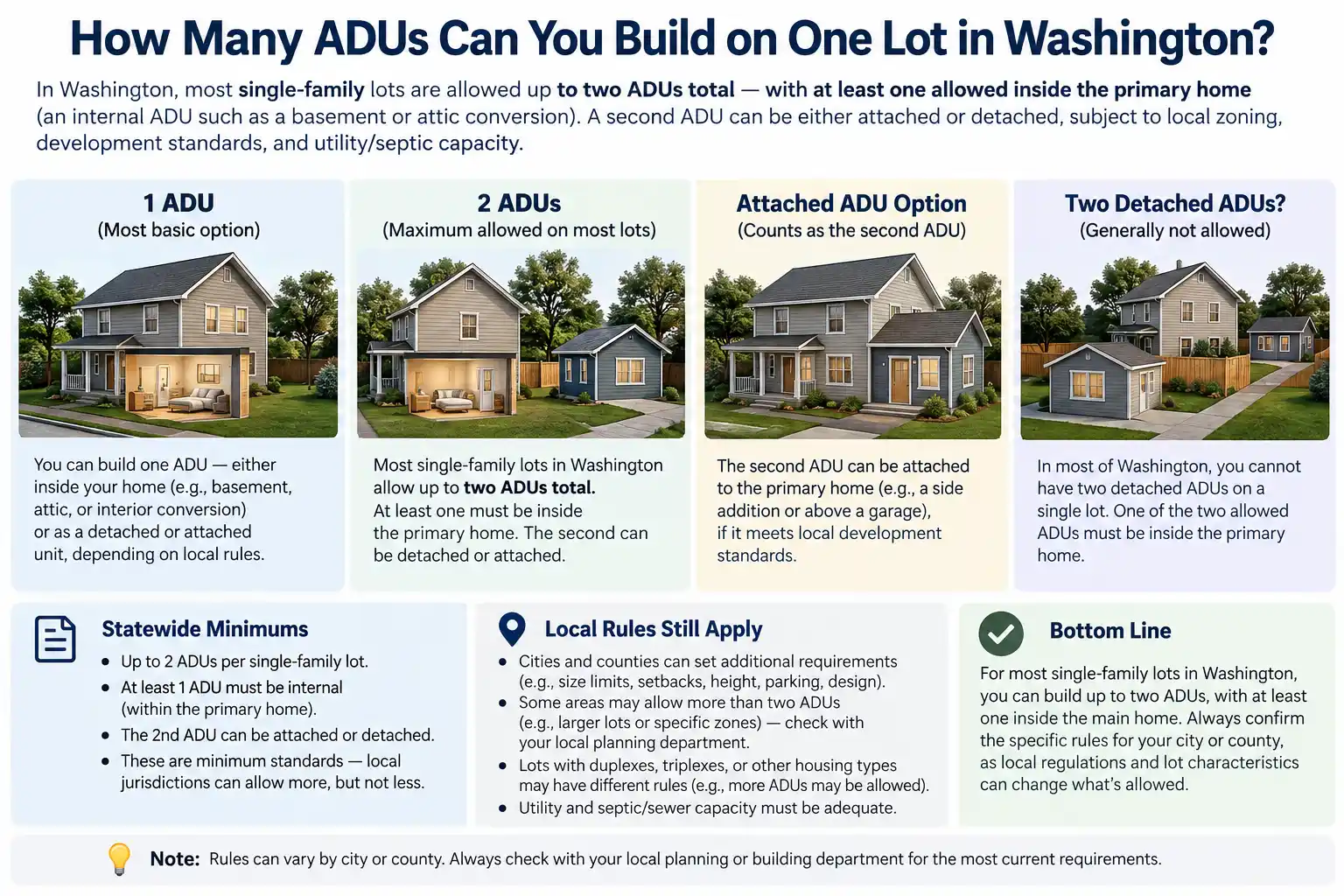
Inside urban growth areas, Washington law requires cities and counties to allow at least two accessory dwelling units, besides the main house, on every lot zoned for single-family homes. The pair can be one attached and one detached unit, two attached, or two detached. Some cities allow more; some lot conditions allow fewer.
The number on paper is only the starting point. Whether two units actually fit depends on the lot’s size, shape, slope, trees, sewer connection and on how your city counts ADUs against other housing allowances. This article explains the statewide rule, the exceptions, and how to think about a second unit before you build the first. For a city-by-city view of local codes, see our summary of how Puget Sound cities implemented HB 1337.
Where the Two-Unit Minimum Comes From
The rule is in RCW 36.70A.681, the section of the Growth Management Act added by HB 1337 in 2023. It applies to cities and counties planning under that act, on lots inside urban growth areas, in every zoning district that allows single-family homes. Puget Sound cities rewrote their codes in 2024 and 2025 to match it, and where a local code still conflicts, the state standard controls.
Two details in the law are easy to overlook. First, the number is a minimum: the statute says “at least two,” so a city may allow more. Second, a city must allow an ADU on any lot that meets the minimum lot size for the main house, which means an ordinary residential lot cannot be ruled out just because it is modest.
The Three Combinations the Law Protects
The statute lists three configurations a city must accept. Each suits a different kind of property.
Mixed Pair: One Inside the House, One Out Back
A basement apartment plus a cottage in the rear yard is the classic version. It works well on lots with a usable lower floor and enough yard depth behind the house, and it splits construction into a renovation and a new build that can happen at different times.
A Pair of Attached Units
Two units within or attached to the house, such as a basement suite and a unit above an attached garage. This keeps the yard open and suits large older homes, but it requires careful fire separation, sound control and separate entrances. Our article on attached ADU versus DADU construction explains those trade-offs.
Two Freestanding Units, Separate or Stacked
Two detached units, which the law says may be in one detached structure or two. A two-story building with one home on each floor counts, and so do two small cottages placed side by side or one behind the other. Stacking usually saves yard space and foundation cost, while two separate buildings give each household more privacy.
Very Small Lots of 2,000 Square Feet or Less
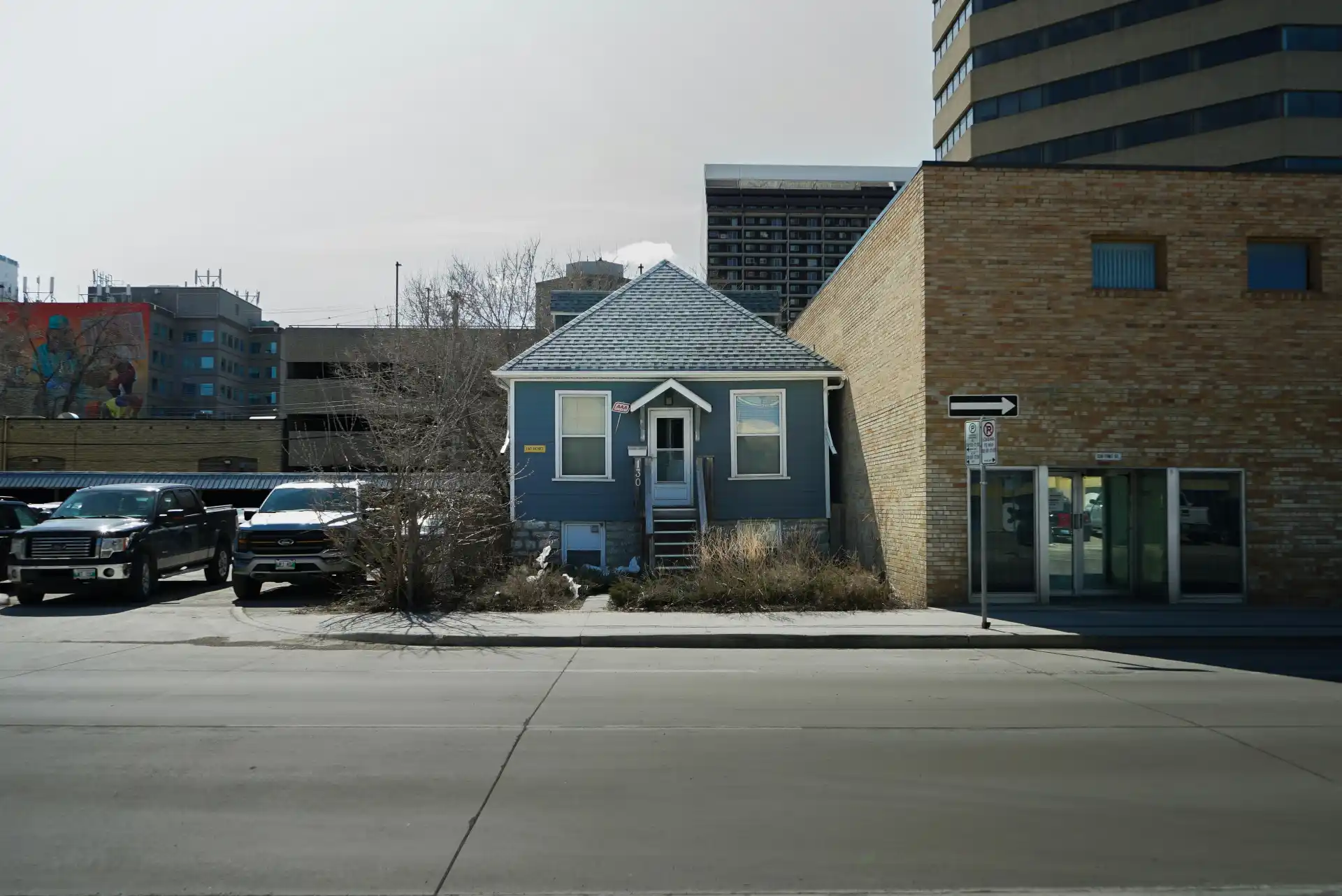
The law includes one clause aimed at tiny parcels. On a residential lot of 2,000 square feet or less, a city may cap ADUs at two, in addition to the main home. Since two is already the statewide minimum, this clause mainly matters in cities that otherwise allow more than two: on the smallest lots, they are not required to.
In practice, lots that small rarely run into the count before they run into lot coverage, setbacks or floor area limits. Note also that the 2,000-square-foot threshold describes the lot, not the size of the ADU.
When a Lot Gets Fewer Than Two
Several exceptions in state law let cities limit or prohibit ADUs on certain lots.
Critical areas. The two-unit standard does not reach parcels mapped with environmentally sensitive features, for example wetlands, fish and wildlife habitat or geologically hazardous ground, nor the buffers around them. Certain impaired watersheds that feed drinking-water reservoirs are excluded too.
Sewer. A city can refuse ADUs on parcels without a public sewer connection, and the law does not force approval where a septic system limits what can be built nearby.
Low-density sensitive areas. In residential zones with a density of one home per acre or less, cities may restrict ADUs within wetlands, habitat areas, floodplains or geologically hazardous areas.
Local trade-offs with other housing. Some cities reduce the ADU count when the lot also uses other housing allowances. Bothell, for example, drops the limit to one ADU on a lot developed with middle housing or containing critical areas.
A steep slope or stream buffer on part of a lot does not always rule out every ADU, but it usually narrows the options and adds review.
Cities That Allow More Than Two
Everett is the clearest local example of going beyond the minimum. Its ADU guidance states that in its NR, UR and MU zones there is no limit to the number of dwelling units, including ADUs, that may be developed on a lot, as long as the generally applicable development regulations are met. Only the first two ADUs on a lot qualify for the city’s reduced development costs, and the NR-C zone keeps a limit of two.
In cities like this, the practical ceiling comes from setbacks, height, lot coverage, parking where it applies, and fire and building codes rather than from a fixed ADU count.
How ADUs Interact With Middle Housing Allowances
HB 1110, the middle housing law, requires many cities to allow several homes per lot, such as duplexes and fourplexes. Under RCW 36.70A.635, a city may let ADUs count toward the unit density that law requires, and it does not have to allow ADUs or middle housing beyond those density requirements.
This is why the question “how many ADUs” sometimes becomes “how many homes in total.” In Seattle’s Neighborhood Residential zones, ADUs count toward the number of units allowed on the lot, as our Seattle ADU rules guide explains. If you are weighing a house plus two ADUs against a duplex plus one ADU, decide early, because the choice affects permits, utilities, financing and future sale options.
Physical Limits That Usually Decide the Count
Even where the code allows two or more, the lot itself sets the real number. The usual constraints are lot coverage and floor area ratio, rear yard depth behind the house, side access for construction and fire response, the location and depth of the side sewer, protected trees, and slope.
Utilities deserve special attention with two units. Water service, electrical capacity and sewer connections may need upgrades sized for three households instead of two, which is easier to plan once than to retrofit later. Our guide to ADU utility connections lists the items homeowners most often miss.
Building Both Units at Once or in Stages
Many owners build one ADU now and keep the second as a future option. That works well if the first unit is placed with the second in mind: leave a buildable footprint, a path for utilities and an access route that will still work once the first unit is occupied.
Building both at the same time can save on mobilization, excavation and utility trenching, but it requires a larger budget and a longer construction period up front. A site plan that shows both units, even if only one is permitted now, protects the option. To see how much room your parcel actually offers, request a free lot report before you commit to a layout.
FAQ
Can I build three ADUs if my city only has to allow two?
Only if your city’s code allows it. State law sets a minimum of two, and some cities, such as Everett in several of its zones, allow more, but most Puget Sound cities stop at two.
My lot already has a basement apartment. Can I still add a backyard unit?
Usually yes, because one attached and one detached unit is a protected combination. The existing unit needs to be legally established, so check its permit history first.
Does the two-ADU minimum apply if my lot has a duplex instead of a house?
State law defines an ADU as a unit on the same lot as a single-family home, duplex, triplex, townhome or other housing unit, but cities can count ADUs toward their middle housing density. Whether a duplex lot can add ADUs, and how many, depends on the local code.
Can I add a second ADU years after building the first?
Yes, as long as the code in effect when you apply still allows it and the lot still has room. Planning the site for both units from the start makes the later addition simpler.
Is the 2,000-square-foot rule about lot size or ADU size?
Lot size. It lets cities cap ADUs at two on residential lots of 2,000 square feet or less. Size limits for the units themselves are a separate rule.