

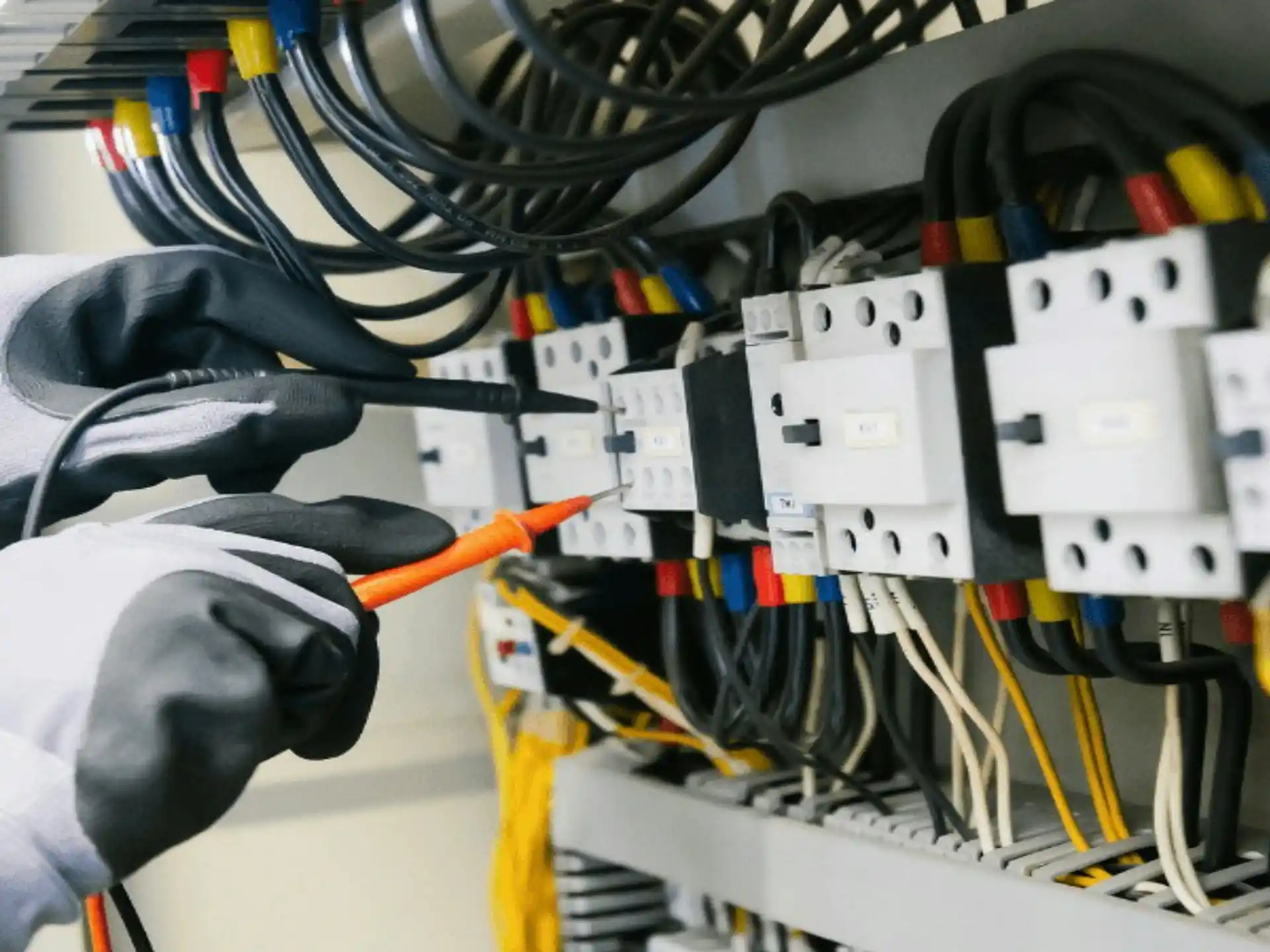
A major remodel can change the electrical demand of a house more than homeowners expect.
The project may add:
– induction cooking; – electric ovens; – heat pumps; – heat-pump water heaters; – air conditioning; – EV charging; – laundry equipment; – more kitchen circuits; – heated bathroom floors; – home-office equipment; – and future ADU loads.
That does not mean every remodel automatically needs a larger electrical service.
It means the electrical system should be evaluated against the finished house rather than the pre-remodel house.
The panel is only one part of that review.
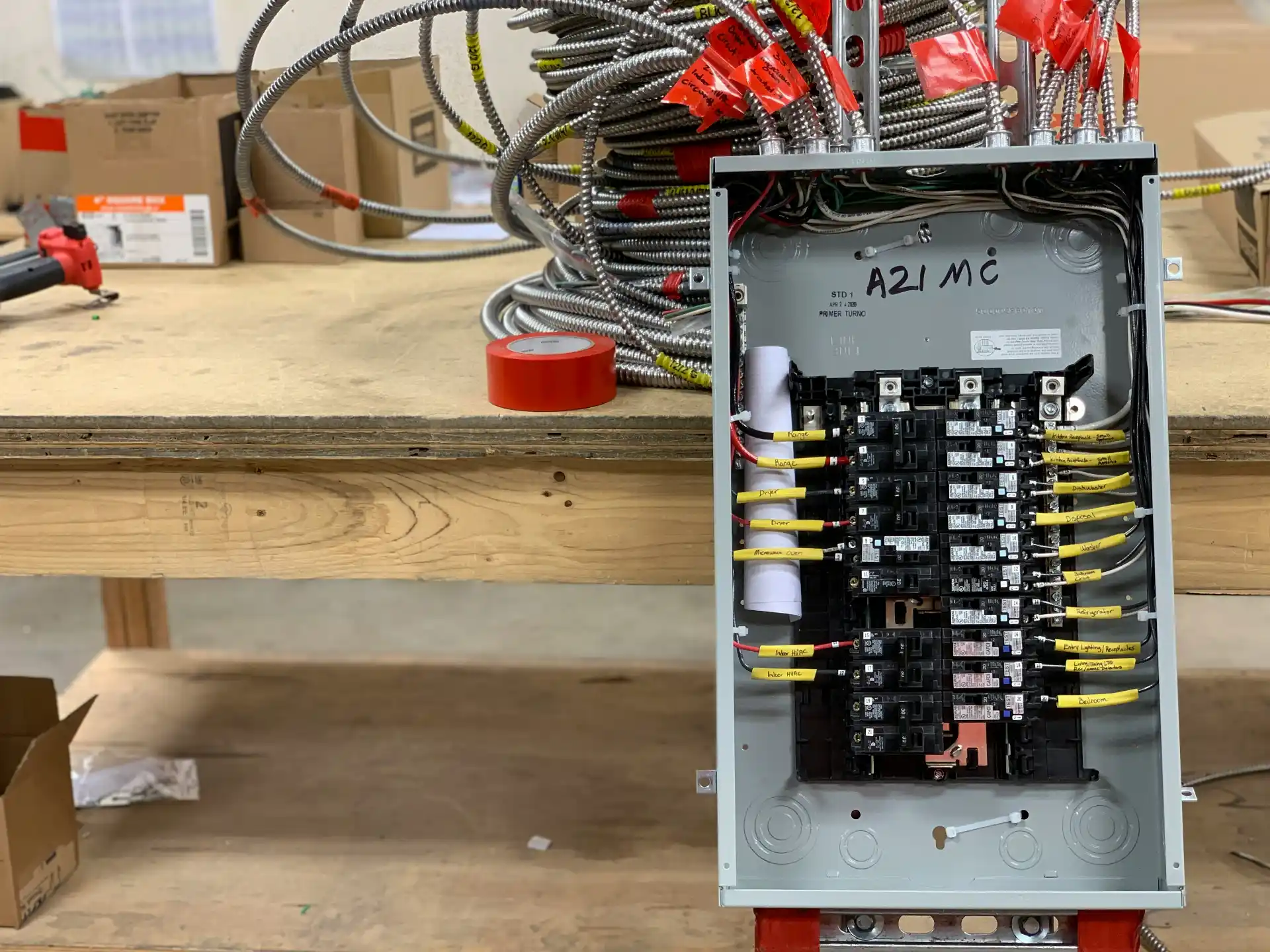
Panel Capacity vs Service Capacity
Homeowners often use “panel upgrade” and “service upgrade” as though they are the same thing.
They can be different.
The panel is the distribution equipment inside or at the house.
The electrical service includes the connection and capacity supplying the property.
Replacing a panel does not automatically mean the utility-side service has increased.
A project that truly needs more capacity may require coordination with Seattle City Light in addition to electrical permitting and contractor work.
Seattle City Light has a specific process for new or upgraded electric service.
When a Remodel Should Trigger a Load Review
A load review makes sense when the project changes several large electrical uses.
Examples:
– gas range becomes induction; – gas furnace becomes electric heat pump; – gas water heater becomes heat-pump water heater; – EV charger is added; – kitchen is fully rebuilt; – basement becomes conditioned living space; – ADU is added; – or major addition increases house size.
The electrical contractor calculates expected demand and determines whether the existing service and panel can support it.
Do not size the system by counting breaker spaces alone.
An empty breaker space does not prove there is enough service capacity.
Older Panels May Create Other Reasons to Upgrade
Capacity is not the only issue.
An older panel may have:
– limited breaker availability; – obsolete equipment; – poor expansion flexibility; – previous modifications; – or condition concerns.
The remodel may also require new circuits that make a more organized modern panel practical.
If the house contains legacy branch wiring, review Knob-and-Tube Wiring During a Remodel: Replace It or Work Around It? before treating the panel as the only electrical upgrade.
A new panel connected to a largely old branch-circuit system is still a mixed-age electrical system.
Why the Remodel Is a Good Time
Electrical-service work can disrupt power.
Panel work may require utility coordination.
New feeders and circuits may require wall access.
During a major renovation:
– walls may already be open; – the house may already have temporary living arrangements; – new circuits are already being installed; – and the final equipment list is being designed.
That makes electrical planning more efficient than waiting until after cabinets and drywall are complete.
The project sequence in In What Order Should You Renovate a House? places hidden system work before finishes for exactly this reason.
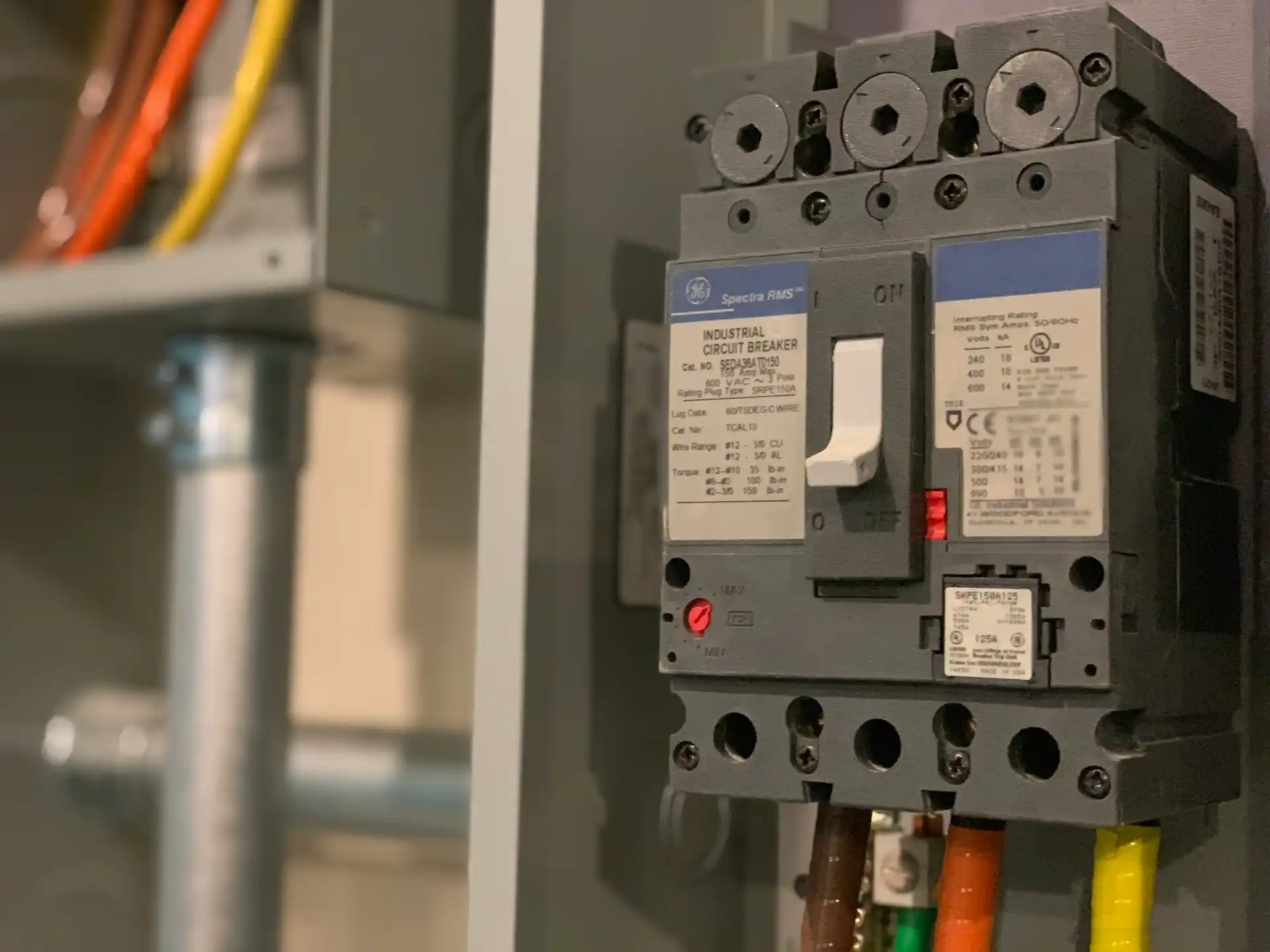
Electrification Can Change the Calculation
Many Seattle-area homeowners are replacing gas equipment with electric alternatives.
A single appliance change may be manageable.
Several changes together can materially affect demand.
For example:
– induction range; – heat pump; – electric dryer; – heat-pump water heater; – and EV charger.
The correct approach is not to assume “200 amps is always required” or “100 amps is always enough.”
The load calculation should be based on the actual project.
Energy-management equipment can also affect design in some situations.
The electrical contractor and utility requirements should guide the solution.
What About Solar and Batteries?
Future solar or battery plans should be mentioned during electrical design.
Even if those systems are not part of the current remodel, panel location, service equipment, conduit routes, and available space can affect future installation.
A master plan does not need to pre-buy every future system.
It should avoid creating obvious conflicts.
The phasing principles in How to Phase a Whole-Home Remodel Without Paying for the Same Work Twice are useful here.
EV Charging Should Be Considered Early
An EV charger can be a significant electrical load.
If the garage or parking area is already being remodeled, consider:
– charger location; – panel capacity; – conduit route; – trenching; – and future vehicle needs.
Running empty conduit during open-wall construction can be much cheaper than opening finished surfaces later.
Whether that is appropriate depends on the property.
The point is to ask the question before the walls close.
Seattle Electrical Permits and Inspections
Seattle requires an electrical permit when electrical wiring is installed, altered, extended, or connected to electrical equipment.
Panel or service work therefore needs to be coordinated with SDCI electrical permitting.
Seattle electrical permits commonly require inspections at appropriate stages, including service inspection where applicable and final inspection.
Seattle City Light also requires its own application process when the utility service connection or capacity is being upgraded.
The Seattle Remodel Permit Checklist explains how the electrical permit fits with building, plumbing, and mechanical permits.
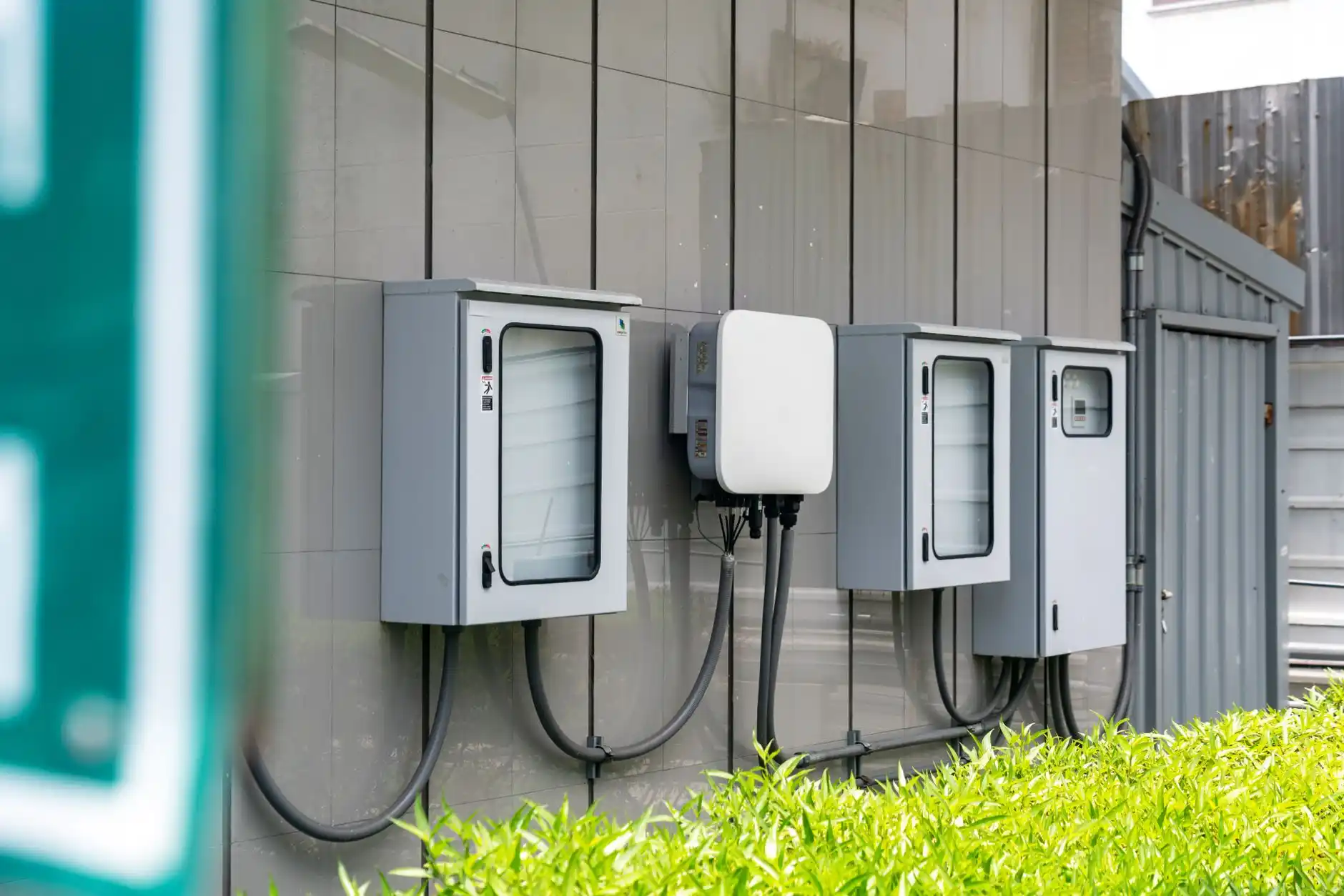
Who Pays for Utility Service Work?
Seattle City Light states that customers are responsible for electrical service installations and upgrades, including permits and inspections, while City Light is responsible for grid-side upgrades under its applicable process.
The exact project cost can include contractor work and utility charges.
Do not assume the general remodeling estimate includes every utility-side expense.
Ask explicitly whether the electrical estimate includes:
– panel; – service conductors; – meter equipment; – grounding; – utility application; – permit; – inspection; – trenching if needed; – wall repair; – and temporary power or outage coordination.
How Much Does a Panel or Service Upgrade Cost?
A straightforward panel replacement can cost several thousand dollars.
A full service upgrade involving utility coordination, meter changes, exterior equipment, trenching, feeders, or extensive rewiring can cost much more.
The range is too project-specific to publish as a guaranteed Seattle number without current estimating data.
The important distinction is between:
– panel replacement; – service-capacity upgrade; – branch-circuit work; – and utility-side work.
Ask the estimate to identify each one.
When You May Not Need an Upgrade
A remodel may not require a larger service when:
– the existing service has sufficient calculated capacity; – no major new electric loads are being added; – panel condition is good; – adequate spaces or approved expansion options exist; – and the electrical contractor confirms the design works.
Do not replace a functional system solely because “major remodels always get 200 amps.”
Engineering and electrical design should be based on actual need.
When an Upgrade Becomes Strongly Worth Considering
It deserves serious evaluation when:
– the panel is obsolete or in poor condition; – the service is already near capacity; – the remodel adds several major electric loads; – a future ADU is planned; – EV charging is expected; – branch circuits are being substantially rebuilt; – or the house is undergoing a full electrification strategy.
This is especially true when the home is already open and the incremental construction access cost is low.
FAQ
Does every whole-house remodel need a 200-amp service?
No. Service size should be based on the calculated electrical load and project requirements.
Is replacing the panel the same as upgrading the service?
No. Panel replacement and service-capacity upgrade can be separate scopes.
Do I need Seattle City Light for a panel upgrade?
If the project changes the utility service connection or capacity, City Light coordination may be required. The electrical contractor should determine the correct process.
Do I need an electrical permit?
Seattle requires permits when electrical wiring is installed, altered, extended, or connected to equipment.
Should I plan for an EV charger during remodeling?
If EV charging is likely, early planning for capacity and conduit routing can reduce future rework.