

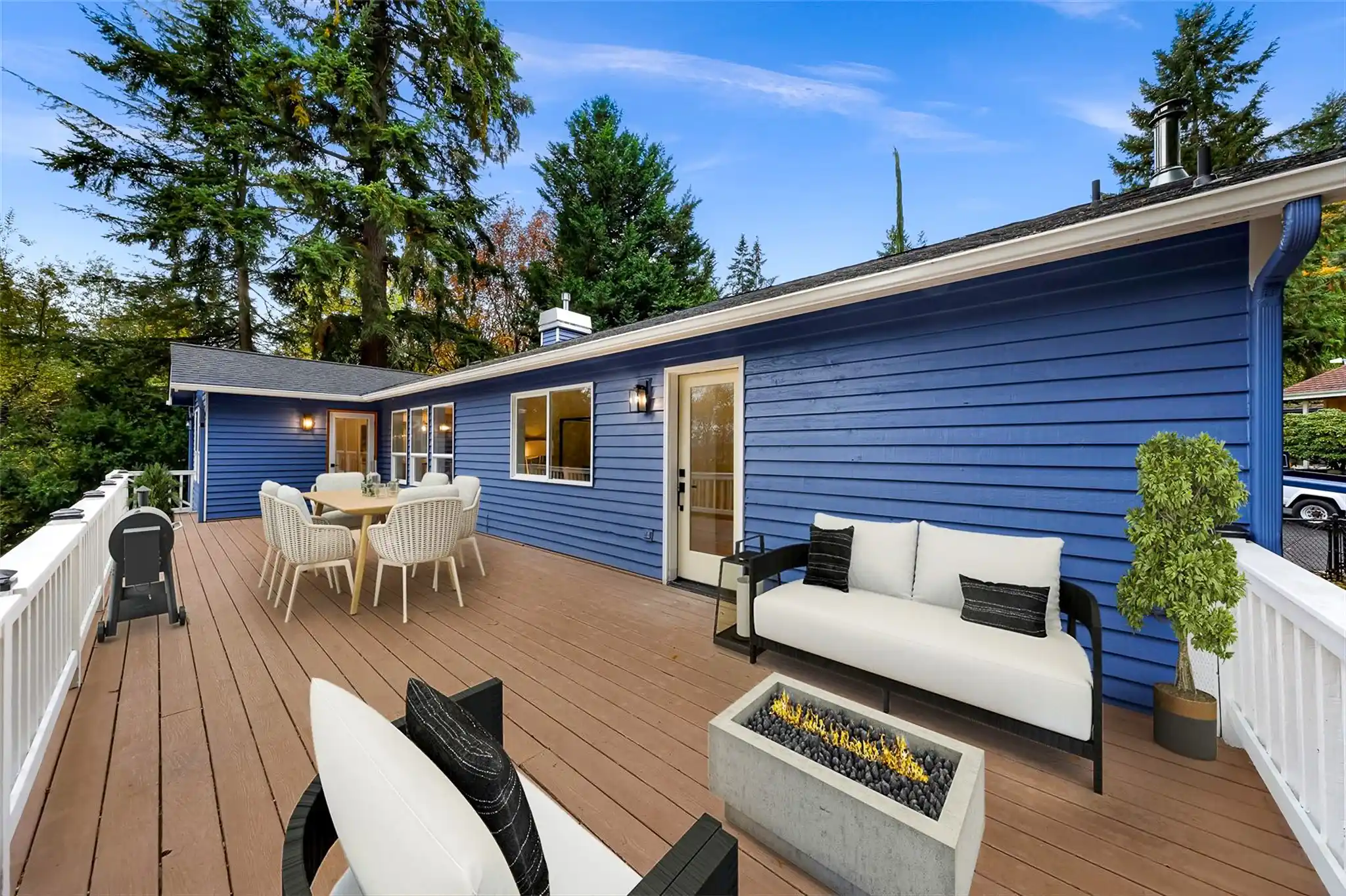
Buying a house creates a strange remodeling problem.
You know enough about the home to want changes.
You do not yet know enough about living there to know which changes matter most.
The temptation is to start immediately: remove the wall, replace the kitchen, redo the floors, remodel the bathrooms, and paint everything before moving boxes in.
Sometimes that is the right strategy.
Sometimes six months of living in the house would completely change the plan.
The goal is to separate work that should happen before move-in from work that benefits from experience.

Start With the Inspection Report, but Do Not Stop There
The home inspection is a starting point.
Review the report with a construction mindset.
Separate findings into four groups:
1. Active water or safety problems. 2. Aging systems likely to affect remodeling. 3. Maintenance items. 4. Cosmetic issues.
A leaking roof should not wait behind a new kitchen.
An electrical panel that cannot support planned appliances should be evaluated before cabinet installation.
A damp basement should not receive new flooring.
The hidden-risk categories in Hidden Problems in Older Seattle Homes That Can Change a Remodel Budget are useful when converting a general inspection into remodel planning.
Research Permit History
Before assuming the current layout is fully documented, review available property and permit records.
Look for evidence of:
– additions; – basement conversions; – removed walls; – added bathrooms; – deck construction; – garage conversions; – and other major alterations.
An old permit does not necessarily describe the current condition perfectly.
It can help explain how the house changed.
This is especially important if the new remodel will touch previously altered areas.
Check the Major Systems Before Designing Around Them
A new owner often focuses first on visible finishes.
The building systems deserve equal attention.
Review:
– electrical service and panel; – supply piping; – drain and sewer condition where appropriate; – HVAC equipment; – water heater; – roof; – foundation; – drainage; – windows; – and insulation.
If one system is near the end of useful life, coordinate its replacement with the remodel.
Do not install expensive drywall and cabinets around a system you already expect to replace next year.
Decide What Is Easier Before Move-In
Some projects are dramatically easier in an empty house.
Examples:
– whole-house flooring; – extensive interior painting; – popcorn-ceiling or finish removal; – major electrical rewiring; – structural main-floor work; – refinishing hardwood; – widespread drywall work; – and construction that blocks the primary entrance.
An empty house reduces furniture moving, floor protection, dust separation, and daily setup.
If these projects are already certain, doing them before move-in can be efficient.
For work that is already certain, an empty house can simplify protection, access, and scheduling. For lifestyle-dependent layout decisions, living in the house first can provide useful information before the design is finalized.
Decide What You Should Experience First
Other decisions improve after living in the home.
Kitchen layout is a good example.
You may discover that the pantry location is more annoying than the cabinet style.
You may realize everyone enters through a side door rather than the front.
A formal dining room may become essential for work-from-home use.
Morning sunlight may change where you want a breakfast area.
Storage problems appear after belongings arrive.
A month of real life can reveal priorities no floor plan can predict.
If the existing space is safe and usable, delay decisions that depend heavily on lifestyle.
Create a Long-Term Master Plan
Even if only one room is being remodeled now, decide how the whole house may change.
Will a future addition connect to the kitchen?
Will the basement become living space?
Will a second bathroom be added?
Will the electrical service be upgraded?
Will the main floor become open concept?
Will windows be replaced?
A master plan protects the first project from future demolition.
The phasing strategy in How to Phase a Whole-Home Remodel Without Paying for the Same Work Twice is particularly important for new homeowners who expect to improve the property over several years.
Set the Budget After Investigating the House
Do not spend the entire renovation budget on the visible wish list.
Keep money for the building.
A newly purchased older home may reveal:
– old plumbing; – wiring upgrades; – drainage corrections; – roof issues; – structural repair; – or previous work that needs correction.
The whole house remodel cost framework can help separate building-system work from kitchen, bathroom, and finish upgrades.
Then establish an appropriate reserve using How Much Contingency Should You Budget for a Home Remodel?.
Prioritize Work in the Right Order
Use a practical hierarchy.
First: stop water and safety problems.
Second: resolve structure and major systems.
Third: complete work that would damage future finishes.
Fourth: remodel spaces with the greatest functional impact.
Fifth: finish cosmetic work.
This hierarchy often produces a different project list from “kitchen, bathroom, paint.”
For example, exterior drainage may have almost no visual appeal.
It can protect the new basement, flooring, and walls that come later.

Should You Remodel the Kitchen Immediately?
Yes, if:
– the layout clearly fails; – cabinets are unusable; – plumbing or electrical work is already necessary; – the main-floor plan is definitely changing; – and the household can define the new kitchen confidently.
Wait if:
– the kitchen is functional; – the final layout is unclear; – a future addition may affect it; – or you have not yet learned how the household uses the space.
A kitchen remodel is expensive enough that uncertainty deserves attention.
Should You Remodel Bathrooms Before Moving In?
Bathrooms can be good pre-move projects because dust and utility shutdowns are easier to manage in an empty house.
If the home has only one bathroom, completing it before occupancy can prevent major disruption later.
But do not remodel simply because finishes are dated.
Evaluate ventilation, plumbing condition, waterproofing, layout, and long-term needs first.
If aging-in-place is part of the long-term plan, consider the future-ready ideas in Aging in Place Remodeling: What to Change Before You Actually Need It.
Do Not Over-Improve Before You Understand the Neighborhood and House
A newly purchased home can create emotional urgency.
Everything feels temporary until it is “yours.”
That can lead to replacing perfectly serviceable materials before the larger plan is clear.
Spend first on:
– water control; – safety; – systems; – function; – and work that prevents future demolition.
Then spend on finishes.
That sequence does not mean the house must remain ugly for years.
It means the expensive decisions should support the final plan.
A 90-Day Planning Approach
If the house is livable, a practical approach can be:
First 30 days:
– address urgent repairs; – observe traffic patterns; – identify storage problems; – research permits and records.
Days 30–60:
– develop the master plan; – evaluate systems; – establish budget; – compare priorities.
Days 60–90:
– complete design for the first phase; – finalize selections; – obtain permits if required; – prepare construction schedule.
This is not a mandatory timeline.
It is a way to reduce decisions made entirely from the purchase walkthrough.
FAQ
Should I remodel before I move into a house I just bought?
Do work before move-in when it is certain, disruptive, and easier in an empty home. Delay lifestyle-dependent layout decisions if the current house is usable and the answer is not clear.
What should I fix first after buying an older house?
Active water problems, safety issues, structural concerns, and failing systems generally take priority over cosmetic upgrades.
Should I use the home inspection as my remodel plan?
No. The inspection identifies conditions, but a remodel plan also needs design, system coordination, budget, and long-term priorities.
How long should I live in a house before remodeling?
There is no required period. Some homeowners know immediately what must change. Others benefit from several months of use before redesigning kitchens, circulation, and storage.
Should I remodel everything at once?
Only if the scope, budget, and logistics make one coordinated project more efficient. Phasing can work when the long-term plan is established first.