

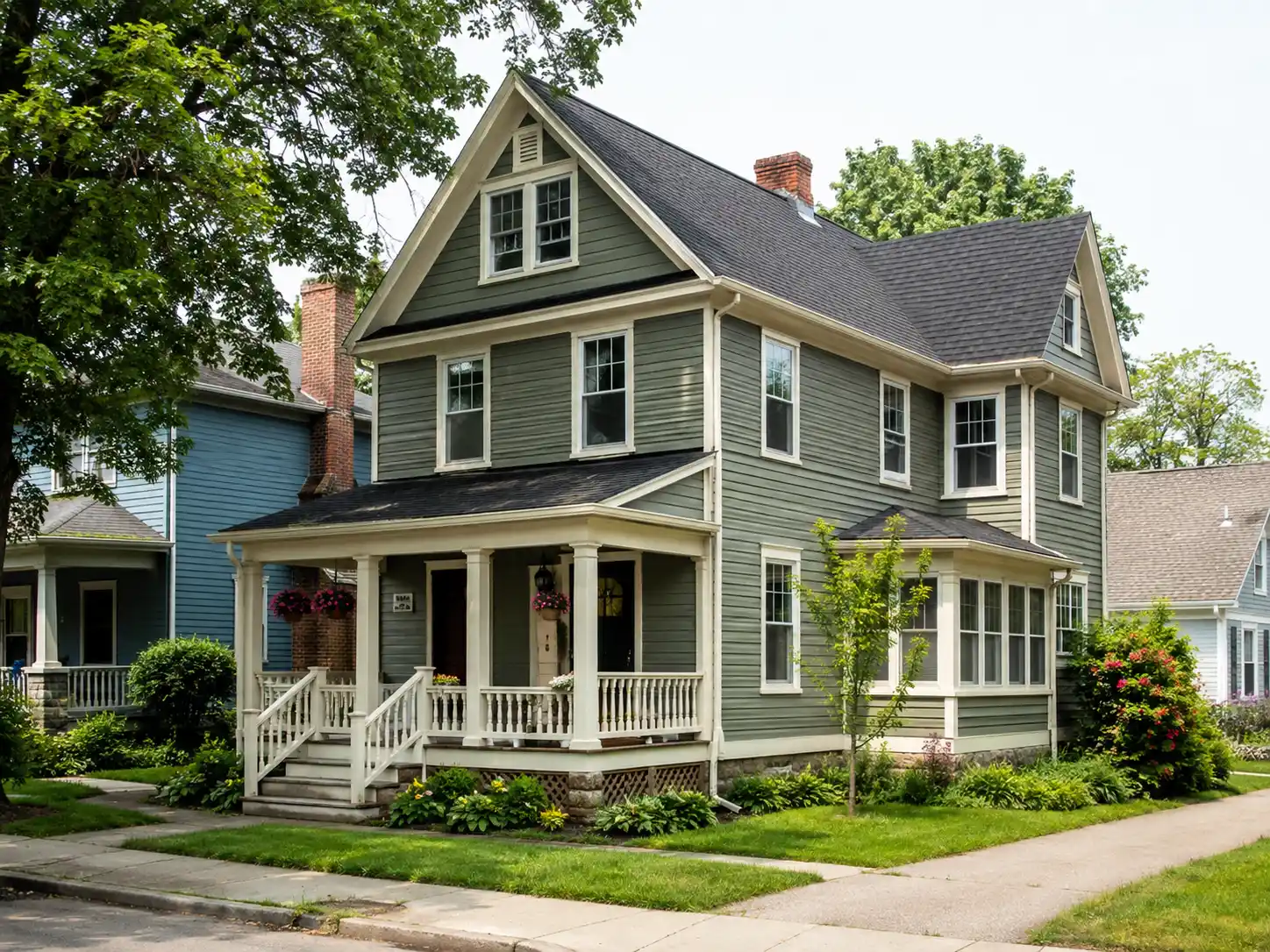
Older Seattle homes can contain building materials that require more planning before demolition begins.
Two of the most important are lead-based paint and asbestos-containing materials.
The risk is not that every old house automatically contains a dangerous condition. The risk is disturbing a material without knowing what it is.
A remodel can turn an intact old floor, wall texture, pipe insulation, siding product, or painted surface into dust and debris within minutes. That is why hazardous-material planning belongs before demolition, not after workers have already started opening the house.
Washington has specific requirements for asbestos investigation and lead-safe renovation work. Homeowners and contractors should identify the applicable requirements during preconstruction.
If the project involves a house with uncertain history, read Hidden Problems in Older Seattle Homes That Can Change a Remodel Budget first. Hazardous materials are one category of hidden condition, but they also require their own compliance process.
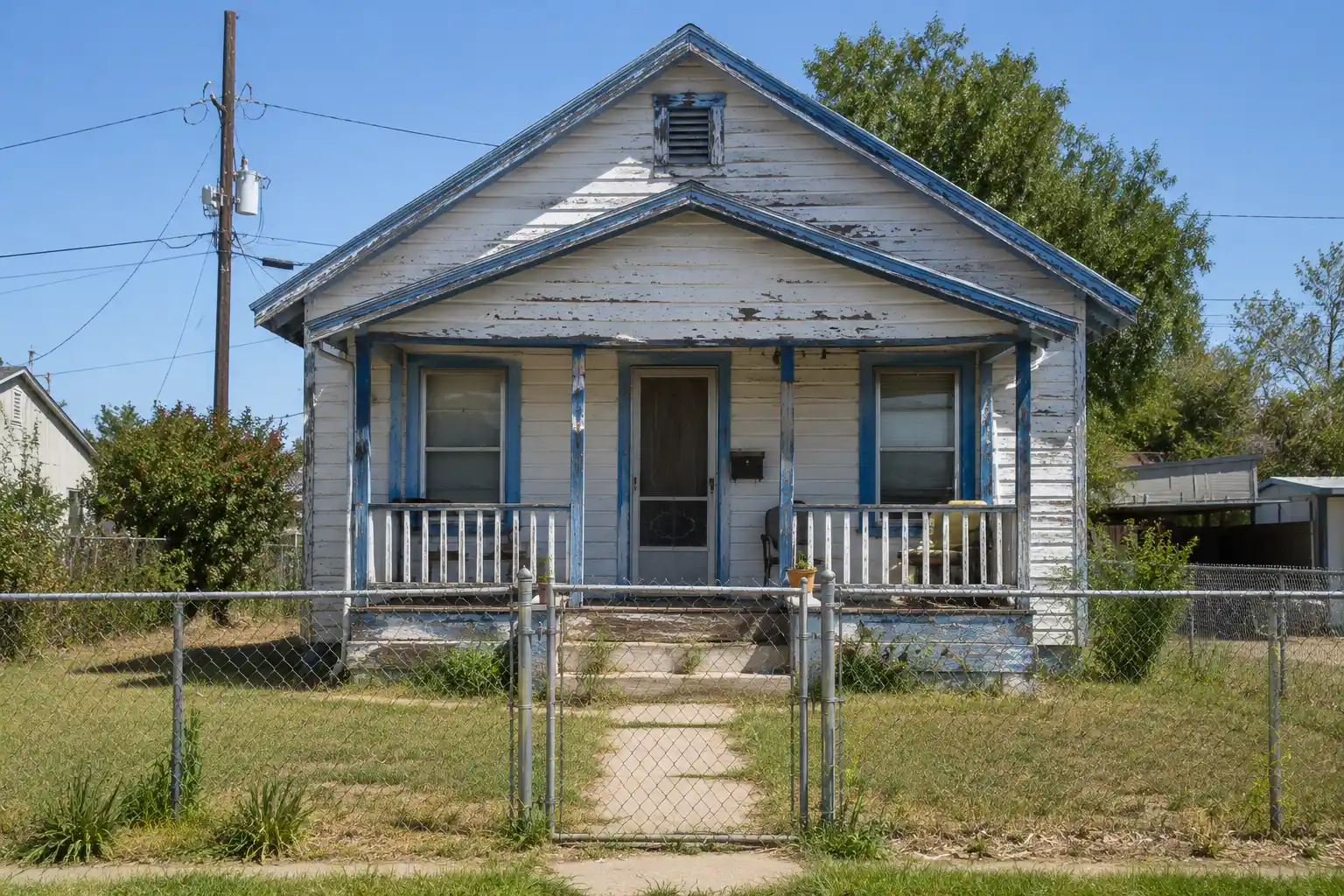
Why Asbestos Matters During Remodeling
Asbestos was used in many building products because it could improve heat resistance, durability, and fire resistance.
Possible suspect materials in older homes can include certain:
– resilient flooring;
– flooring mastics;
– pipe insulation;
– duct insulation;
– surfacing materials;
– siding;
– roofing;
– cement products;
– textured coatings;
– and other construction materials.
A visual inspection alone usually cannot confirm whether a suspect material contains asbestos.
Washington Labor & Industries requires a good-faith asbestos inspection before construction, renovation, repair, removal, or other work that could disturb suspect building materials. The inspection must be performed by an appropriately certified AHERA building inspector.
That means the remodel plan should identify materials that will be disturbed before demolition.
Do Not Assume “Old” Means Asbestos
Building age is useful context.
It is not a laboratory result.
Some older materials do not contain asbestos.
Some asbestos-containing products remained in use later than homeowners may expect.
The correct approach is to identify suspect materials and follow the required inspection and testing process.
This avoids two opposite mistakes:
– treating every old material as asbestos without evidence;
– or assuming a material is safe because it “doesn’t look like asbestos.”
Both can create unnecessary cost or risk.
What Is a Good-Faith Asbestos Inspection?
The purpose is to identify asbestos-containing materials that may be disturbed by the planned work.
A qualified inspector evaluates the building materials within the relevant project area and follows the required sampling and documentation procedures.
The scope should match the remodel.
If the project is limited to one bathroom, the investigation does not necessarily look the same as a whole-house demolition project.
But if future phases will disturb additional areas, planning the investigation together may be more efficient.
The phasing principles in How to Phase a Whole-Home Remodel Without Paying for the Same Work Twice apply here too. Repeated testing and repeated mobilization can be reduced when future work is considered early.
What Happens if Asbestos Is Found?
Finding asbestos does not automatically mean the remodel must be canceled.
The next step depends on:
– material type;
– condition;
– amount;
– location;
– planned disturbance;
– and applicable Washington requirements.
Some projects may need certified asbestos abatement before normal demolition proceeds.
The abatement work should be coordinated with the construction schedule so the remodel crew enters a properly prepared work area.
Do not let the finish-selection schedule drive the hazardous-material sequence.
A tile delivery date is not more important than completing required abatement correctly.
Lead-Based Paint and Pre-1978 Homes
Lead-based paint is a separate issue from asbestos.
Washington operates the Renovation, Repair and Painting program for covered renovation work that disturbs paint in pre-1978 housing and child-occupied facilities.
The program requires appropriate firm and individual certification and lead-safe work practices for covered work.
The important phrase is “disturbs paint.”
A remodel that opens walls, removes trim, replaces windows, sands painted surfaces, or demolishes painted components can create lead-containing dust if lead paint is present.
This is especially relevant in older Seattle homes with many layers of paint.
Lead Risk Is About Dust, Not Only Peeling Paint
Homeowners often associate lead risk with visibly peeling paint.
During renovation, intact painted surfaces can also create dust when they are cut, sanded, drilled, demolished, or removed.
That is why lead-safe renovation practices focus on containment, work methods, cleanup, and verification rather than simply inspecting whether the wall looked damaged before work started.
The U.S. EPA identifies lead as a toxic metal that can create serious health risks, especially for children and pregnant people.
Construction planning should therefore minimize uncontrolled dust generation and spread.
Windows and Doors Can Be High-Disturbance Areas
Window and door replacement often disturbs multiple layers:
– painted trim;
– jambs;
– plaster or drywall edges;
– siding;
– flashing;
– and wall finishes.
In an older house, these projects should be evaluated before crews begin cutting.
The same applies to built-ins, baseboards, stair components, and other heavily painted woodwork.
A seemingly small carpentry project can disturb a surprising amount of old paint.
Kitchen and Bathroom Remodels Need Early Hazard Planning
Kitchens and bathrooms often contain several suspect material categories.
A bathroom may include:
– old flooring;
– adhesive;
– plaster;
– wall texture;
– pipe insulation;
– and multiple layers of paint.
A kitchen may contain similar flooring, wall finishes, painted cabinets or trim, and mechanical or plumbing materials.
If the remodel is already being permitted, use the Seattle Remodel Permit Checklist to coordinate hazardous-material planning with the larger construction timeline.
Hazardous-material compliance is not the same thing as a building permit, but both should be addressed before work starts.
What About Popcorn Ceilings?
Textured ceilings are one example of a material homeowners often worry about.
Appearance alone cannot tell you whether a specific ceiling contains asbestos.
If the project will disturb a suspect ceiling material, the appropriate inspection and testing process should occur before scraping, sanding, drilling, or demolition.
Painting over a ceiling and removing it are very different disturbance scenarios.
The project scope matters.
What About Old Vinyl Flooring?
Older resilient flooring and associated mastics can also be suspect materials.
One of the worst approaches is aggressive dry scraping before material identification.
If flooring will be removed, include it in the pre-demolition investigation.
If new flooring is being installed over an existing floor, the project team should still determine whether future disturbance is likely and whether the assembly is appropriate for the new installation.
Do Hazardous Materials Always Increase the Budget?
Not always significantly.
Testing and planning can sometimes confirm that suspect materials do not contain asbestos or that the project can proceed with a manageable compliance scope.
When regulated material is present, the budget may need to include:
– inspection;
– laboratory analysis;
– containment;
– certified abatement;
– disposal;
– schedule coordination;
– and restoration of affected assemblies.
The cost should be treated as a building-condition cost, not hidden inside the finish allowance.
That is exactly the type of uncertainty discussed in How Much Contingency Should You Budget for a Home Remodel?.
Can You Test During Demolition?
Testing should happen before suspect materials are disturbed.
Discovering a questionable material during demolition can force work to stop while the condition is evaluated.
If that happens, document the area and avoid additional disturbance until the material has been properly addressed.
The process described in What Happens When Contractors Open the Walls and Find Hidden Damage? applies: pause, document, identify the correct professional, and revise the work plan before continuing.
How to Plan Before Demolition
A practical pre-demolition sequence is:
1. Define exactly what materials will be disturbed.
2. Review the age and renovation history of the house.
3. Arrange required asbestos good-faith inspection.
4. Identify whether pre-1978 painted surfaces fall under RRP requirements.
5. Complete required testing and documentation.
6. Identify certified firms or workers where required.
7. Build abatement or lead-safe procedures into the schedule.
8. Complete the regulated work.
9. Then begin normal demolition in the cleared work area.
This sequence is much easier than stopping an active demolition crew because a flooring layer or pipe wrap was never investigated.
FAQ
Does every old Seattle home contain asbestos?
No. Building age and appearance cannot confirm asbestos content. Suspect materials should be evaluated through the required inspection and testing process.
Is an asbestos inspection required before remodeling in Washington?
Washington L&I requires a good-faith inspection before construction, renovation, repair, removal, or other work that could disturb suspect asbestos-containing materials.
What homes are affected by lead-safe renovation rules?
Washington’s RRP program applies to covered renovation, repair, or painting work that disturbs paint in pre-1978 housing and certain child-occupied facilities.
Can my regular remodeling contractor remove asbestos?
Asbestos work has specific Washington certification and worker requirements. The correct contractor depends on the material, scope, and applicable regulations.
Should I test before getting a remodel estimate?
For older homes with suspect materials, early investigation can make the estimate more reliable and reduce schedule surprises after demolition begins.