


Remodeling before moving in sounds ideal.
The house is empty.
There is no furniture to protect.
No one needs the kitchen.
No one is sleeping beside construction.
Crews can work without navigating family life.
The problem is that new owners sometimes make their biggest design decisions before they understand the house.
Moving in first creates the opposite tradeoff.
You learn how the home really functions, but you may later live through months of demolition, dust, noise, and temporary rooms.
There is no universal answer.
The best decision depends on which work is already certain and which work benefits from experience.
Remodel Before Moving In When the Work Is Certain
Some projects do not need six months of observation.
If the hardwood is damaged throughout the house and will definitely be refinished, an empty house is ideal.
If extensive interior painting is planned, doing it before furniture arrives is efficient.
If the electrical system needs widespread rewiring, opening and repairing walls is easier before occupancy.
If the only bathroom is being fully rebuilt, living elsewhere avoids a major temporary-living problem.
If structural work will disrupt the entire main floor, completing it before move-in can reduce protection and phasing costs.
These projects are primarily about construction logistics rather than learning household behavior.
Whole-House Flooring Strongly Favors Pre-Move Work
Continuous flooring is one of the clearest examples.
Replacing or refinishing flooring after move-in can require:
– moving furniture repeatedly;
– renting storage;
– protecting finished areas;
– splitting work into sections;
– and living around cure or acclimation periods.
If the flooring decision is already final, doing it in an empty house is often simpler.
But confirm future wall changes first.
New flooring installed under a wall that will be removed next year may need patching.
That is why the long-term plan in How to Plan a Remodel for a House You Just Bought should come before pre-move finish work.
Painting Is Easier Before Furniture Arrives
Whole-house painting becomes faster when rooms are empty.
This is especially true when ceilings, trim, closets, or extensive drywall repair are involved.
However, painting is not a reason to delay necessary structural or system work.
Do not paint a wall that the electrical project will open next month.
The correct sequence still matters.
Review In What Order Should You Renovate a House? before treating paint as the first available project.
Kitchen Remodeling Is a More Difficult Decision
An empty house makes kitchen construction easier.
It does not automatically make kitchen design better.
Before remodeling immediately, ask:
Do we know where groceries will enter the house?

Do we know whether the dining area is used daily?
Do we know where children do homework?
Do we know how often two people cook together?
Do we know whether the pantry is actually too small?
Do we know which door everyone uses?
If the existing kitchen is clearly dysfunctional, these questions may not change the answer.
If the kitchen is simply dated, living there first may reveal a better design.
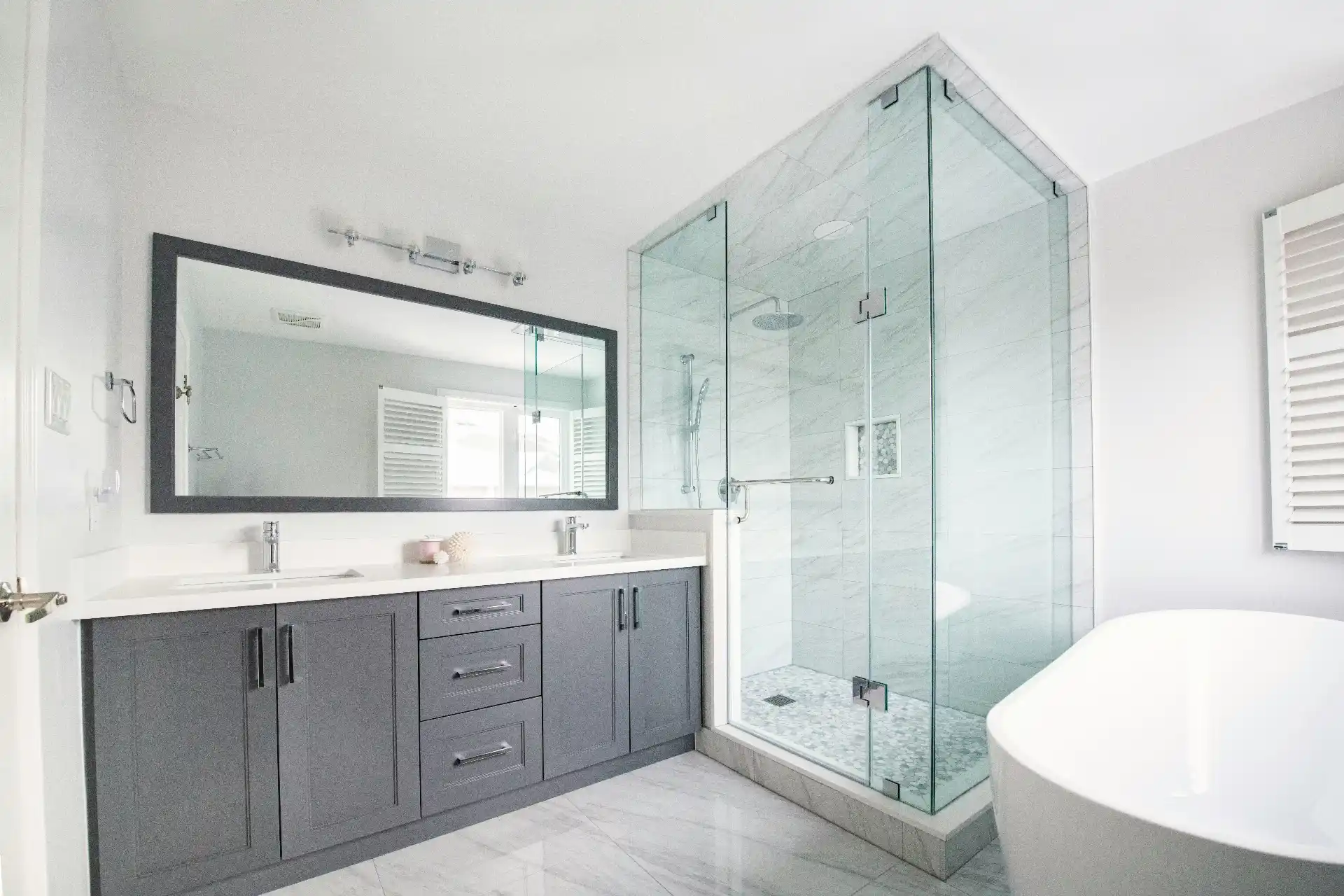
Bathroom Remodeling Often Works Well Before Move-In
Bathrooms are disruptive because they involve plumbing shutdowns, tile work, waterproofing, dust, and limited access.
If the home has one bathroom or several bathrooms being remodeled at once, pre-move construction can be much more comfortable.
Aging-in-place improvements may also be easier to integrate before occupancy if they are already part of the long-term plan.
See Aging in Place Remodeling: What to Change Before You Actually Need It.
Structural Remodeling Favors an Empty House
Structural work can affect:
– floors;
– ceilings;
– temporary shoring;
– electrical;
– HVAC;
– plumbing;
– and access.
Removing a major wall before move-in generally simplifies safety and protection.
If the project is large enough to require several months, compare the cost of delaying move-in with the cost of living elsewhere after moving twice.
The logistics described in Can You Live in Your House During a Major Remodel? help frame that decision.
Why Moving In First Can Produce a Better Design
A floor plan is not the same as daily life.
After moving in, homeowners learn:
– which rooms stay dark;
– where clutter accumulates;
– which doors are actually used;
– where shoes and bags land;
– which cabinets are inconvenient;
– how noise travels;
– whether the basement feels disconnected;
– and where the family naturally gathers.
Those observations can change remodeling priorities.
A family that planned a kitchen expansion may discover that a mudroom solves the bigger problem.
A homeowner who wanted open concept may discover that a separate office is more valuable.
Experience can prevent expensive design based on assumptions.
The Cost of Remodeling After Move-In
Occupied remodeling can require additional:
– protection;
– cleaning;
– phasing;
– temporary kitchens;
– furniture moving;
– storage;
– and coordination.
The contractor may also lose efficiency when work areas need to be restored for daily use.
That does not mean every occupied project costs dramatically more.
It means occupancy should be treated as a construction condition.
Compare that cost with rent, storage, and delayed move-in on the pre-move option.
What if You Have a Limited Time Between Closing and Move-In?
This is common.
There may be only three or four weeks.
Do not force a major remodel into an unrealistic window.
Choose work that can actually be completed.
Good short-window projects can include:
– painting;
– selected flooring;
– minor repairs;
– lighting;
– locks and hardware;
– and other defined work.
A rushed kitchen or structural remodel can leave the homeowner moving into an active job site anyway.
The whole-house timeline in How Long Does a Whole House Remodel Take From Design to Final Inspection? is useful for understanding why permits, procurement, and inspections cannot always fit between closing and moving day.
A Hybrid Strategy Is Often Best
The choice does not have to be all before or all after.
A practical hybrid may be:
Before move-in:
– fix leaks;
– address urgent electrical issues;
– refinish floors;
– paint;
– complete one essential bathroom.
After living in the home:
– redesign kitchen;
– plan addition;
– remodel basement;
– complete nonurgent bathrooms.
This captures the logistical advantage of an empty house without forcing every design decision too early.
Another hybrid is to complete design before moving in but schedule construction later.
That allows homeowner observations during design while keeping enough lead time for permits and materials.
How to Decide
Remodel before move-in if:
– the scope is already certain;
– construction is highly disruptive;
– the project can realistically finish before occupancy;
– the house will be difficult to live in;
– or empty-house efficiency creates meaningful savings.
Move in first if:
– layout decisions are uncertain;
– the home is safe and functional;
– the work can wait;
– you want to understand daily habits;
– or the long-term plan is still evolving.
If the project includes both categories, split them intentionally.
Do the certain work now.
Delay the uncertain work.
FAQ
Is it cheaper to remodel before moving in?
It can reduce protection, furniture moving, and phasing costs. But rushed design decisions can cost far more than those savings.
How long should I live in a house before remodeling?
There is no required period. Live there long enough to understand the decisions that are genuinely uncertain.
Should I remodel the kitchen before moving in?
Yes if the layout and scope are clear. If the kitchen is functional and the design is uncertain, living with it first may improve the final plan.
Should I refinish floors before moving in?
If the floors definitely need refinishing and future structural work will not damage them, pre-move is often the easiest time.
Can I move into a house while remodeling is still happening?
Yes, if essential services and safe access are available. Large occupied remodels require a specific logistics plan.